
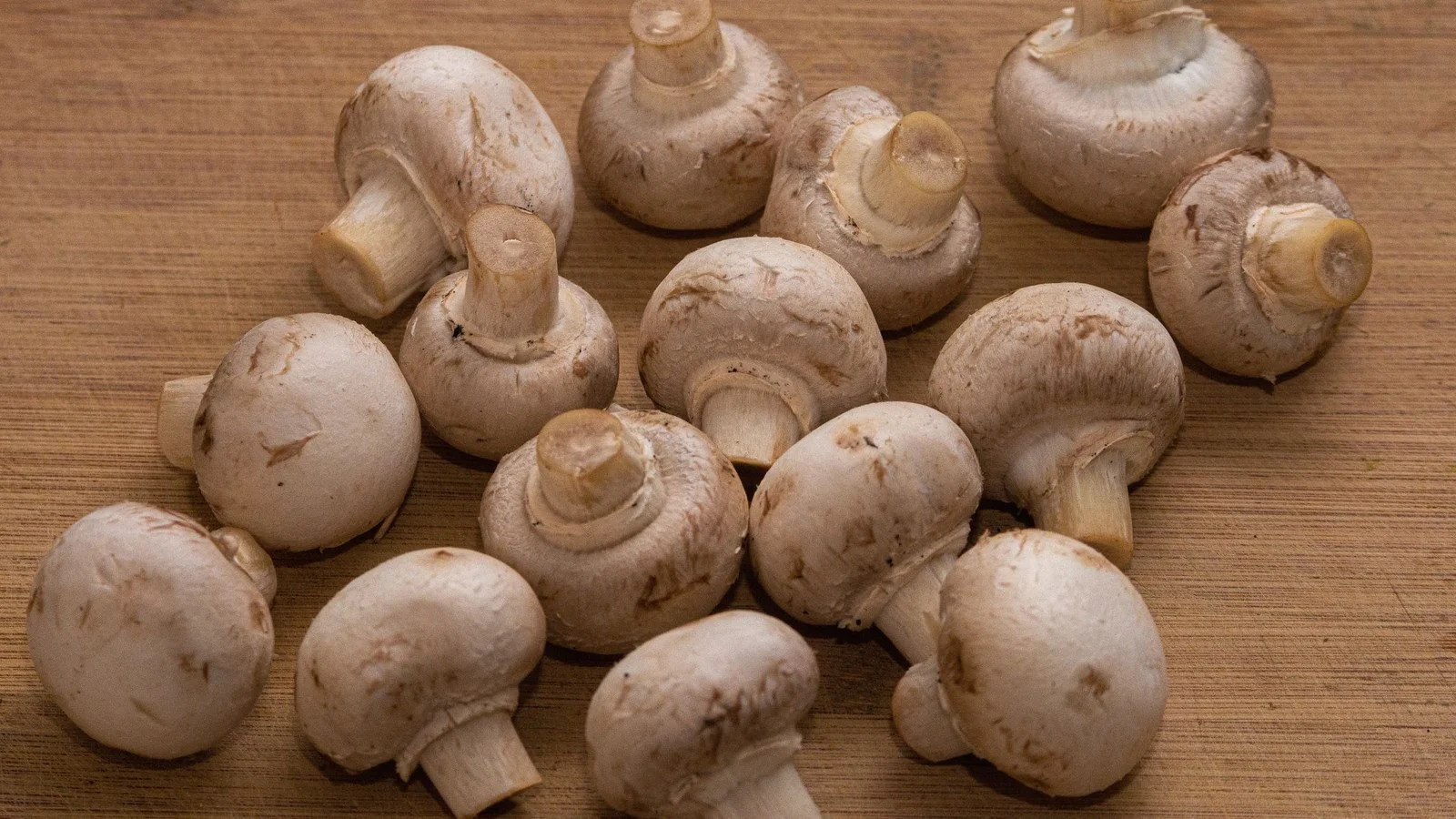
Can dogs eat mushrooms? It depends entirely on the type. Plain store-bought mushrooms (white button, cremini, portobello), cooked without seasoning, are generally safe in small amounts. Wild mushrooms are a different story — never let your dog eat them. Some wild species are highly toxic and can cause liver or kidney failure, and telling safe from deadly is nearly impossible in the field. Treat any wild-mushroom eating as an emergency.
The word “mushroom” covers both a harmless grocery-store veggie and some of the most poisonous things your dog could find on a walk. Here’s how to keep the two straight.
Store-bought mushrooms: generally safe plain
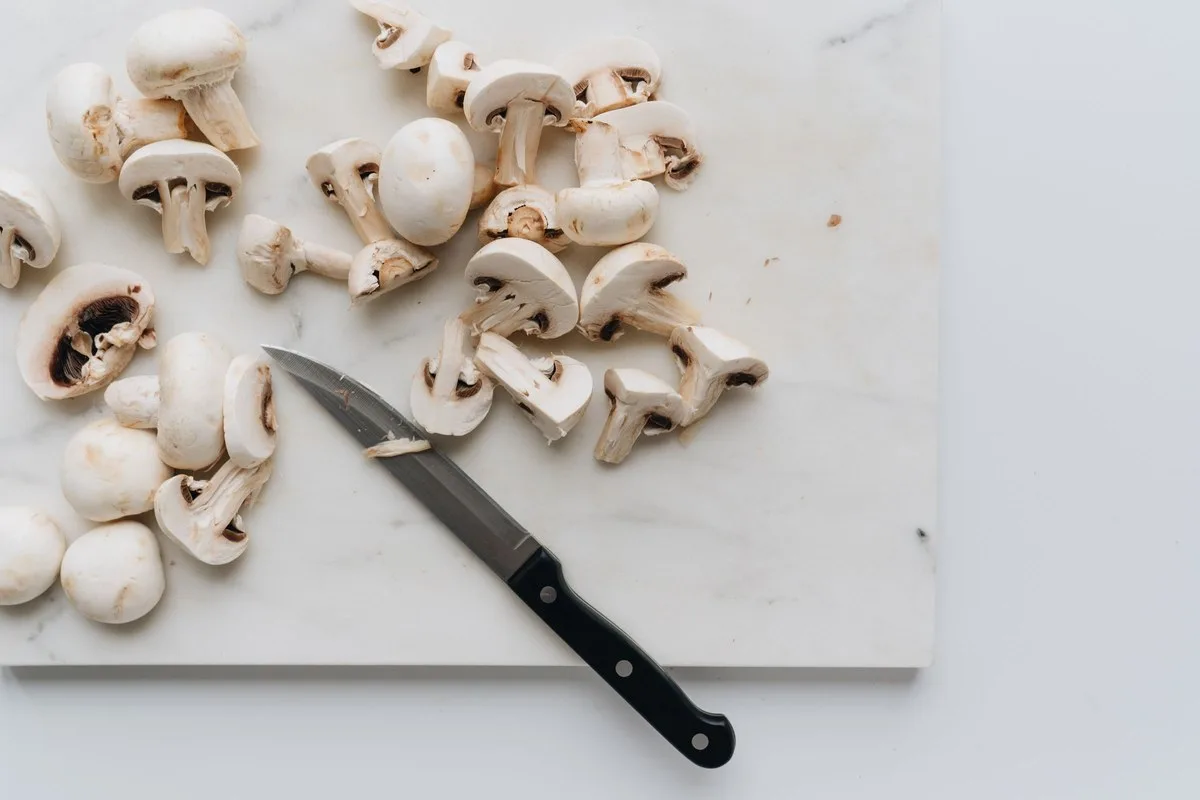
The mushrooms sold for human cooking — white, cremini, portobello, shiitake — are not toxic to dogs. On their own, cooked and unseasoned, a small piece is fine as an occasional treat. They offer a little fiber and some nutrients, though dogs don’t need them. The catch is how we usually cook mushrooms: in butter, oil, garlic, or onion, all of which are bad for dogs.
Wild mushrooms: never safe
This is the part that matters most. Wild mushrooms growing in your yard, park, or on the trail can be extremely dangerous. Toxic species like Amanita (“death cap”) can cause severe vomiting, drooling, tremors, seizures, liver and kidney failure, and death. Even experts can’t identify mushrooms reliably by sight, so the only safe rule is zero tolerance: don’t let your dog sniff, mouth, or eat any wild mushroom.
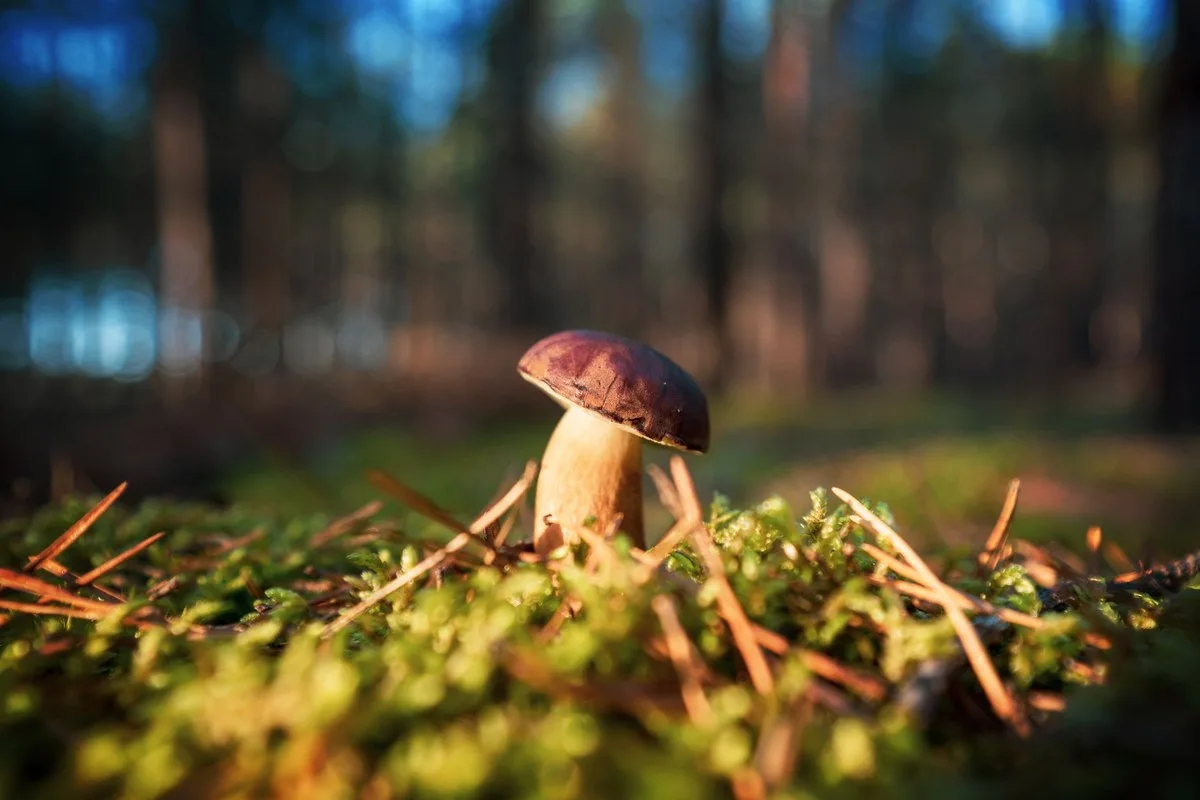
Like other dangerous items dogs may find, wild mushrooms belong on the same “never” list as onions and raisins — foods where the safe amount is none.
What to do if your dog eats a wild mushroom
Act fast — don’t wait for symptoms. Call your veterinarian or an animal poison control line immediately, and if you can do it safely, take a photo or a sample of the mushroom (wrap it in a damp paper towel) to help identification. Watch for vomiting, diarrhea, drooling, weakness, staggering, yellowing gums, or seizures, but understand that some toxins cause a deceptive “recovery” period before serious organ damage sets in. The sooner your dog is seen, the better the outcome.
Frequently Asked Questions
Can dogs eat cooked mushrooms from my dinner?
Only if they’re plain. Mushrooms cooked with butter, oil, salt, garlic, or onion aren’t safe because of those added ingredients — garlic and onion are toxic to dogs. A plain, unseasoned piece is okay in moderation.
My dog ate a mushroom in the yard — what now?
Treat it as an emergency. Call your vet or a pet poison helpline right away rather than waiting to see if your dog gets sick. If possible, collect a sample of the mushroom for identification.
Are any wild mushrooms safe for dogs?
You should assume none are. Because toxic and non-toxic species can look almost identical and even experts struggle to tell them apart, the only responsible approach is to keep your dog away from all wild mushrooms.
Why do dogs eat mushrooms outside?
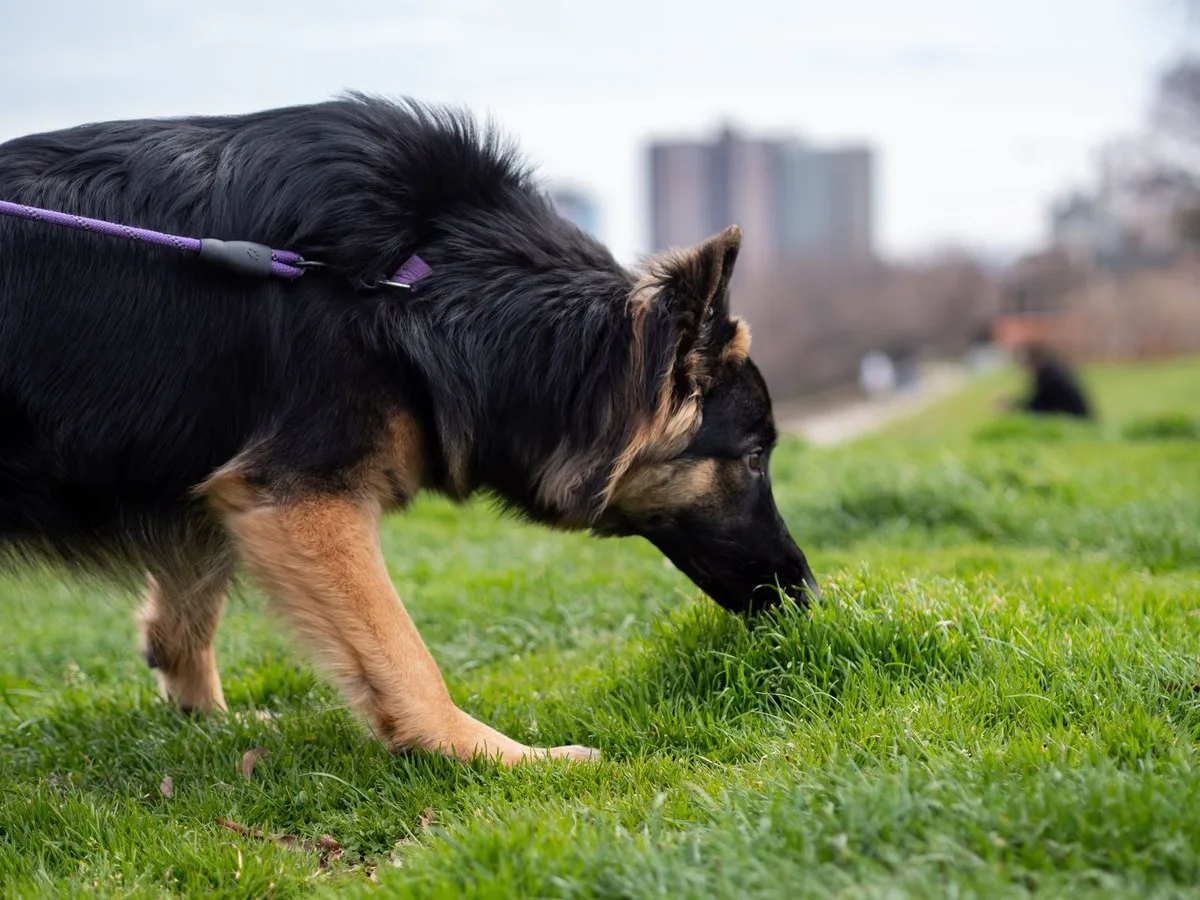
Some mushrooms give off smells (fishy or meaty) that dogs find appealing. That’s exactly why outdoor mushrooms are so risky — keep your dog leashed in areas where they grow and remove any that pop up in your yard.
This article is for general educational purposes and isn’t a substitute for professional veterinary advice. If your dog eats a wild or unidentified mushroom, contact your veterinarian or a pet poison control center immediately — don’t wait for symptoms to appear.