
The Traini Blog.
Dog behavior, health, and training — decoded. Practical guides from the team building AI that understands pets.
Recent articles
42 articles
Can Dogs Eat Watermelon? Benefits, Risks, and How to Feed It
Seedless, rind-free watermelon is a safe, hydrating summer treat for dogs. Learn how to share it safely with Traini’s PetGPT.
Read more →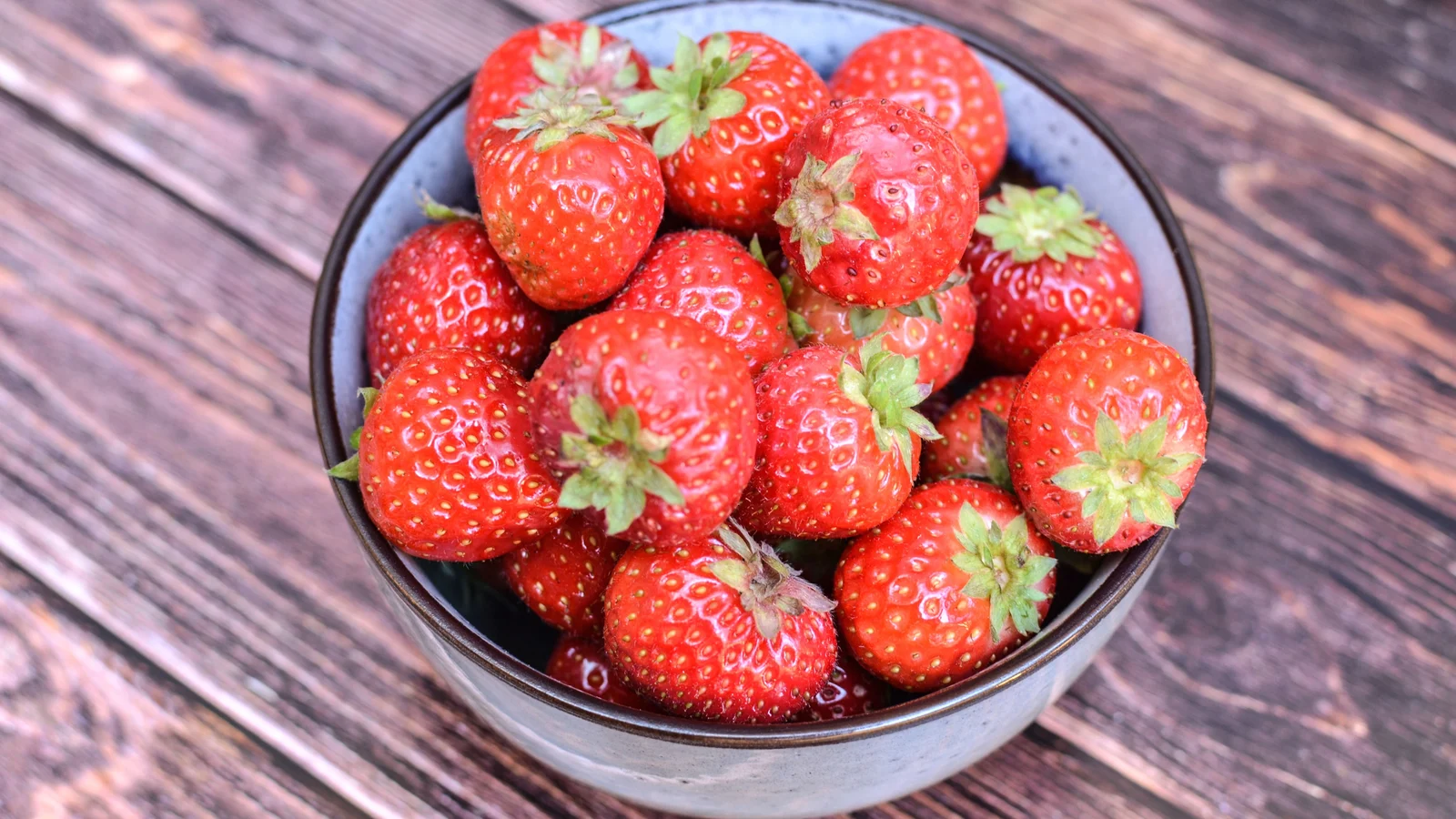
Can Dogs Eat Strawberries? Benefits, Risks, and How to Feed Them
Fresh strawberries are a safe, vitamin-rich treat for dogs in moderation—just skip the sugar and syrup. Learn how to feed them with Traini’s PetGPT.
Read more →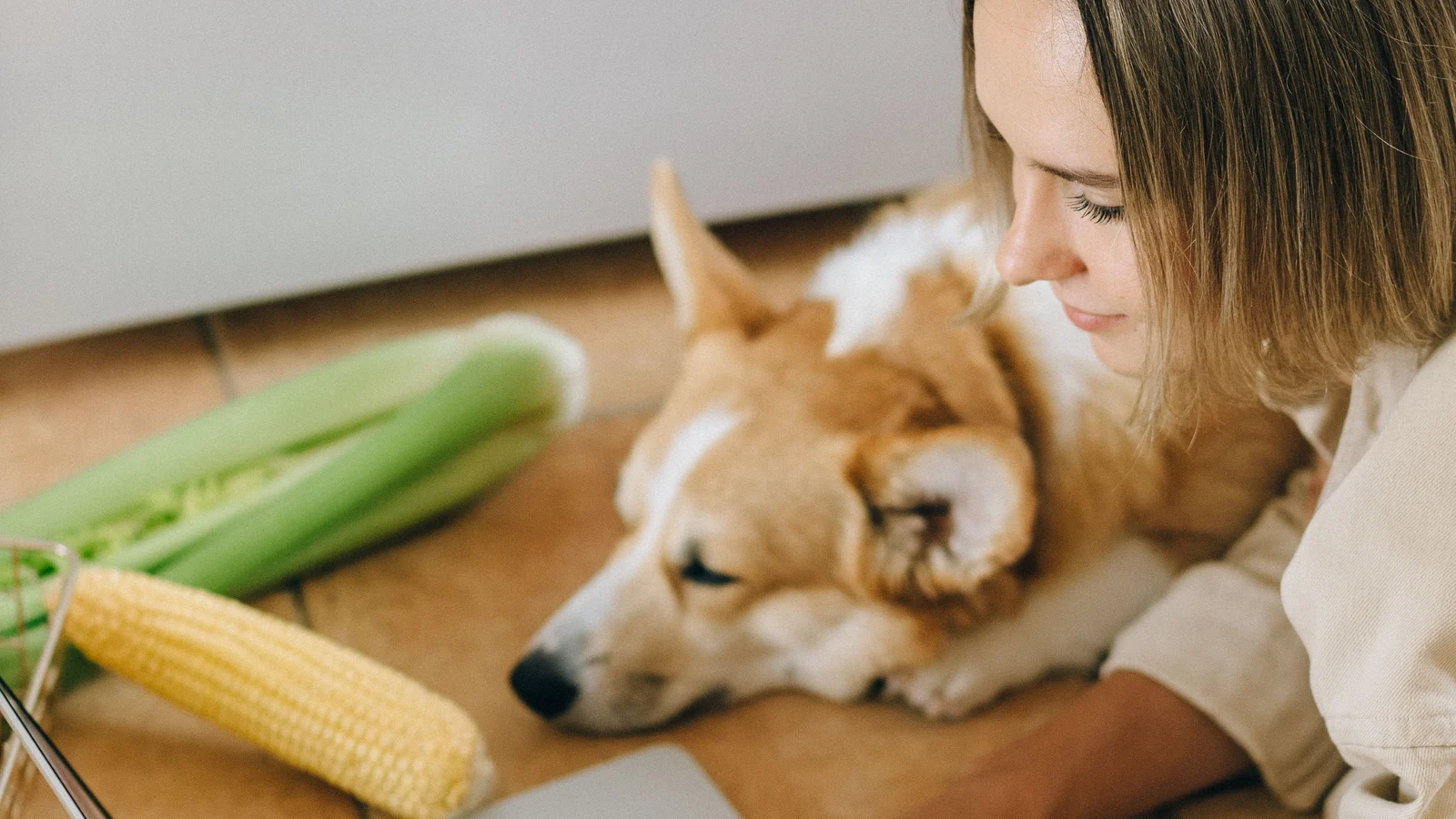
Can Dogs Eat Celery? Benefits, Risks, and How to Feed It
Celery is a safe, low-calorie, crunchy treat for dogs—just cut it small. Learn how to feed it safely with Traini’s PetGPT.
Read more →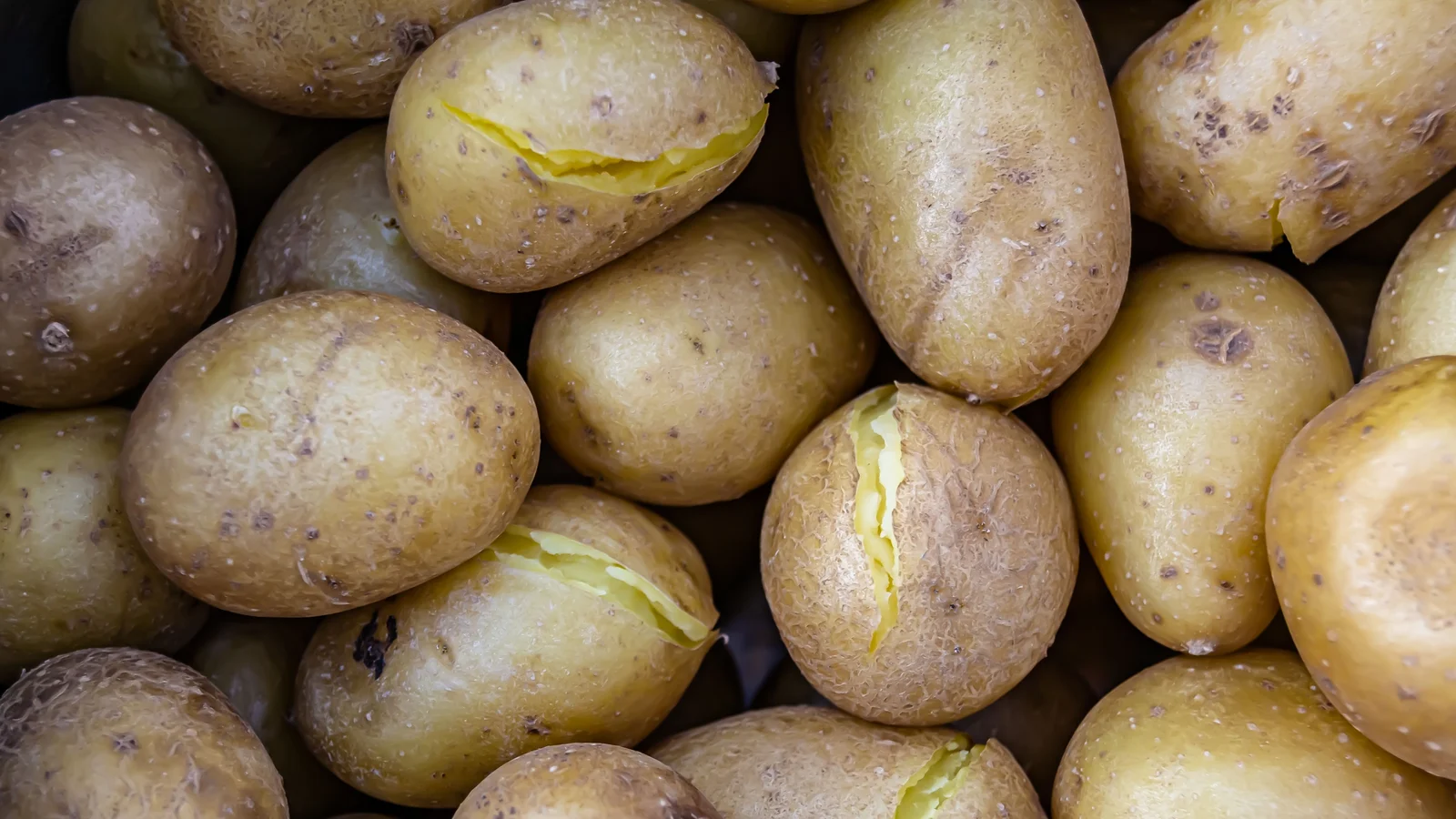
Can Dogs Eat Potatoes? Benefits, Risks, and How to Feed Them
Plain cooked potatoes are fine for dogs, but raw ones and fries aren’t. Learn to share them safely with Traini’s PetGPT.
Read more →
Can Dogs Eat Cranberries? Benefits, Risks, and the Holiday Table
Plain cranberries are safe in moderation, but sauce and raisins aren’t. Learn to share them safely this holiday—ask Traini’s PetGPT.
Read more →
Can Dogs Eat Green Beans? Benefits, Risks, and How to Feed Them
Plain green beans are a safe, low-calorie treat most dogs love—just skip the casserole. Learn to feed them safely with Traini’s PetGPT.
Read more →
Why Is My Dog Shivering? 6 Reasons Explained
Dogs shiver from cold, excitement, fear, or illness. Learn the 6 reasons, how to tell them apart, and when to worry. Ask Traini’s PetGPT.
Read more →
How Cold Is Too Cold for Dogs? A Winter Safety Guide
Most dogs are fine above 45°F, but below 20°F is dangerous. Learn the temperatures, warning signs, and how to keep your dog safe. Ask Traini’s PetGPT.
Read more →
Can Dogs Eat Pumpkin? Benefits, Risks, and How to Feed It
Plain pumpkin is safe and great for dogs’ digestion—but pie filling isn’t. Learn the benefits, risks, and how much to feed. Ask Traini’s PetGPT.
Read more →
Can Dogs Eat Turkey? A Thanksgiving Safety Guide
Plain cooked turkey is safe for dogs, but bones and seasoning aren’t. Learn to share turkey safely this Thanksgiving—ask Traini’s PetGPT.
Read more →
Why Does My Dog Dig on My Bed? 6 Reasons Explained
Digging on your bed is an old nesting instinct — comfort, scent, and security. Learn why dogs dig the bed before lying down and when to watch for stress.
Read more →
Why Does My Dog Scratch the Carpet? 7 Reasons Explained
Carpet-scratching is usually instinct — denning, scent-marking, or settling in. Learn the 7 reasons dogs scratch the carpet and when to step in.
Read more →
Why Does My Dog Lean on Me? What It Means
Why does my dog lean on me? What leaning means—affection, security, attention, or anxiety—plus when leaning on you is worth a closer look.
Read more →
Why Does My Dog Lick the Floor? Causes and Fixes
Why does my dog lick the floor? Causes from crumbs and nausea to stress and compulsion, how to tell them apart, and when floor-licking needs a vet.
Read more →
Why Does My Dog Roll in the Grass? 6 Reasons
Why does my dog roll in the grass? The instincts behind it—scent, masking smell, fun, and itch relief—plus when rolling signals a skin problem.
Read more →
Why Does My Dog Sleep on Me? What It Means
Why does my dog sleep on me? What it means when your dog sleeps on or against you—affection, warmth, safety, or anxiety—and how to respond.
Read more →
Why Does My Dog Paw at Me? What They Are Telling You
A paw on your arm is how dogs ask for attention, affection, food, or reassurance. Learn why your dog paws at you and how to respond without creating a demanding habit.
Read more →
Why Do Dogs Lick Their Lips? What It Really Means
Lip-licking can mean hunger, but just as often it is a calming signal that your dog is stressed. Learn why dogs lick their lips and when to worry.
Read more →
Why Does My Dog Nibble on Me? The Meaning of Cobbing
That gentle nibbling with front teeth is called cobbing and is usually affection. Learn why dogs nibble on you and how to tell love-bites from overstimulation.
Read more →
Why Does My Dog Sit on Me? What It Means
Dogs sit on you mostly out of affection, comfort, warmth, and a need to feel safe. Learn what it means when your dog sits on you and when to look closer.
Read more →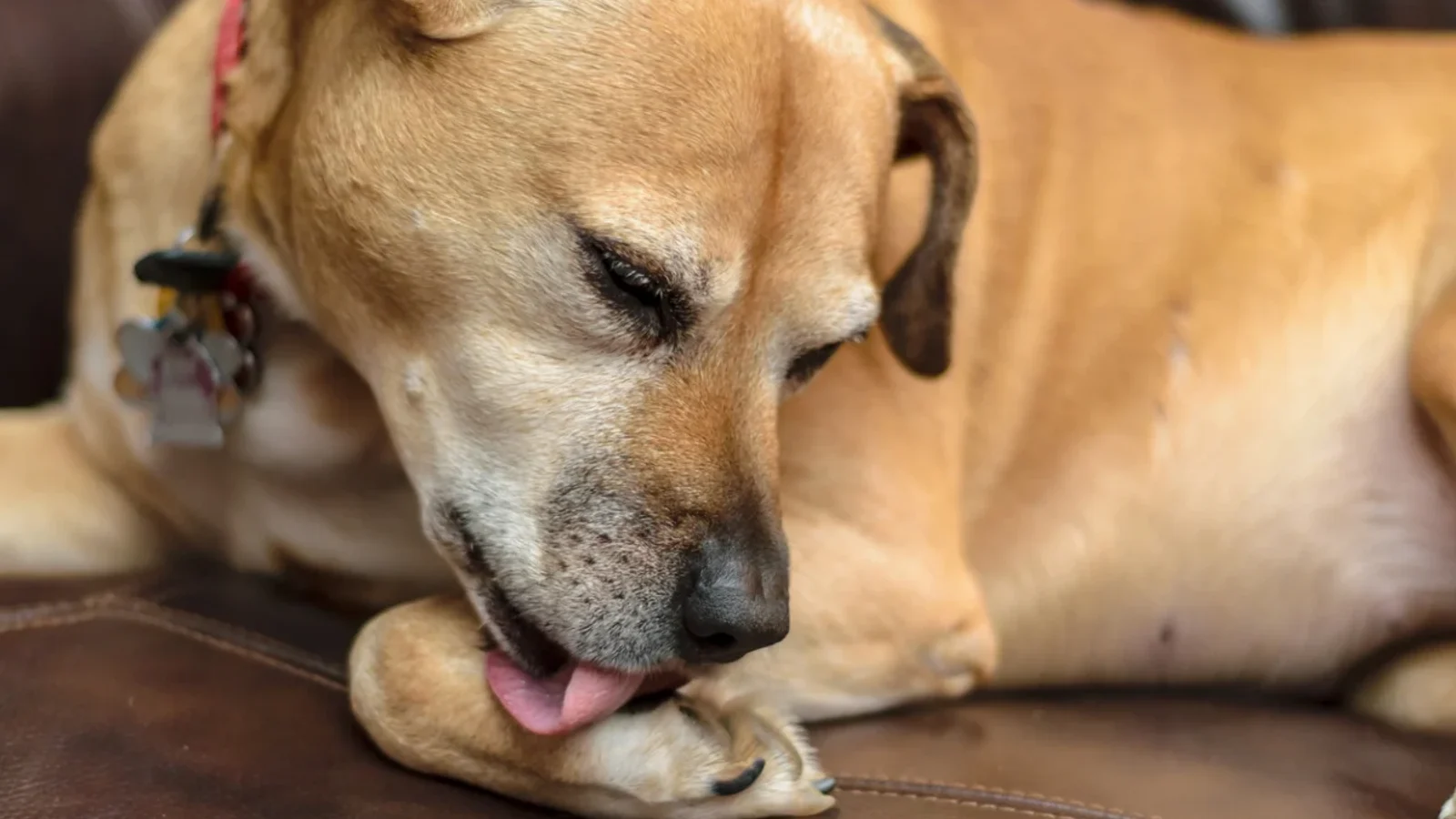
Why Does My Dog Lick His Paws? Causes and Fixes
Occasional paw-licking is normal grooming, but constant licking can signal allergies, pain, or anxiety. Learn why dogs lick their paws and what to do.
Read more →
Why Do Dogs Get the Zoomies? The Science of FRAPs
The zoomies (FRAPs) are sudden bursts of happy energy in dogs. Learn why dogs get the zoomies, when they happen, and when it is worth a closer look.
Read more →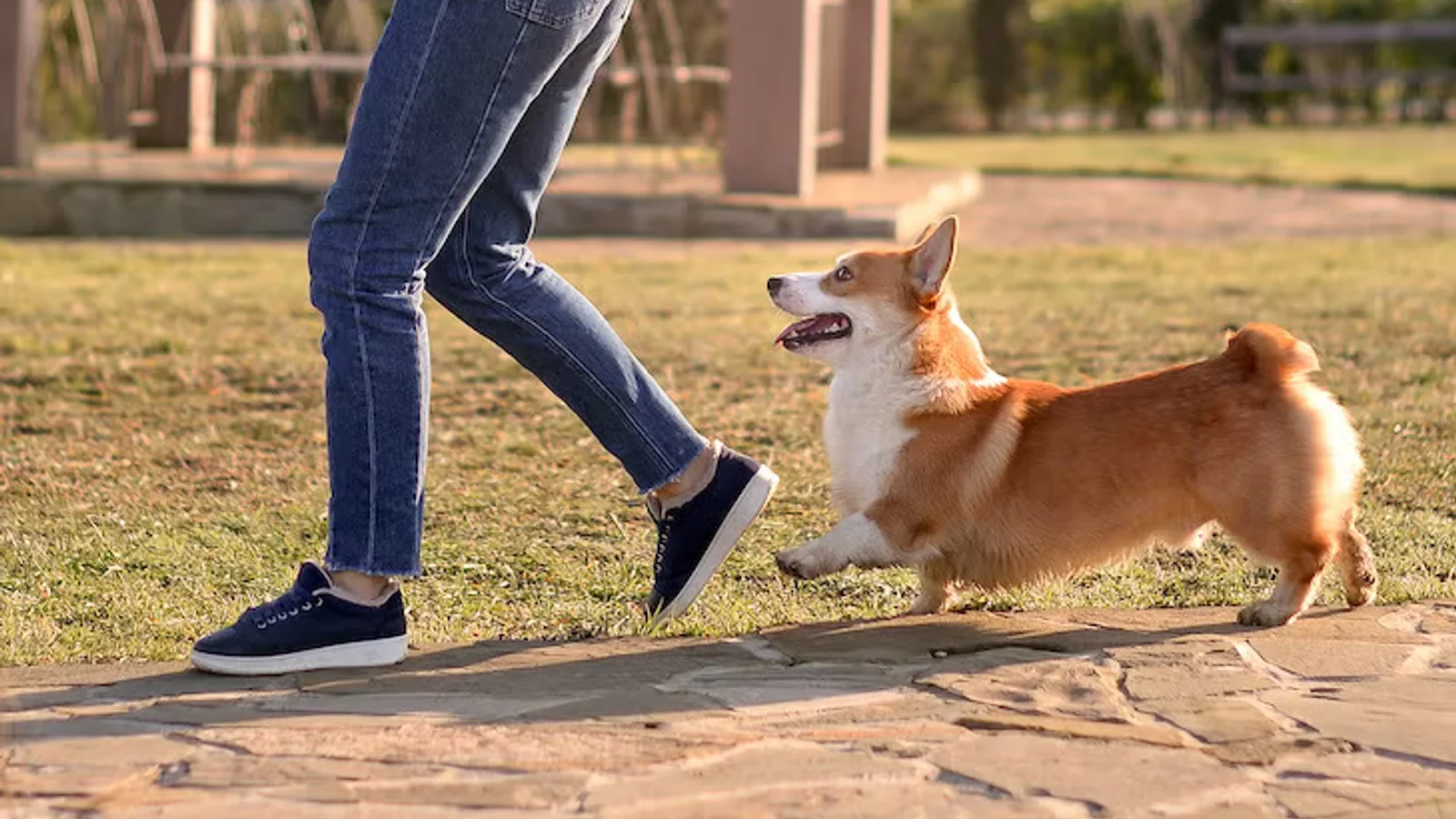
Why Does My Dog Follow Me Everywhere? What It Means
Dogs that follow you everywhere are usually bonded and social, but it can signal anxiety. Learn why your dog shadows you and when to worry.
Read more →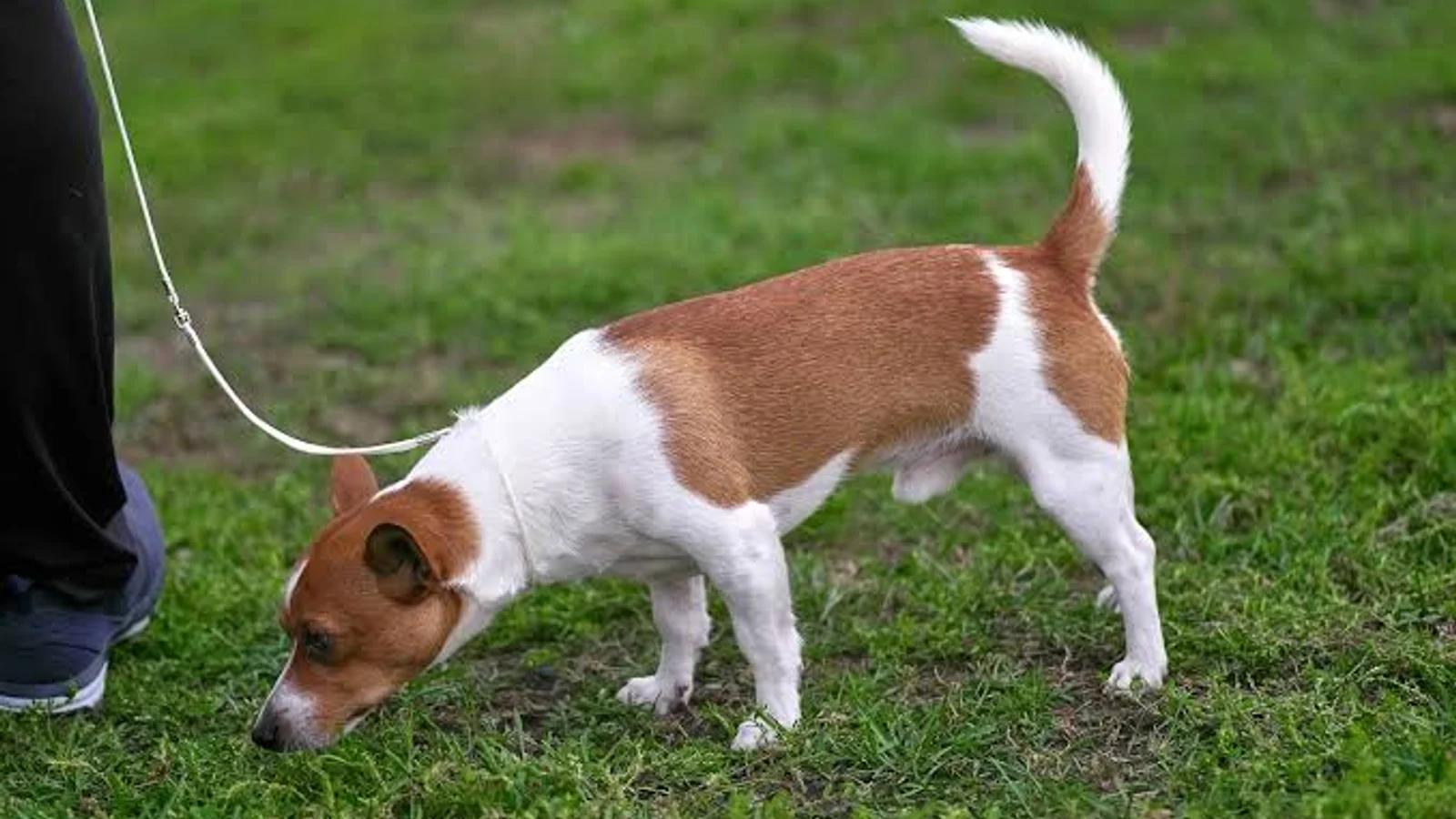
Why Does My Dog Eat Poop? Causes and How to Stop It
Dogs eating poop (coprophagia) is common and usually behavioral, not a sign of something serious. Learn why dogs do it and how to stop it.
Read more →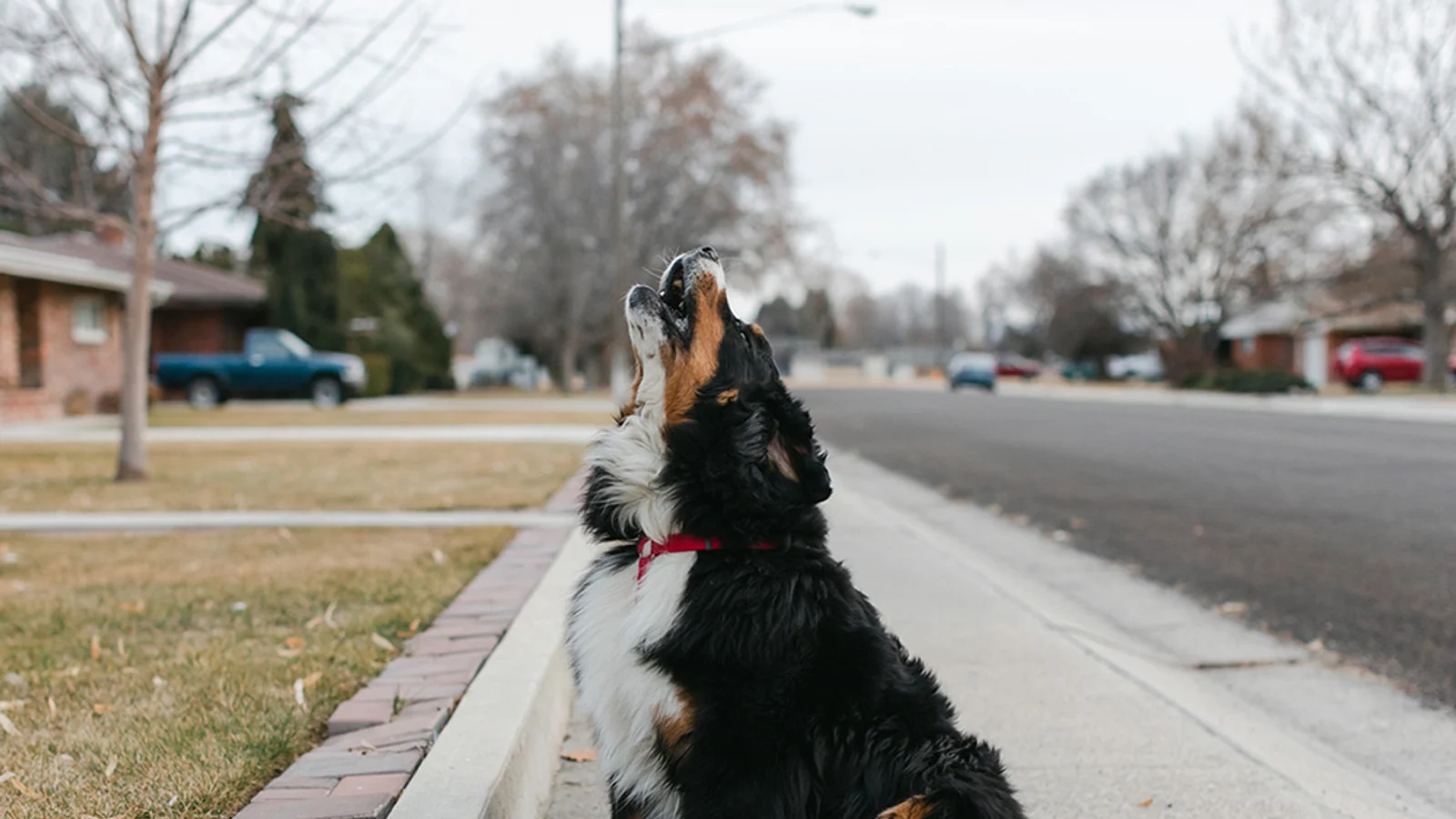
Why Do Dogs Howl? 7 Reasons and What It Means
Howling is one of the oldest forms of dog communication. Learn the 7 main reasons dogs howl, from sirens to separation, and when it signals a problem.
Read more →
Why Does My Dog Lick Me So Much? What It Really Means
Dog licking is mostly communication: affection, taste, attention, or stress. Learn what your dog licking you so much really means and when to look closer.
Read more →
Why Does My Dog Stare at Me? What That Gaze Really Means
Dog staring is usually communication: affection, a request, or anticipation. Learn the science of the love loop, what your dog’s gaze means, and when a hard stare is a warning.
Read more →
Why Is My Dog Panting? Normal Causes and When to Worry
Panting is how dogs cool down, but it can also signal heatstroke, pain, or a heart problem. Learn normal vs. worrying panting, the medical causes, and when it is an emergency.
Read more →
Why Does My Dog Eat Grass? What It Means and When to Worry
Most dogs eat grass, and it is usually normal. Here is what the behavior really means, the vomiting myth debunked, and when grass-eating is worth a vet visit.
Read more →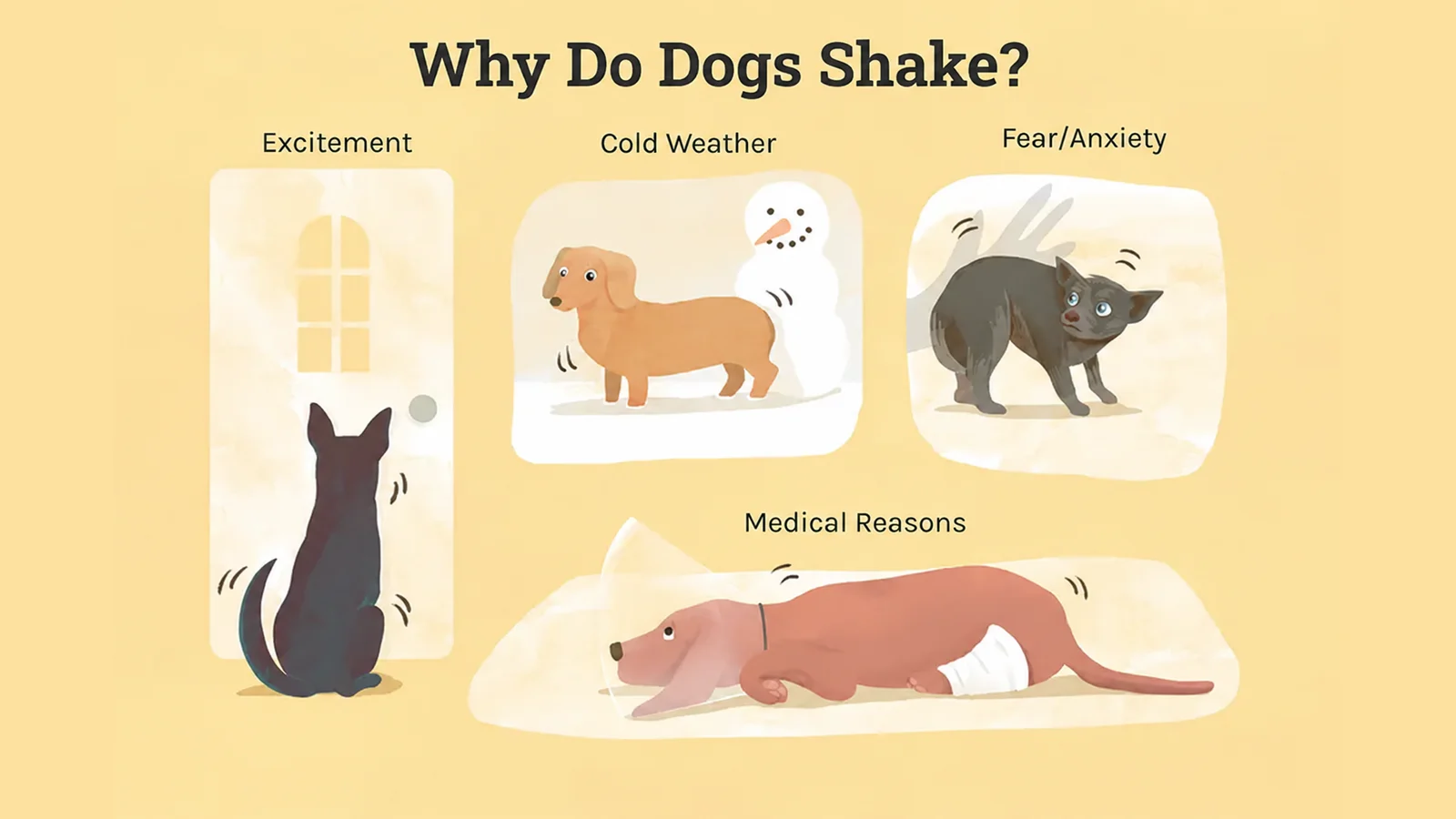
Why Is My Dog Shaking? 11 Causes and When to Worry
Dog shaking can mean anything from cold or excitement to pain, anxiety, or a medical emergency. Here are 11 causes and the warning signs that mean it is time to see a vet.
Read more →
Why Do Dogs Whine or Cry? 5 Common Causes and Solutions for Pet Owners
Discover why your dog whines or cries with our comprehensive guide to canine vocalizations. Learn to identify stress, pain, attention-seeking behaviors and effective solutions to help your distressed pet communicate better.
Read more →
What Do Basset Hounds Usually Die From — Health Guide for Pet Owners
Basset Hounds are lovable companions with unique health risks. Learn the most common causes of death in this breed and how to protect your pet’s well-being through prevention and care.
Read more →
What Can My Dog Drink Besides Water — A Guide to Safe Options
Wondering what your dog can drink besides water? Discover safe alternatives like broths, coconut water, and more—plus hydration tips and vet-approved options.
Read more →
What Are Bad Signs After a Dog Gives Birth — Essential Postpartum Warnings
Bringing new puppies into the world is a heartwarming experience, but complications can arise. Learn to spot postpartum warning signs and protect the health of both mother and pups.
Read more →
How to Stop a Dog from Barking: A Calm, Step-by-Step Guide
Stop nuisance barking by addressing the cause, not the noise—why dogs bark, step-by-step fixes, what to avoid, and when to worry. With help from Traini’s PetGPT.
Read more →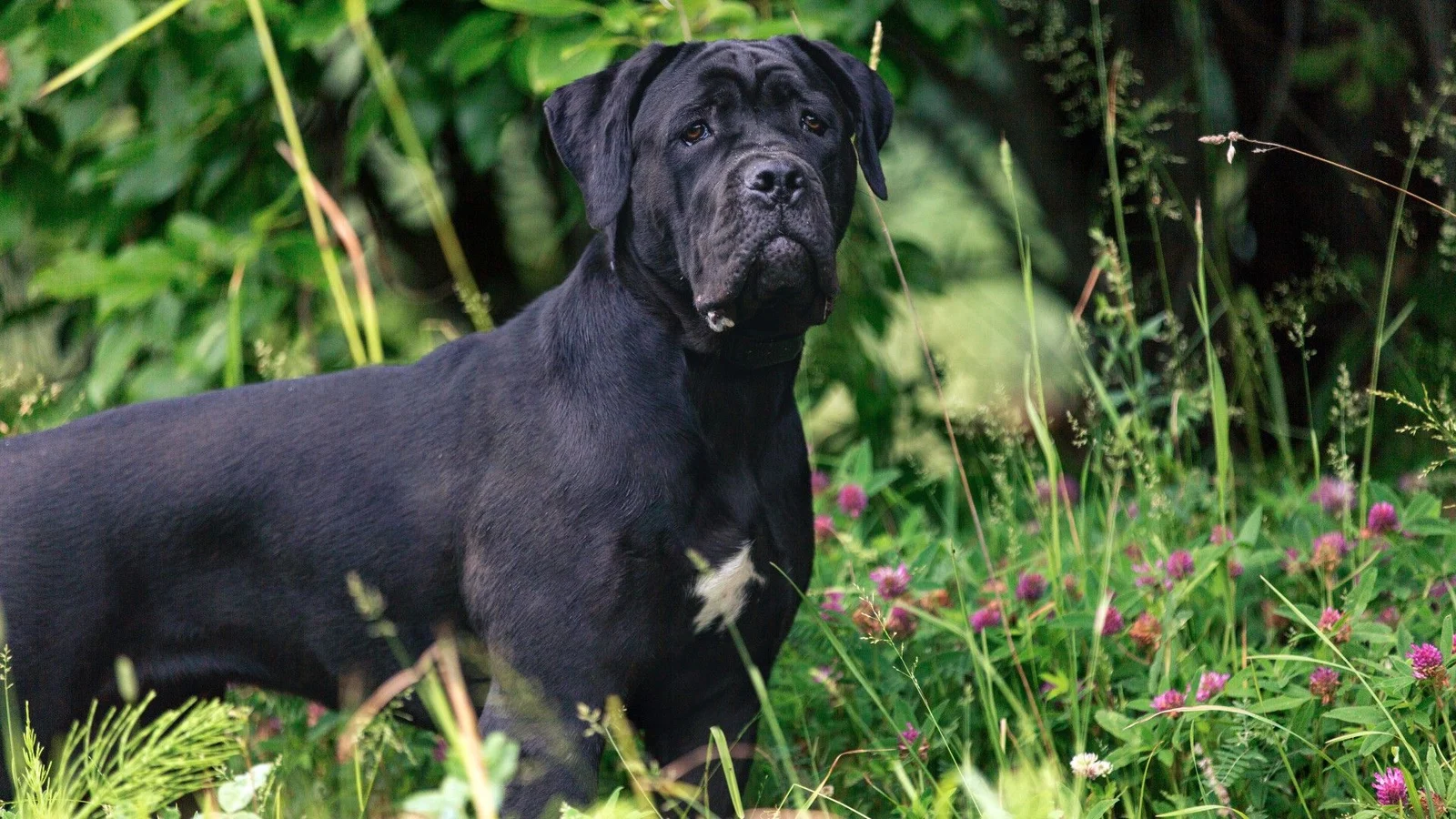
How to Pronounce Cane Corso Correctly — Breed Guide
Have you ever hesitated before saying “Cane Corso” aloud, unsure if you’re getting it right? You’re not alone. This majestic Italian breed’s name often trips up even seasoned dog enthusiasts.
Read more →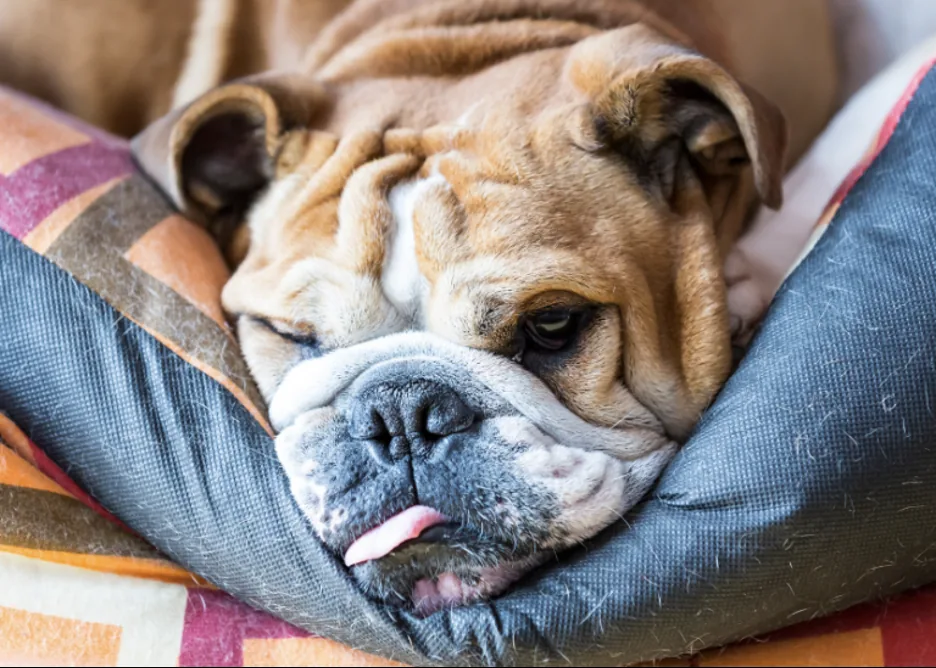
English Bulldog Lifespan — What to Expect and How to Extend It
English Bulldogs are beloved for their distinctive appearance and gentle temperament. However, their unique physical traits contribute to specific health challenges that can impact their lifespan.
Read more →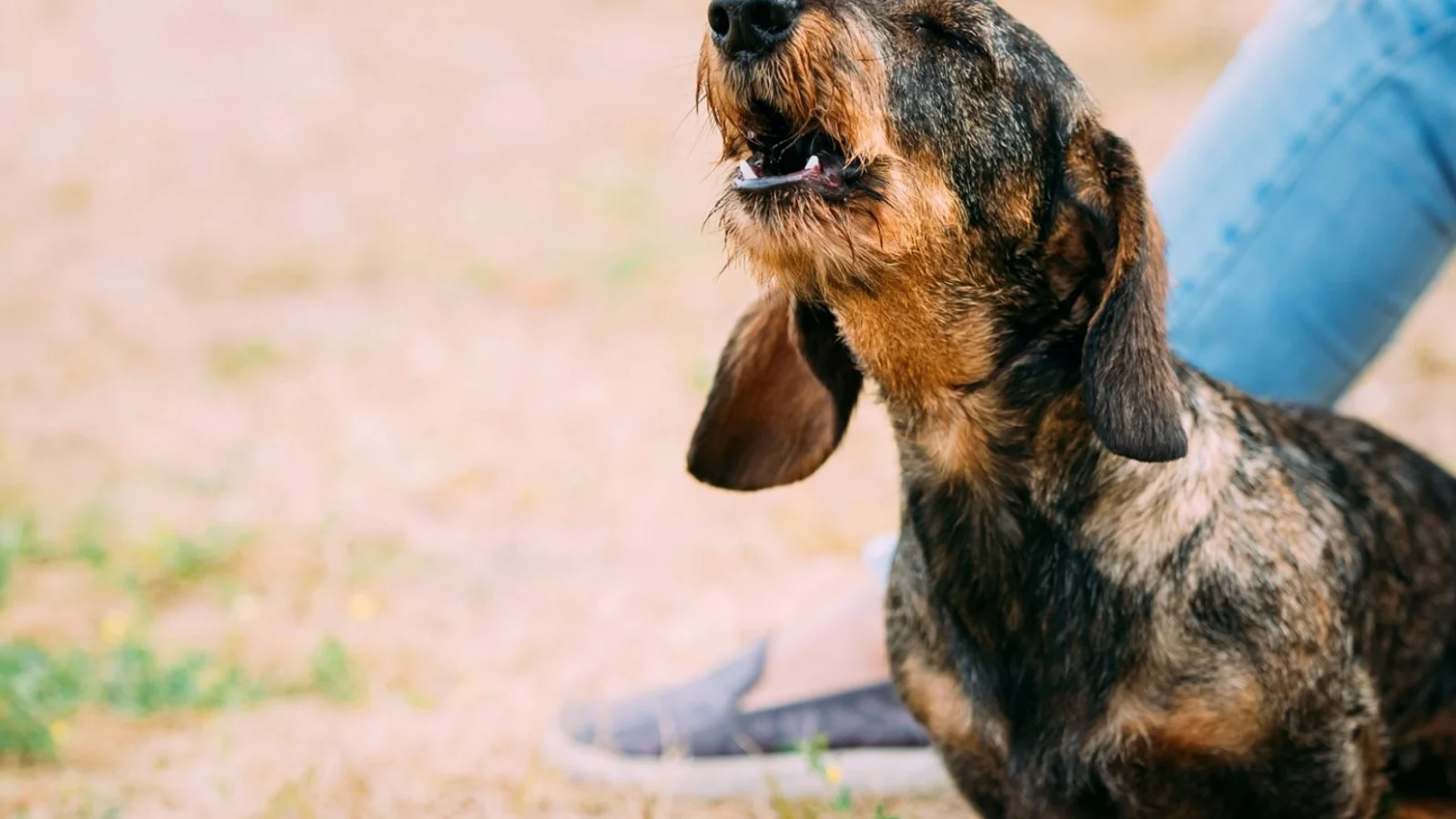
Understanding Why Dogs Bark: 7 Types of Barking Behaviors & Solutions
Discover the 7 common reasons why dogs bark excessively and learn effective training techniques to reduce problem barking. From territorial to attention-seeking behaviors, manage your dog’s communication needs with our expert tips and 24/7 AI PetGPT.
Read more →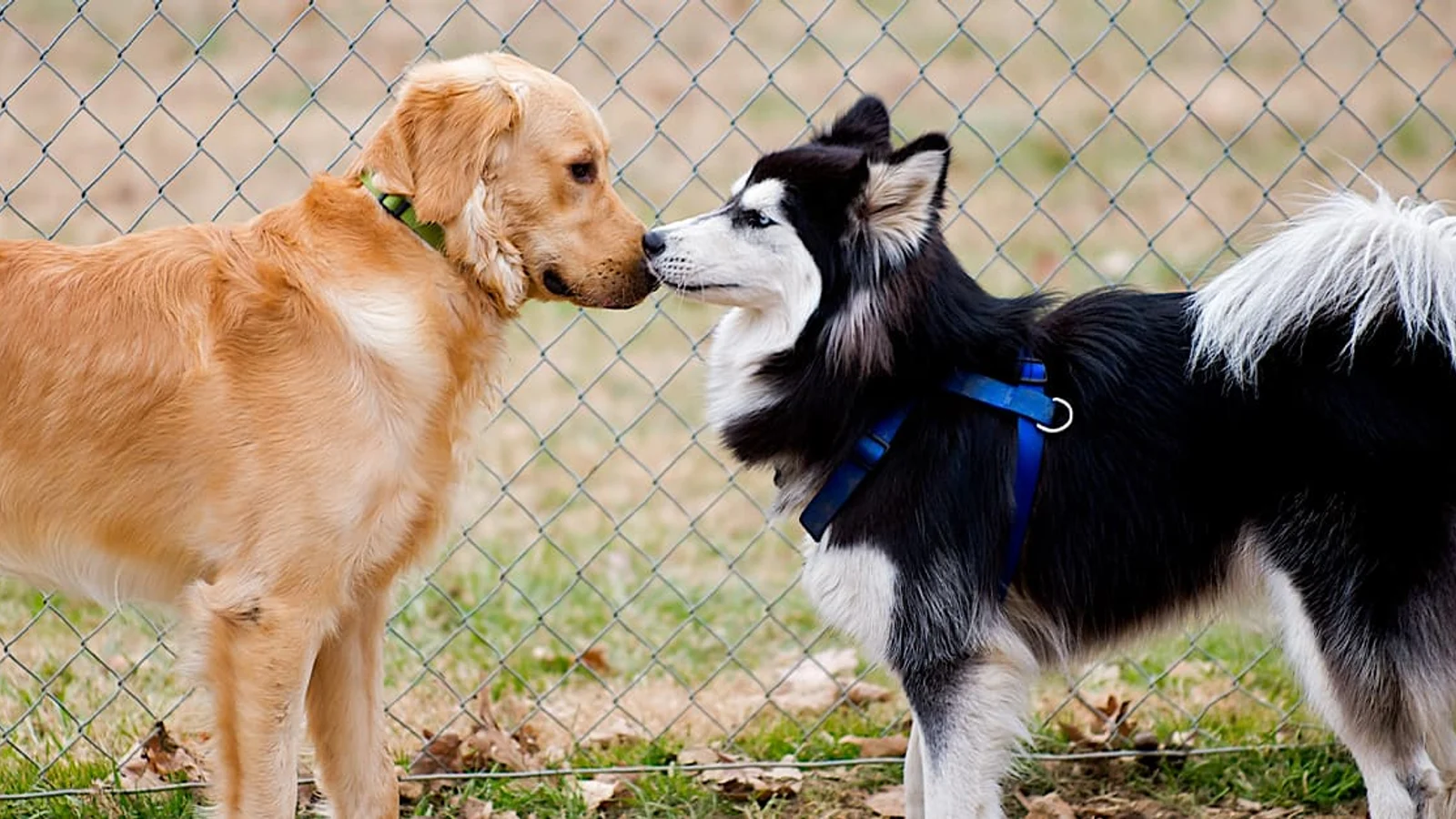
Why Do Dogs Lick Each Other’s Privates? The Surprising Truth
Why do dogs lick each other’s privates? This common canine behavior is more than just grooming—it’s a vital form of social bonding, communication, and health maintenance. Understanding why dogs lick each other’s genital areas reveals important insights into their social cues, hygiene habits, and pack interactions.
Read more →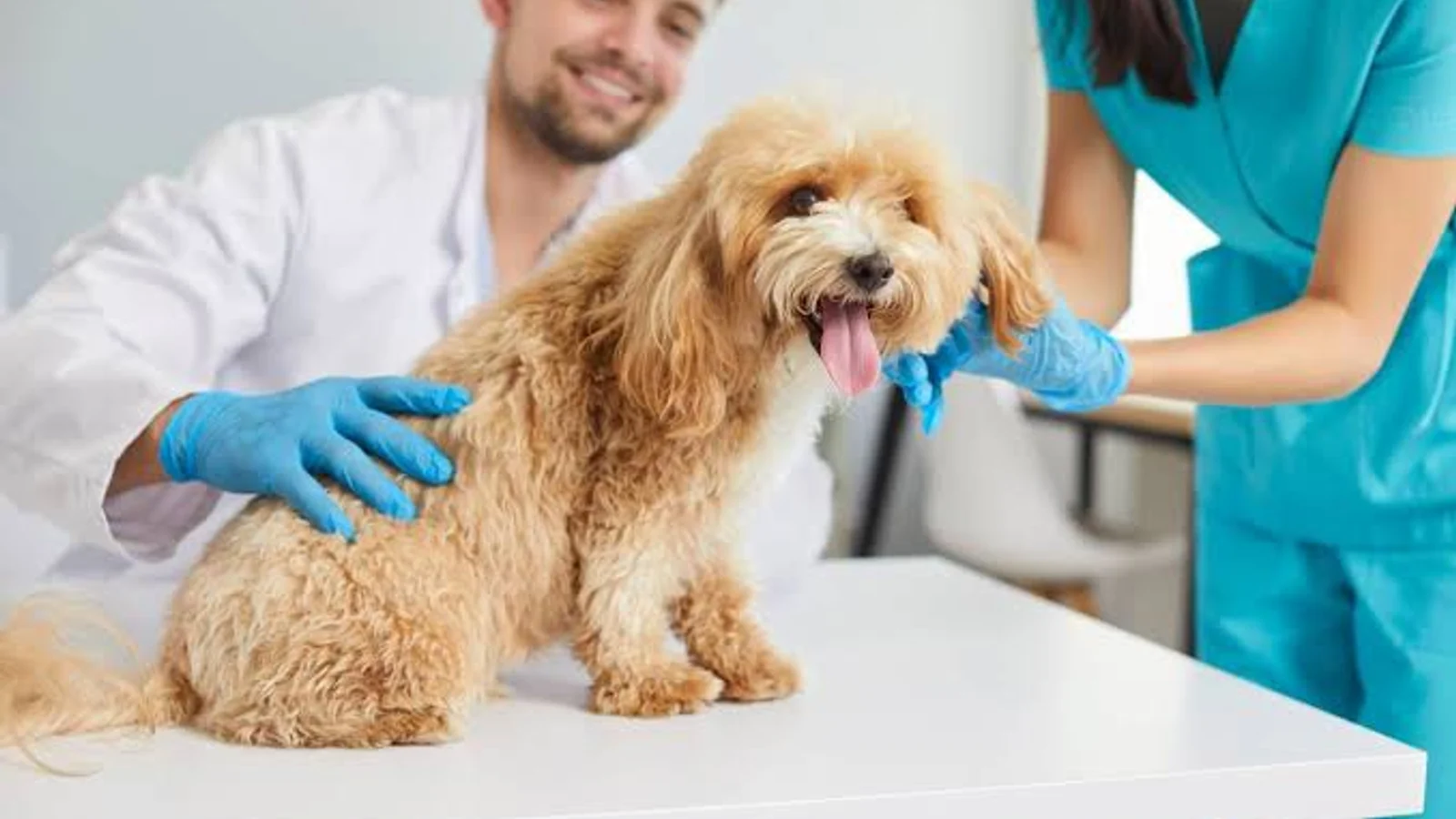
Why Is My Male Dog’s Private Area Swollen and Red? Find Out Now!
Is your male dog’s private area swollen and red, leaving you worried and unsure of what to do next? This common yet concerning issue can be caused by various factors, from infections to allergies. Understanding the underlying reasons is crucial for ensuring your furry friend’s health and comfort.
Read more →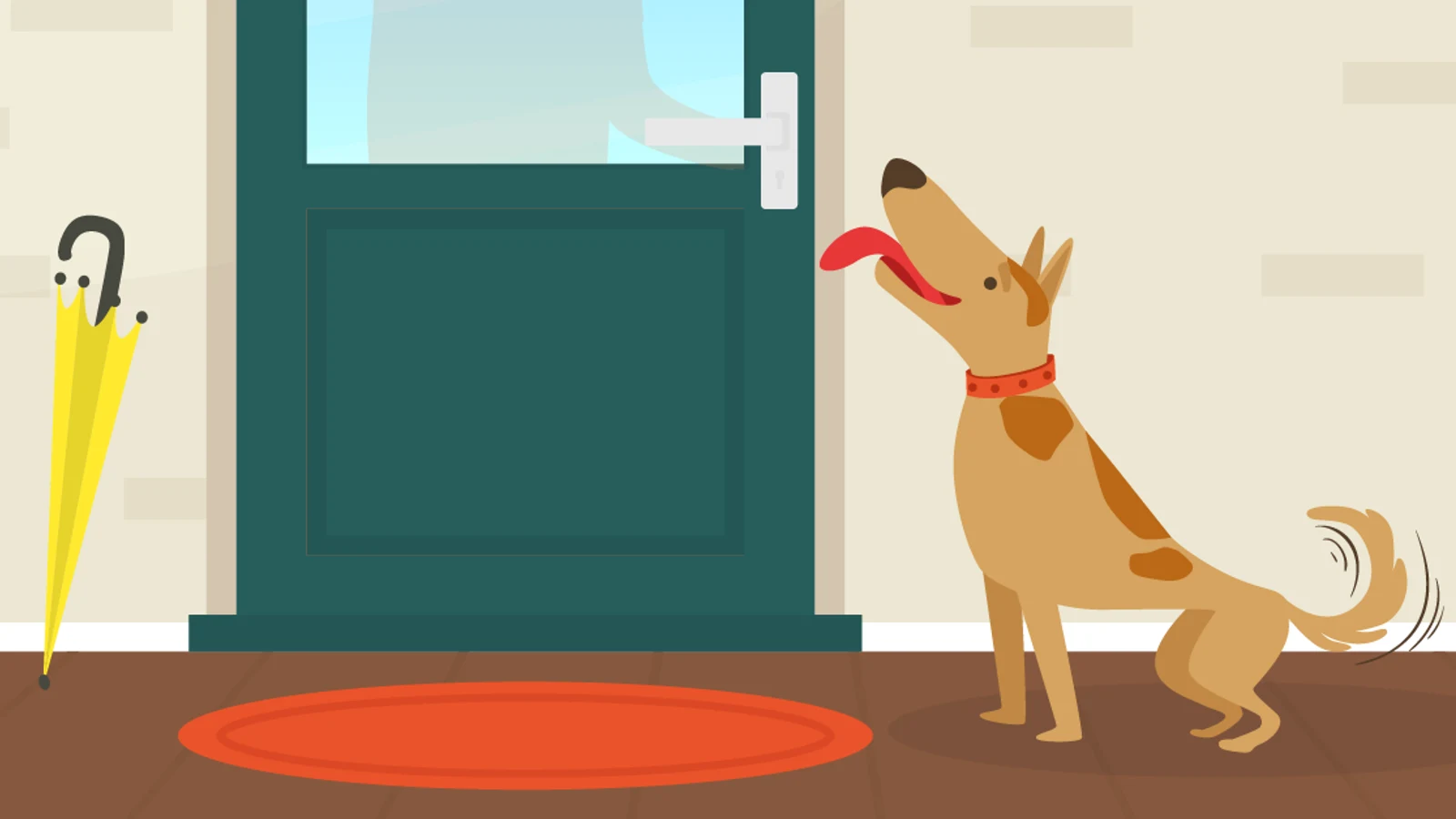
Ease Dog Separation Anxiety: Key Signs and Effective Soothing Techniques
Ease Dog Separation Anxiety: Key Signs and Effective Soothing Techniques are essential for any dog parent noticing symptoms like pacing, whining, or destructive behavior when their pet is alone. Understanding canine separation anxiety and using calming techniques such as anxiety vests, soothing music, or natural remedies can provide much-needed relief and improve your dog’s well-being.
Read more →