
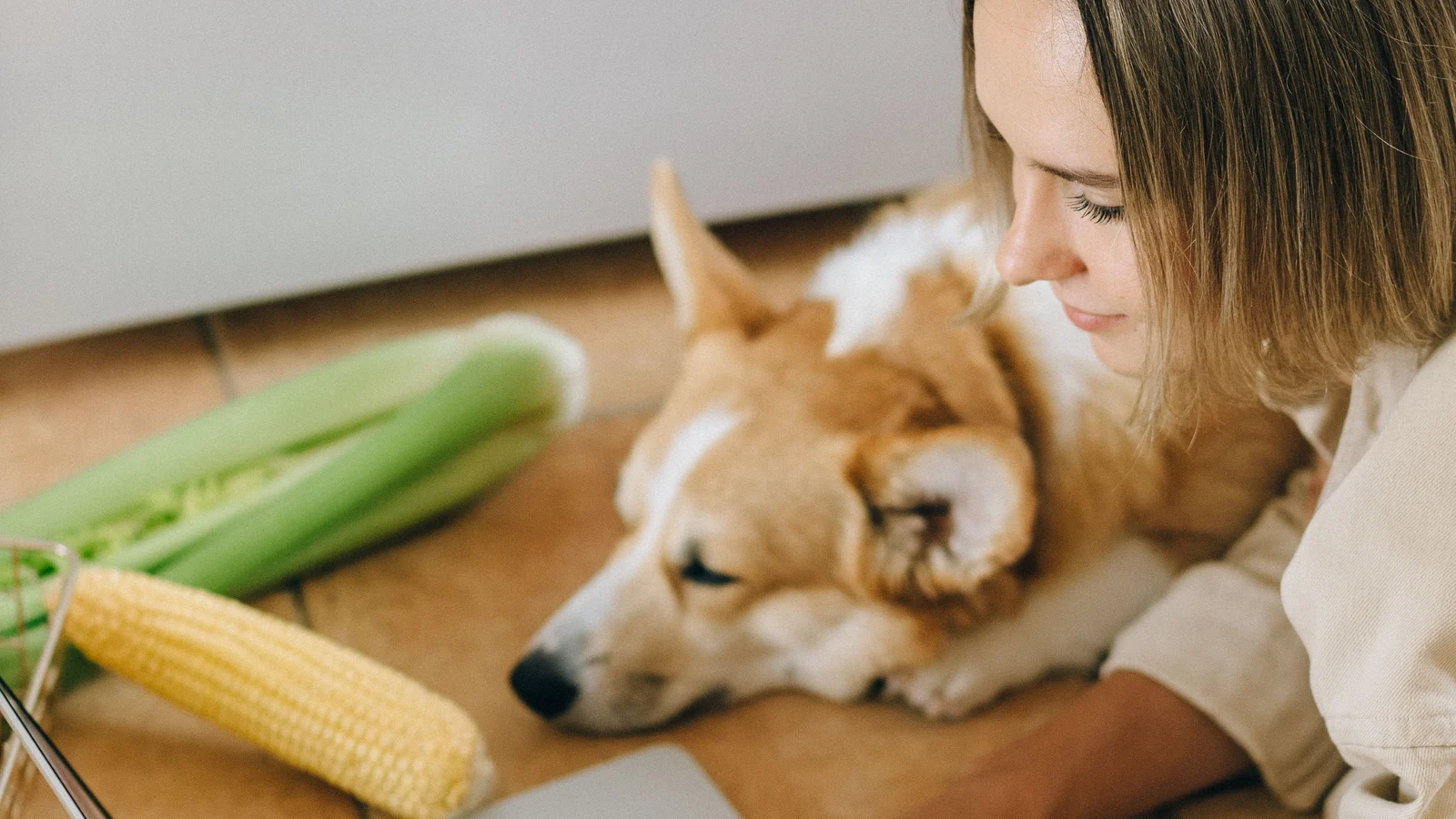
Celery has a reputation as a diet food for people, so it’s no surprise owners wonder whether that crunchy stalk is a smart snack to share with their dog. The good news: celery is one of the safer, healthier vegetables you can offer. The main things to get right are how you prepare it and how much you give.
Here’s what to know about dogs and celery — the benefits, the few ways it can go wrong, how much is sensible, and how to serve it safely.
Can dogs eat celery?
Yes. Celery is non-toxic and safe for dogs, and it’s often recommended as a low-calorie, crunchy treat. Raw or cooked, as long as it’s plain and cut into manageable pieces, celery is a healthy snack most dogs can enjoy. The only real cautions are practical ones: the stringy stalks can be a choking hazard if served in big chunks, and — like any new food — too much too fast can upset a dog’s stomach.
Is celery good for dogs?
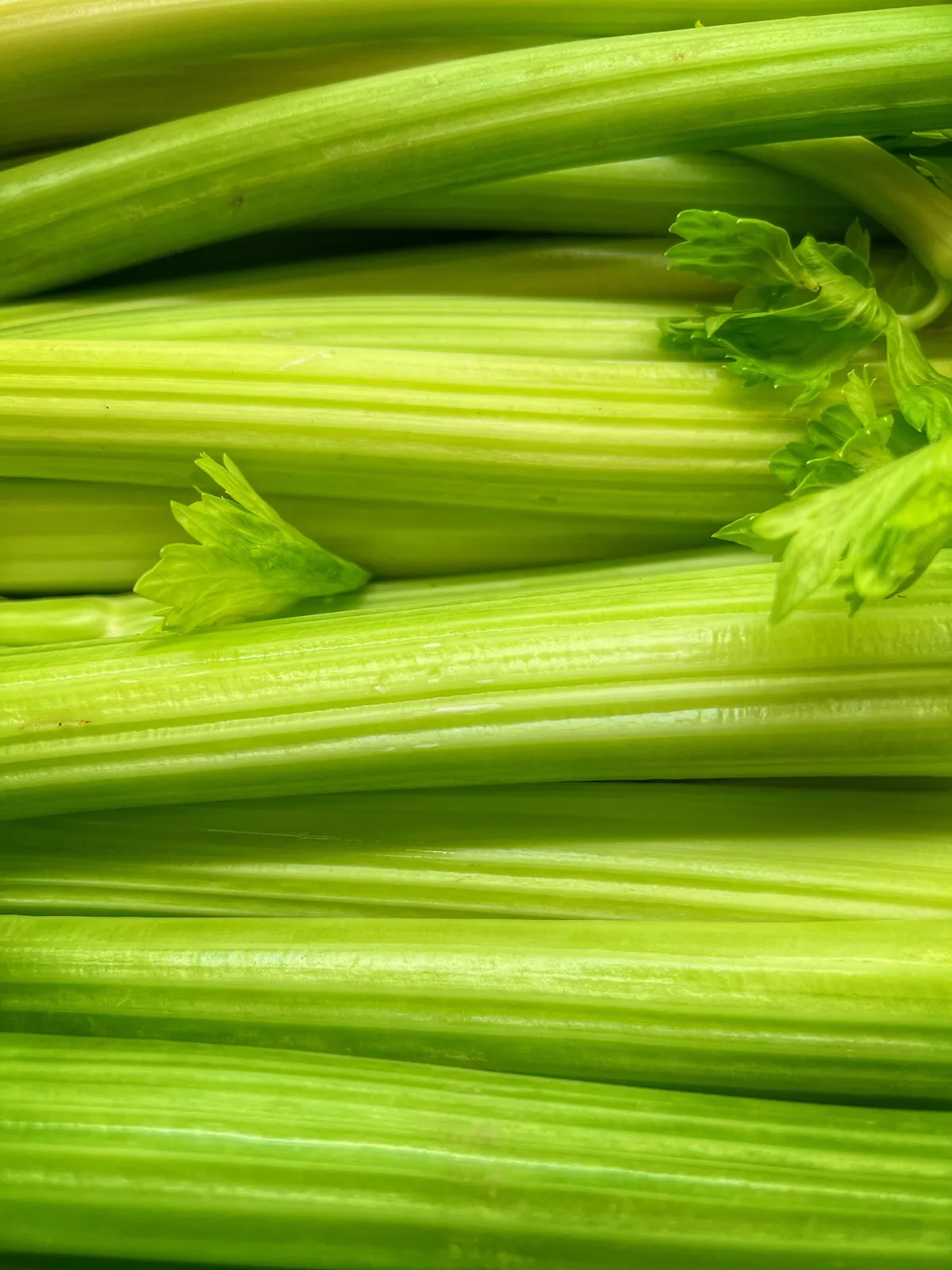
It’s genuinely one of the better vegetable treats:
- Low in calories: celery is mostly water, making it a filling, guilt-free snack that’s popular for overweight dogs.
- Vitamins and fiber: it provides vitamins A, C, and K, plus potassium and fiber to support digestion.
- Hydrating and crunchy: its high water content and satisfying crunch make it a refreshing treat, and some owners find it helps freshen doggy breath.
For a dog who loves to crunch, celery is about as wholesome as human-food treats get.
When celery can be a problem
Choking and the stringy strands
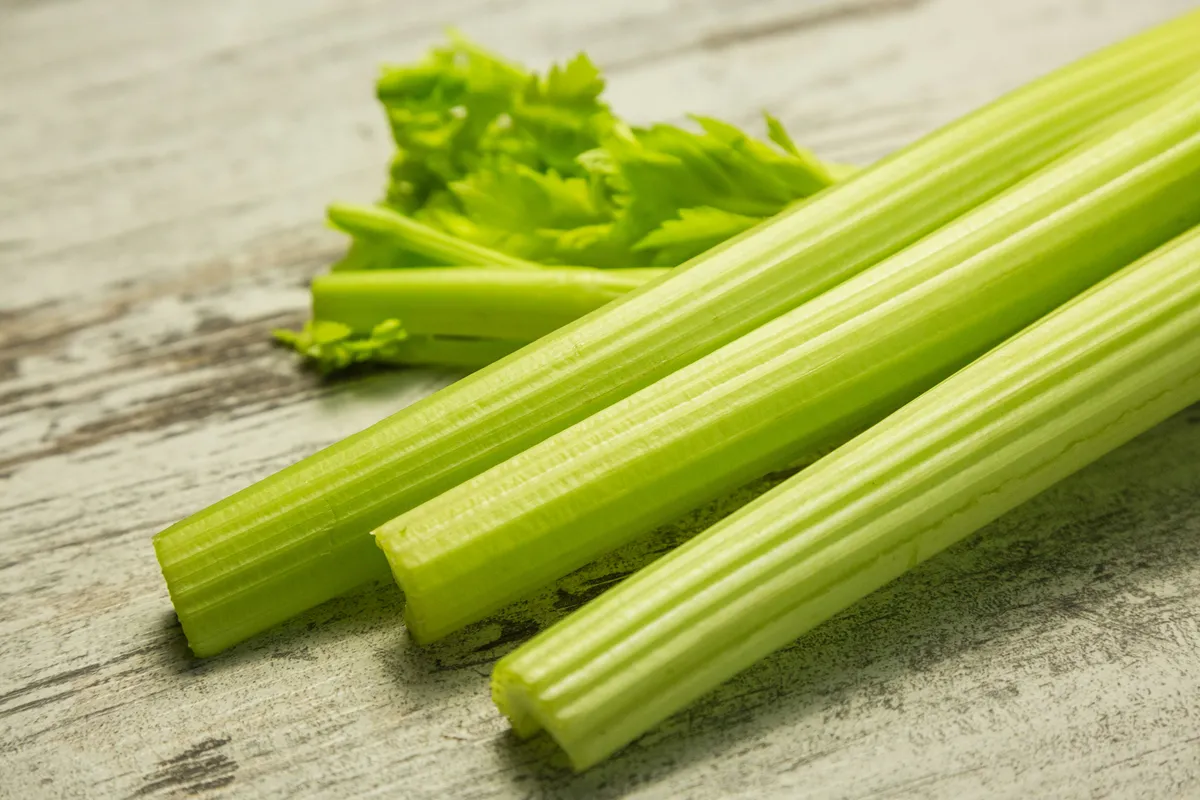
Celery’s fibrous strings and firm texture make large pieces a choking hazard, especially for small dogs. Always cut celery into bite-sized pieces before offering it, and supervise your dog while they eat.
Too much at once
Celery is high in fiber, so a large amount can cause gas, loose stool, or an upset stomach. It’s a treat, not a meal — keep portions modest.
Seasonings and add-ons
Plain is the rule. Celery served with salt, dips, peanut butter loaded with xylitol, or as part of a seasoned dish isn’t safe. Skip anything added and offer the stalk on its own.
More frequent bathroom trips
Because celery is mostly water and acts as a mild diuretic, a dog who eats a lot may need to urinate more often — harmless, but worth knowing if you’re wondering why.
How much celery can a dog eat?
Stick to the 10% rule: treats, celery included, should be no more than 10% of your dog’s daily calories. In practice that means a few small pieces for a little dog and a bit more for a large one, as an occasional snack. Introduce it gradually and watch how your dog’s stomach handles the extra fiber. Celery’s low calorie count makes it a great choice for dogs watching their weight, but moderation still applies.
How to feed celery to your dog
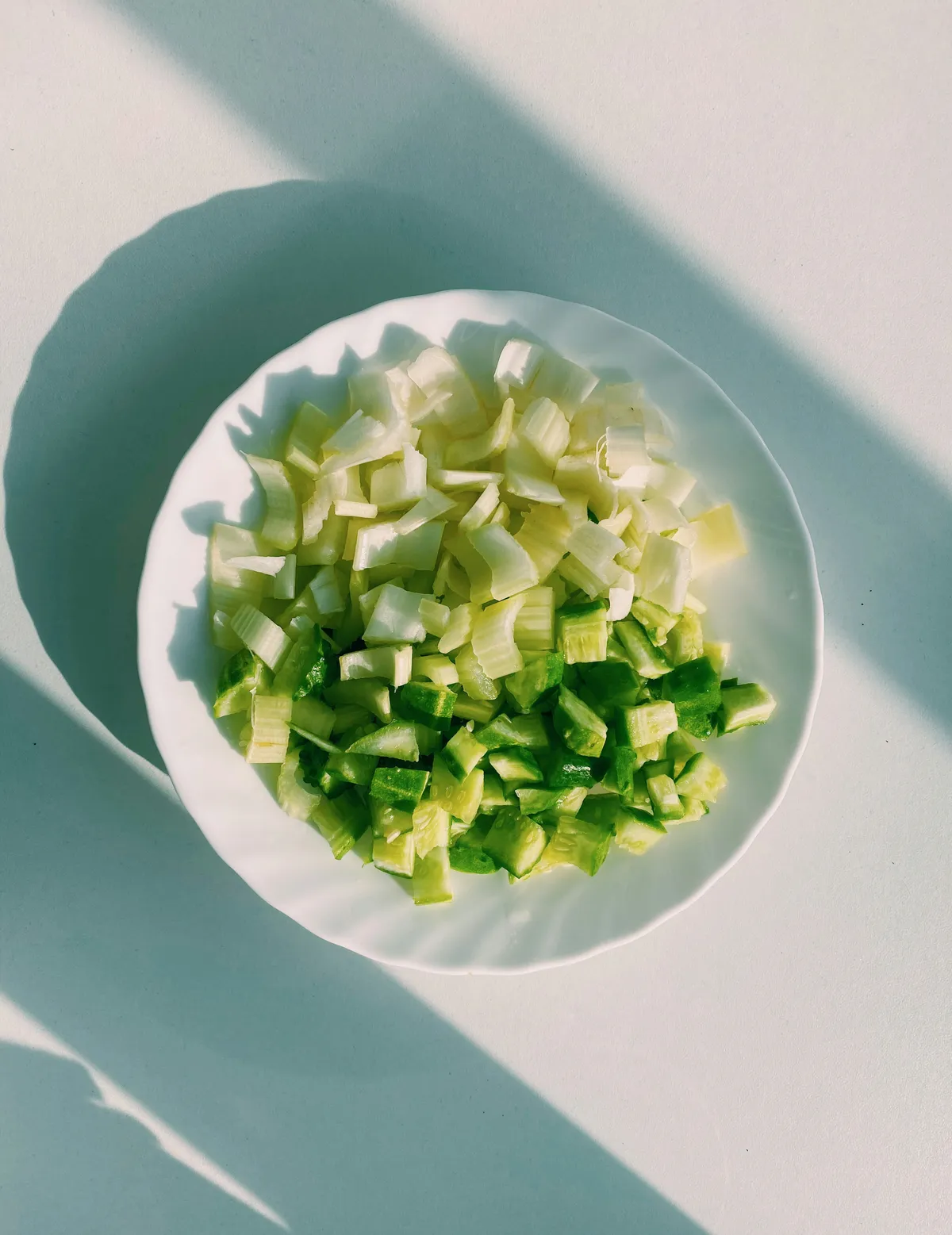
- Wash it well: rinse the stalk to remove dirt and any residue.
- Cut into bite-sized pieces: small chunks prevent choking and are easier to chew than long, stringy stalks.
- Serve it plain: no salt, dips, dressing, or seasoning.
- Raw or cooked both work: plain cooked celery is softer and easier for seniors or small dogs; raw keeps the crunch.
- Try it as a topper or stuffing: a few small pieces mixed into dinner, or tucked into a puzzle toy, make a nice low-calorie reward.
What if my dog ate a lot of celery?
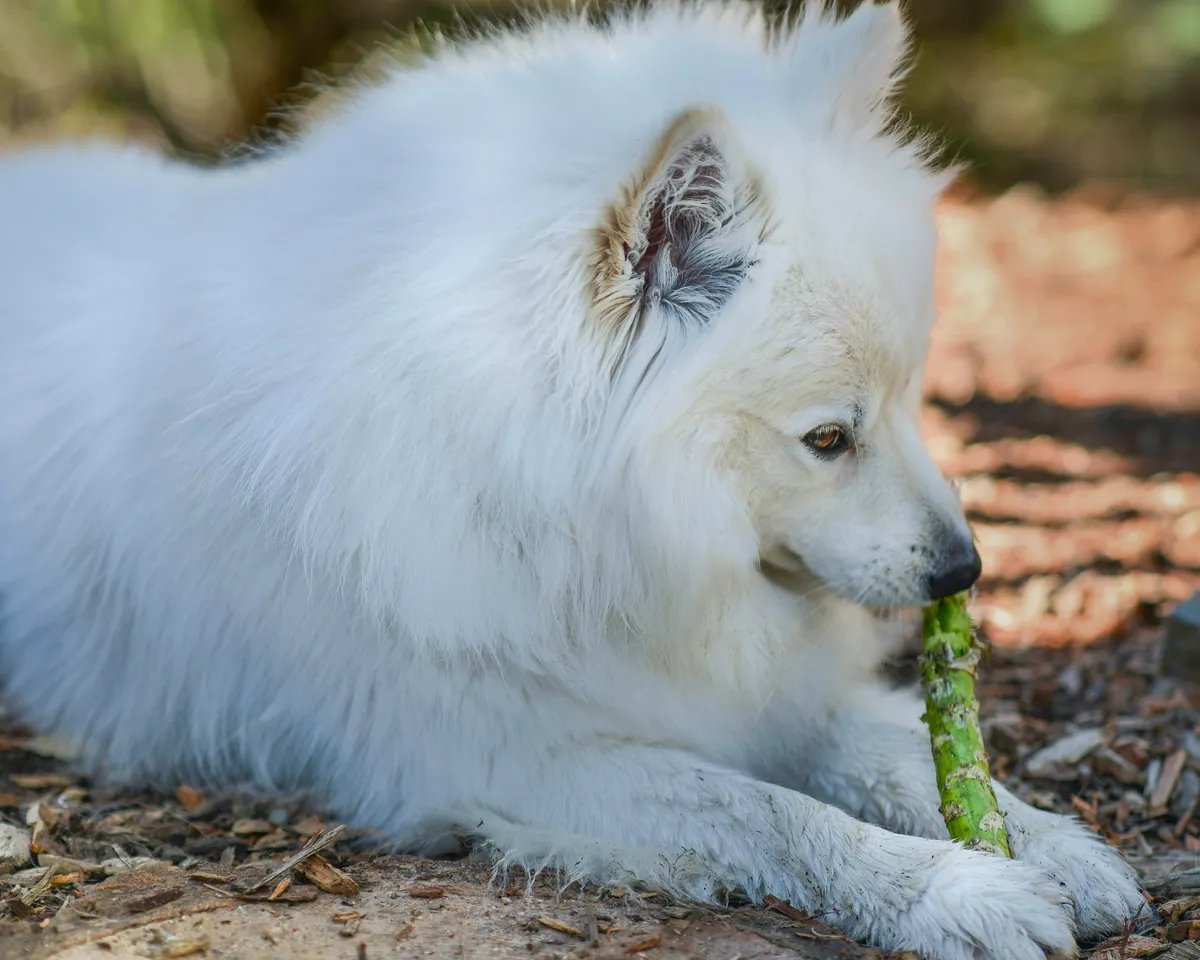
Celery isn’t toxic, so a dog who ate more than intended is unlikely to be in danger — the most probable outcome is an upset stomach, gas, or loose stool from the extra fiber, plus some extra trips outside to pee. Keep fresh water available and watch for vomiting or diarrhea over the next day. The one thing to take more seriously is choking: if your dog swallowed a large, stringy piece and is coughing, gagging, pawing at their mouth, or struggling to breathe, treat it as an emergency and contact your vet right away. When in doubt about how your dog is doing, a quick call to your vet is always reasonable.
Reading your dog beyond the treat
Choosing safe snacks is one piece of caring for a dog; understanding what they’re asking for is another. Dogs tell us a lot — about hunger, boredom, and how they’re feeling — and learning to read those cues is what Traini is built for: translating your dog’s behavior and signals into plain language so you can respond with confidence. When your dog is begging nonstop or seems unsettled after eating something new, you can ask PetGPT about your specific situation. For more on healthy snacks and the dinner table, see our guides on potatoes, green beans, and pumpkin.
Frequently asked questions
Can dogs eat raw celery?
Yes. Raw plain celery is safe and keeps its crunch and nutrients. Just wash it and cut it into bite-sized pieces to prevent choking, especially for small dogs.
Is celery good for dogs to lose weight?
It can be. Celery is very low in calories and high in water and fiber, which makes it a filling, low-calorie treat for dogs watching their weight. Offer it plain and in moderation, and check with your vet about major diet changes.
Can dogs eat celery leaves?
The leaves are not toxic and are safe in small amounts, though most dogs are more interested in the stalk. As always, serve plain, washed, and in small pieces.
Can dogs eat celery with peanut butter?
Only with care. Plain celery is fine, but make sure any peanut butter is free of xylitol, a sweetener that’s toxic to dogs. Use just a thin smear of a xylitol-free, low-salt peanut butter as an occasional treat.
This article is for general information and isn’t a substitute for professional veterinary advice. If your dog is choking, or shows persistent vomiting, diarrhea, or other concerning symptoms after eating celery, please contact your veterinarian.