
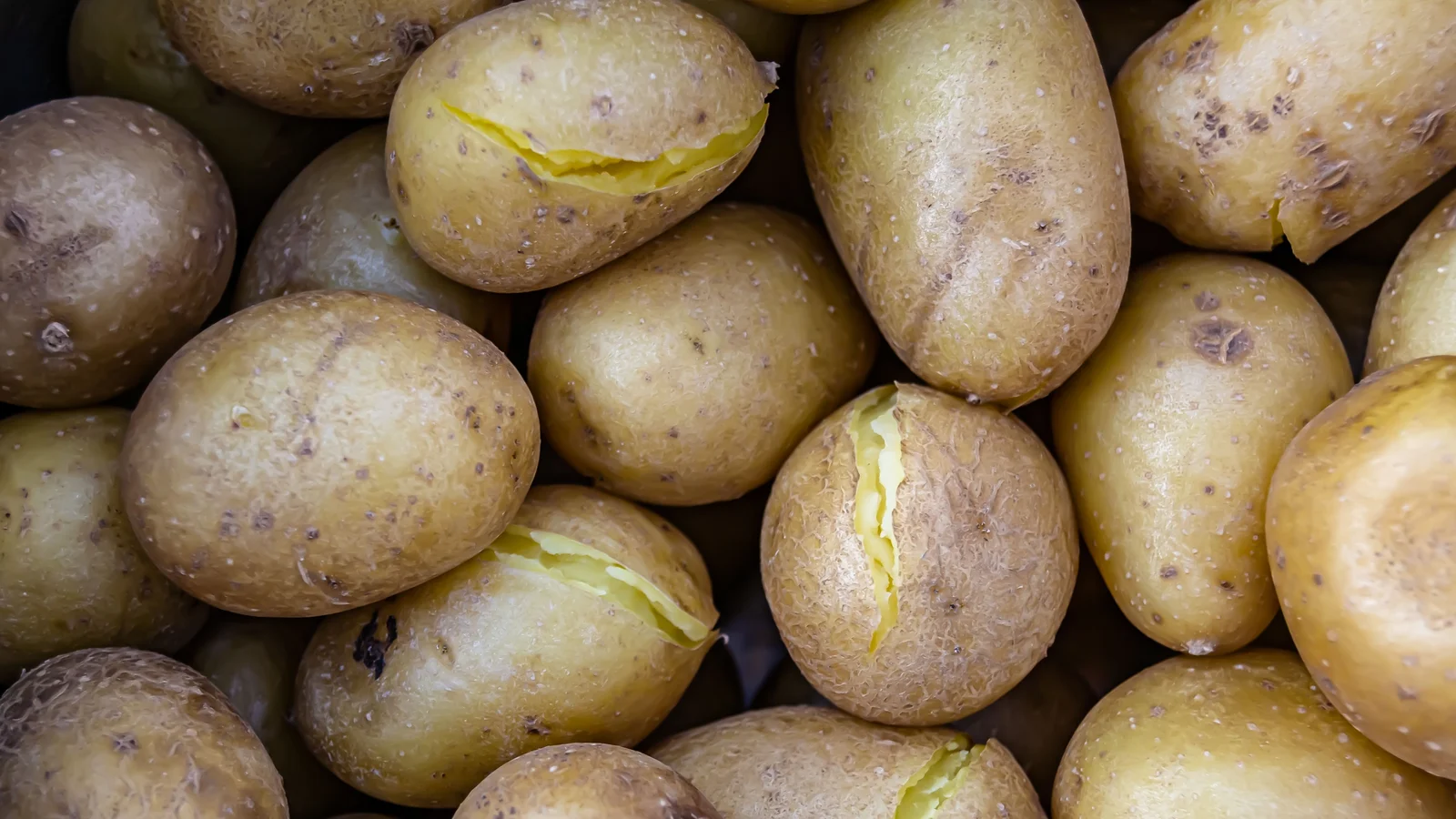
Potatoes are everywhere in our kitchens — boiled, baked, mashed, fried — so it’s natural to wonder whether it’s safe to share a bite with the dog hovering by the counter. The answer is a qualified yes: a plain, cooked potato is fine for most dogs, but raw potatoes and the rich, salty ways we usually serve them are a different matter entirely.
Here’s exactly when potatoes are safe for dogs, when they become a problem, how much is sensible, and what to do if your dog gets into something they shouldn’t.
Can dogs eat potatoes?
Yes — but only plain, cooked potatoes. A boiled or baked potato with nothing added is safe for most healthy dogs in moderation, which is why potato even shows up as an ingredient in some dog foods. Two things flip it from safe to risky: serving it raw, and serving it the way people usually eat it — mashed with butter and salt, fried, or loaded with garlic and onion. The potato itself is fine; the preparation is where the trouble starts.
Are potatoes good for dogs?
In small amounts, a plain cooked potato offers some nutritional value:
- Vitamins and minerals: potatoes provide vitamin C, vitamin B6, potassium, and some fiber.
- Energy: they’re a source of carbohydrates, which is why cooked potato appears in some commercial dog foods.
That said, potatoes are starchy and calorie-dense, so they’re an occasional treat rather than a staple. Dogs with diabetes or weight issues should have them only with a vet’s okay, since the starch affects blood sugar. If your dog eats a complete, balanced diet, they don’t need potato — it’s a bonus bite, not a requirement.
When potatoes can be dangerous
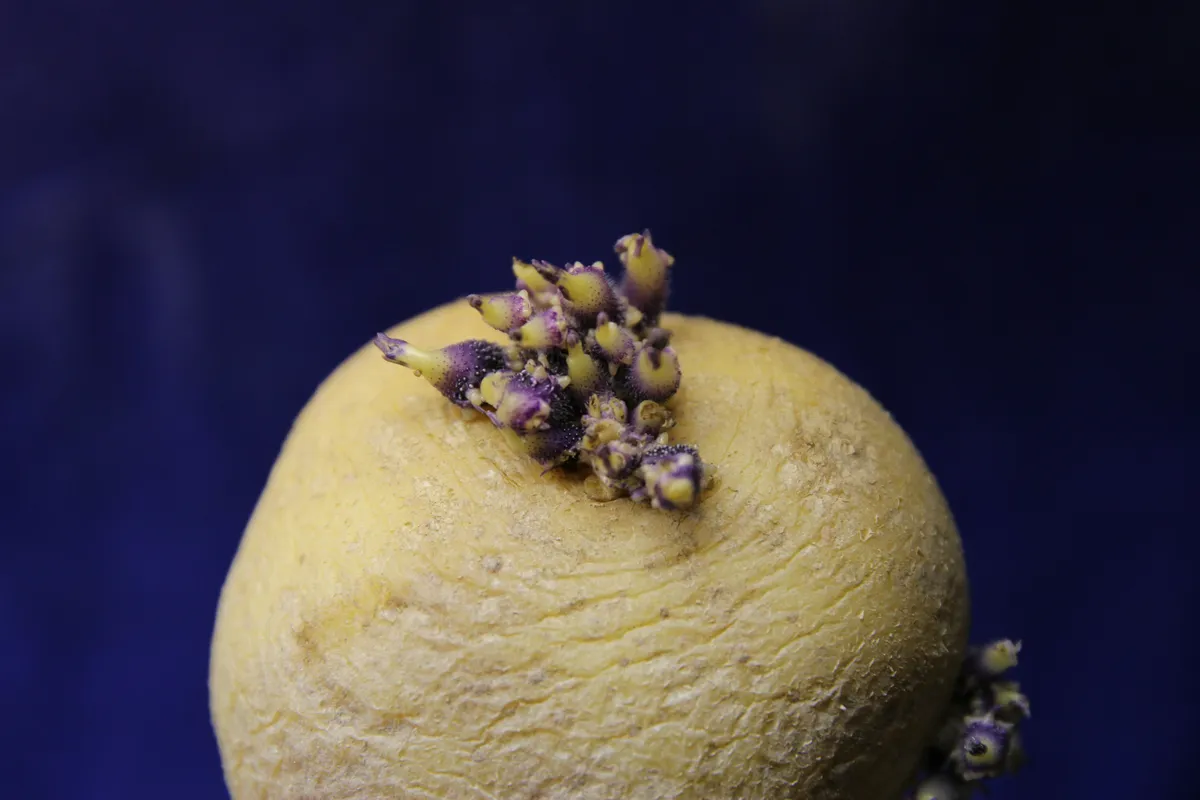
Raw and green potatoes
This is the big one. Raw potatoes — and any potato that’s green or sprouting — contain solanine, a compound that’s toxic to dogs. Cooking destroys most of it, which is why cooked is safe and raw is not. Keep raw potatoes, peels, and especially green or sprouted ones out of reach.
Mashed, fried, and loaded potatoes
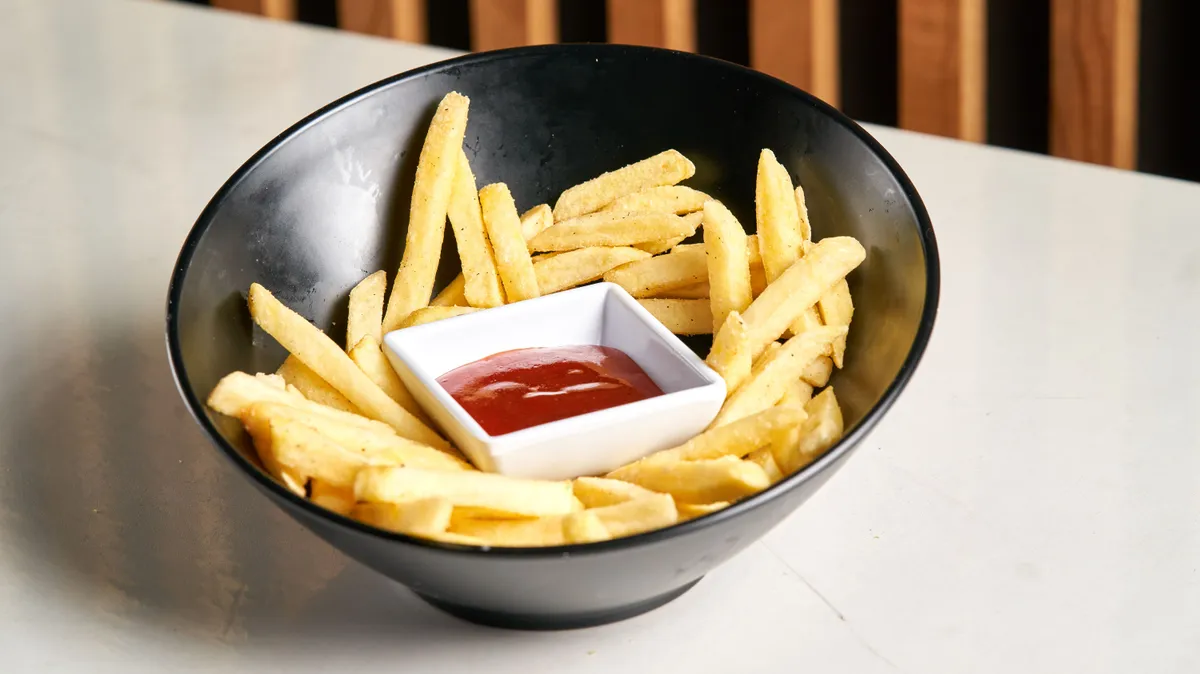
The way potatoes usually reach the table is the problem: mashed potatoes are full of butter, cream, and salt; fries and chips are greasy and heavily salted; and many recipes include garlic and onion, which are toxic to dogs. A plain bite is fine, but these rich versions can cause stomach upset or worse.
Too much starch
Even plain, too much potato adds a lot of starch and calories, which can upset digestion and isn’t ideal for weight or blood sugar. Moderation matters.
How many potatoes can a dog eat?
Follow the 10% rule: treats, potato included, should make up no more than 10% of your dog’s daily calories. Because potatoes are starchy, keep portions small — a bite or two of plain cooked potato for a small dog, a little more for a large one, as an occasional treat rather than a regular one. Introduce it slowly and watch how your dog’s stomach responds. If your dog is diabetic, overweight, or has other health issues, check with your vet before offering potato at all.
How to feed potatoes to your dog
- Always cook it: boil or bake plain — never serve raw potato.
- Keep it plain: no butter, salt, oil, garlic, onion, gravy, or toppings of any kind.
- Peel and remove any green: discard peels and any green or sprouted parts.
- Cut into small pieces: plain cubes are easy to eat and portion.
- Skip fries, chips, and mash: these are too salty, greasy, or rich for dogs.
What if my dog ate raw or seasoned potato?
A bite of plain cooked potato is nothing to worry about. The situations that warrant attention are different: if your dog ate a raw, green, or sprouted potato, watch for signs of solanine toxicity — vomiting, diarrhea, lethargy, weakness, or confusion — and call your vet, especially if they ate a lot. If they got into mashed potatoes or a dish made with garlic or onion, a small amount usually means a possible upset stomach, but a larger amount of an onion- or garlic-containing dish deserves a vet call, since those ingredients are toxic. When you’re unsure how much or what exactly your dog ate, contact your vet or an animal poison control line for advice.
Reading your dog beyond the food bowl
Knowing which foods are safe is one part of caring for a dog; reading what they’re telling you is another. Dogs communicate constantly — about hunger, discomfort, and whether that counter-surfing is habit or genuine need — and learning to interpret those signals is what Traini is built for: translating your dog’s behavior into plain language so you can respond to what they actually need. When your dog won’t stop begging or seems off after a meal, you can ask PetGPT about your specific situation. For more on everyday and holiday foods, see our guides on celery, green beans, and turkey.
Frequently asked questions
Can dogs eat mashed potatoes?
Plain mashed potato with nothing added is okay in tiny amounts, but most mashed potatoes contain butter, cream, salt, and sometimes garlic — none of which are good for dogs. It’s safest to skip the mash and offer a little plain cooked potato instead.
Can dogs eat raw potatoes?
No. Raw potatoes contain solanine, which is toxic to dogs, and green or sprouted potatoes are especially risky. Always cook potatoes plain before sharing, and keep raw ones out of reach.
Can dogs eat sweet potatoes instead?
Plain cooked sweet potato is also safe for dogs in moderation and is a popular, nutritious option. As with regular potatoes, serve it plain and cooked — never raw and never with added butter, salt, or seasonings.
Can dogs eat french fries?
It’s best not to share them. Fries are deep-fried, salty, and often seasoned, which can upset a dog’s stomach and isn’t good for them. A stray fry won’t usually cause harm, but fries shouldn’t be a treat.
This article is for general information and isn’t a substitute for professional veterinary advice. If your dog has eaten raw or green potato, or a dish containing garlic or onion, or shows symptoms like vomiting, weakness, or lethargy, please contact your veterinarian or an animal poison control center.