

Pumpkin shows up everywhere in the fall — on porches, in lattes, and increasingly in conversations about dogs, where it has a reputation as a kind of natural remedy for upset tummies. If you’ve wondered whether you can share a spoonful of pumpkin with your dog, or whether that slice of pumpkin pie is fair game, the answer is reassuringly simple for one and a firm no for the other.
Here’s what kind of pumpkin is safe for dogs, the real health benefits behind its tummy-soothing reputation, when it can cause problems, and exactly how much to feed.
Can dogs eat pumpkin?
Yes — plain pumpkin is not only safe for dogs, it’s genuinely good for them. Cooked fresh pumpkin or plain canned pumpkin (100% pumpkin purée, with nothing added) is a healthy, dog-friendly food that many vets actively recommend. The important distinction is between plain pumpkin and pumpkin pie filling: canned pie filling is loaded with sugar and spices like nutmeg that aren’t good for dogs, so always check the label and reach for pure pumpkin, not the pie mix.
Health benefits of pumpkin for dogs
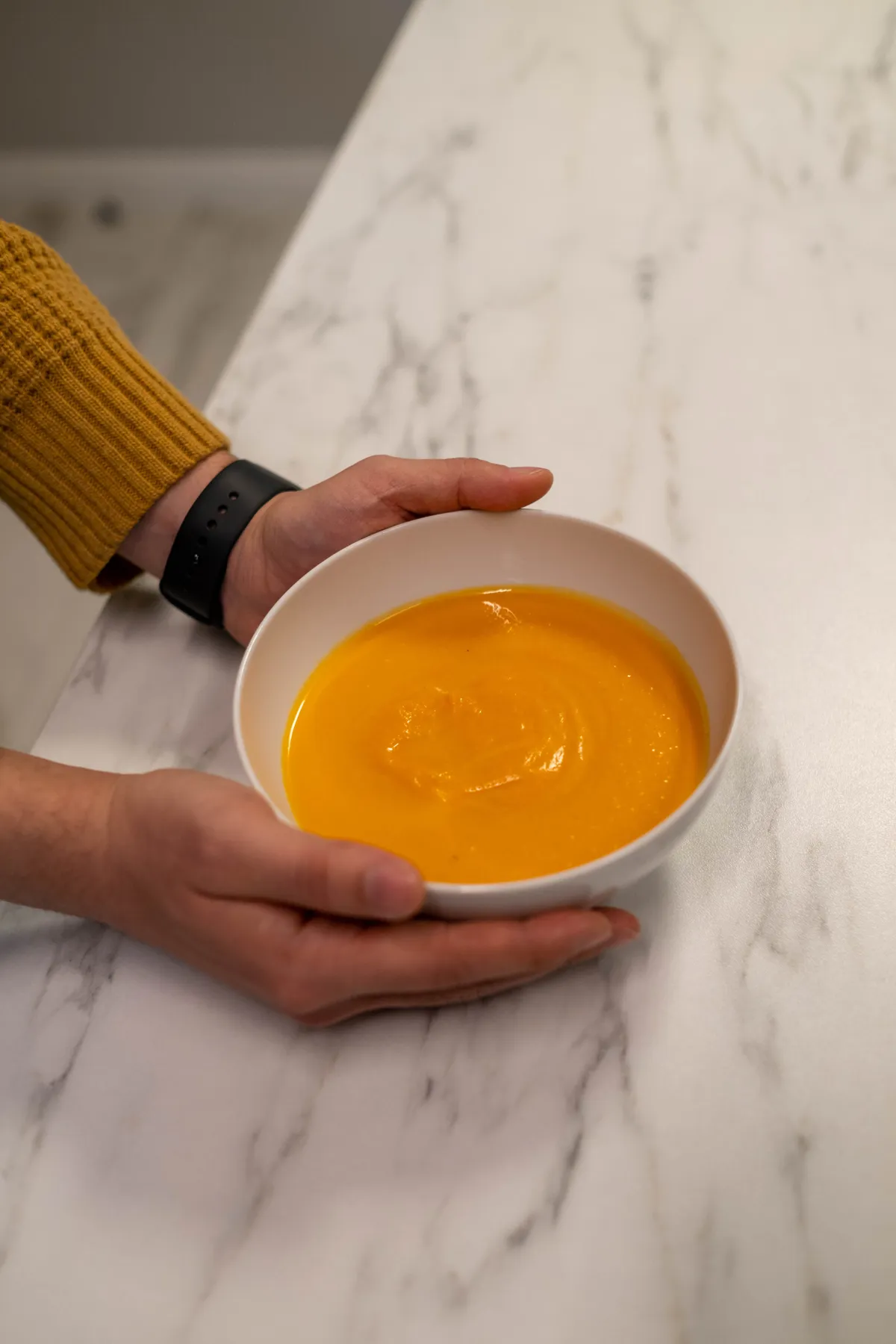
Pumpkin’s biggest claim to fame is its fiber. The soluble fiber adds bulk to your dog’s stool and can help firm up mild diarrhea, while also gently relieving constipation — which is why it’s such a popular home remedy for minor digestive upsets. Beyond fiber, pumpkin is rich in water and nutrients like vitamin A, vitamin C, potassium, and antioxidants, and it’s naturally low in calories. That combination makes a spoonful of pumpkin a nutritious, low-guilt addition to your dog’s bowl and a useful tool for supporting healthy digestion.
When pumpkin is bad for dogs

Pumpkin pie and pie filling
Canned pumpkin pie filling — and pie itself — contains sugar, and often spices like nutmeg and cinnamon. Nutmeg in particular contains a compound that’s toxic to dogs in larger amounts, and the sugar and fat aren’t good for them either. Keep pie firmly off the menu and stick to plain purée.
Raw pumpkin and the stem or skin
Raw pumpkin flesh is hard to digest, and the stringy pulp, stem, and tough skin can be difficult or even risky for your dog to chew and swallow. Cooked, plain pumpkin flesh — or plain canned purée — is far safer and easier on their stomach.
Too much, too fast
Pumpkin is helpful in small amounts, but overdoing it backfires. Too much fiber can cause loose stools or the opposite problem, and the high vitamin A content can be harmful in very large quantities over time. More is not better — a little goes a long way.
How much pumpkin can a dog eat?
A good rule of thumb is roughly 1 teaspoon of plain pumpkin per 10 pounds of body weight per day. That means a small dog might get a teaspoon, while a large dog could have a tablespoon or two mixed into their food. Start with a smaller amount to see how your dog’s stomach handles it, and treat pumpkin as a supplement to a balanced diet, not a replacement for meals. If you’re using pumpkin to manage an ongoing digestive issue, loop in your vet rather than relying on it alone.
How to feed your dog pumpkin
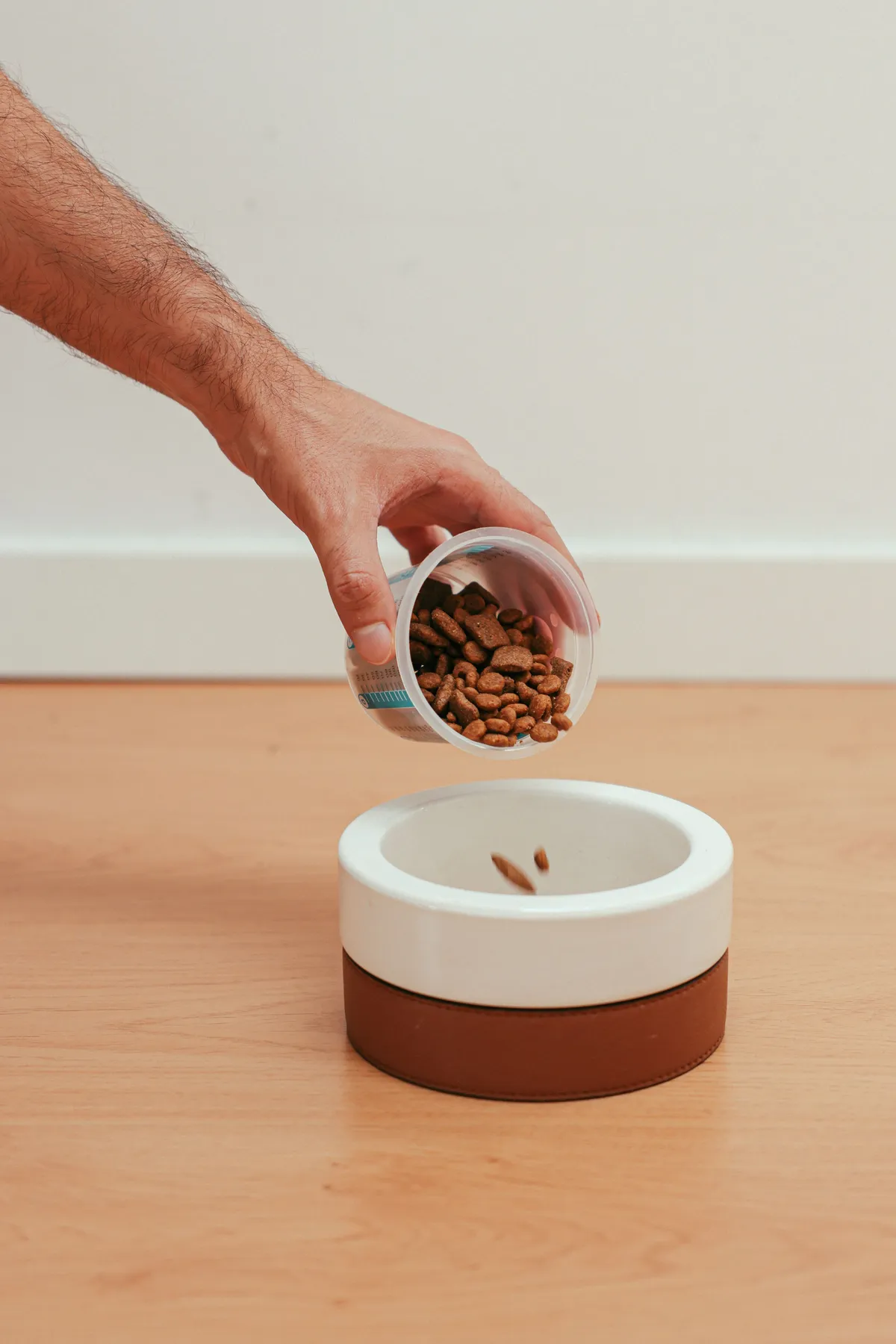
- Choose the right pumpkin: use plain cooked fresh pumpkin or 100% canned pumpkin purée — never pie filling, and check the label for added sugar or spices.
- Keep it plain: no butter, salt, sugar, or seasoning of any kind.
- Mix it into meals: stir a measured spoonful into your dog’s regular food, or freeze small portions in an ice cube tray for a cool treat.
- Start small: introduce a little at first and watch how their digestion responds before making it a regular addition.
- Store leftovers safely: opened canned pumpkin keeps only a few days in the fridge — freeze the rest so it doesn’t spoil.
Pumpkin for specific situations
Mild diarrhea or constipation
This is pumpkin’s best-known use. The soluble fiber can help firm up loose stools and ease mild constipation alike. It’s a reasonable first step for a minor, one-off upset — but persistent or severe digestive problems always warrant a vet visit rather than more pumpkin.
Weight management
Because it’s filling and low in calories, a little pumpkin mixed into meals can help a dog on a diet feel satisfied without extra calories. Ask your vet how to fit it into a weight-loss plan.
Picky or sensitive eaters
The soft texture and mild flavor make pumpkin an easy addition for dogs with delicate stomachs, and it’s often part of the bland diets vets recommend during recovery from an upset tummy.
Reading your dog beyond the food bowl
Pumpkin can be a lovely, healthy addition to your dog’s diet — but a dog who keeps having digestive trouble, or who suddenly loses interest in food, is telling you something that a spoonful of purée can’t fix. Knowing when a tummy issue is minor and when it’s a signal worth acting on is the real challenge of caring for a dog. That’s what Traini is built for: translating your dog’s behavior and signals into plain language so you can understand what they actually need. When you’re unsure whether your dog’s digestion or appetite is normal, you can ask PetGPT about your specific situation. For more on your dog’s diet, see our guides on whether dogs can eat turkey and why your dog eats grass.
Frequently asked questions
Can dogs eat canned pumpkin?
Yes, as long as it’s 100% plain pumpkin purée with nothing added. Avoid canned pumpkin pie filling, which contains sugar and spices like nutmeg that aren’t safe for dogs.
Is pumpkin good for a dog’s upset stomach?
It can be. The soluble fiber in plain pumpkin helps firm up mild diarrhea and ease mild constipation, which is why it’s a popular home remedy. For persistent or severe digestive issues, see your vet instead.
How much pumpkin should I give my dog?
About 1 teaspoon of plain pumpkin per 10 pounds of body weight per day is a good guide. Start small, and treat it as a supplement to a balanced diet rather than a meal replacement.
Can dogs eat pumpkin seeds?
Plain, roasted, unsalted pumpkin seeds can be given in very small amounts, but they should be clean and never salted or seasoned. When in doubt, stick to plain pumpkin flesh and check with your vet.
This article is for general information and isn’t a substitute for professional veterinary advice. If your dog has ongoing or severe diarrhea, constipation, vomiting, or a loss of appetite, or has eaten pumpkin pie or anything containing nutmeg, please consult your veterinarian.