
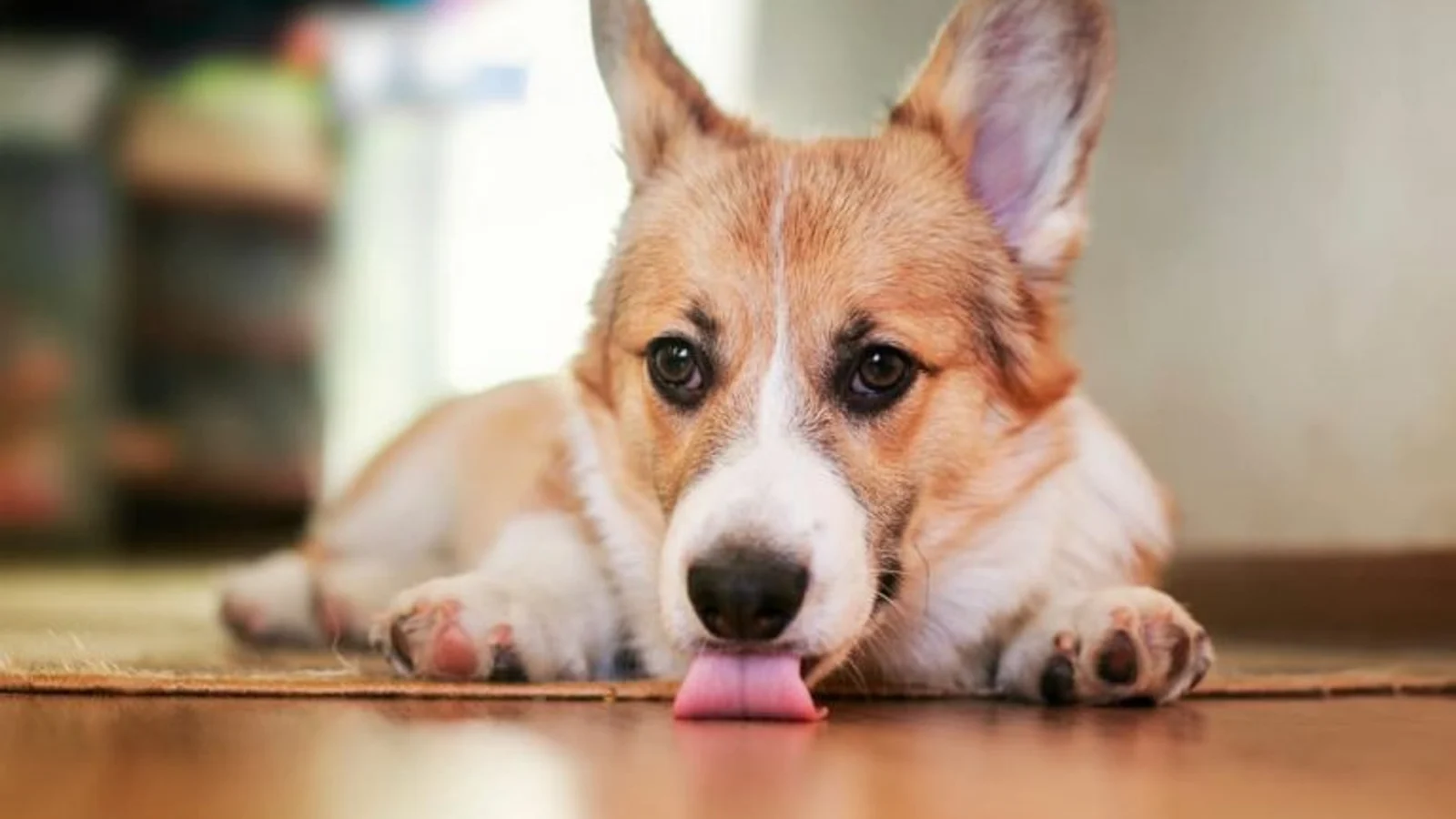
You’re in the kitchen and you notice your dog methodically licking the floor — tongue working across the tile long after any crumb could possibly be left. An occasional lick to clean up a spill is one thing, but a dog that licks the floor over and over, sometimes in the same spot, can leave you wondering what’s going on. Most of the time it’s harmless, but persistent floor-licking is also one of the clearer behavioral signs that something — in the body or the mind — is a little off.
Here’s what it means when your dog licks the floor, how to tell a simple crumb hunt from a sign of nausea or stress, and when it’s worth a closer look.
Is it normal for my dog to lick the floor?
Occasional floor-licking is completely normal — dogs explore and clean up the world with their tongues, and a tasty spill is reason enough. It becomes worth investigating when it’s frequent, focused on one spot, hard to interrupt, or paired with signs of nausea, stress, or discomfort. The key is the pattern: a quick lick where food fell is ordinary, while repetitive, driven licking of bare floor usually has a cause worth understanding.
The science: licking, taste, and compulsion
Licking is one of a dog’s most basic tools for investigating the world — it combines taste and smell to tell them what’s there. But licking also has a self-soothing side: the repetitive motion can calm a dog that feels queasy, anxious, or bored, much the way other repetitive habits do. Veterinarians even have a name for the extreme version — excessive licking of surfaces — which research has linked more often to gastrointestinal discomfort than to pure behavior. So floor-licking sits at the crossroads of appetite, physical discomfort, and emotion.
Why does my dog lick the floor?
Tasty crumbs and spills
The simplest explanation is usually the right one. Floors carry invisible traces of food, grease, and interesting smells, and your dog’s nose and tongue find them long after you’d call the floor clean. This kind of licking is casual and stops once the trail runs out.
Nausea or an upset stomach
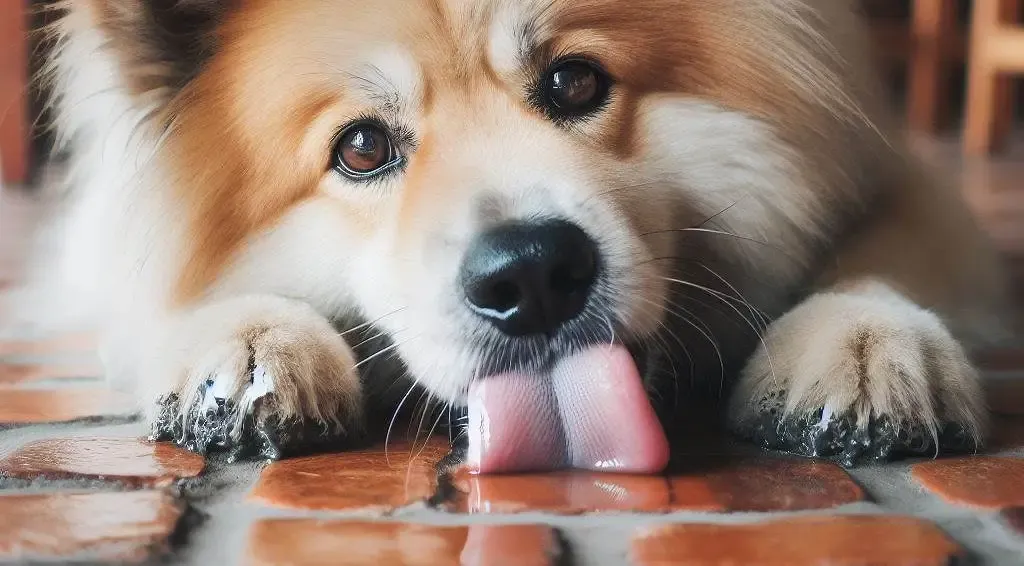
Dogs that feel queasy often lick surfaces — the floor, walls, furniture — along with excessive drooling, lip-licking, or grass-eating. If the floor-licking comes in bouts, especially before vomiting or with a reduced appetite, nausea is a leading suspect.
Nutritional gaps or pica
Sometimes licking and eating non-food surfaces points to pica, a drive to consume things that aren’t food, which can be linked to dietary gaps or underlying medical issues. Persistent licking paired with trying to eat odd objects is worth raising with your vet.
Stress, anxiety, or boredom

Repetitive licking can be a coping mechanism. An anxious, under-stimulated, or bored dog may lick the floor to self-soothe or simply to pass the time — the canine equivalent of a nervous habit.
A compulsive habit
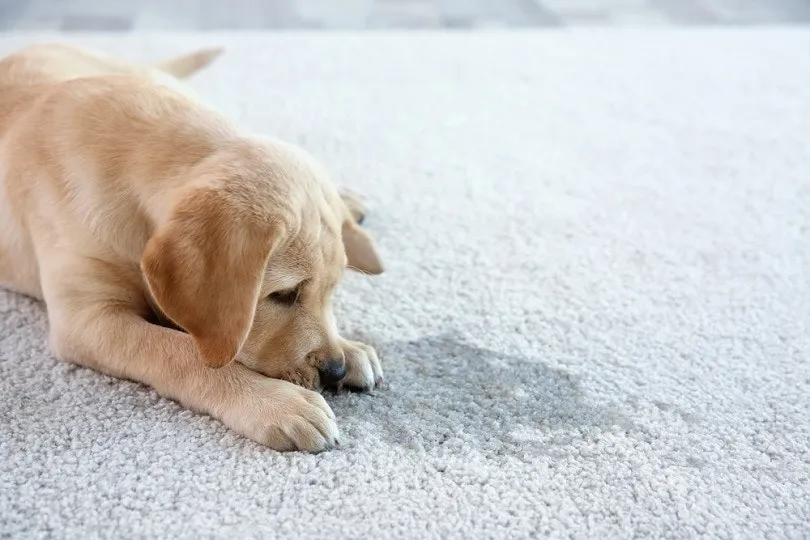
If licking has become frequent, intense, and hard to interrupt, it may have tipped into a compulsive behavior. This often starts with a trigger — nausea or stress — and then becomes a self-reinforcing loop that continues even after the original cause is gone.
Dental or mouth discomfort
Pain or irritation in the mouth can also prompt repetitive licking. If floor-licking comes with bad breath, trouble eating, or pawing at the mouth, a dental cause is worth ruling out.
Floor-licking in specific situations
In the kitchen or near food areas
Licking where food is prepared or eaten is almost always a crumb hunt — normal, opportunistic, and nothing to worry about as long as it stops when the scent trail does.
Licking paired with gulping or lip-smacking
Floor-licking combined with repeated swallowing, lip-smacking, or drooling leans toward nausea. This cluster of signs is your cue to watch for other stomach-upset symptoms.
Licking one spot obsessively
Fixating on a single patch of floor or carpet and licking it over and over — especially if you can’t easily redirect your dog — is the pattern most associated with anxiety or compulsion rather than taste.
A sudden new habit
Floor-licking that appears out of nowhere, particularly in an adult dog that never did it before, is worth attention. A sudden change often signals a physical cause, most commonly something going on in the gut.
When it could signal a problem
Floor-licking is rarely serious on its own, but a few patterns deserve a vet’s input. Watch for licking paired with vomiting, diarrhea, a reduced appetite, or weight loss (which point to a digestive issue), licking you genuinely can’t interrupt, or a sudden, out-of-character increase alongside other changes in behavior or energy. Because studies link excessive surface-licking most often to gastrointestinal discomfort, a sudden or relentless habit is worth a conversation with your vet to rule out a medical cause before treating it as “just behavior.”
How to respond to a dog who licks the floor
- Rule out a quick cause first: clean up spills and make sure it isn’t simply a crumb trail your dog is following.
- Watch for stomach signs: pair floor-licking with drooling, lip-smacking, appetite changes, or vomiting and treat those as a reason to call your vet.
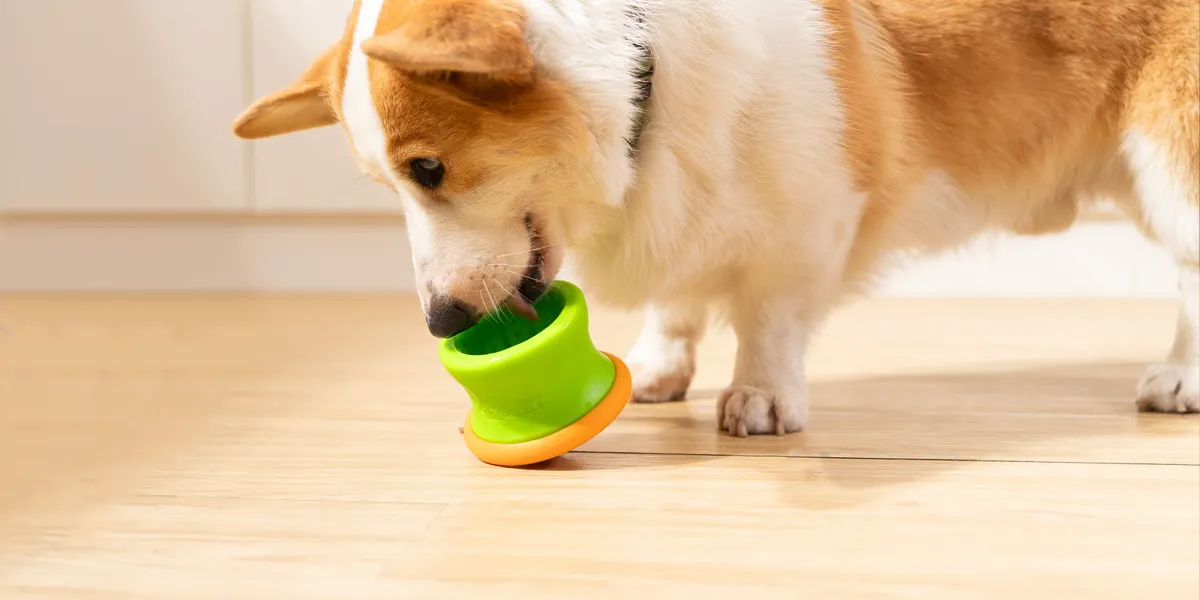
- Add enrichment: if boredom or stress is driving it, more exercise, sniff walks, puzzle feeders, and chew toys give the tongue and brain a better outlet.
- Redirect gently, don’t punish: interrupt obsessive licking with a calm cue or a toy rather than scolding, which only adds stress.
- Track the pattern: note when and where it happens — it helps you and your vet tell a digestive cause from an anxiety-driven one.
Reading your dog beyond the licking
Licking the floor can mean “something tastes good here,” “my stomach feels off,” or “I’m anxious and soothing myself” — and telling those apart is the whole challenge. That’s what Traini is built for: translating your dog’s behavior and physical signals into plain language so you can understand why they’re doing what they do. When you’re not sure whether your dog’s floor-licking is a harmless habit or a sign of nausea or stress worth acting on, you can ask PetGPT about your specific situation and get an answer grounded in your dog’s context. For more on your dog’s licking habits, see our guides on why your dog licks his paws and why your dog licks his lips.
Frequently asked questions
Why does my dog suddenly lick the floor a lot?
A sudden increase is most often tied to nausea or an upset stomach, so watch for drooling, lip-smacking, appetite changes, or vomiting. If the new habit is frequent or persists, it’s worth a vet check to rule out a digestive cause.
Is floor-licking a sign my dog feels sick?
It can be. Excessive surface-licking is linked more often to gastrointestinal discomfort than to behavior alone, especially when it comes in bouts or with other stomach-upset signs. Occasional crumb-hunting licking, by contrast, is normal.
Why does my dog lick the floor at night?
Nighttime floor-licking can reflect an empty or uneasy stomach, or it may be a self-soothing habit when the house is quiet and there’s little else to do. Note whether it comes with other signs of nausea or anxiety to narrow down the cause.
How do I get my dog to stop licking the floor?
Start by ruling out a medical cause with your vet, then address triggers: clean up food traces, add exercise and enrichment for boredom, and gently redirect obsessive licking to a chew or puzzle toy rather than punishing it.
This article is for general information and isn’t a substitute for professional veterinary advice. If your dog’s floor-licking is sudden, frequent, impossible to interrupt, or paired with drooling, vomiting, appetite changes, or other signs of illness, please contact your veterinarian.