


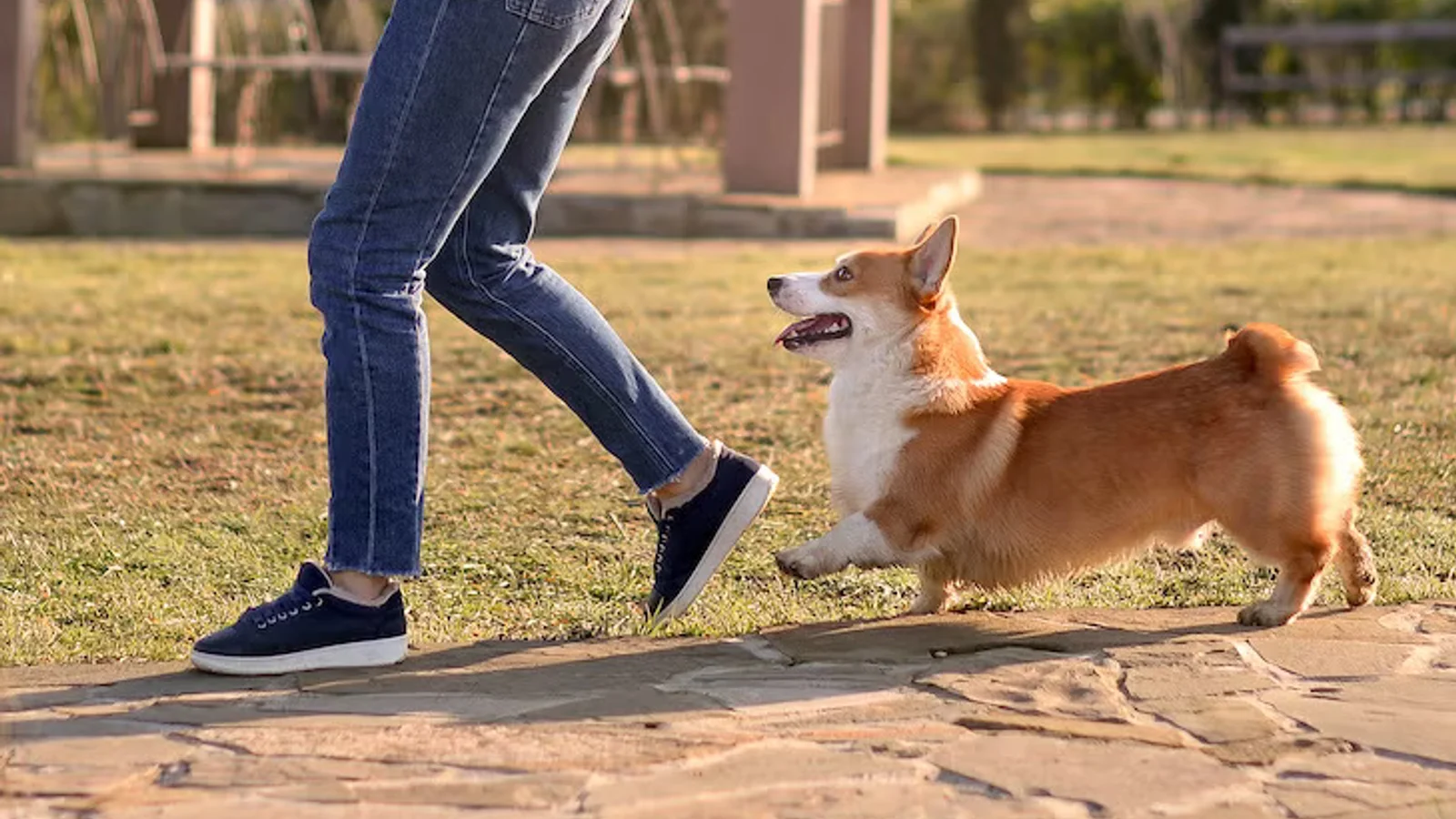
You stand up to grab a glass of water and there they are, padding along right behind you. Head to the kitchen, the bathroom, the bedroom — your dog is your shadow. Being followed everywhere by a devoted dog is one of the quiet joys of living with one, and most of the time it’s a sign of a strong, happy bond. Just occasionally, though, it can tip into something worth paying attention to.
Here’s why your dog shadows your every move, what the affectionate “velcro dog” behavior really means, and how to tell healthy attachment from anxiety.
Is it normal for my dog to follow me everywhere?
Yes — for most dogs, following their favorite person is completely normal. Dogs are social animals that evolved to live closely with a group, and to them you’re the center of that group. Sticking near you is how a dog stays connected, feels safe, and keeps an eye on the person who runs their whole world. It only becomes a concern when the following is frantic rather than relaxed, or when your dog can’t cope the moment you’re out of sight.
The science: why dogs become “velcro dogs”
Dogs are one of the few animals that form deep, dependent bonds with another species — us. Research on the dog-human relationship has shown it mirrors the attachment between a young child and a parent: you’re a “secure base” your dog returns to for comfort and reassurance. A dog who follows you around is drawing on that bond, treating you as the safe center of their world. The nickname for an especially clingy companion — a “velcro dog” — describes a dog who simply prefers to be wherever you are.
Why does my dog follow me everywhere?
Affection and bonding
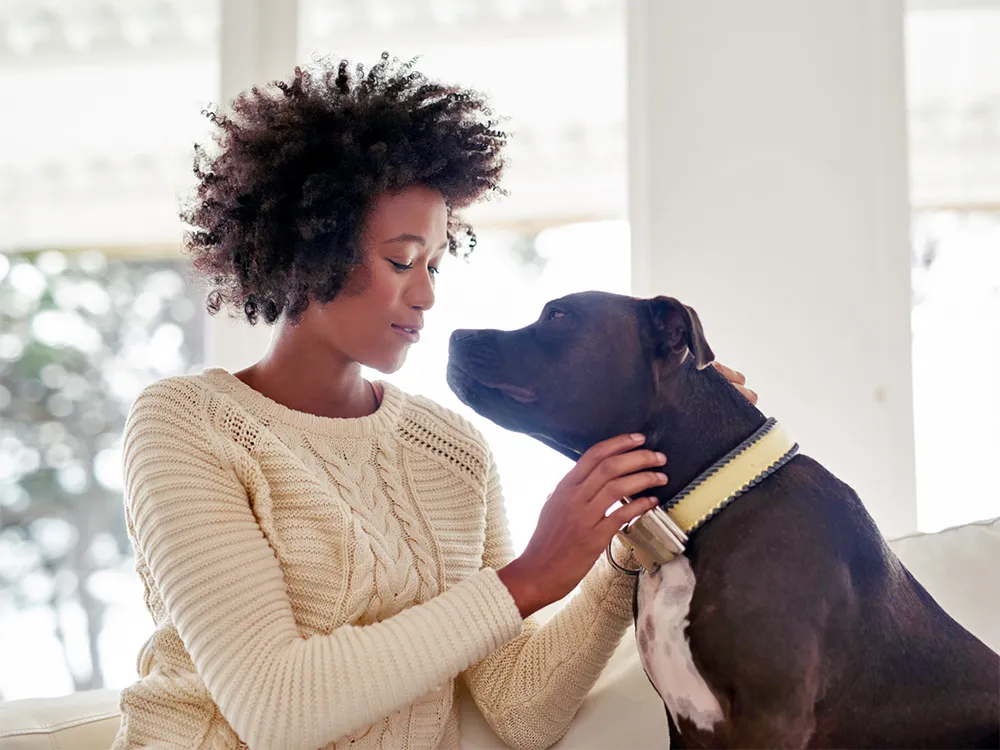
The simplest reason is love. Following you around is one of the clearest signs your dog is bonded to you and enjoys your company — they’d rather be near you than anywhere else in the house.
You’re the source of all good things
You provide food, walks, play, and affection. Dogs are quick to learn where the good things come from, and staying close to you means never missing a meal, a walk, or a chance to be part of whatever happens next.
Companionship is in their breeding
Some dogs are especially prone to shadowing. Breeds developed to work closely alongside people — herding dogs, lap companions, and many gundogs — are often wired to stay near their person and check in constantly.
It’s been reinforced
If following you has reliably earned attention, treats, or cuddles, your dog has learned that staying close pays off. Over time, a natural tendency can become a firmly established habit.
Curiosity and not missing out
Dogs are endlessly curious about what you’re doing. A dog trailing you from room to room may simply want to be where the action is, in case something interesting — a snack, a walk, a visitor — is about to happen.
Anxiety or insecurity
Sometimes constant following is driven by unease rather than affection. Dogs who are anxious, newly adopted, under-socialized, or simply unsure may shadow their person for reassurance. In older dogs, a new tendency to cling can be linked to failing senses or age-related confusion.
Following in specific situations
From room to room
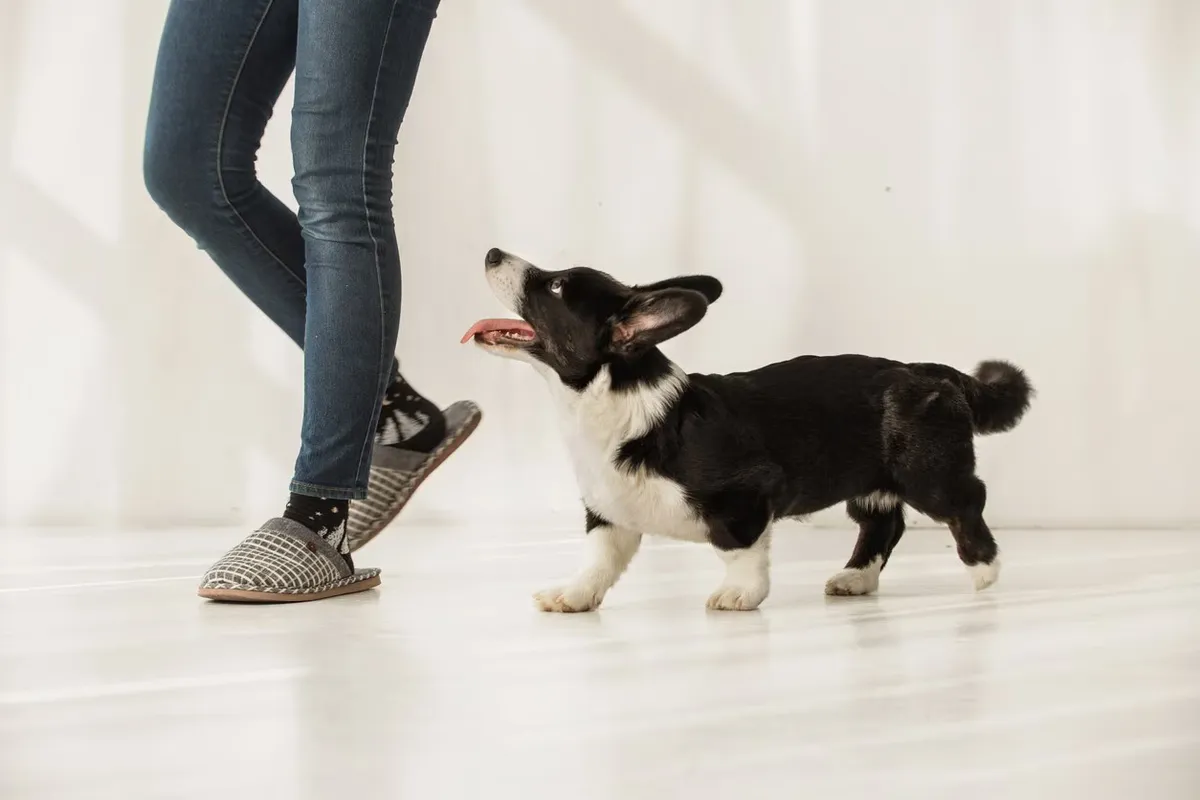
Calm, casual following around the house is the classic velcro-dog behavior and usually nothing more than companionship. A relaxed dog who settles wherever you land is simply enjoying your company.
To the bathroom
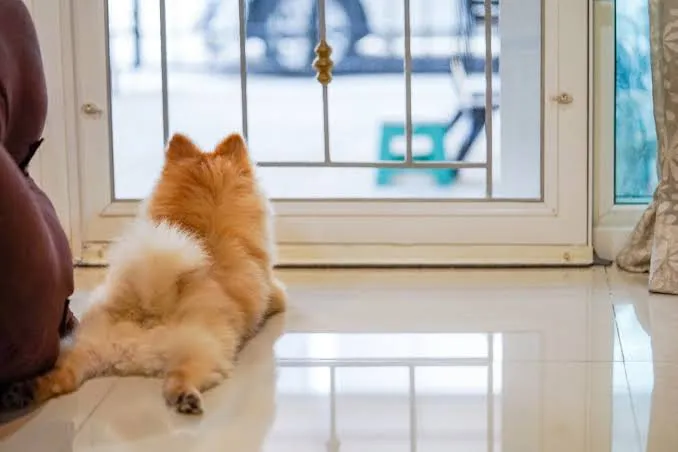
The famous bathroom escort isn’t about the bathroom — it’s that your dog doesn’t see a reason to stop following you at the door. To a pack animal, splitting up even briefly isn’t the default.
Suddenly started following you
A dog who becomes clingy out of the blue is worth noticing. A sudden change can be triggered by a shift in routine, a new stressor in the home, illness or pain, or — in a female dog — pregnancy. If it’s abrupt and out of character, keep an eye out for other changes.
Velcro dog vs. separation anxiety
It’s important to tell affectionate following apart from separation anxiety, because they need very different responses. A velcro dog likes to be near you but is calm and able to relax, and copes when you leave. A dog with separation anxiety becomes genuinely distressed the moment you’re gone — pacing, barking or howling, drooling, destroying things, or having accidents. Following you around while you’re home is normal; falling apart the instant you leave is not, and that’s the line worth watching.
When following could signal a problem
Constant shadowing is only a concern when it comes with distress. If your dog can’t settle unless they’re touching you, panics when separated even by a door, or suddenly becomes clingy alongside other changes — reduced appetite, lethargy, disorientation, or signs of pain — it’s worth a veterinary check. Sudden clinginess in a senior dog in particular can be an early sign of age-related cognitive change or an underlying medical issue.
How to respond to a velcro dog
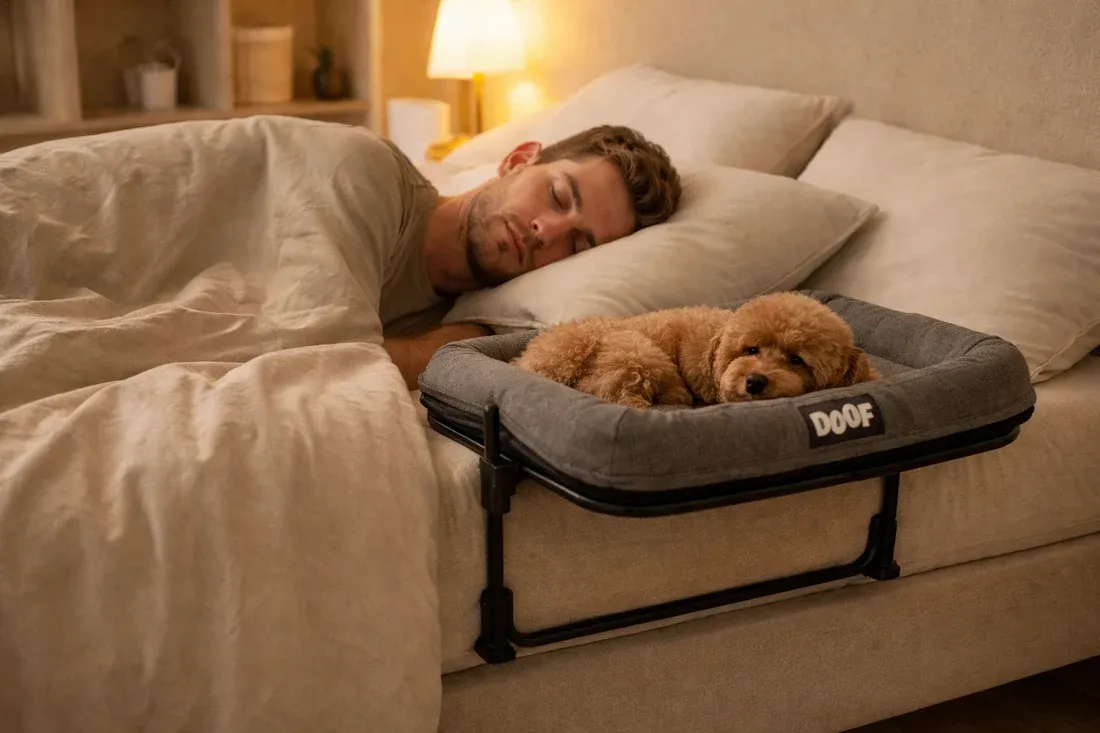
- Enjoy it, within reason: a dog who likes your company is a good thing — there’s no need to push away affectionate, relaxed following.
- Build small moments of independence: reward your dog for settling calmly in their own spot, and practice short, low-key separations so being apart feels normal.
- Give a secure space: a comfortable bed or crate your dog actively likes gives them somewhere to relax that isn’t your lap.
- Meet their needs: enough exercise, enrichment, and mental stimulation leave a dog more content to rest on their own.
- Watch for distress, not just closeness: if the following tips into panic when you leave, treat it as possible separation anxiety and address that at the source.
Reading your dog beyond the following
Following you around is one line in a much bigger conversation about how your dog feels — secure and content, or anxious and in need of reassurance. Telling those apart is the whole game. That’s what Traini is built for: translating your dog’s behavior and emotional signals into plain language so you can understand why they’re acting a certain way. When you’re not sure whether your dog’s shadowing is happy attachment or anxiety, you can ask PetGPT about your specific situation and get an answer grounded in your dog’s context. For more on canine communication, see our guides on why your dog stares at you and easing separation anxiety.
Frequently asked questions
Why does my dog follow me everywhere but not anyone else?
Dogs usually bond most closely with the person who feeds, walks, and spends the most time with them, and they shadow that person as their “secure base.” It’s a sign your dog has chosen you as their main source of comfort and good things.
Is it a problem if my dog follows me everywhere?
Usually not — calm, relaxed following is normal, affectionate companionship. It’s only a concern if your dog becomes distressed when apart from you, which points to separation anxiety rather than ordinary attachment.
Why has my dog suddenly started following me everywhere?
A sudden change can be triggered by a new routine or stressor, illness or pain, pregnancy in a female dog, or age-related changes in an older dog. If it’s abrupt and out of character or comes with other symptoms, check with your vet.
How do I get my dog to be more independent?
Reward calm settling in their own bed, practice short separations, give them a comfortable space they enjoy, and make sure they’re well exercised and mentally stimulated. Build independence gradually rather than suddenly shutting your dog out, which can cause stress.
This article is for general information and isn’t a substitute for professional veterinary or behavioral advice. If your dog’s following is sudden, frantic, or paired with distress when you leave or other changes in behavior, please contact your veterinarian.