


Few dog habits are as unpleasant to witness as your dog calmly eating poop — their own, another dog’s, or a “treasure” found on a walk. It’s gross, it’s worrying, and it’s surprisingly common. The good news: in most cases this behavior, known as coprophagia, is more of a habit than a medical emergency, and there’s a lot you can do about it.
Here’s why dogs eat poop, when it’s a sign of something worth checking, and how to break the habit for good.
Is it normal for dogs to eat poop?
As unappealing as it is to us, poop-eating is common and, for dogs, a natural behavior with deep roots. Mother dogs instinctively eat their puppies’ waste to keep the den clean, and puppies often go through a phase of sampling everything — including feces — as they explore the world. Many dogs grow out of it; some don’t. It becomes something to address when it’s frequent, sudden in an adult dog, or paired with other changes in health or appetite.
The science: what coprophagia actually is
“Coprophagia” is simply the scientific term for eating feces. Studies suggest it’s widespread — one large survey found that around one in four dogs had been seen eating stool at least once, and roughly one in six did so regularly. Researchers also found that most poop-eaters are otherwise healthy, well-fed dogs, which points to the behavior being driven more often by instinct and habit than by illness or nutritional deficiency.
Why does my dog eat poop?
Instinct and mothering behavior
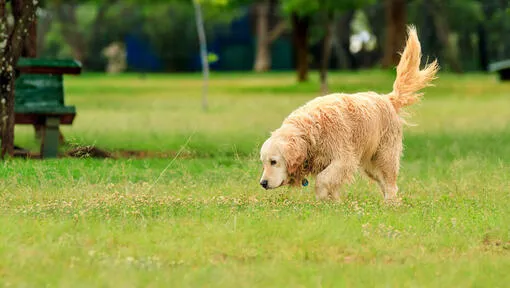
The most basic explanation is hardwired. Cleaning up waste is instinctive denning behavior, and a dog repeating it — especially with their own stool — may simply be following an ancient script to keep their space clean.
Diet and hunger
A dog who isn’t getting enough food, or who is on a poorly balanced diet, may scavenge for extra calories. Very hungry dogs, or those fed too little, are more likely to turn to whatever is available — including feces.
Nutrient absorption issues
Occasionally, poop-eating is linked to a dog not fully absorbing nutrients from their food, which can leave stool that still smells (to them) like something worth eating. Certain medical conditions and parasites can play a role here, which is why a persistent habit is worth a vet’s input.
Boredom and attention
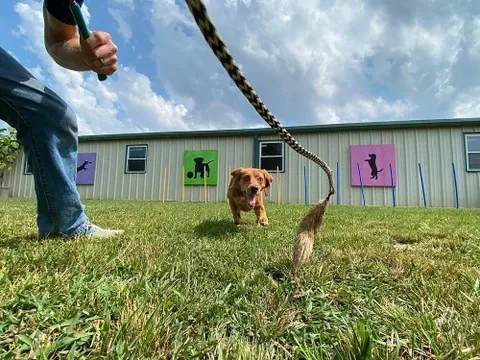
Under-stimulated dogs find their own entertainment, and a dog left alone in a yard with little to do may start eating stool out of sheer boredom. Others learn that it reliably gets a big reaction from you — and even negative attention can reinforce the habit.
Stress and anxiety
Stress is a common trigger. Dogs who are anxious, confined, or harshly punished for house-training accidents may eat their own stool — sometimes to “hide the evidence.” In these cases the poop-eating is a symptom of an emotional problem rather than the problem itself.
It was learned
Dogs are great imitators and quick to form habits. A puppy who watched their mother do it, or a dog who has been doing it for months, may continue simply because it has become routine.
Whose poop? It can matter
Their own
Eating their own stool is the most common form and usually the most habit-driven. It’s unpleasant but generally low-risk, though still worth discouraging.
Another dog’s
Eating another dog’s feces carries a higher risk of picking up intestinal parasites or infectious bugs, so it’s worth being more vigilant about on walks and at the dog park.
Cat poop
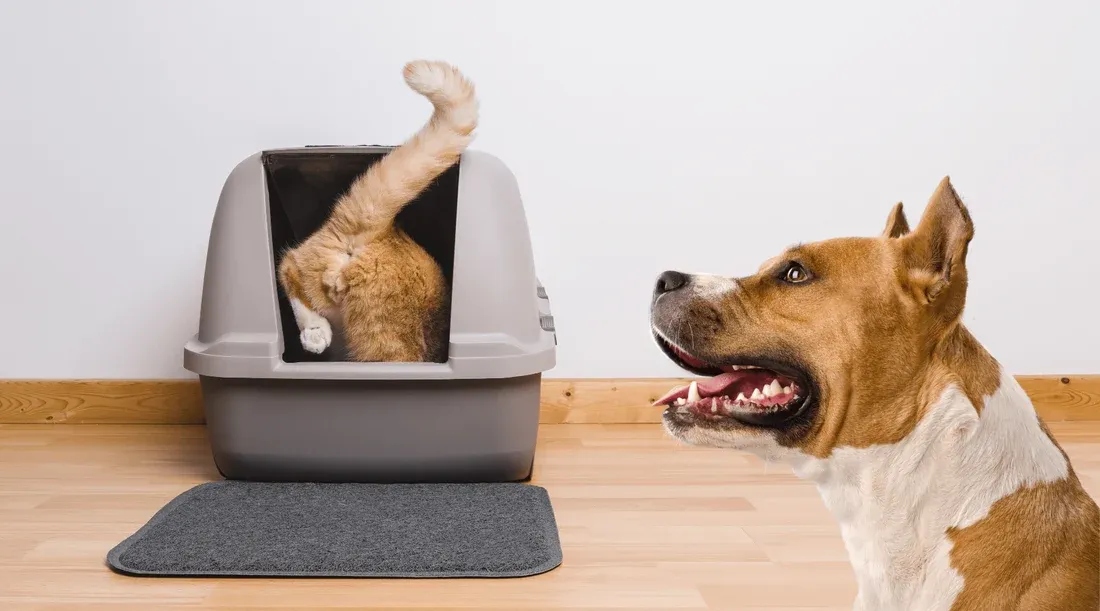
Many dogs are drawn to the litter box because cat feces is high in protein. It’s a hard habit to break by willpower alone — moving the litter box out of reach usually works better than training.
When poop-eating could signal a health issue
Most poop-eaters are healthy, but a sudden start in an adult dog, or poop-eating paired with weight loss, a ravenous appetite, diarrhea, vomiting, or a dull coat, deserves a veterinary visit. These can point to parasites, malabsorption, diabetes, thyroid issues, or other conditions that increase hunger or affect digestion. Your vet can rule out a medical cause and check a stool sample for parasites before you treat it as purely behavioral.
How to stop your dog from eating poop
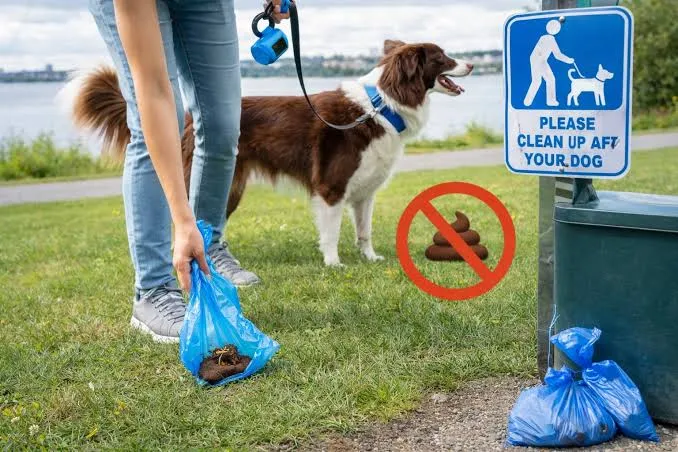
- Clean up promptly: the simplest fix — pick up your dog’s stool immediately so there’s nothing to eat, and keep the yard and litter box clear.
- Don’t overreact: a big response can turn into an attention reward or make an anxious dog worse. Stay calm and redirect.
- Teach “leave it” and recall: a solid “leave it” and a reliable come-away let you interrupt the behavior and reward the right choice.
- Keep them busy: more exercise, enrichment, puzzle feeders, and play reduce the boredom and stress that drive the habit.
- Check the diet: make sure your dog is getting enough of a complete, balanced food; ask your vet whether a change or a deterrent supplement makes sense.
- Rule out medical causes: if it’s sudden or paired with other symptoms, start with the vet rather than training alone.
Reading your dog beyond the behavior
Poop-eating is rarely random — it usually traces back to hunger, boredom, stress, or plain habit, and knowing which one is happening is the key to stopping it. That’s what Traini is built for: translating your dog’s behavior and emotional signals into plain language so you can understand why a habit has taken hold. When you’re not sure whether your dog’s poop-eating is boredom or anxiety, you can ask PetGPT about your specific situation and get an answer grounded in your dog’s context. For more on everyday dog habits, see our guides on why dogs eat grass and easing separation anxiety.
Frequently asked questions
Why does my dog eat poop all of a sudden?
A sudden start in an adult dog is worth a closer look. It can be triggered by a diet change, stress, boredom, or a medical issue that increases hunger or affects digestion. If it appears abruptly or comes with weight loss, a big appetite, or digestive upset, see your vet to rule out a health cause.
Is it dangerous if my dog eats poop?
Eating their own stool is usually low-risk, if unpleasant. Eating other animals’ feces carries a higher chance of intestinal parasites or infections, so it’s worth discouraging and keeping up with your dog’s parasite prevention.
Does eating poop mean my dog is missing nutrients?
Not usually. Research shows most poop-eaters are healthy, well-fed dogs, so the behavior is more often about instinct, boredom, or habit than a deficiency. Still, a balanced diet and a vet check help rule nutrition out.
How do I get my dog to stop eating poop?
Pick up stool immediately, keep the litter box out of reach, stay calm rather than reacting, teach a strong “leave it,” add exercise and enrichment, and check the diet with your vet. For sudden or persistent cases, start with a medical check.
This article is for general information and isn’t a substitute for professional veterinary or behavioral advice. If your dog’s poop-eating is sudden, frequent, or paired with weight loss, a change in appetite, or digestive upset, please contact your veterinarian.