
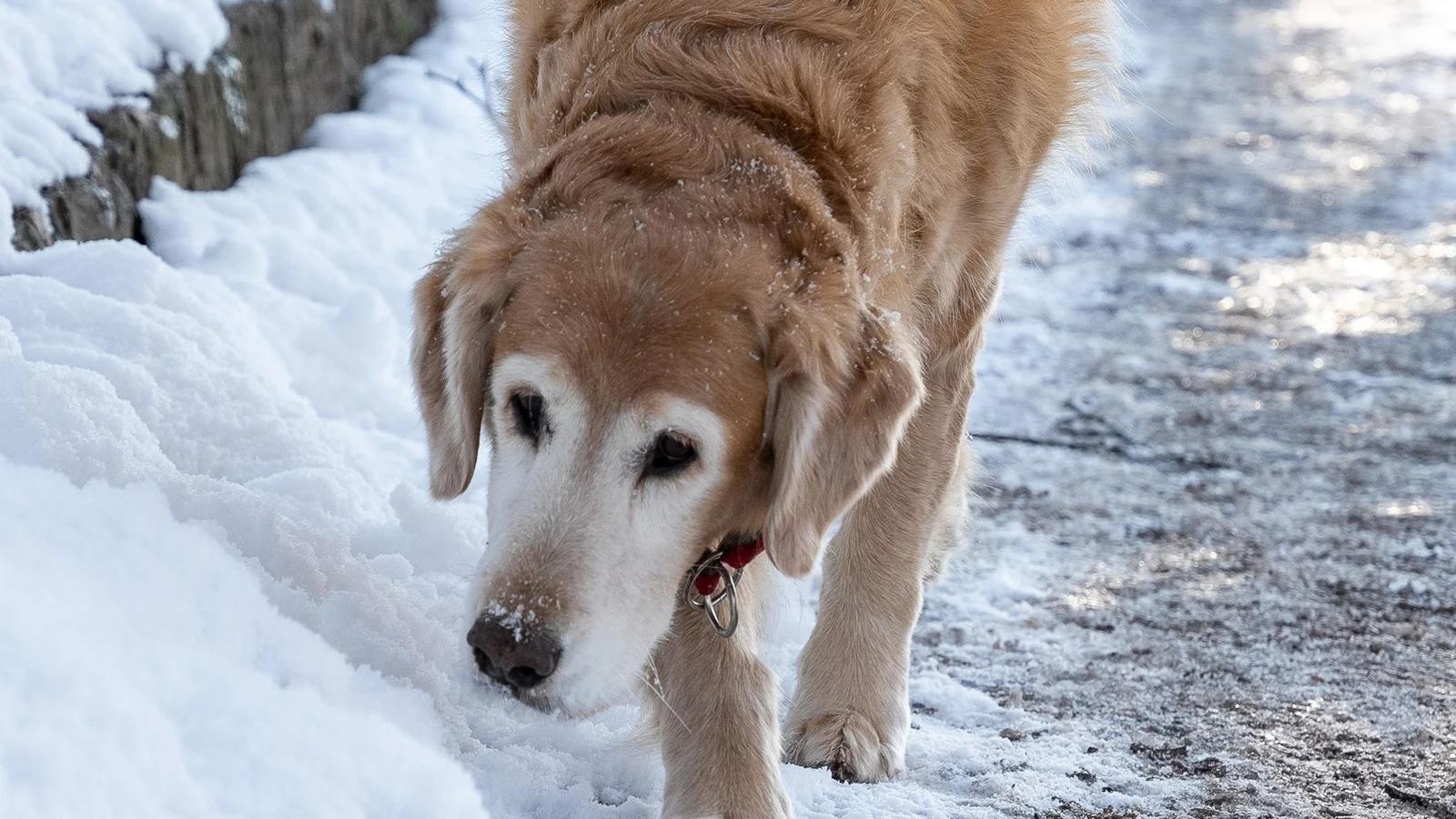
You’re bundled up for a winter walk, but your dog is heading out in nothing but their fur — and it’s easy to assume a coat of fur handles any weather. Some dogs really are built for the cold, trotting happily through snow, while others start shivering the moment the temperature drops. So how cold is actually too cold, and when does a chilly walk cross the line into something genuinely risky?
Here’s a practical guide to how dogs handle the cold, the temperatures where it becomes dangerous, the warning signs to watch for, and how to keep your dog safe all winter.
How cold is too cold for dogs?
As a general rule, most dogs are comfortable down to about 45°F (7°C). Below that, cold-sensitive dogs start to feel it; at 32°F (0°C) and under, small, young, old, thin-coated, or unwell dogs can become unsafe if they’re outside too long; and once temperatures drop below about 20°F (-7°C), it’s potentially dangerous for any dog, with a real risk of frostbite and hypothermia. These are guidelines, not hard lines — your individual dog’s tolerance depends on their breed, size, age, coat, and health, which is why the same winter day can feel fine to one dog and far too cold to another.
What affects a dog’s cold tolerance
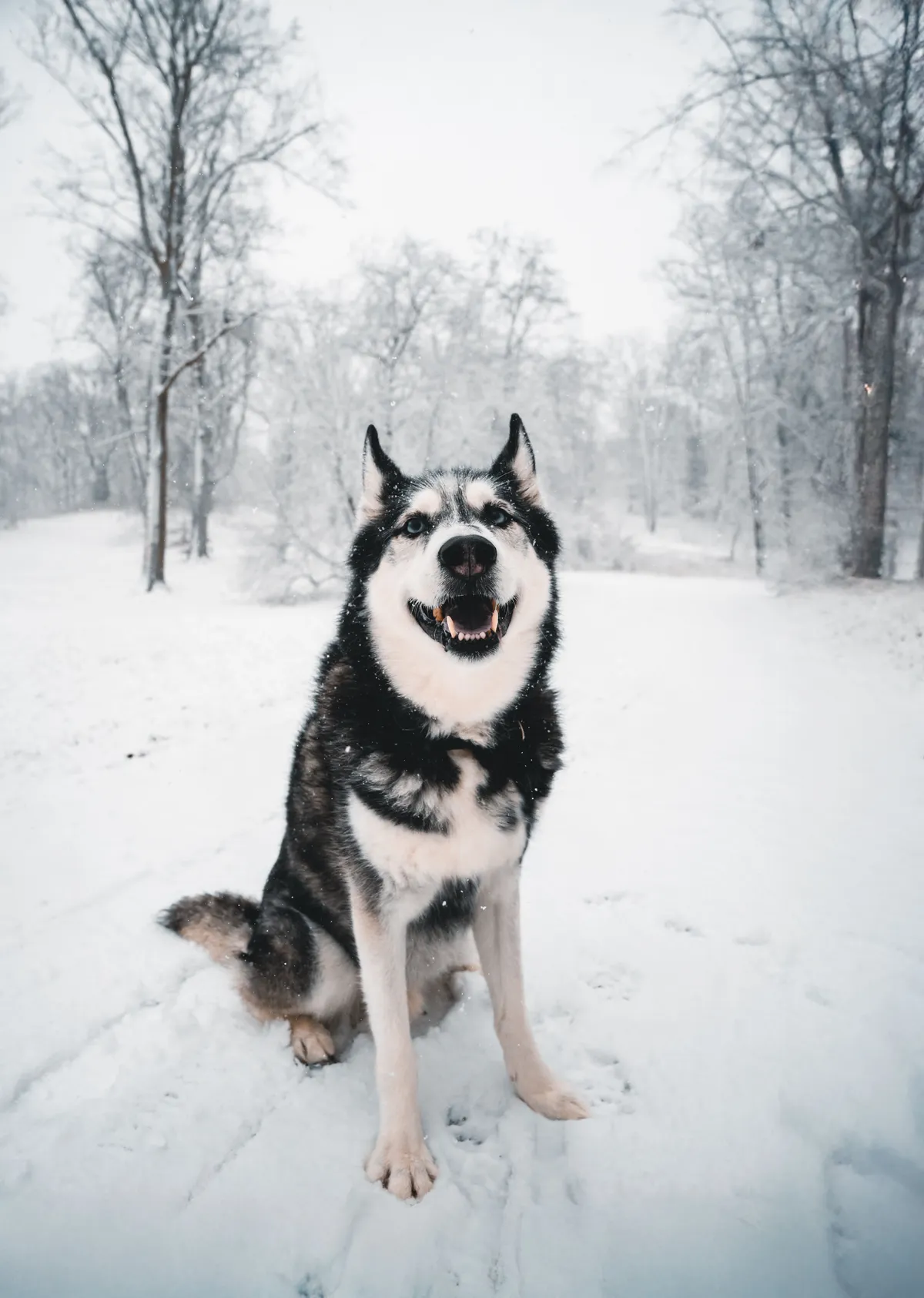
Breed and coat type
Thick, double-coated breeds like Huskies, Malamutes, and Bernese Mountain Dogs are built for cold and handle low temperatures far better than thin-coated breeds like Greyhounds, or small dogs like Chihuahuas, who lose heat quickly and often need a coat outdoors.
Size
Small dogs have more surface area relative to their body mass, so they lose heat faster and get cold sooner than large dogs. A toy breed feels a cold morning much more sharply than a big, heavy dog does.
Age and health
Puppies and senior dogs regulate their body temperature less efficiently, and dogs with conditions like diabetes, heart disease, or arthritis feel the cold more and are more vulnerable to it. These dogs need extra care when the temperature falls.
Body fat and conditioning
A lean dog has less natural insulation than a well-conditioned one, and a dog that lives mostly indoors isn’t acclimated to the cold the way an outdoor-adapted dog is. Both feel low temperatures more intensely.
Temperature guide: when cold becomes dangerous
A simple way to think about it: above 45°F (7°C), most dogs are fine for normal activity. Between 32°F and 45°F (0–7°C), small, thin-coated, young, old, or unwell dogs may need a coat and shorter outings, though cold-hardy breeds are still comfortable. Between 20°F and 32°F (-7–0°C), cold becomes risky for most dogs — keep outdoor time brief and watch closely for shivering. Below 20°F (-7°C), it’s hazardous for all dogs: limit time outside to quick bathroom breaks and be alert for frostbite and hypothermia. Wind chill, wet fur, and damp conditions make any of these feel significantly colder, so factor those in.
Signs your dog is too cold
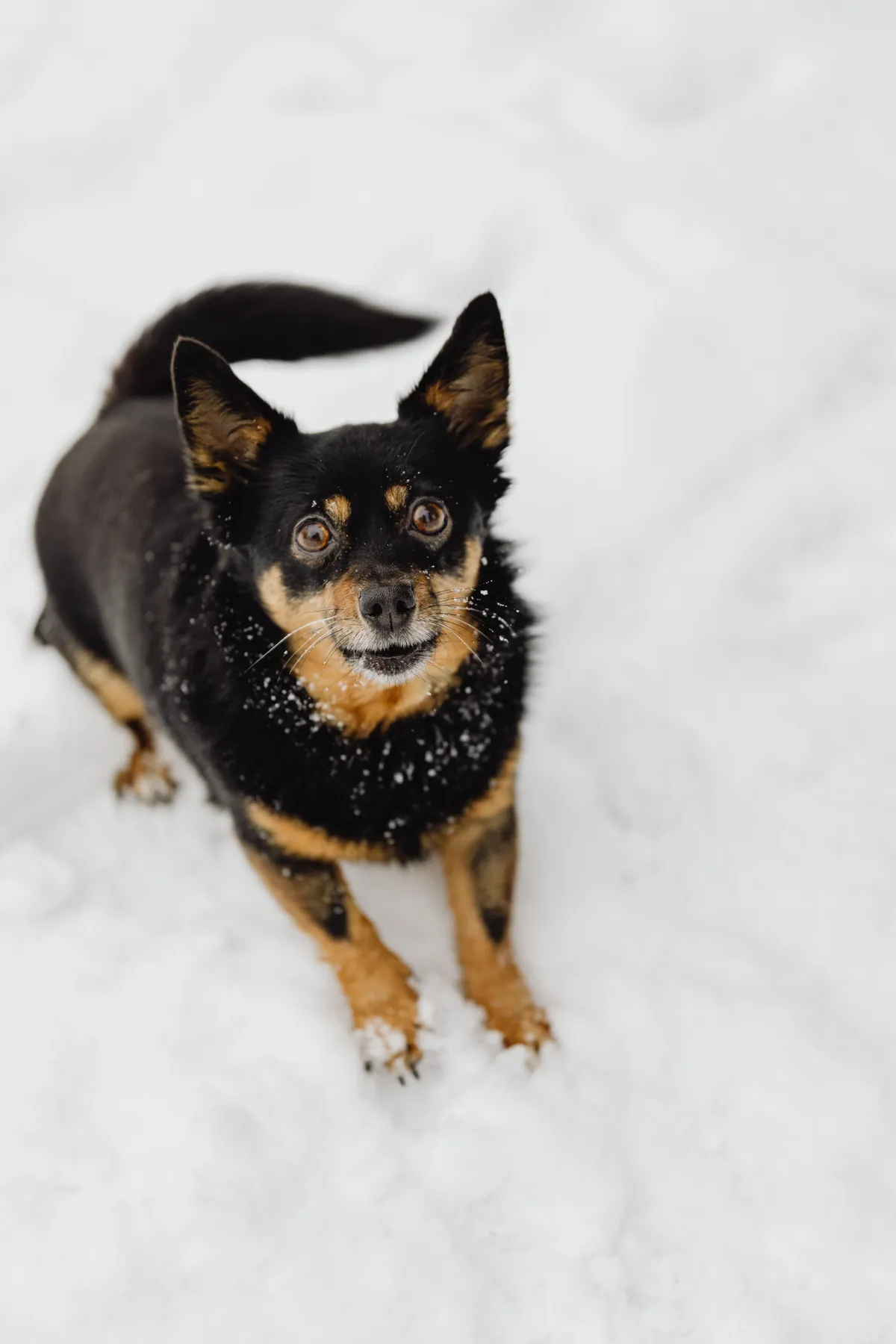
Dogs can’t tell you they’re freezing, so watch their body language. The most common sign is shivering or trembling, but also look for a hunched posture with a tucked tail, lifting or favoring paws off cold ground, whining or anxious behavior, slowing down or reluctance to keep walking, and seeking shelter or trying to turn back toward home. If your dog shows any of these, it’s time to head indoors and warm them up — don’t wait for it to get worse.
Frostbite and hypothermia: the serious risks
Prolonged cold can cause two dangerous conditions. Hypothermia sets in when a dog’s body temperature drops too low; early signs include strong shivering, lethargy, and weakness, progressing to stiffness, slow breathing, and collapse in severe cases. Frostbite damages the extremities most exposed to cold — ears, tail, and paws — and affected skin may look pale, gray, or bluish and feel cold or brittle, sometimes becoming painful or swollen as it warms. Both are emergencies. If you suspect hypothermia or frostbite, wrap your dog in warm (not hot) blankets, move them somewhere warm, and contact your veterinarian right away.
How to keep your dog safe in the cold
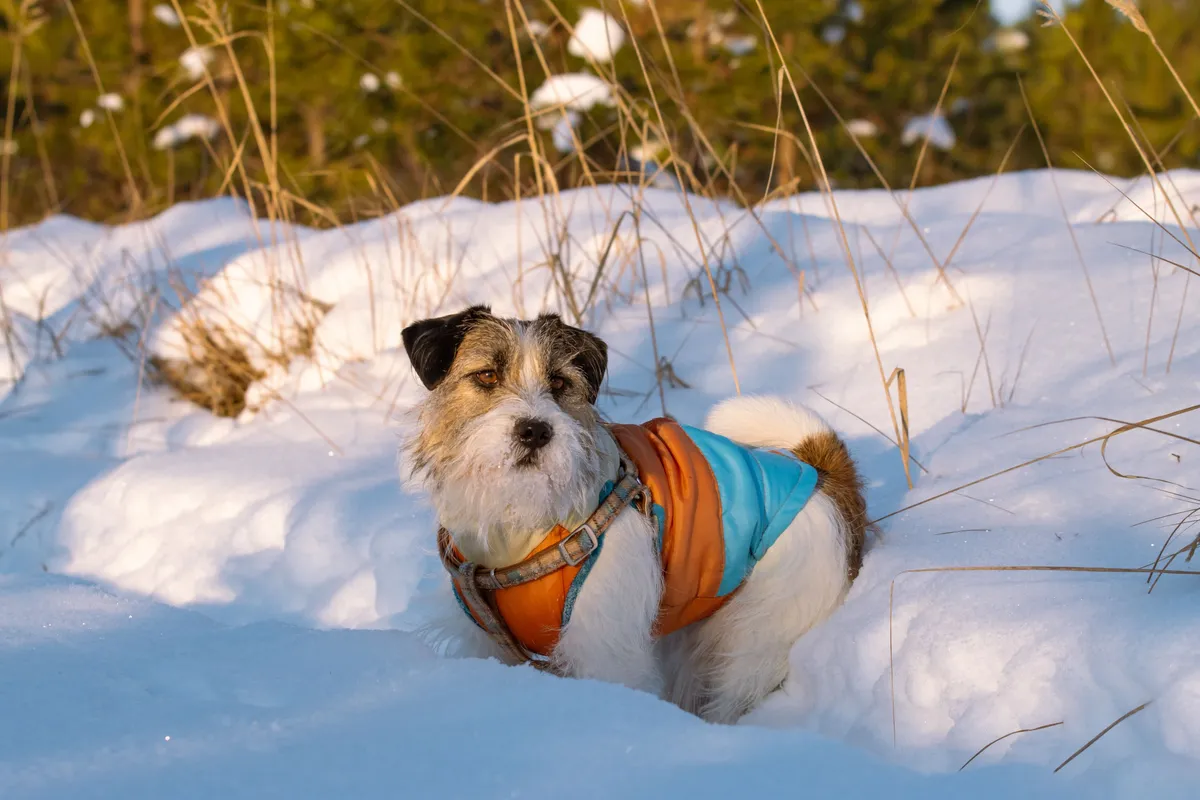
- Dress cold-prone dogs: a well-fitting coat or sweater helps small, thin-coated, young, or senior dogs hold their body heat on walks.
- Keep outings short in extreme cold: trade one long walk for a few quick trips when temperatures plunge, and skip extended time outside below 20°F.
- Protect their paws: booties guard against ice, snow, and de-icing salt; if your dog won’t wear them, wipe and check their paws after every walk.
- Dry them off: wet fur loses its insulating power, so towel your dog dry after snow or rain and don’t let them stay damp in the cold.
- Give them a warm indoor spot: a cozy bed away from drafts, and never leave your dog outside unattended or in a cold car during winter.
Reading your dog in winter

Every dog’s cold tolerance is different, and the real skill of winter care is reading your dog — knowing whether that little tremble means “I’m chilly, let’s go home” or something more. Telling genuine cold-stress from excitement, anxiety, or a health issue isn’t always obvious. That’s what Traini is built for: translating your dog’s behavior and signals into plain language so you can understand what they actually need. When you’re unsure whether your dog is simply cold or something more is going on, you can ask PetGPT about your specific situation. For more on winter body language, see our guides on why your dog is shivering and why your dog is shaking.
Frequently asked questions
What temperature is too cold for dogs to be outside?
Most dogs are comfortable above 45°F (7°C). Below 32°F (0°C), small, young, old, and thin-coated dogs can become unsafe with prolonged exposure, and below 20°F (-7°C) it’s potentially dangerous for any dog due to frostbite and hypothermia risk.
How do I know if my dog is too cold?
Watch for shivering, a hunched posture with tucked tail, lifting paws off the ground, whining, slowing down, or trying to head home. Any of these means it’s time to get your dog indoors and warm them up.
Do dogs need coats in winter?
Many do. Small, thin-coated, young, senior, or unwell dogs benefit from a well-fitting coat in cold weather. Thick, double-coated breeds are usually fine without one, but every dog is different — let your dog’s comfort guide you.
Can dogs get frostbite?
Yes. Frostbite most often affects the ears, tail, and paws, which may look pale, gray, or bluish and feel cold. It’s a medical emergency — warm your dog gently and contact your veterinarian right away.
This article is for general information and isn’t a substitute for professional veterinary advice. If you suspect your dog has hypothermia or frostbite, or your dog shows severe shivering, lethargy, or weakness in the cold, please contact your veterinarian or an emergency animal hospital right away.