

You glance over and notice your dog trembling — a fine, steady shiver running through their body. Your first instinct is to wonder whether they’re cold, and often that’s exactly it. But shivering is one of those behaviors with a whole range of possible causes, from a chilly draft to pure excitement to something that genuinely needs a vet. Knowing how to read it is what turns a worried guess into the right response.
Here’s what shivering means in dogs, the most common reasons behind it, how to tell cold-related shivering from everything else, and when a trembling dog is telling you something is wrong.
Is it normal for my dog to shiver?
Often, yes. Shivering is a normal response in many everyday situations — feeling cold, getting excited, or a flash of nerves will all make a dog tremble, and it passes on its own once the cause does. Shivering becomes worth a closer look when it’s persistent, happens for no clear reason, or comes alongside other symptoms like lethargy, limping, vomiting, or a change in appetite or behavior. In those cases the trembling may be a sign of pain, illness, or stress rather than a simple, passing shiver.
Why is my dog shivering?

They’re cold
The most common and obvious cause. Just like us, dogs shiver to generate warmth when they’re cold, and small, thin-coated, young, and senior dogs feel it soonest. If it’s chilly and your dog is trembling, cold is the first thing to rule out — our guide on how cold is too cold for dogs covers the temperatures that matter.
Excitement or happiness
A dog brimming with excitement — at mealtime, before a walk, or when you walk through the door — often trembles with sheer anticipation. This kind of shivering comes with a wagging tail and happy energy, and it settles as soon as the excitement does.
Fear, anxiety, or stress
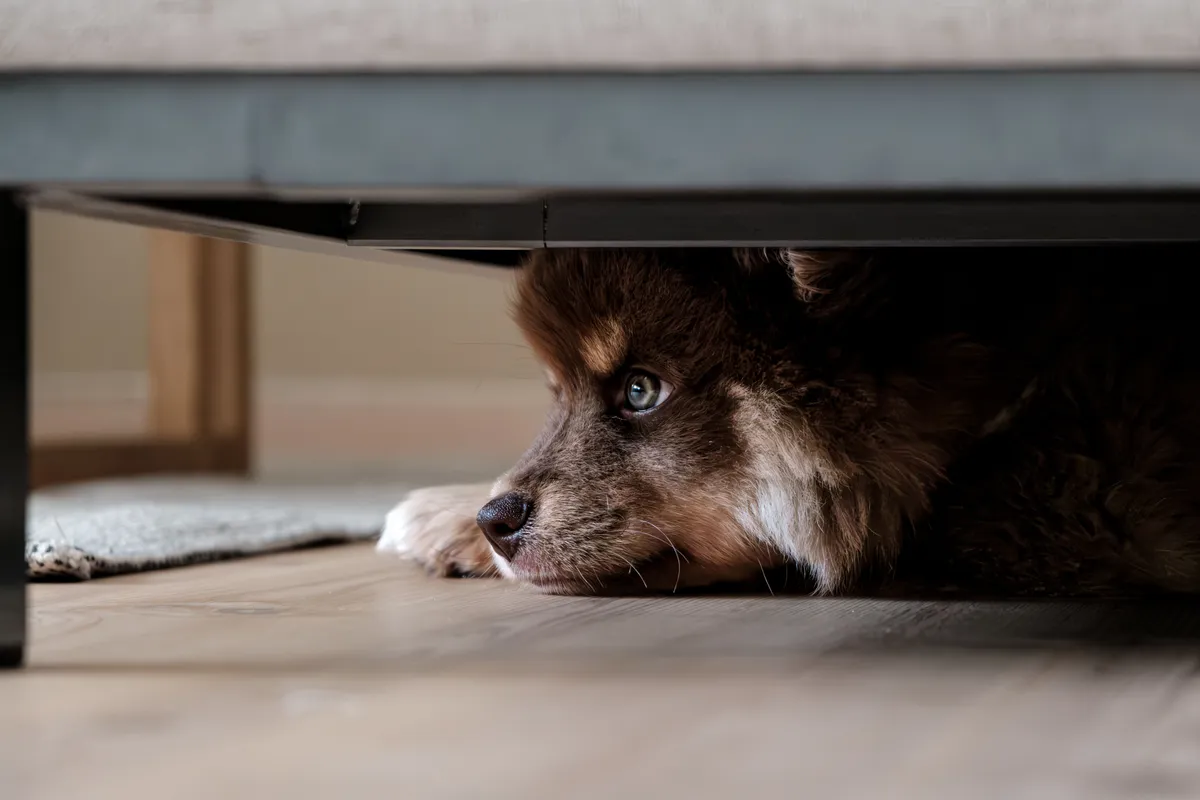
Shivering is a classic stress response. Thunderstorms, fireworks, a vet visit, or an unfamiliar situation can all make an anxious dog tremble, usually alongside other signs like a tucked tail, pinned ears, panting, or hiding.
Pain or illness
Trembling can be a sign that a dog isn’t feeling well. Pain, nausea, fever, and a range of illnesses can all cause shivering, so trembling that appears without an obvious trigger — especially with other symptoms — deserves attention.
Seeking attention
Dogs are quick learners. If shivering has reliably earned your dog a cuddle, a blanket, or soothing words in the past, some will tremble a little to prompt that same comforting response again.
Age and muscle weakness
Older dogs sometimes develop trembling in their legs as muscles weaken with age, and generalized shivering can accompany other age-related changes. New or worsening tremors in a senior dog are worth mentioning to your vet.
Shivering from cold vs other causes

The context usually tells you a lot. Cold-related shivering happens in chilly conditions and eases once your dog warms up — it’s most likely if it’s cold out, your dog has a thin coat, or they’re wet. Excitement or stress shivering lines up with an obvious trigger (the leash coming out, a thunderstorm, a stranger) and fades when the moment passes. What should raise concern is shivering that has no clear cause, doesn’t stop when your dog is warm and calm, or comes with symptoms like limping, vomiting, lethargy, or loss of appetite. That pattern points away from a simple shiver and toward pain or illness.
Shivering in specific situations
Shivering after a bath or in the rain
Wet fur loses much of its ability to insulate, so a damp dog gets cold fast. Trembling after a bath or in the rain is almost always about temperature — dry your dog thoroughly and they’ll usually settle.
Shivering during storms or fireworks
Trembling that shows up with loud noises is a fear response. It often comes with pacing, hiding, or clinginess, and it’s about anxiety rather than cold or illness.
Sudden, unexplained shivering
Trembling that starts out of nowhere — no cold, no excitement, no obvious fear — is the kind to take seriously, particularly if your dog also seems off, painful, or unwell. This is worth a call to your vet.
When shivering could signal a problem
Shivering warrants veterinary attention when it’s persistent or severe, when it appears with no clear cause and doesn’t ease once your dog is warm and calm, or when it comes alongside other symptoms — vomiting, diarrhea, limping, lethargy, loss of appetite, or signs of pain. Take it especially seriously if your dog might have eaten something toxic, as some poisons cause tremors. And because intense, whole-body shivering can be a sign of hypothermia or a more serious medical issue, don’t wait it out if your dog seems genuinely unwell. When in doubt, call your vet.
How to help a shivering dog

- Warm them up first: if it’s cold or your dog is wet, dry them off, offer a blanket or coat, and move them somewhere warm — then see if the shivering stops.
- Ease anxiety: if fear is the trigger, create a calm, quiet space and comfort your dog; for recurring storm or noise anxiety, work on desensitization over time.
- Watch for other symptoms: note whether the trembling comes with limping, vomiting, lethargy, or appetite changes — these details help your vet.
- Don’t punish it: shivering isn’t misbehavior; scolding an anxious or unwell dog only adds stress.
- Call your vet when it doesn’t add up: persistent, unexplained, or symptom-laden shivering deserves a professional look rather than guesswork.
Reading your dog beyond the shivering
Shivering can mean “I’m cold,” “I’m thrilled,” “I’m frightened,” or “I don’t feel right” — and telling those apart is the whole challenge of caring for a dog who can’t explain themselves. That’s what Traini is built for: translating your dog’s behavior and signals into plain language so you can understand why they’re trembling. When you’re not sure whether your dog’s shivering is harmless or worth acting on, you can ask PetGPT about your specific situation and get an answer grounded in your dog’s context. For more on trembling and winter care, see our guides on why your dog is shaking and how cold is too cold for dogs.
Frequently asked questions
Why is my dog shivering but not cold?
If it isn’t cold, common causes are excitement, fear or anxiety, attention-seeking, or pain and illness. Shivering with no clear trigger — especially with other symptoms like lethargy or limping — is worth a vet visit.
Is shivering a sign my dog is in pain?
It can be. Pain, nausea, and fever can all cause trembling. If your dog shivers without an obvious reason and seems off, sore, or unwell, treat it as a possible sign of pain and contact your vet.
What’s the difference between shivering and shaking in dogs?
The terms overlap, but “shivering” usually describes a fine, cold- or stress-related tremble, while “shaking” can also include whole-body shakes and other causes. If you’re unsure which you’re seeing, our guide on why your dog is shaking goes into the full range of causes.
Should I be worried if my dog shivers?
Not usually — brief shivering from cold, excitement, or nerves is normal. Be concerned if it’s persistent, unexplained, doesn’t stop when your dog is warm and calm, or comes with other symptoms. When in doubt, call your vet.
This article is for general information and isn’t a substitute for professional veterinary advice. If your dog’s shivering is persistent, severe, unexplained, or paired with other symptoms such as lethargy, vomiting, or signs of pain, please consult your veterinarian.