
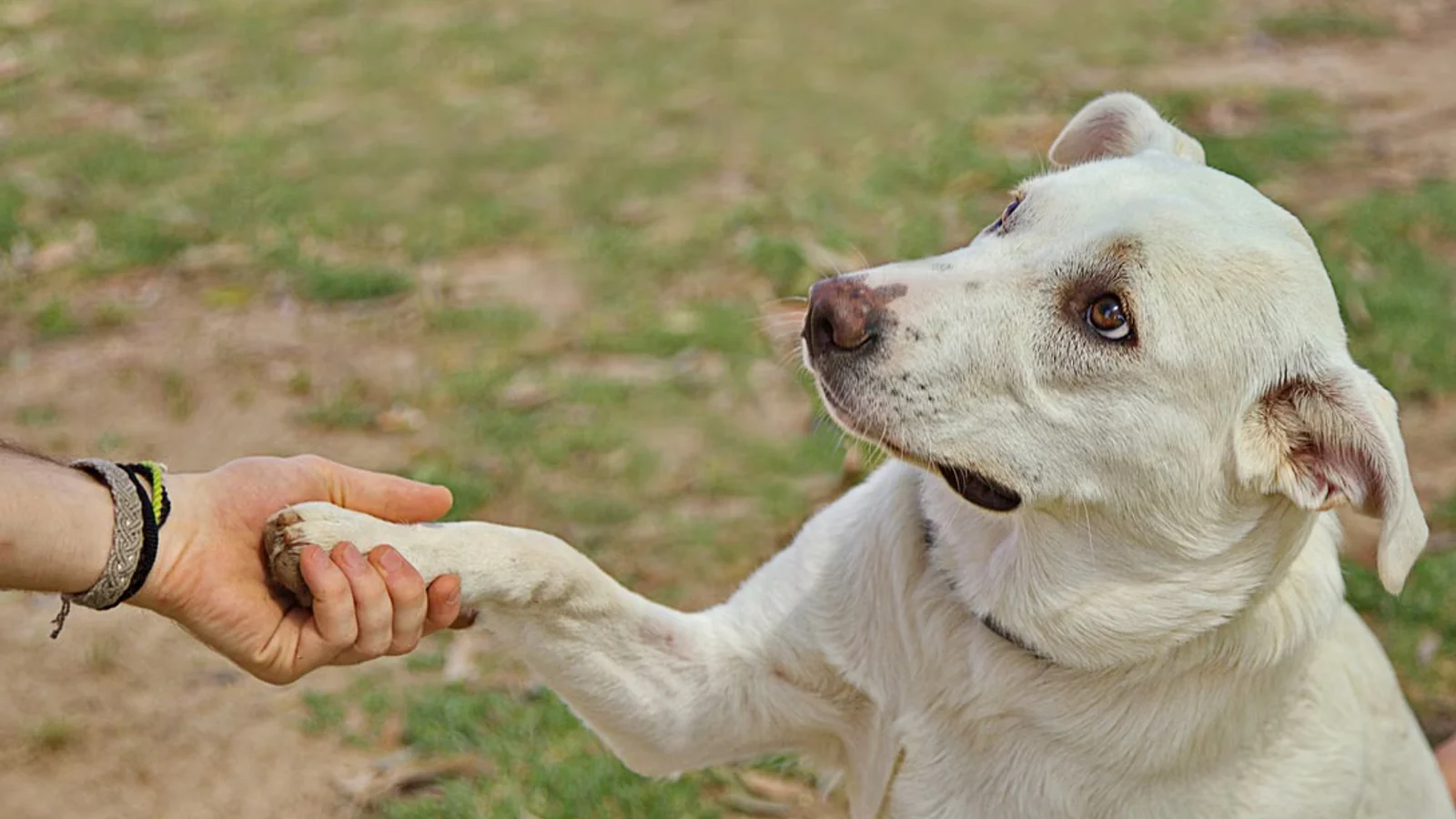
You’re petting your dog, you pause for a second, and a paw lands firmly on your arm — a gentle, insistent little “hey, don’t stop.” Pawing is one of the most charming ways dogs talk to us, and most of the time it’s exactly what it looks like: a request for your attention, your touch, or simply your company. But because a paw can mean several different things, it’s worth knowing what your dog is actually asking for.
Here’s what it means when your dog paws at you, why some dogs do it constantly, and how to respond without accidentally training in a demanding habit.
Is it normal for my dog to paw at me?
Yes — pawing is a completely normal and usually affectionate way for dogs to communicate. Using a paw to get your attention is part of how dogs interact with the people they’re bonded to. It only becomes something to manage when it’s constant, pushy, or paired with signs of anxiety rather than simple friendliness. For most dogs, a paw on the leg is just a conversation starter.
The science: pawing as communication
Dogs don’t have words, so they rely on body language and touch to tell us what they need — and the paw is one of their most direct tools. Pawing is a learned, highly effective piece of communication: a dog discovers early that reaching out with a paw reliably gets a human to look, talk, or reach back. Because we almost always respond, pawing becomes a dog’s go-to way of opening a conversation, whether they’re asking for affection, food, or reassurance.
Why does my dog paw at me?
Attention and interaction
The most common reason is simply “notice me.” A paw on your leg is a clear, deliberate bid for your attention — your dog wants you to engage, whether that means petting, playing, or just looking their way.
Affection
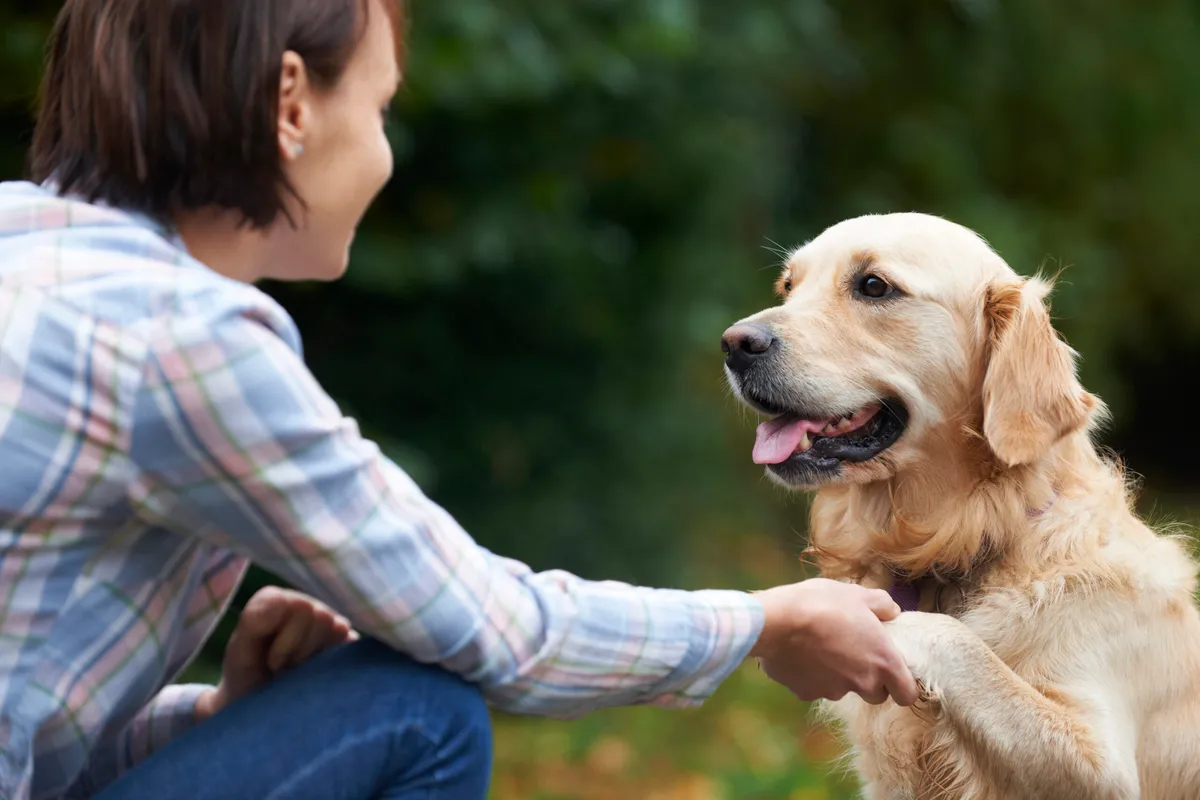
Pawing is often a two-way cuddle. When you pet your dog and they rest or press a paw back on you, it can be their way of returning the affection and staying connected — a mutual “I like this, let’s keep going.”
A specific request
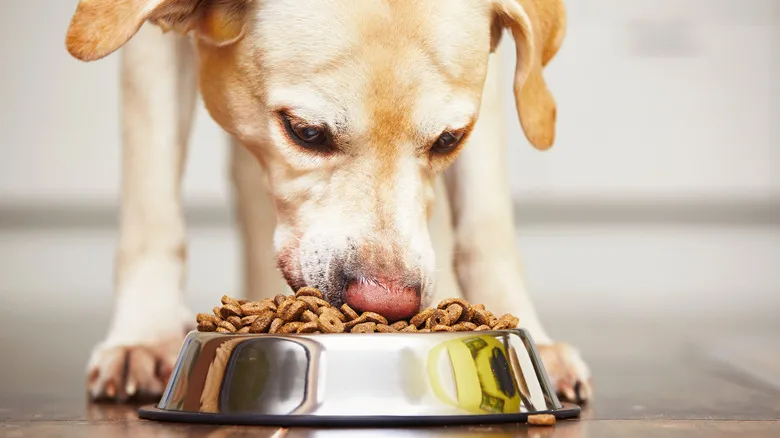
Dogs are great at telling us when they want something. A paw can mean “it’s dinner time,” “I need to go out,” or “please throw the toy.” If the pawing happens at predictable moments — mealtimes, walk times — your dog is very likely making a request.
Empathy and responding to your mood
Dogs are remarkably tuned in to our emotions. A dog who paws at you when you’re upset may be responding to your mood, offering comfort and closeness the way they’d seek it themselves.
Anxiety or insecurity
Sometimes pawing is a bid for reassurance rather than fun. An anxious or insecure dog may paw to re-establish contact and feel safe. If the pawing comes with other worried body language, it may be more about comfort than play.
It’s been reinforced
If a paw has reliably earned attention, a treat, or a game, your dog has learned that pawing works — and will do it more. Much persistent pawing is simply a habit we’ve unintentionally rewarded.
Pawing in specific situations
While you’re petting them
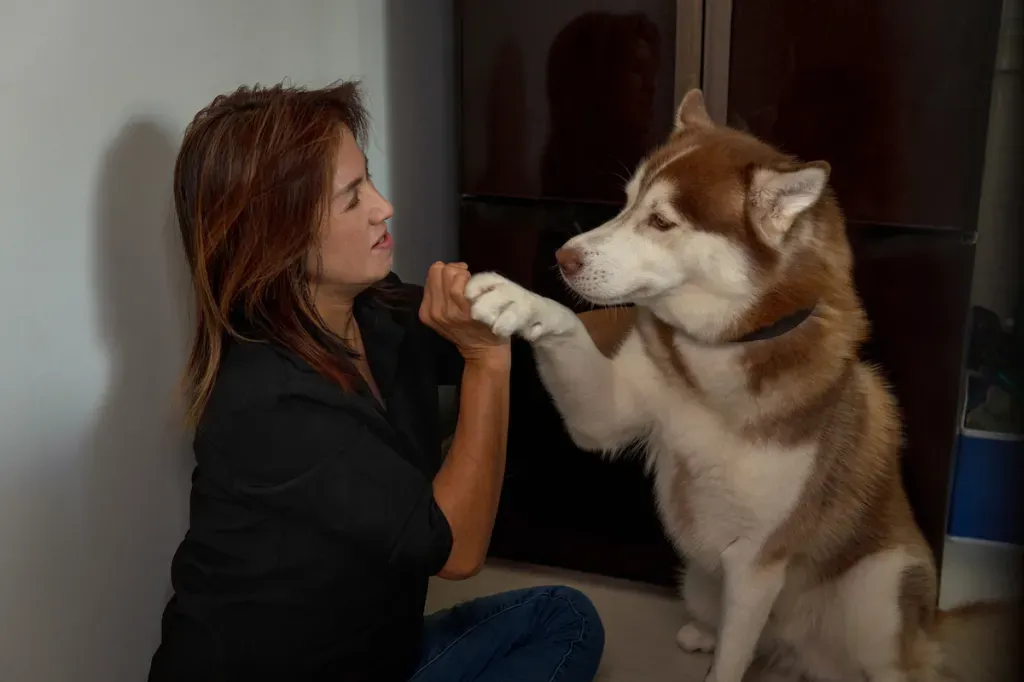
A paw placed on you mid-cuddle, especially when you stop, usually means “more, please.” It’s affectionate and a clear request to keep the attention coming.
At mealtimes or by the door
Pawing that lines up with dinner or walk times is a direct request. Your dog has learned when good things happen and is reminding you it’s time.
When you’re busy or ignoring them
A dog who paws when you’re on the phone or at your laptop is asking to be included. It’s a bid for attention — and the moment where it’s easiest to accidentally teach your dog that pawing gets results.
Pawing paired with whining
Pawing plus whining, pacing, or a worried expression leans more toward anxiety or an urgent need. Check whether your dog needs to go out, is in discomfort, or is feeling unsettled.
When it could signal a problem
Pawing is rarely a concern on its own, but a few patterns are worth attention. Constant, frantic pawing that you can’t interrupt, pawing paired with clear anxiety (whining, pacing, trembling, an inability to settle), or a sudden increase in pawing alongside other changes — restlessness, appetite changes, or signs of pain — can point to stress or a physical problem rather than simple affection. Pawing that’s become relentless and demanding is usually a learned habit, but a sudden, out-of-character change is worth mentioning to your vet.
How to respond to a dog who paws at you
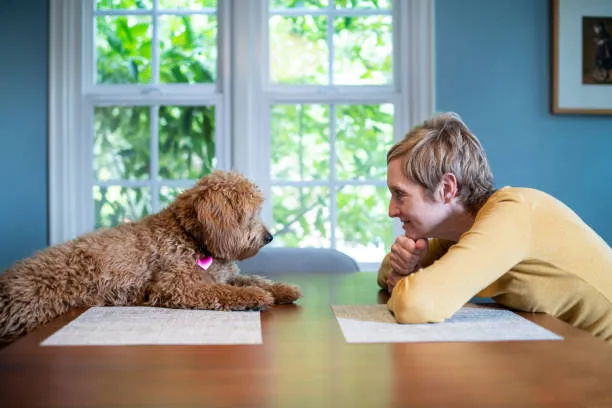
- Enjoy the gentle stuff: affectionate, relaxed pawing is a sweet way your dog connects with you — there’s no need to stop it if you don’t mind.
- Don’t reward pushy pawing: if you’d rather curb demanding pawing, avoid giving attention the instant your dog paws; wait for a calm moment and reward that instead.
- Answer real requests: rule out a genuine need — a meal, a bathroom break, water — before treating pawing as just attention-seeking.
- Teach an alternative: reward your dog for sitting calmly or settling to ask for attention, so they learn a politer way to start the conversation.
- Read the whole dog: loose and wiggly means affection or a simple request; tense, whiny, or frantic means check for anxiety or discomfort.
Reading your dog beyond the pawing
A paw on your arm can mean “pet me,” “feed me,” “include me,” or “I’m worried” — and knowing which is the whole point. That’s what Traini is built for: translating your dog’s behavior and emotional signals into plain language so you can understand why they’re reaching out. When you’re not sure whether your dog’s pawing is happy attention-seeking or a sign of anxiety, you can ask PetGPT about your specific situation and get an answer grounded in your dog’s context. For more on how your dog connects with you, see our guides on why your dog follows you everywhere and why your dog licks you so much.
Frequently asked questions
Why does my dog paw at me when I stop petting him?
That’s usually a clear request for more. Resting or tapping a paw on you when the petting stops is an affectionate way of saying “please keep going” — your dog is enjoying the contact and asking you to continue.
Why does my dog put his paw on me?
Placing a paw on you is most often about affection and connection — a two-way cuddle where your dog returns the contact. It can also be a bid for attention or a specific request, so the surrounding situation tells you which.
Is my dog pawing me a sign of dominance?
Almost always, no. Modern behavior science has largely set aside the “dominance” explanation for everyday behaviors like this. Pawing is far more likely to be about attention, affection, or a request than any attempt to control you.
How do I stop my dog from pawing at me constantly?
Avoid rewarding the paw with instant attention, rule out a genuine need, and reward your dog for calm behavior — like sitting — instead. Consistently answering the polite version and ignoring the pushy version teaches your dog a better way to ask.
This article is for general information and isn’t a substitute for professional veterinary or behavioral advice. If your dog’s pawing is sudden, frantic, or paired with whining, restlessness, or other changes in behavior, please contact your veterinarian.