



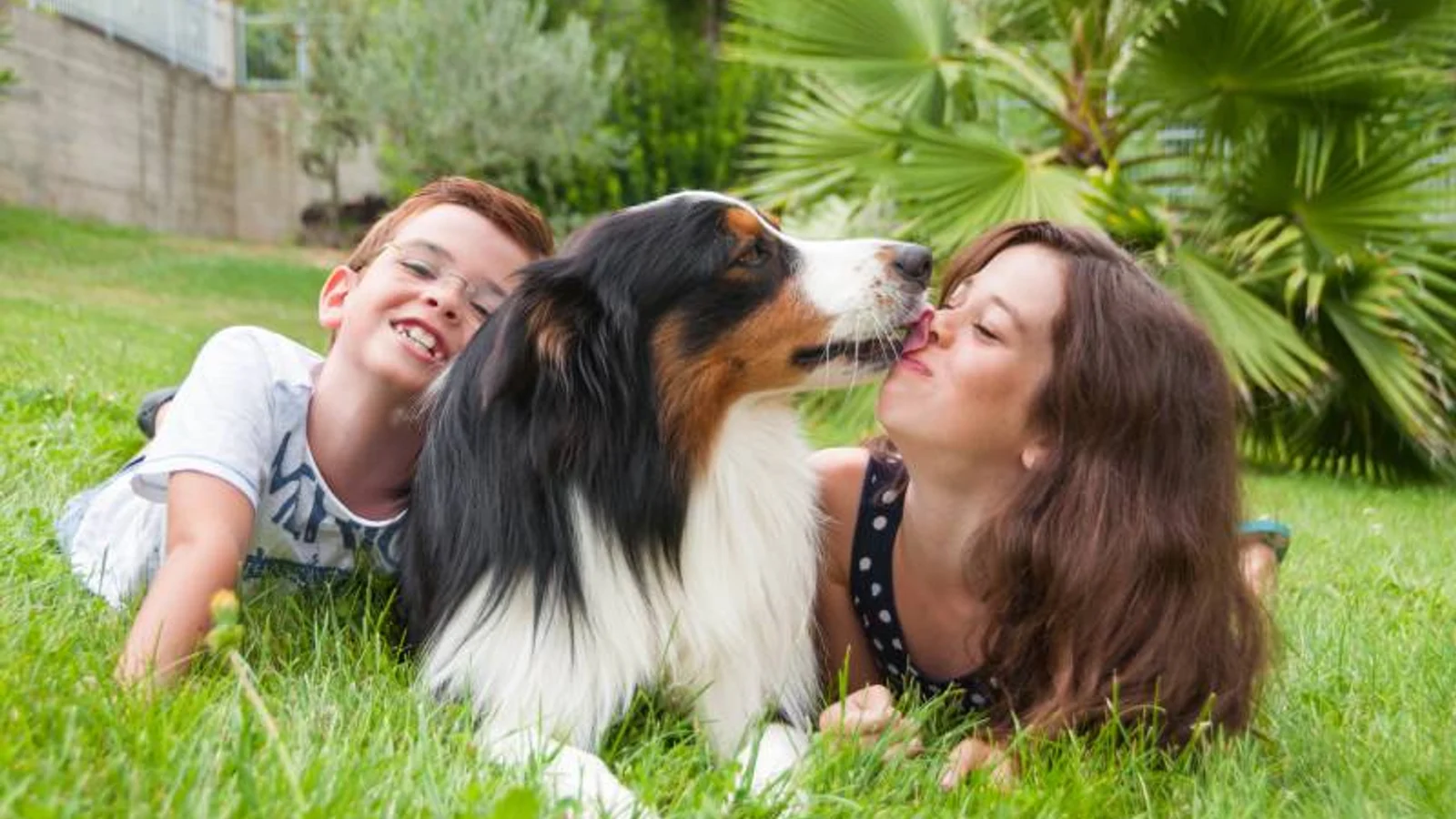
You sit down after a long day and your dog is right there, licking your hand, your arm, your face — and not stopping. For some dogs it’s a quick hello; for others it can feel almost non-stop. Licking is one of the most common ways dogs interact with us, and most of the time it’s your dog communicating something: affection, interest, a request, or occasionally a feeling they can’t shake.
Here’s what your dog is actually saying when they lick you so much, where the behavior comes from, and how to tell ordinary affection from licking that’s worth a closer look.
Is it normal for my dog to lick me so much?
For most dogs, yes. Licking is a natural, deeply wired behavior that starts in the first hours of life — a mother licks her puppies to clean and comfort them, and puppies lick in return. Carried into adulthood and aimed at you, it’s usually a sign of a close, relaxed relationship. It only becomes something to think about when it’s sudden, frantic, or so constant that it seems to soothe your dog rather than greet you.
Why does my dog lick me so much?
Affection and bonding
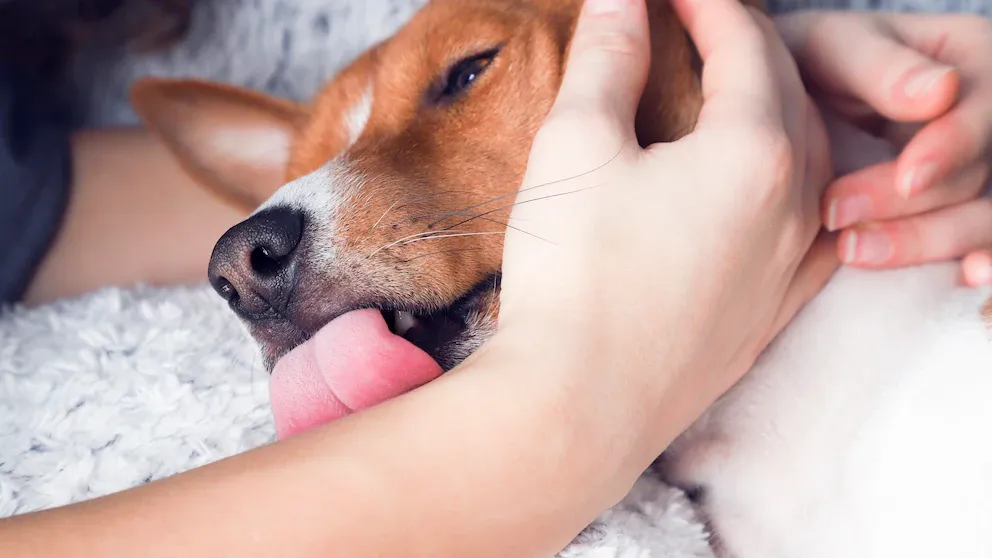
The most common reason is simple: your dog loves you. Licking releases pleasurable, calming endorphins, and for a dog it’s a natural way to show closeness — the equivalent of a hug or a kiss. A relaxed body, soft eyes, and a gently wagging tail alongside the licking usually mean pure affection.
You taste interesting
Humans are surprisingly flavorful. Salt from sweat, traces of the meal you just made, hand lotion, or the simple warmth of your skin can all make you worth a lick. Dogs explore the world through taste and smell, and your skin carries a lot of information about where you’ve been and what you’ve touched.
It gets a reaction
Dogs are quick learners. If licking has ever earned a laugh, a cuddle, or even a mild “stop that,” your dog has learned it reliably gets your attention. Many dogs lick simply because, in their experience, it works — it turns your focus toward them.
Grooming and social bonding
In a group of dogs, licking is a social glue — a way of grooming, greeting, and keeping the peace between pack members. When your dog licks you, they’re often treating you as family and reinforcing the bond, the same way they would with another trusted dog.
Empathy and comfort
Dogs are remarkably tuned in to our emotions. Many owners notice their dog licks them more when they’re upset, crying, or unwell. Licking a distressed person is thought to be both a self-soothing behavior and an attempt to comfort — your dog picking up on your mood and responding the only way they know how.
Stress, anxiety, or habit
Because licking is self-soothing, some dogs do it to manage their own anxiety. Repetitive licking that looks driven rather than friendly — especially paired with pacing, panting, or clinginess — can be a dog trying to calm themselves rather than connect with you.
Licking in specific moments
When you get home
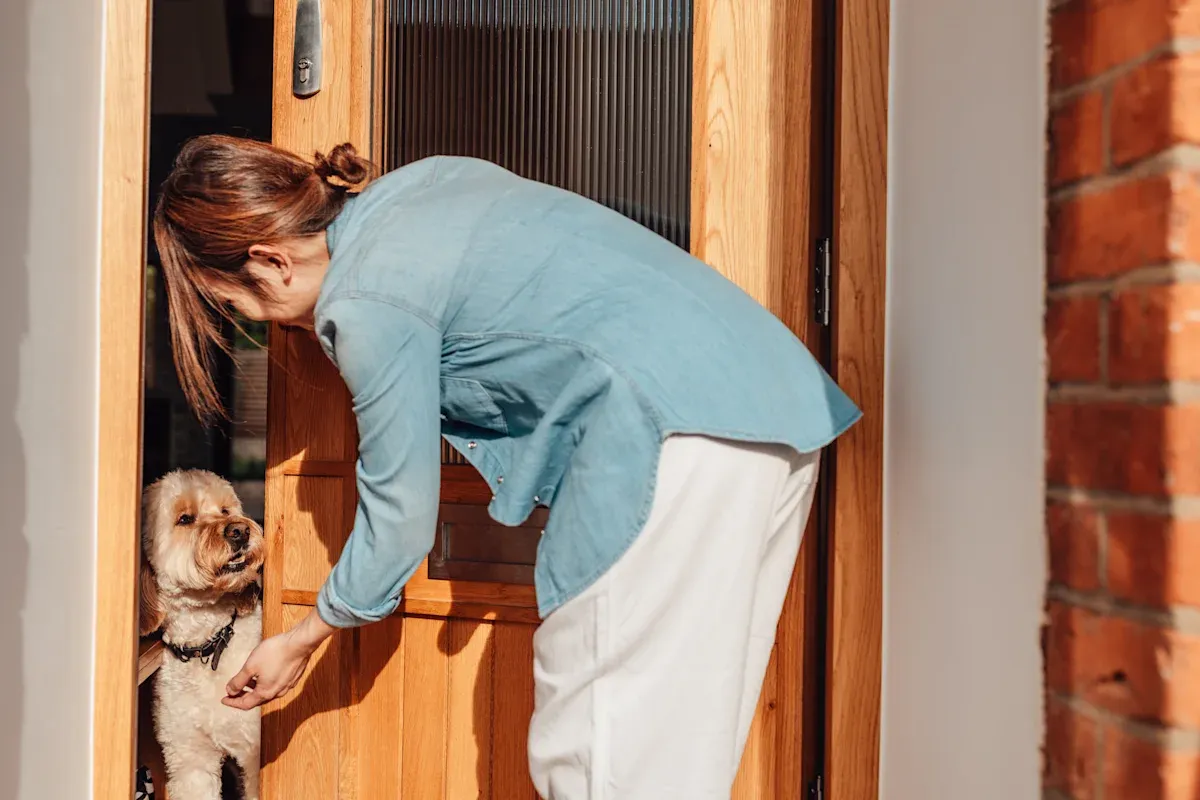
The enthusiastic greeting lick is tied to excitement and reunion. It echoes the way puppies greet returning adults in the wild, and it’s one of the clearest signs your dog is genuinely happy to see you.
While you pet them
Licking during a cuddle is usually contentment — a back-and-forth of affection. Your dog is enjoying the contact and returning it in kind.
Your face
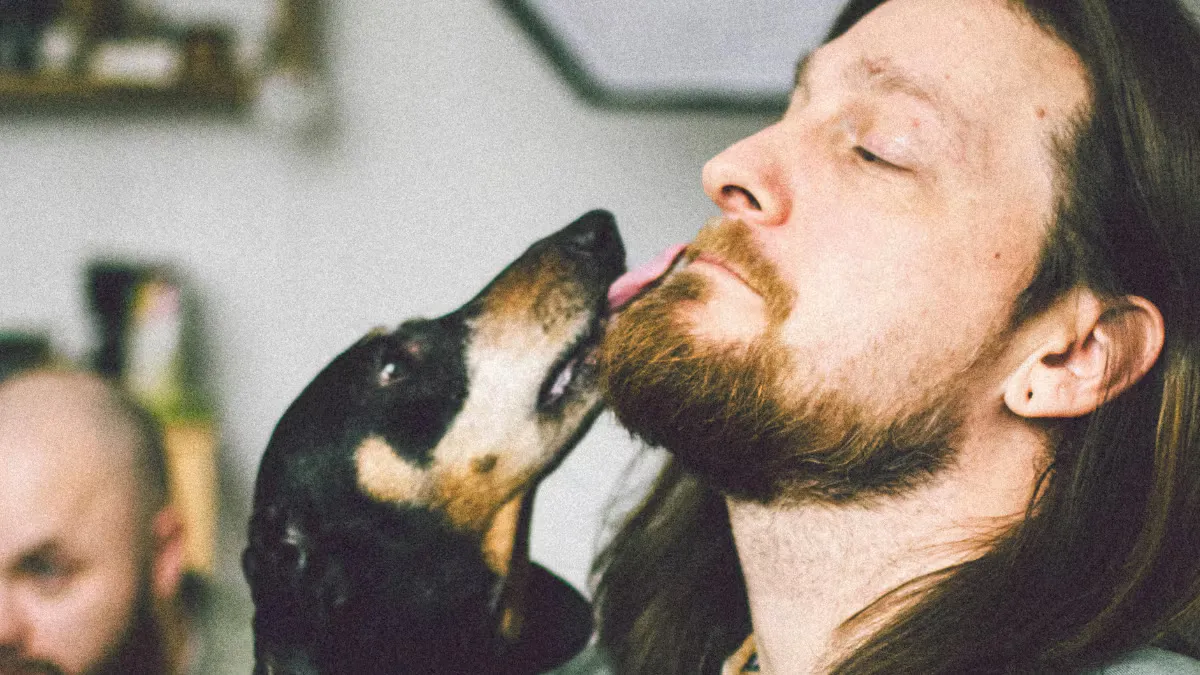
Face-licking is intimate, instinctive greeting behavior rooted in puppyhood. It’s almost always friendly, though it’s reasonable to redirect it gently if you’d rather not be licked on the mouth or nose.
Your hands and feet
Hands and feet carry strong scent and taste — sweat, lotion, everywhere you’ve walked. Persistent licking of these spots is often about flavor and scent as much as affection.
When licking could signal a problem
Occasionally, licking isn’t really about you. A dog that suddenly starts licking excessively — surfaces, the air, their own paws, or you — may be dealing with nausea, dental pain, skin irritation, or an itch they can’t reach. Licking that becomes compulsive, interrupts sleep or eating, or is paired with signs of stress can point to anxiety or, in older dogs, cognitive changes. A noticeable, persistent change in how much your dog licks is worth a veterinary check to rule out a medical cause.
How to respond to your dog’s licking
- Let gentle affection be: a few relaxed licks are your dog showing love — there’s no need to discourage it.
- Don’t reward pushy licking with attention: if constant licking is attention-seeking, calmly turn away or redirect to a settle or a chew rather than reacting each time.
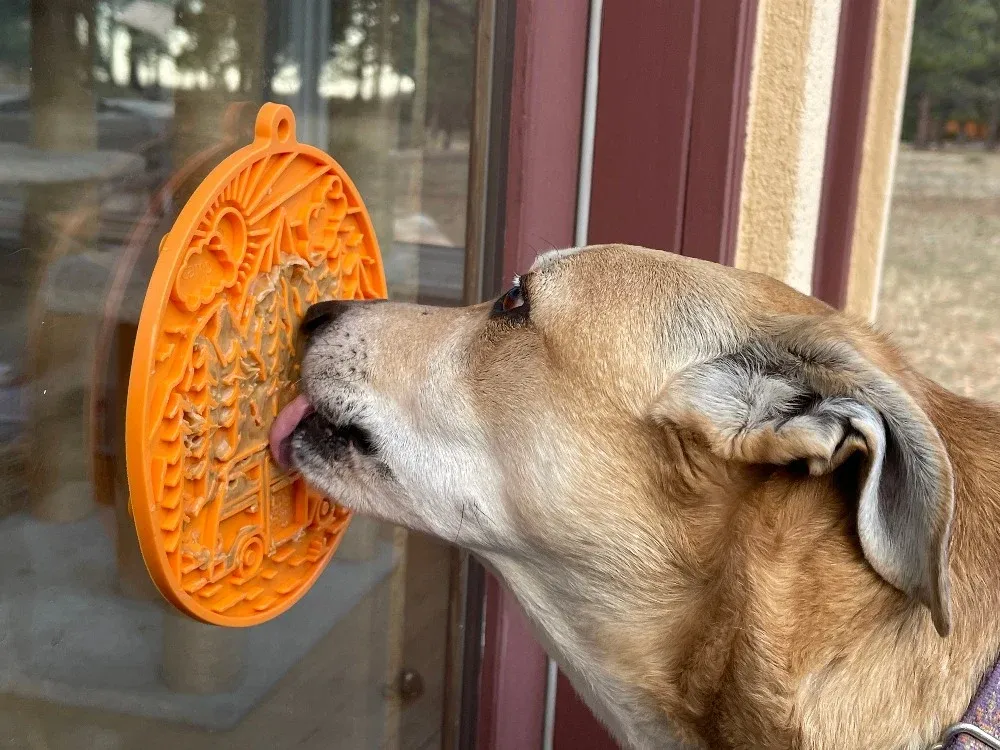
- Give the mouth a job: a lick mat, a stuffed toy, or a puzzle feeder channels the urge to lick into something satisfying.
- Look at the context: if licking spikes when you’re anxious or when your dog is left alone, the licking may be a symptom of stress worth addressing at the source.
- Check for discomfort: sudden excessive licking of you or themselves deserves a vet’s eye for pain, nausea, or skin issues.
Reading your dog beyond the licking
Licking is just one line in a much larger conversation. The real skill is reading it in context — your dog’s body, eyes, and situation together — to know whether they’re saying “I love you,” “pay attention to me,” or “I’m not feeling right.” That’s what Traini is built for: translating your dog’s emotional signals into plain language so you can understand why a behavior is happening. When you’re unsure whether that constant licking is affection or anxiety, you can ask PetGPT about your specific situation and get an answer grounded in your dog’s context. For more on canine communication, see our guides on why your dog stares at you and easing separation anxiety.
Frequently asked questions
Why does my dog lick me so much all of a sudden?
A sudden increase often has a trigger: you taste or smell different, your dog is picking up on your mood, or something has changed in their routine. If it’s truly out of character and paired with restlessness, licking of their own body, or signs of discomfort, check with your vet to rule out nausea, pain, or a skin issue.
Is my dog licking me a sign of love?
Usually, yes. Licking releases calming endorphins and is one of the main ways dogs show affection and strengthen a bond, especially when it comes with a relaxed body and soft eyes. It can also mean your dog wants attention or simply likes how you taste.
Should I let my dog lick my face?
Face-licking is normal, friendly behavior, but a dog’s mouth carries bacteria, so it’s reasonable to keep it off your mouth, nose, and eyes — and to avoid it with anyone with a weakened immune system or open skin. Redirecting gently to a hand or a toy is perfectly fine.
How do I get my dog to stop licking me so much?
Avoid reacting to attention-seeking licks, redirect the urge to a lick mat or chew, reward calm behavior, and make sure your dog is getting enough exercise and enrichment. If the licking seems driven by stress or appears suddenly, address the underlying cause rather than just the behavior.
This article is for general information and isn’t a substitute for professional veterinary or behavioral advice. If your dog’s licking is sudden, obsessive, directed at their own body or surfaces, or paired with other changes in behavior, please contact your veterinarian.