
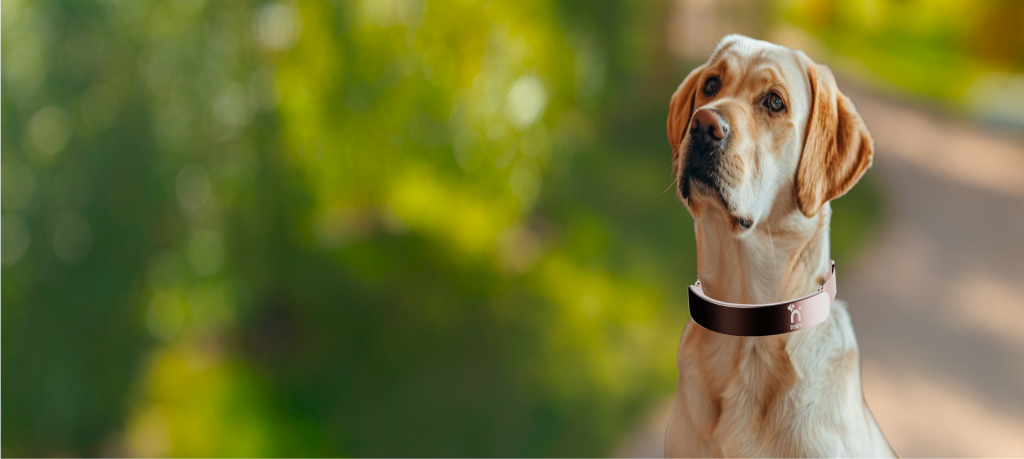


Panting is one of the most normal things a dog does — it’s how they cool themselves down after a walk, a game, or a warm afternoon. But panting is also one of the few outward signs a dog gives when something is seriously wrong, from heatstroke to pain to a heart problem. The challenge for owners is telling ordinary cooling apart from a warning you shouldn’t ignore.
The key is context. Below are the normal reasons dogs pant, the medical causes that need attention, and the specific red flags — like panting at rest or panting that won’t stop — that mean it’s time to call your vet.
Why do dogs pant? The normal explanation
Dogs don’t sweat through their skin the way we do. Instead, they regulate body temperature mainly by panting: rapid, shallow breathing moves air over the wet surfaces of the tongue, mouth, and lungs, and the evaporation carries heat away. A dog that’s just exercised, feels warm, or is a little worked up will pant to bring their temperature back down — and stop once they’ve cooled off.
Normal panting is easy to explain by what just happened. It’s rhythmic rather than frantic, eases off when your dog rests in a cooler spot, and comes with a relaxed body and a healthy pink tongue.
Normal panting vs. panting to worry about
Before assuming the worst, run through a quick mental checklist. Panting is usually normal when:
- There’s an obvious cause — heat, exercise, excitement — and it settles within a few minutes of resting
- Your dog’s gums are a healthy pink and their breathing isn’t labored
- They’re otherwise acting like themselves
Panting is worth a closer look when:
- It happens for no clear reason — your dog is cool, calm, and hasn’t exerted themselves
- It’s heavier, faster, or louder than usual, or looks like an effort to breathe
- It won’t stop, or comes with other symptoms like drooling, restlessness, or weakness
Harmless reasons dogs pant
Heat and cooling down
The most common reason by far. On a warm day, or after time in the sun, panting is simply your dog’s air conditioning at work. Make sure shade and fresh water are always available, and never leave a dog in a parked car.
Exercise and exertion
After a run, a game of fetch, or a long walk, a dog pants to recover — just like we breathe hard after a workout. This panting should steadily slow as they catch their breath and cool off.
Excitement or happiness
An excited dog often pants: before a walk, when you come home, or during play. Paired with a loose, wiggly body and a wagging tail, this is a happy dog, not a distressed one.
Stress, fear, or anxiety
Panting is also one of the most common signs of stress in dogs. Thunderstorms, fireworks, car rides, vet visits, or being left alone can all trigger it. Look for other worry signals alongside the panting — a tucked tail, pacing, lip-licking, yawning, or trembling. Our guides on easing separation anxiety and why dogs shake cover how to tell stress from other causes and help a worried dog settle.
Medical reasons dogs pant
When panting isn’t explained by heat, exercise, or excitement, a health issue may be behind it. These range from manageable conditions to true emergencies.
Heatstroke — a medical emergency
Heavy, frantic panting is the first sign of overheating, and heatstroke can become life-threatening within minutes. Warning signs include excessive drooling, bright or dark red gums, vomiting or diarrhea, wobbliness, and collapse. If you suspect heatstroke, move your dog to a cool, shaded place, offer small amounts of water, begin cooling them with room-temperature (not ice-cold) water, and contact a vet or emergency clinic immediately.
Pain or injury
Dogs instinctively hide pain, and panting is sometimes the only clue. Pain-related panting often appears out of context — your dog is at rest and comfortable-seeming — and may come with reluctance to move, a hunched posture, or sensitivity when touched.
Heart or respiratory problems
Panting at rest, especially with coughing, tiring easily, or gums that look pale, bluish, or grey, can point to a heart or lung condition that’s making it harder for your dog to get enough oxygen. This warrants prompt veterinary attention.
Cushing’s disease
Excessive panting, often paired with increased thirst, more frequent urination, a pot-bellied appearance, and hair loss, can be a sign of Cushing’s disease — a hormonal disorder most common in older dogs. It’s diagnosed and managed by a vet.
Poisoning or toxins
Sudden heavy panting, sometimes with tremors, drooling, vomiting, or agitation, can signal that your dog has eaten something toxic. Toxin exposure is an emergency — contact your vet or an animal poison control line right away.
Medications
Some medications, particularly steroids like prednisone, list panting as a common side effect. If panting started after a new prescription, mention it to your vet rather than stopping the medication yourself.
Panting at night or while resting — a bigger red flag
Panting that happens when your dog is cool, calm, and hasn’t exercised is the pattern most worth paying attention to. A dog panting heavily at night, or “after doing nothing,” isn’t cooling down or burning off excitement — so the cause is more likely to be discomfort, anxiety, pain, or an underlying medical condition. In senior dogs especially, new or persistent resting panting deserves a veterinary check-up.
When dog panting is an emergency
Call your veterinarian — or an emergency clinic — right away if panting comes with any of these:
- It’s sudden, frantic, or won’t stop
- Breathing looks labored, noisy, or like hard work
- Gums are blue, grey, pale, or brick-red instead of healthy pink
- Weakness, stumbling, or collapse
- You suspect heatstroke or that your dog ate something toxic
- It’s paired with vomiting, a swollen belly, or obvious distress
How to calm a panting dog
- Cool them down: move to shade or air conditioning, offer fresh water, and wet their paws and belly if they’re hot.
- Remove the stressor: if the trigger is noise or a tense situation, help your dog reach a quiet, safe space.
- Stay calm yourself: steady, low-key reassurance helps an anxious dog settle faster.
- Know when to stop waiting: if the panting doesn’t ease, or any red flag above appears, call your vet.
What your dog’s panting is telling you
Because panting can mean anything from “I’m happy” to “I’m overheating” to “I’m in pain,” the most useful skill is reading it in context — your dog’s body language, the environment, and whether anything has changed. That’s exactly what Traini is built for: translating your dog’s emotional and physical signals into plain language, so you can tell excitement from stress from discomfort. The Traini smart collar continuously tracks heart rate and stress levels, which can help you catch a change early rather than guessing — and when you’re unsure what panting means, you can ask PetGPT about your specific situation and get guidance grounded in your dog’s context.
Frequently asked questions
When should I worry about my dog panting?
Worry when panting has no obvious cause, won’t stop, looks labored, or comes with other symptoms like pale or bluish gums, drooling, weakness, or collapse. Panting while cool and resting is more concerning than panting after heat or exercise.
Why is my dog panting after doing nothing?
Panting with no exertion or heat to explain it can reflect stress or anxiety, pain, or an underlying issue such as a heart condition, Cushing’s disease, or a medication side effect. Because it’s out of context, it’s worth mentioning to your vet, especially if it’s new or frequent.
Why is my dog panting at night?
Nighttime panting can be about temperature or anxiety when the house goes quiet, but in older dogs it can also reflect pain or a chronic condition. If it’s new, heavy, or happening in a cool room, have your dog checked.
How can I calm my panting dog down?
Cool them down with shade and water, remove any stressor, and keep your own energy relaxed. If the panting is from heat and doesn’t settle quickly, treat it as a possible emergency and contact your vet.
This article is for general information and isn’t a substitute for professional veterinary advice. If your dog’s panting is sudden, heavy, happening at rest, or paired with any of the warning signs above, please contact your veterinarian.