

Dogs throw up for all sorts of reasons — eating too fast, a sudden diet change, scavenging, grass, or a mild stomach upset are common and usually pass on their own. But vomiting that’s repeated, contains blood, or comes with lethargy, a bloated belly, or a dog who just seems unwell can signal something serious and needs a vet. The key is telling an ordinary one-off from a red flag.
A single pile on the kitchen floor from an otherwise bright, bouncy dog is rarely a crisis. The picture changes when it keeps happening or your dog looks “off” — so this guide walks through the common causes, the warning signs that mean call the vet, and what you can safely do at home.
Vomiting vs regurgitation: a quick but useful difference
True vomiting is active — heaving, drooling and abdominal effort — and brings up partly digested food or yellow bile. Regurgitation is passive: food comes back up effortlessly, often undigested and tube-shaped, soon after eating. They point to different problems, so it’s worth noticing which one you’re seeing when you describe it to your vet.
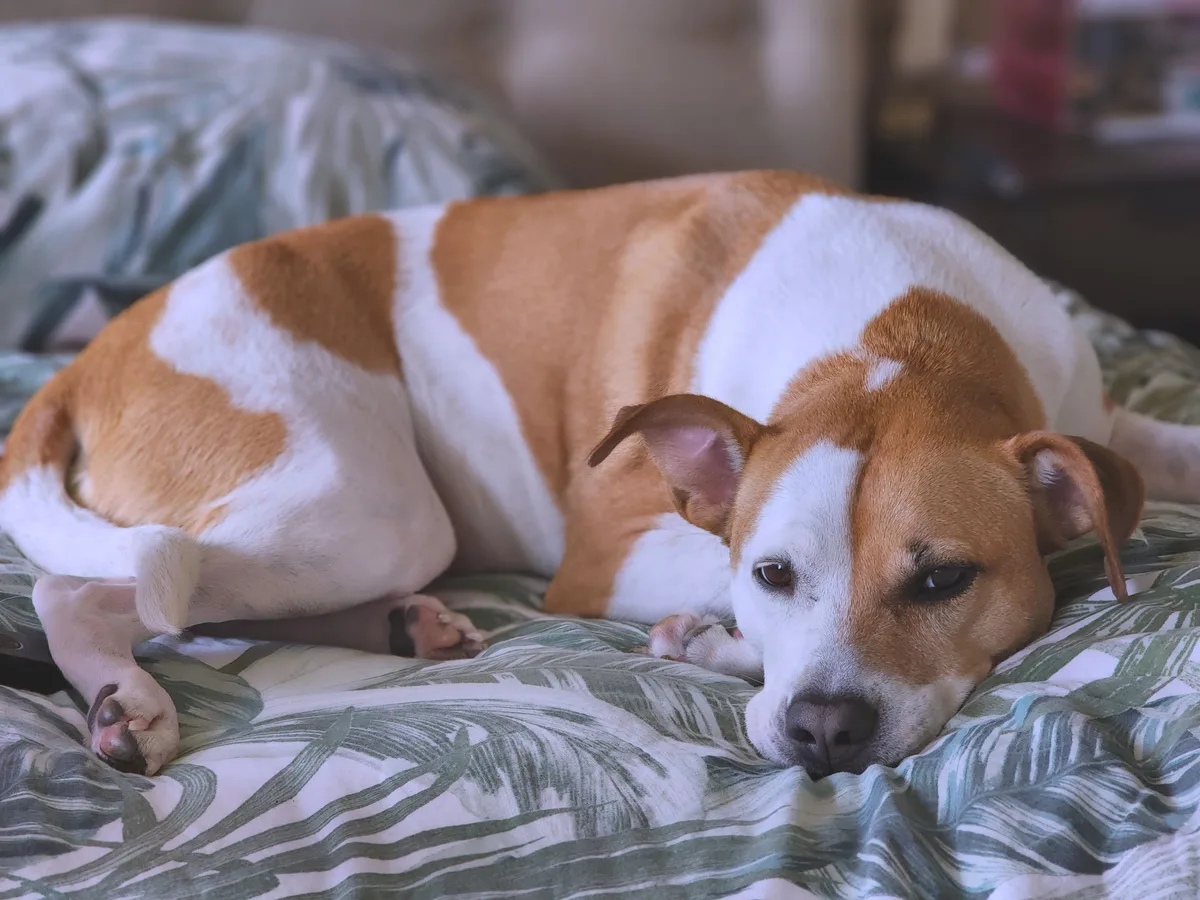
Common reasons dogs throw up
Eating too fast or too much
Gulping food or water, or simply overeating, is one of the most common causes. The classic sign is a dog who wolfs dinner and brings it straight back up, then wants to eat it again and is otherwise completely normal.
Diet change or dietary indiscretion
Switching foods too quickly, or your dog raiding the bin, eating table scraps, or snacking on something they found outside, often upsets the stomach. A richer or fattier meal than usual can do it too.
Eating grass
Many dogs nibble grass and then bring it back up. It’s usually harmless, though it can sometimes mean a mildly unsettled stomach. Our guide on why dogs eat grass digs into this.
An empty stomach (bilious vomiting)
Some dogs throw up yellow, foamy bile first thing in the morning after a long gap without food. A smaller late-night snack often helps settle this pattern.

Mild stomach bugs
A short-lived viral or bacterial upset can cause a bout of vomiting that resolves in a day, much like a 24-hour bug in people.
More serious causes
Vomiting can also be a sign of something significant — a swallowed object or blockage, pancreatitis, poisoning, infections like parvovirus, or underlying disease of the kidneys, liver or other organs. These need veterinary care, and the warning signs below help you spot them.
When to call the vet
Contact your vet promptly, or seek emergency care, if your dog shows any of these:
- Repeated vomiting — more than once or twice, or ongoing for more than 24 hours
- Blood in the vomit (fresh red or like coffee grounds)
- A bloated, hard or painful belly, or unproductive retching — this can signal bloat, a life-threatening emergency
- Lethargy, weakness or collapse
- Diarrhea at the same time, or signs of dehydration
- Suspected poisoning or a swallowed object
- A puppy, senior, or dog with an existing health condition — these dogs have less reserve and should be seen sooner
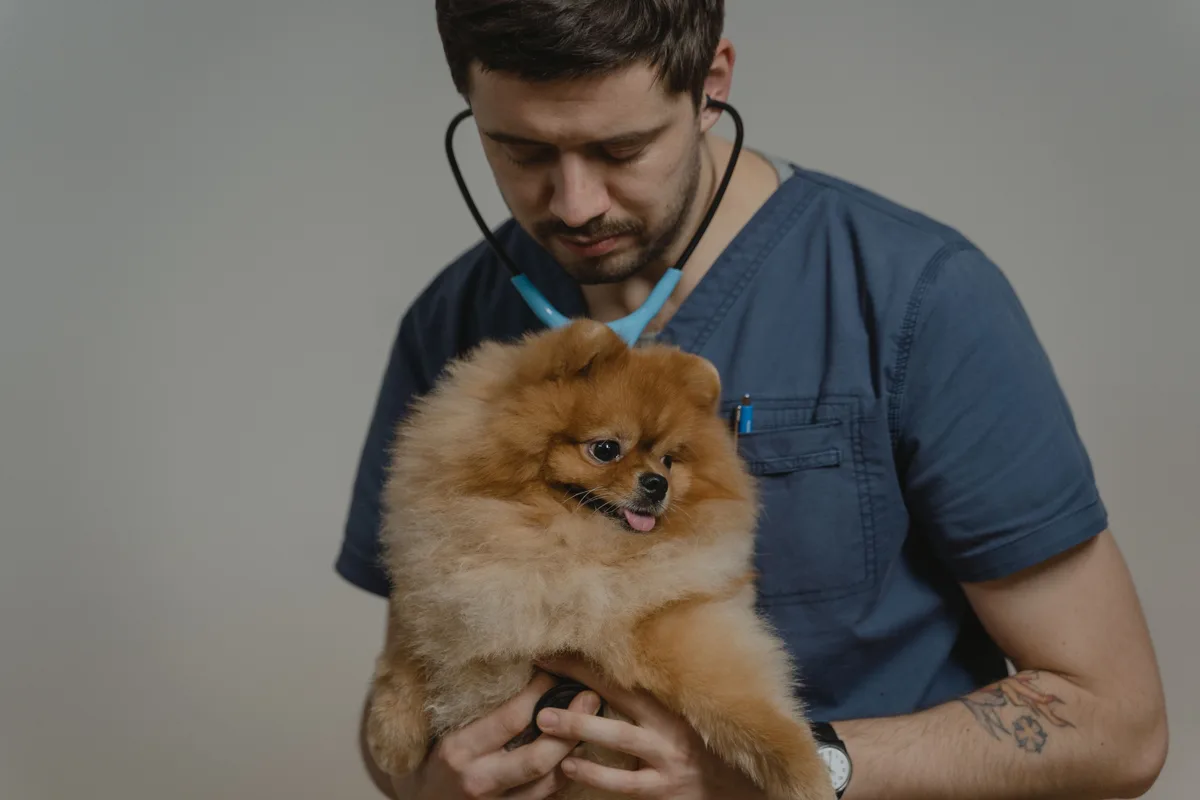
What you can do at home for mild cases
If your dog vomited once but is bright, alert and otherwise themselves, you can often help them settle:
- Rest the stomach: withhold food for a few hours (not longer, and not for young puppies), while keeping water available.
- Offer small sips of water so they stay hydrated without overloading the stomach.
- Reintroduce a bland meal: small amounts of plain boiled chicken and white rice, then gradually return to normal food over a day or two.
- Watch closely: if vomiting returns, they stop drinking, or any warning sign appears, call your vet.
Don’t give human anti-sickness or pain medicines unless your vet directs you — some are dangerous to dogs.
Reading your dog beyond the vomiting
A dog who feels sick usually tells you in other ways — going quiet, pacing, lip-licking, drooling, or turning away from food they’d normally love. Traini’s AI dog translator helps you read those behavioral and emotional signals, so you can tell a passing upset that’ll settle from the kind of discomfort that means it’s time to call the vet. For related symptoms, see our guides on why your dog is shaking and why your dog is panting.
Frequently asked questions
My dog threw up once but seems fine — should I worry?
Usually not. A single vomit from a dog who’s otherwise bright, eating, and acting normally is often just a passing upset. Keep an eye on them, offer water and a bland meal, and call your vet if it happens again or they start to seem unwell.
Why is my dog throwing up yellow foam?
Yellow, foamy vomit is bile, and it often shows up on an empty stomach — commonly early morning before breakfast. A smaller bedtime snack can help. If it becomes frequent or your dog seems unwell, have your vet check for an underlying cause.
When is dog vomiting an emergency?
Treat it as urgent if there’s blood, repeated or nonstop vomiting, a bloated or painful belly, unproductive retching, lethargy or collapse, or if you suspect poisoning or a swallowed object. Puppies, seniors and dogs with health conditions should be seen sooner rather than later.
Should I withhold food after my dog vomits?
For an adult dog who vomited once and is otherwise well, resting the stomach for a few hours while keeping water available can help, followed by a small bland meal. Don’t fast puppies or dogs with other illness, and call your vet if you’re unsure.
This article is for general information and isn’t a substitute for professional veterinary advice. If your dog is vomiting repeatedly, has blood in the vomit, or seems unwell in any way, please contact your veterinarian.