
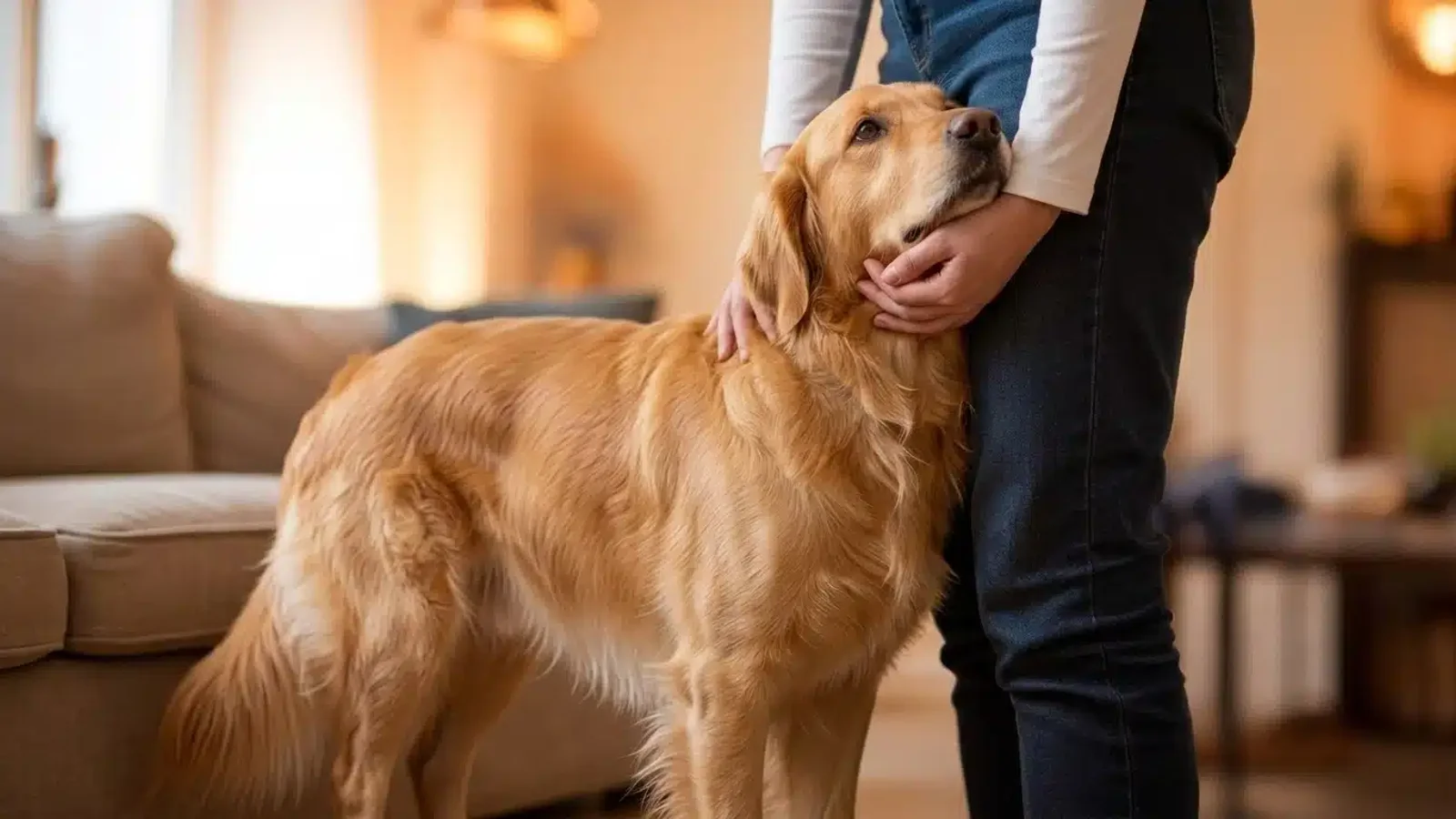
You’re standing in the kitchen and your dog quietly walks over, turns, and presses their full weight against your legs — not asking to be picked up, not nudging for a treat, just leaning. It’s one of the sweetest, most understated things a dog does, and most of the time it means exactly what it feels like: your dog wants to be close to you and feels safe doing it.
Here’s what it means when your dog leans on you, why some dogs do it constantly, and when a lean is less about affection and more about needing reassurance.
Is it normal for my dog to lean on me?
Yes — leaning is a completely normal and usually affectionate way for dogs to connect with the people they trust. Pressing against you is a form of physical contact that strengthens your bond and, for many dogs, simply feels good and safe. It’s only worth a closer look when the leaning is paired with trembling, clinginess, or other signs of fear or illness — in which case your dog may be asking for reassurance rather than offering affection.
The science: contact, trust, and reassurance
Dogs are deeply social animals who use body contact to communicate and to feel secure. Leaning puts your dog in direct physical touch with you, and that contact has a genuinely calming effect — it lowers stress and reinforces the sense that you’re their safe base. In the wild, canines rest and stand in contact with trusted group members; a dog leaning on you is drawing on that same instinct, treating you as the one they want at their side.
Why does my dog lean on me?
Affection and bonding
The most common reason is love. Leaning is a quiet, full-body way of saying “I want to be near you.” For many dogs it’s the equivalent of a hug — close, warm contact with their favorite person.
Seeking security and reassurance
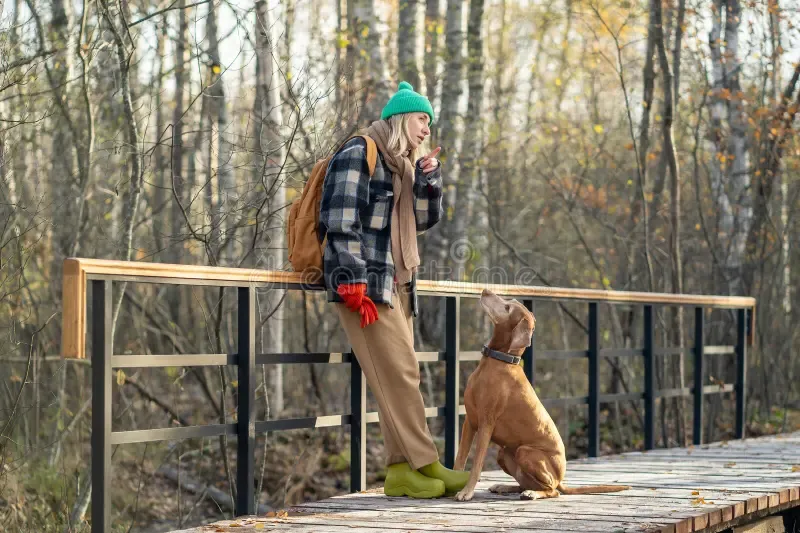
You are your dog’s safe place. Leaning lets them stay in contact with that security, especially in a busy, loud, or unfamiliar setting where your presence helps them feel steadier.
Attention-seeking
Leaning is also a polite, effective way to get noticed. A dog that presses against your leg may simply be asking for your attention — a bit of petting, a word, or just acknowledgment that you’re there.
Anxiety or fear
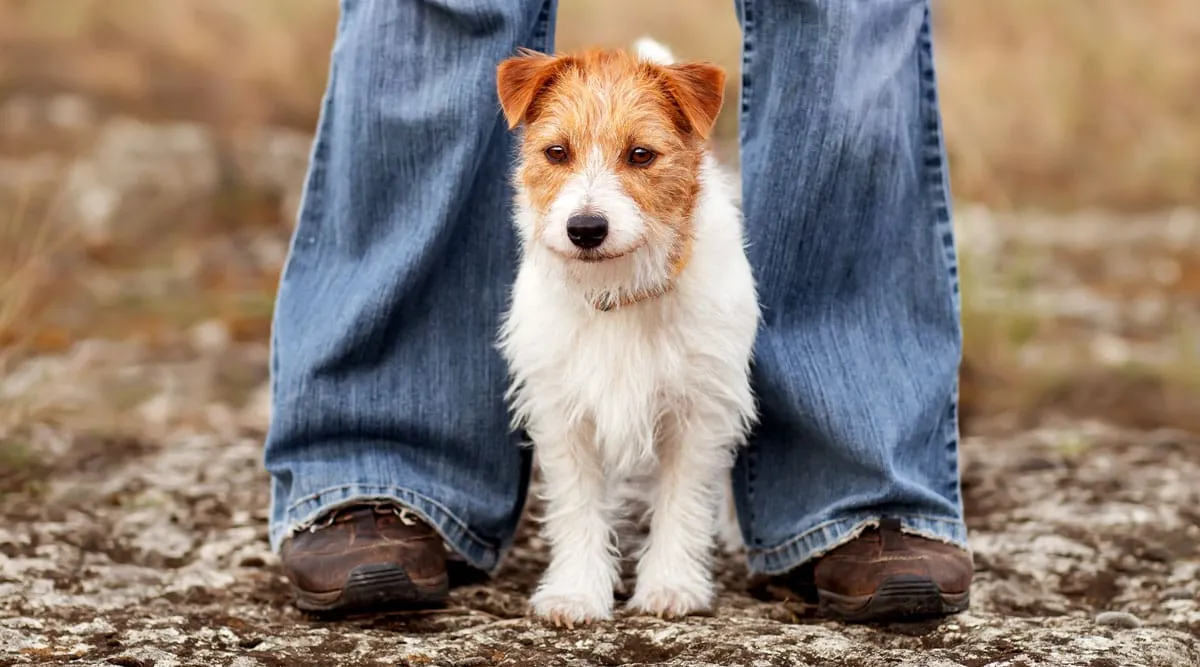
Sometimes a lean is a bid for comfort in a worrying moment. A dog that’s nervous at the vet, during fireworks, or around strangers may lean hard into you to borrow some of your calm. This kind of leaning usually comes with other worried body language.
Not feeling well
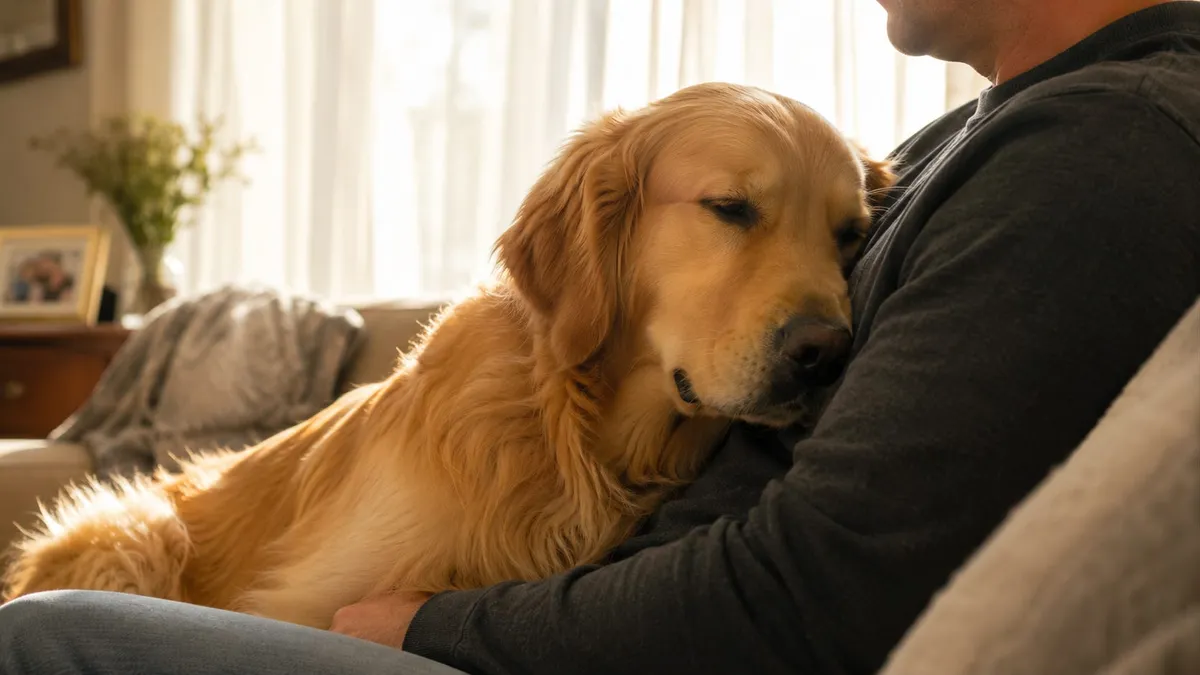
A dog that suddenly leans more than usual may be seeking comfort because they feel unwell, or in some cases leaning for physical support. An out-of-character increase in leaning, especially with other changes, is worth noticing.
It’s been reinforced
If leaning has reliably earned affection or attention, your dog has learned that it works — and will keep doing it. Much steady, everyday leaning is simply a sweet habit you’ve both built together.
Leaning in specific situations
Leaning while standing calmly
A relaxed lean while your dog stands quietly beside you is classic affection and companionship — loose body, calm demeanor, just wanting contact.
Leaning in new or scary places
Leaning that shows up at the vet, in crowds, or during loud noises is usually about reassurance. Your dog is using your body as an anchor to feel safe, which is a healthy way to cope.
Leaning then looking up at you
A lean paired with a soft, upward glance is often a request — for attention, affection, or sometimes a specific need. Your dog is making contact and checking in with you at the same time.
A sudden increase in leaning
A dog that abruptly starts leaning far more than usual may be responding to stress, a change at home, or not feeling well. A sudden shift is the pattern most worth paying attention to.
When it could signal a problem
Leaning is rarely a concern on its own, but a few patterns deserve attention. Watch for leaning paired with trembling, pacing, a tucked tail, or other signs of fear, clinginess that has clearly grown out of character, or a sudden increase alongside changes in appetite, energy, or balance. Leaning for what looks like physical support, or a new, persistent need to press against you, is worth mentioning to your vet to rule out discomfort, anxiety, or a medical cause rather than assuming it’s just affection.
How to respond to a dog who leans on you
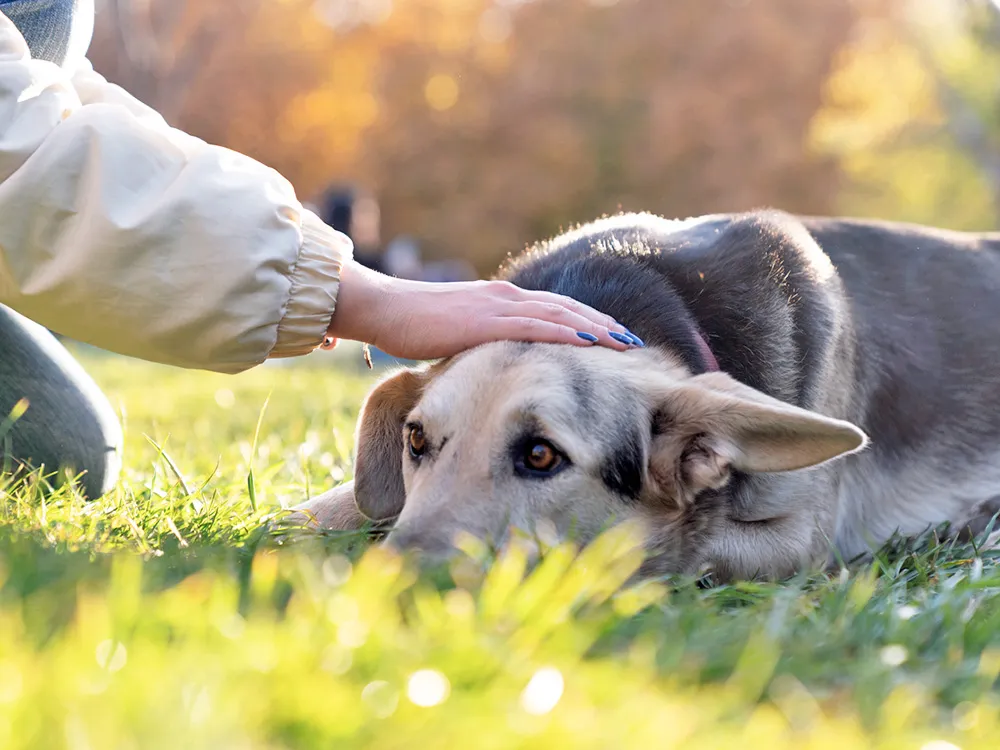
- Enjoy the affectionate kind: a relaxed lean from a calm dog is a compliment and a bonding moment — there’s no need to discourage it if you don’t mind the contact.
- Offer calm reassurance when it’s fear: if your dog leans in a scary situation, stay steady and let them borrow your calm rather than fussing or pulling away.
- Answer real requests: rule out a genuine need — attention, a bathroom break, water — before treating a lean as pure habit.
- Reward calm, not pushiness: if you’d rather manage demanding leaning, give attention when your dog is settled rather than the instant they press into you.
- Read the whole dog: loose and relaxed means affection; tense, trembling, or newly clingy means check for anxiety or discomfort.
Reading your dog beyond the leaning
A lean can mean “I love you,” “I feel safe with you,” or “I’m scared, stay close” — and knowing which is the whole point. That’s what Traini is built for: translating your dog’s behavior and emotional signals into plain language so you can understand why they’re reaching out. When you’re not sure whether your dog’s leaning is happy affection or a sign of anxiety, you can ask PetGPT about your specific situation and get an answer grounded in your dog’s context. For more on how your dog shows closeness, see our guides on why your dog sits on you and why your dog sleeps on you.
Frequently asked questions
Why does my dog lean on me and not anyone else?
Dogs usually lean on the person they feel most bonded to and safe with. If your dog chooses you, it’s typically a sign you’re their comfort person — the one they most want close when they seek contact or reassurance.
Is my dog leaning on me a sign of dominance?
Almost never. Modern behavior science has largely set aside the “dominance” explanation for everyday behaviors like this. Leaning is far more likely to be about affection, security, or attention than any attempt to control you.
Why does my dog lean on me when we’re out on walks?
Out in the world there’s more to take in, so leaning often becomes a way to check in and feel safe. If your dog leans during walks, especially near traffic, strangers, or other dogs, they may be using you as a reassuring anchor.
Should I worry if my dog suddenly leans on me more?
A sudden, out-of-character increase is worth a closer look, particularly if it comes with trembling, clinginess, or changes in appetite, energy, or balance. When leaning changes abruptly alongside other signs, check with your vet to rule out anxiety or a medical cause.
This article is for general information and isn’t a substitute for professional veterinary or behavioral advice. If your dog’s leaning is sudden, paired with trembling or other signs of fear, or accompanied by changes in health or balance, please contact your veterinarian.