

When the cranberry sauce comes out at Thanksgiving, there’s a good chance a hopeful dog is parked under the table. Cranberries are one of those foods people aren’t sure about — a superfood for us, but safe to share? The short answer is yes, in moderation and in the right form. The longer answer is all about the difference between a plain cranberry and the sugary, boozy, or raisin-dotted versions that show up around the holidays.
Here’s what to know about dogs and cranberries — the benefits, the real risks, how much is sensible, and what to do if your dog helps themselves to the cranberry sauce.
Can dogs eat cranberries?
Yes. Plain cranberries — fresh, frozen, or unsweetened dried — are safe for dogs in small amounts and non-toxic. They’re even found in some dog foods and treats. What turns a safe berry into a problem is everything we tend to do to cranberries: cranberry sauce is loaded with sugar, juice is often sweetened, and holiday mixes can hide genuinely dangerous ingredients. So the fruit gets a green light; the preparations need a closer look.
Are cranberries good for dogs?
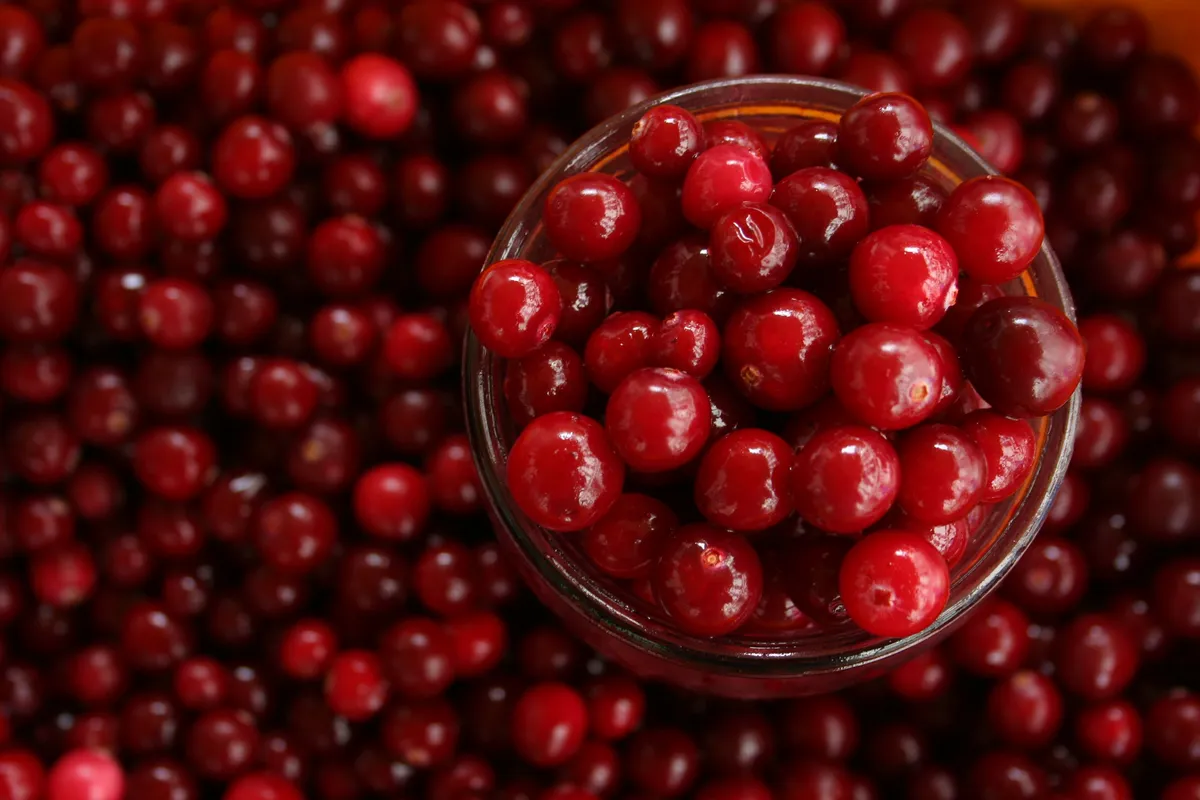
In moderation, cranberries offer some real perks:
- Antioxidants: cranberries are rich in antioxidants that help combat cell damage and support overall health.
- Vitamins and fiber: they provide vitamin C, vitamin E, and fiber in a low-calorie package.
- Urinary-health reputation: cranberries are often associated with urinary tract health, though the evidence in dogs is less clear-cut than the marketing suggests — talk to your vet before using them to treat or prevent anything.
They’re a fine occasional treat, but they’re a treat, not a supplement — and not a substitute for veterinary care if your dog has a urinary issue.
When cranberries can be a problem
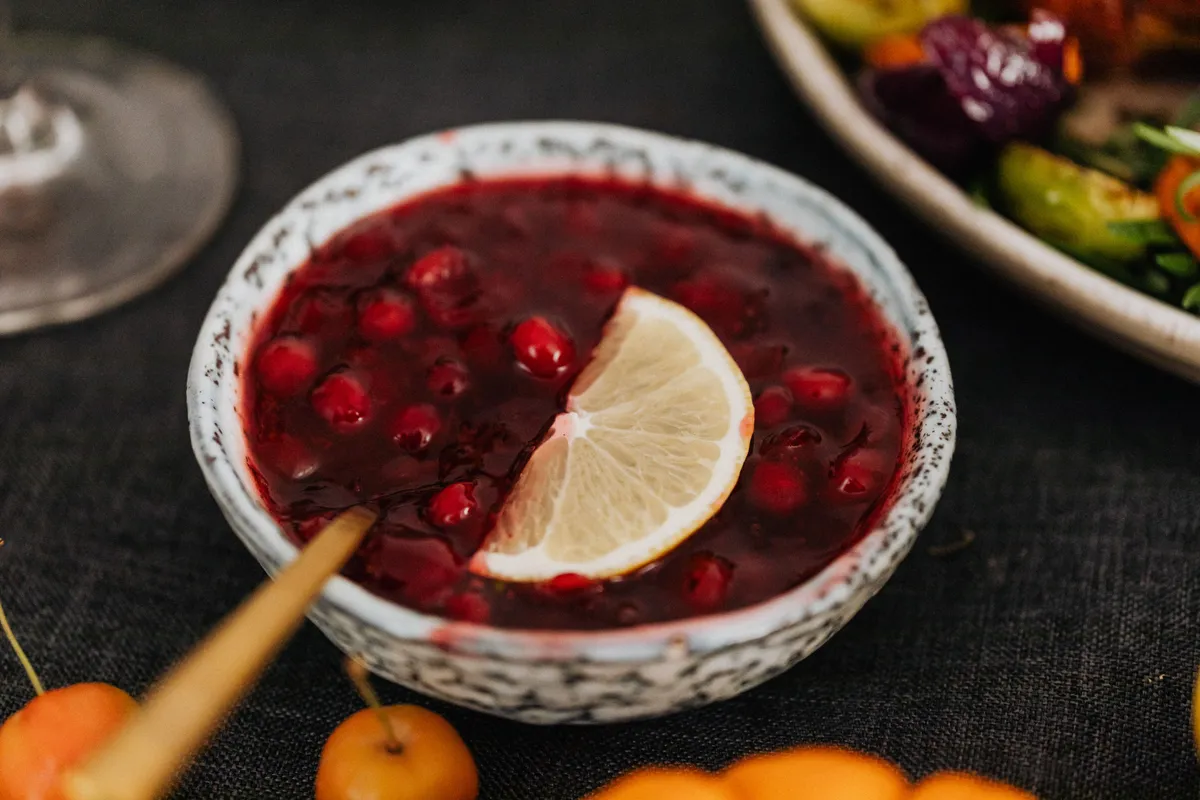
The plain berry is low-risk. The danger lives in the holiday versions:
Cranberry sauce
Most cranberry sauce is packed with sugar, which isn’t good for dogs and can cause stomach upset. Some homemade recipes also add orange zest, spices, or even a splash of liqueur — none of which belong in a dog. A tiny lick is unlikely to hurt, but sauce shouldn’t be on the menu.
Raisins and grapes — the hidden danger
This is the one to take seriously. Dried cranberry mixes, trail mixes, and some baked goods often combine cranberries with raisins, and raisins and grapes are toxic to dogs and can cause kidney failure. Always check that a “cranberry” snack doesn’t actually contain raisins before sharing — and if it might, don’t risk it.
Sweetened juice and added sugar
Cranberry juice cocktail is heavily sweetened and sometimes contains other fruit juices; it’s not a good choice for dogs. Skip the juice and stick to the plain berry.
Too many at once
Even plain cranberries, in large amounts, can cause an upset stomach or diarrhea. Their tart taste means most dogs won’t gorge, but moderation still applies.
How many cranberries can a dog eat?
Keep it small. Treats of any kind should make up no more than 10% of your dog’s daily calories, and cranberries are best given as an occasional snack rather than a daily one. A few berries is plenty for a small dog; a slightly larger portion is fine for a big dog. Introduce them slowly, in tiny amounts, and watch for any digestive upset. If your dog has a history of bladder stones or any health condition, check with your vet first, since cranberries can affect urine chemistry.
How to feed cranberries to your dog
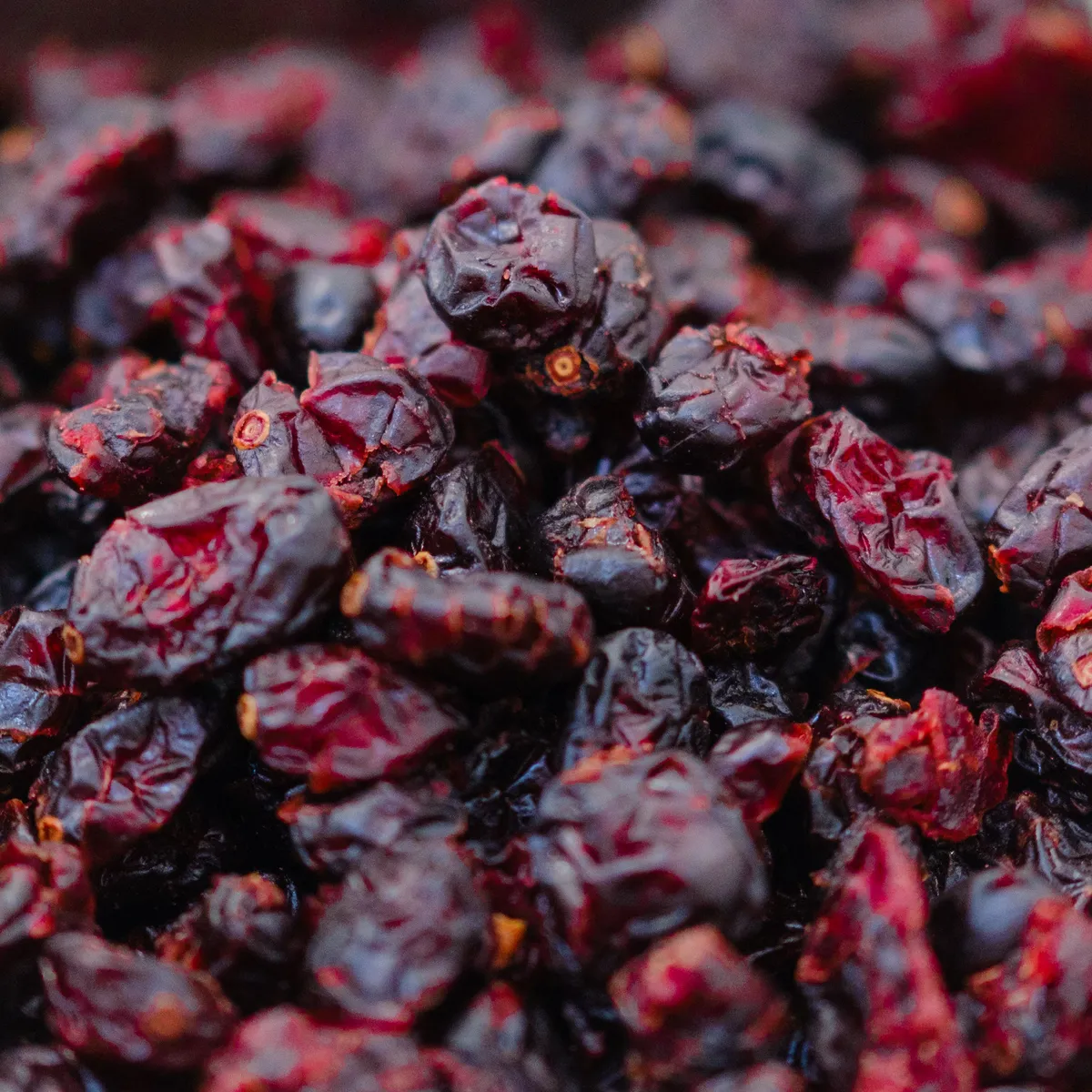
- Serve them plain: fresh, frozen, or unsweetened dried — no sugar, syrup, or sauce.
- Wash and cut: rinse fresh cranberries and chop them, especially for small dogs, to make them easy to eat.
- Check dried cranberries carefully: make sure they’re unsweetened and, crucially, not mixed with raisins or other dried fruit.
- Skip the sauce and juice: cranberry sauce and sweetened juice are too sugary for dogs.
- Start with one or two: see how your dog likes the tart flavor and how their stomach responds before offering more.
What if my dog ate cranberry sauce?
If your dog licked up a bit of plain cranberry sauce, the most likely outcome is a sugar-driven upset stomach — watch for vomiting or diarrhea over the next day. The bigger worry is what else was in the dish: if the sauce or snack contained raisins, grapes, or alcohol, treat it as urgent and call your vet or an animal poison control line right away, as raisins and grapes can cause kidney failure even in small amounts. For a plain-sugar nibble, keep an eye on your dog and make sure they have water; for anything with toxic ingredients — or if you’re unsure what was in it — don’t wait for symptoms to call for advice.
Reading your dog beyond the treat
Holidays are full of moments where you’re trying to guess what your dog needs — whether that begging means hunger or habit, whether they’re genuinely unwell or just overexcited by a houseful of people. That’s what Traini is built for: translating your dog’s behavior and signals into plain language so you can respond with confidence. When your dog seems off after sneaking something from the table, you can ask PetGPT about your specific situation and get guidance grounded in your dog’s context. For more on sharing the holiday table safely, see our guides on green beans, turkey, and pumpkin.
Frequently asked questions
Can dogs eat dried cranberries?
Plain, unsweetened dried cranberries are safe in small amounts. The key is to make sure they aren’t sweetened with lots of sugar and aren’t mixed with raisins, which are toxic to dogs. Check the label before sharing.
Is cranberry sauce safe for dogs?
Not really. Cranberry sauce is high in sugar and may contain spices, orange, or alcohol. A small lick won’t typically cause serious harm, but it’s best kept away from dogs — offer a plain cranberry instead.
Are cranberries good for a dog’s urinary tract?
Cranberries are often linked to urinary health, but the evidence in dogs isn’t conclusive. Don’t rely on them to treat a urinary tract infection — see your vet, who can recommend proper treatment and advise whether cranberry is appropriate.
Can dogs eat cranberries and raisins together?
No. Raisins (and grapes) are toxic to dogs and can cause kidney failure, so any mix containing them is off-limits. Always confirm a cranberry snack doesn’t include raisins before giving it to your dog.
This article is for general information and isn’t a substitute for professional veterinary advice. If your dog has eaten raisins, grapes, or alcohol, or shows symptoms such as repeated vomiting, lethargy, or changes in urination, contact your veterinarian or an animal poison control center right away.