

One moment your dog is lying calmly on the rug; the next they’re tearing around the house at full speed, ears flat, eyes wild, skidding around corners with a big goofy grin. These sudden explosions of energy — affectionately known as the “zoomies” — are one of the funniest and most endearing things dogs do. And for the most part, they’re a sign of a happy, healthy dog simply blowing off steam.
Here’s what the zoomies actually are, why they happen, when they tend to strike, and the rare times they’re worth a second look.
What are the zoomies?
The zoomies are those brief, frantic bursts of running, spinning, and playful chaos that seem to come out of nowhere. They usually last anywhere from a few seconds to a couple of minutes, then stop as abruptly as they started — leaving your dog panting happily as if nothing happened. They’re completely normal, especially in puppies and young dogs, and most dogs get them from time to time throughout their lives.
The science: FRAPs explained
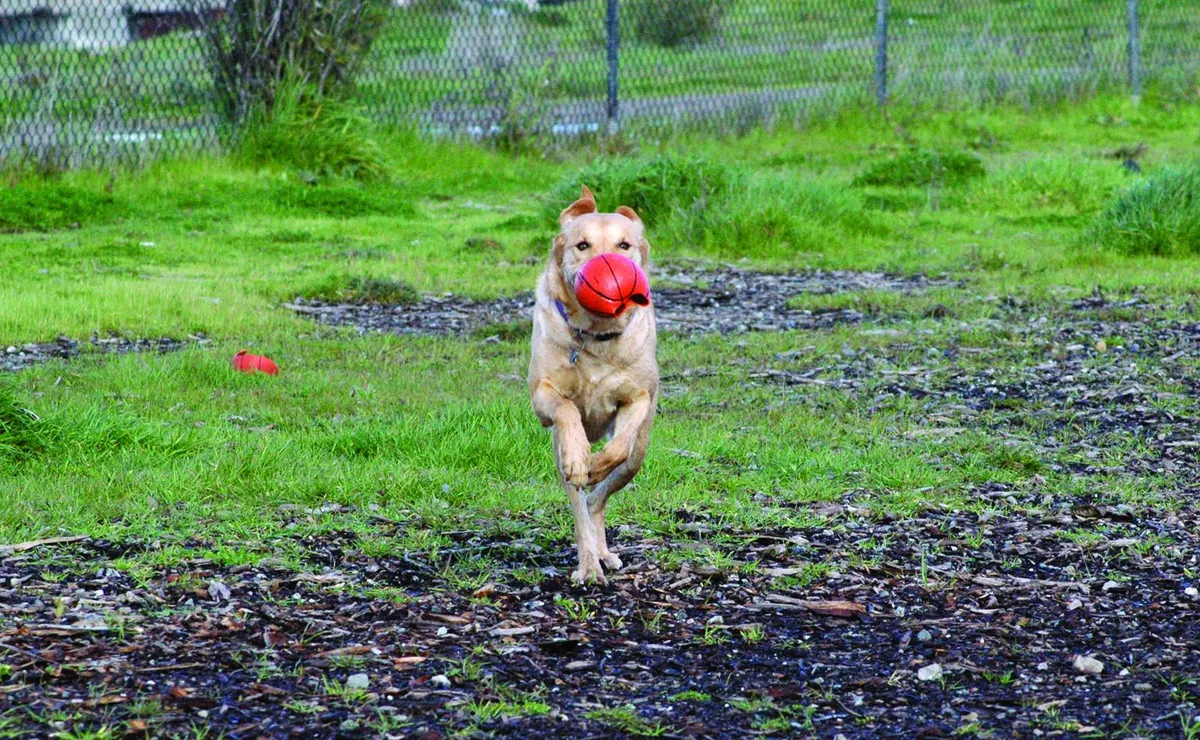
The zoomies have a proper scientific name: Frenetic Random Activity Periods, or FRAPs. Behaviorists use the term to describe these sudden, self-limiting bursts of high-energy movement. The leading explanation is simple: FRAPs are a way for dogs to release a build-up of excess energy or excitement all at once. Think of it as a pressure valve — when physical energy or emotional arousal reaches a certain point, the zoomies let it all out in one joyful rush.
Why does my dog get the zoomies?
Pent-up energy
The most common trigger is simply too much stored energy. A dog who’s been resting, crated, or cooped up indoors all day may hit a tipping point and need to burn it off in one explosive sprint.
Excitement and happiness
Zoomies are often pure joy. A burst of excitement — you coming home, a friend arriving, the leash coming out, playtime starting — can tip a dog straight into a happy FRAP. In these moments the zoomies are your dog’s body overflowing with good feelings.
Relieving stress or tension
Sometimes a FRAP helps a dog shake off tension or overstimulation. After a stressful or exciting event — a bath, a vet visit, a big training session — a quick zoom can be a way of resetting and releasing nervous energy.
Time of day
Many dogs have predictable “zoomie hours,” often in the early morning or evening. These daily energy peaks are a natural part of a dog’s rhythm and usually have nothing to do with anything being wrong.
When do the zoomies usually happen?
After a bath
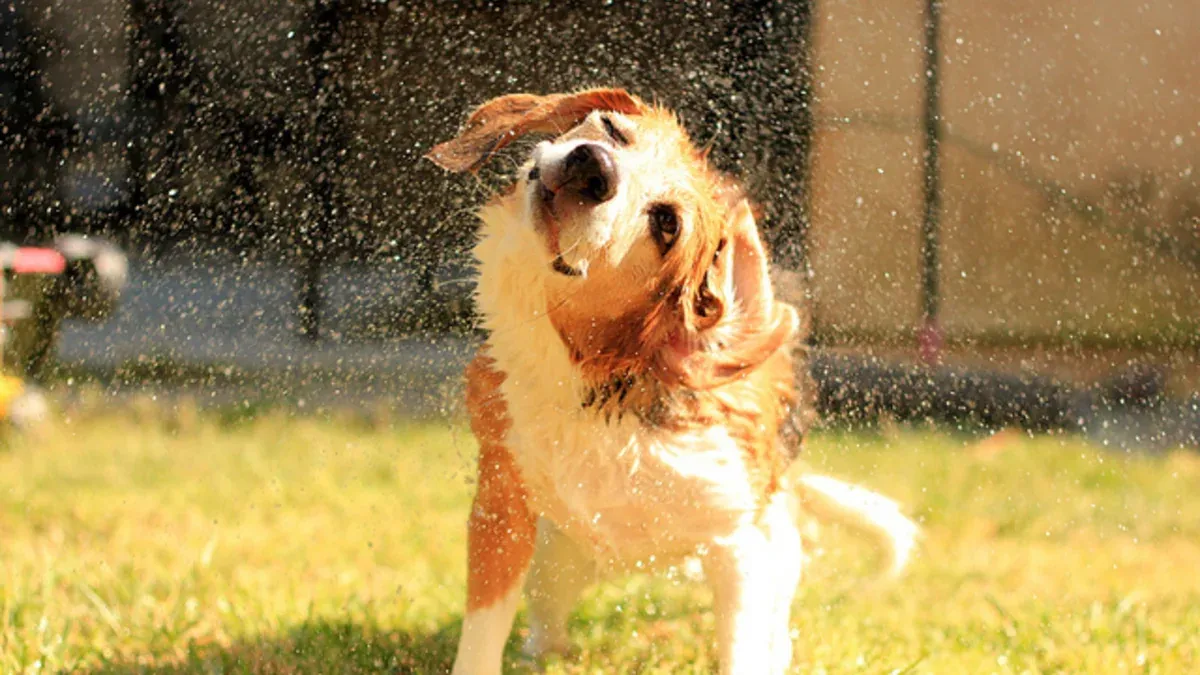
The post-bath zoomies are classic. The mix of relief that it’s over, a strange wet feeling, and wanting to dry off and roll around often sends dogs careening around the house the second they’re free.
After pooping
Plenty of dogs do a victory lap right after a bowel movement. The exact reason isn’t fully understood, but the burst of relief and release is a common and harmless trigger.
In the evening
The “evening crazies” are a well-known version of the zoomies, striking as the day winds down. For many dogs it’s simply their last big energy release before settling for the night.
At the park or after being let out
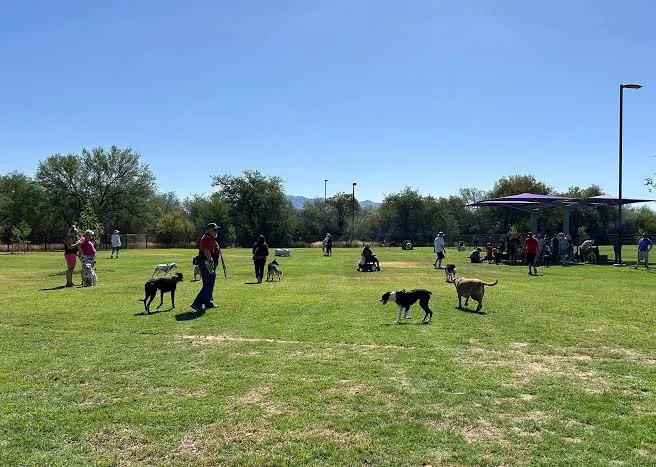
Open space plus freedom is a recipe for zoomies. Being let off the leash in a safe area, or released after time in a crate or car, often triggers an immediate joyful sprint.
Are the zoomies safe?
In themselves, the zoomies are healthy and normal — a sign your dog feels good and is releasing energy. The main thing to manage is the environment. A dog in full FRAP isn’t thinking about slippery floors, glass coffee tables, roads, or other dogs, so the real risk is injury or a collision rather than the behavior itself. Give your dog a safe surface and space, and the zoomies are simply good fun.
When the zoomies could signal a problem
Occasionally, frantic activity is driven by stress rather than joy. If the “zoomies” look anxious rather than playful — tucked tail, frantic rather than bouncy, happening constantly, or paired with other signs of stress — they may be a sign your dog is struggling to cope rather than simply having fun. A sudden, dramatic change in how often or how intensely your dog zooms, especially alongside other behavior changes, is worth mentioning to your vet. For most dogs, though, the zoomies are nothing more than happiness in motion.
How to handle the zoomies
- Clear a safe path: move fragile objects and steer your dog toward soft, grippy surfaces or a secure yard rather than slippery floors or near roads.
- Don’t chase: chasing usually ramps the excitement up; instead, let the FRAP burn out or calmly lure your dog to a safe area.
- Redirect if needed: a toy or a game can channel the energy somewhere useful if the timing is bad.
- Prevent with exercise: regular walks, play, and mental enrichment keep energy from building to the point of constant zoomies.
- Let them have their fun: a healthy, happy FRAP doesn’t need to be stopped — it’s good physical and emotional release.
Reading your dog beyond the zoomies
The zoomies are one of the clearest windows into how your dog is feeling — usually overflowing with happy energy, occasionally working off stress. Telling joyful play from anxious release is the useful part. That’s what Traini is built for: translating your dog’s behavior and emotional signals into plain language so you can understand why they’re acting a certain way. When you’re not sure whether a burst of energy is pure fun or pent-up stress, you can ask PetGPT about your specific situation and get an answer grounded in your dog’s context. For more on canine energy and emotion, see our guides on why dogs pant and easing separation anxiety.
Frequently asked questions
Are the zoomies a sign my dog is happy?
Usually, yes. The zoomies are most often a joyful release of excess energy and excitement, and a dog doing happy, bouncy laps with a relaxed, playful body is simply having a great time.
Why does my dog get the zoomies at night?
Evening zoomies — sometimes called the “evening crazies” — are a common daily energy peak as the day winds down. If your dog zooms a lot at night, it can also mean they have energy left over and could use more exercise or enrichment during the day.
Should I stop my dog from getting the zoomies?
There’s no need to stop a healthy FRAP — it’s good physical and emotional release. Just manage the surroundings so your dog doesn’t slip, crash into furniture, or run toward a road, and let the burst run its course.
Do the zoomies mean my dog needs more exercise?
Sometimes. Occasional zoomies are normal, but very frequent or intense ones can be a hint your dog has pent-up energy. More walks, play, and mental stimulation often reduce how often the zoomies strike.
This article is for general information and isn’t a substitute for professional veterinary or behavioral advice. If your dog’s bursts of activity seem anxious rather than playful, or change suddenly alongside other behavior changes, please contact your veterinarian.