



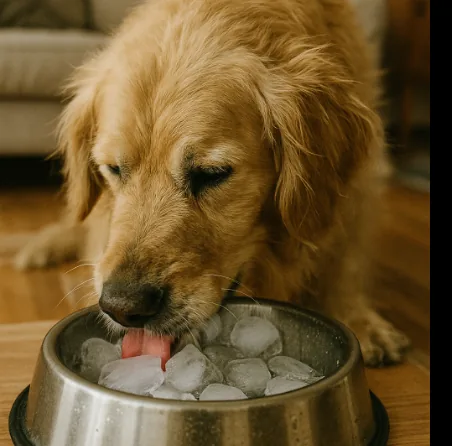
Water is the most important drink for dogs, but if your dog won’t drink or needs extra hydration, you might wonder what else is safe. This guide covers what dogs can drink besides water and how to keep them healthy and hydrated.
Is Water Really the Only Option?
The short answer: Yes, there are a few dog-safe liquids out there — but not all fluids are created equal. This guide covers safe and unsafe liquids, hydration tips, and what to do when your dog won’t drink.
Vet-Approved Liquids Dogs Can Drink
If your dog is avoiding water or needs a little hydration support, here are some vet-approved options that can help:
1. Everyday Hydration Basics 💧
These options can be offered regularly and are great for dogs who need mild encouragement to stay hydrated:
- Plain water – Always the top choice. Clean, cool, and freely available at all times.
- Ice cubes – Fun to chew and a sneaky way to get water into picky pups.
- Wet dog food or soaked kibble – Add water or broth to meals for extra hydration.
2. Broths and Flavor-Boosted Water 🍲
- Low-sodium chicken broth – Homemade or store-bought (like Honest Kitchen), as long as it’s free of garlic, onion, or added salt.
- Water with a splash of bone broth – Adds aroma and taste, making water more appealing.
- Homemade unsalted veggie broth or vegetable juice – A gentle, savory option if made without onions, garlic, or salt.
3. Functional Hydration Add-Ons 🧪
These are useful for recovery, illness, or heat — but should be used in moderation and with vet guidance:
- Unflavored Pedialyte – Helps with mild dehydration; dilute and offer sparingly.
- Dog-specific electrolyte powders (e.g. K9 powder) – Tailored to canine hydration needs; follow package directions.
- Unsweetened coconut water – Contains natural electrolytes, but high in potassium — offer occasionally and in small amounts.
4. Light, Occasional Liquids 🌿
Not for daily use, but safe in small, occasional servings:
- Caffeine-free herbal teas – Mild teas like chamomile or peppermint can be soothing.
- Unsweetened nut milk (e.g. almond milk) – Safe in tiny amounts if free of xylitol or added sugars.
5. Liquids to Use in Moderation 🍎
These drinks aren’t harmful in tiny amounts but should only be offered occasionally and with caution. Always check with your vet before introducing any of these to your dog’s diet — especially if your dog has allergies, sensitivities, or health concerns.
- Unsweetened Cranberry Juice (Small Amounts): Sometimes recommended to support urinary health, but must be unsweetened and vet-approved. Too much can cause stomach upset or acid imbalance.
- Diluted Apple Juice (Rarely and Sparingly): While not toxic, apple juice is high in sugar and can lead to digestive discomfort. It should be heavily diluted and given in very small quantities.
- Plain Milk (Only If Lactose-Tolerant): Some dogs tolerate a small splash of milk, but many are lactose-intolerant. Watch for signs of bloating or diarrhea and never make it a regular drink.
How to Hydrate a Dog That Won’t Drink Water?
If your dog is sick, recovering, or just refuses water, there are a few practical ways to help them stay hydrated. First, remember the basics: always keep fresh water available and clean their bowls regularly. Offer small sips during walks, and keep an eye out for signs of dehydration or illness. If your dog consistently avoids drinking, it’s best to consult your vet.
Here are a few additional tips that may help:
- Offer ice cubes — Some dogs enjoy chewing on ice more than drinking from a bowl.
- Use a syringe or dropper — Slowly administer small amounts of water or vet-approved fluids.
- Try wet food or soaked kibble — Adding broth or water to meals is an easy way to increase fluid intake.
- Switch bowls or locations — Some dogs are picky about water bowl shape, size, or placement.
Note: Dogs should never go more than 24–48 hours without drinking. Signs of dehydration include dry gums, lethargy, sunken eyes, and skin that doesn’t bounce back when gently pinched.
Liquids to Avoid ⚠️ or Use With Caution
Not everything in your fridge is safe for your pup. Be cautious with:
- Gatorade or Sports Drinks – Too much sugar and sodium; not made for dogs.
- Sugary Juices – Even apple or cranberry juices may seem harmless, but sugar and acidity can upset your dog’s stomach.
- Flavored or Seasoned Broths – Garlic, onion, and added salt are toxic to dogs.
- Dairy (e.g., milk or cheese) – Many dogs are lactose-intolerant and can suffer from gas, bloating, or diarrhea.
The Bottom Line
Water is the healthiest drink for dogs — but in certain situations, dog-safe broths, diluted electrolyte solutions, or mild flavor enhancers can help. Always check with your vet before introducing new liquids, especially during illness. When in doubt, stay simple, stay safe, and prioritize clean, fresh water.