
Can dogs eat popcorn? Yes — a few pieces of plain, air-popped popcorn are safe for most dogs. The trouble is almost never the popcorn itself but what we put on it: butter, oil and salt, plus the hard unpopped kernels that can crack a tooth or lodge in the throat. Plain and occasional is fine; a handful of buttered movie popcorn is not.
If your dog just hoovered up a piece that hit the floor on movie night, relax — one plain kernel won’t hurt them. The real question is how much, and what was on it, and below we’ll walk through exactly when popcorn is a harmless treat and when it’s worth a second look.
So, is plain popcorn actually okay for dogs?
Plain, air-popped popcorn is just a whole grain, and in small amounts it’s non-toxic and even has a little fiber. Dogs don’t need grains the way we assume they do, but a few popped pieces as an occasional treat won’t upset a healthy dog. The key words are plain, air-popped and fully popped — once you start adding things, or leave kernels in the bowl, the picture changes fast.
The real risks worth knowing
1. The butter, salt and oil
This is the one that actually matters. Movie-theater and microwave popcorn are loaded with butter, oil and salt, and that fat can trigger an upset stomach or, in some dogs, pancreatitis — a painful inflammation of the pancreas. Too much salt causes thirst and, in large amounts, sodium problems. The popcorn is innocent; the toppings are the hazard.

2. Unpopped and half-popped kernels
Those hard little kernels at the bottom of the bowl are tough on teeth and can crack a molar, and they’re an easy choking hazard for a small dog or an enthusiastic gulper. They can also get wedged between teeth or in the gums. If you share popcorn, pick out the fully popped, fluffy pieces and leave the kernels behind.
3. It’s empty calories
Even plain, popcorn is a snack, not nutrition your dog needs. Treats of any kind should stay under about 10% of your dog’s daily calories, with the rest coming from a complete, balanced food. A few pieces now and then is the right dose — a shared bowl every night is not.
How to share popcorn with your dog safely
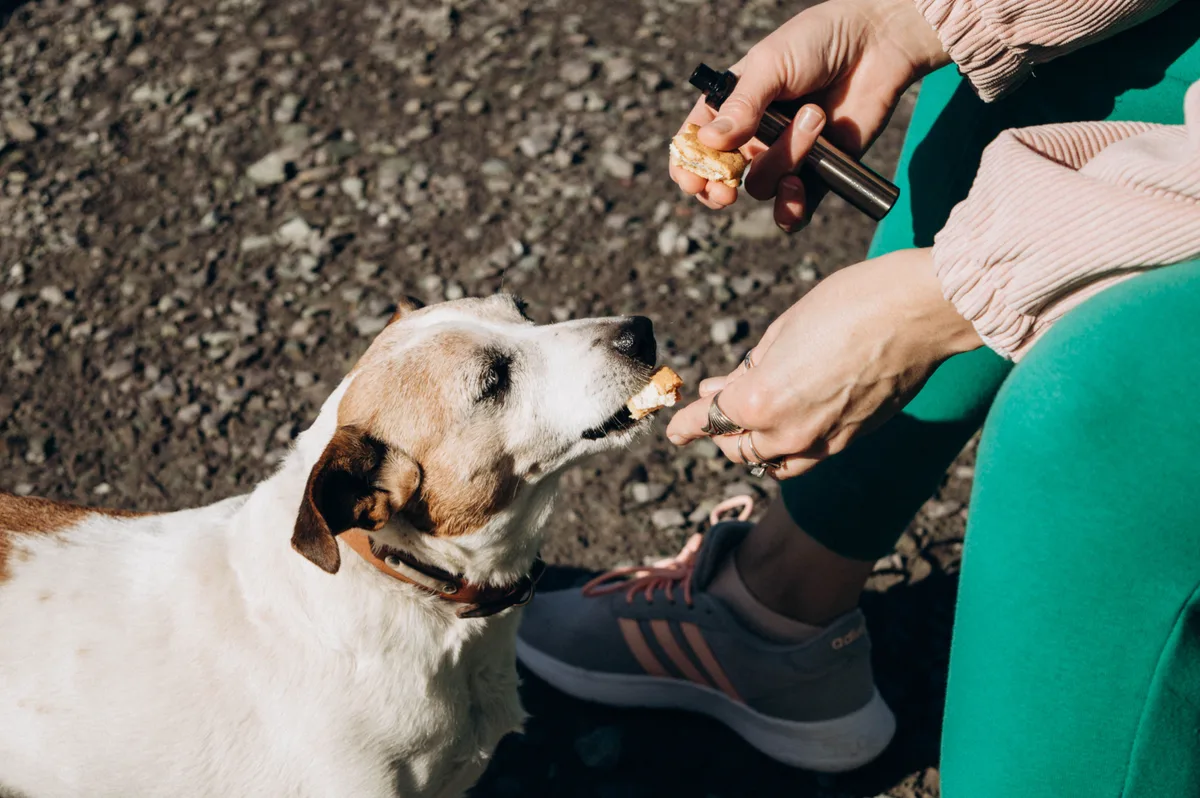
If you want to toss your dog a piece, keep it simple:
- Air-popped only — no butter, oil, salt, caramel or cheese powder.
- Fully popped pieces — pick out and discard every hard kernel.
- Small amount — a few pieces as a treat, not a bowlful.
- Let it cool and give it one piece at a time to a dog that likes to gulp.
What to do if your dog ate too much popcorn
Match your response to what they actually got into:
- A few plain pieces: No worries. Keep fresh water out and carry on.
- A pile of buttered or salted popcorn: Watch for vomiting, diarrhea, a bloated or tender belly, or a lot of thirst over the next day. Call your vet if those show up, especially in a dog prone to pancreatitis.
- Kernels, with coughing, gagging or pawing at the mouth: That can mean a piece is stuck or a tooth is hurt — contact your vet.
Better treats than popcorn
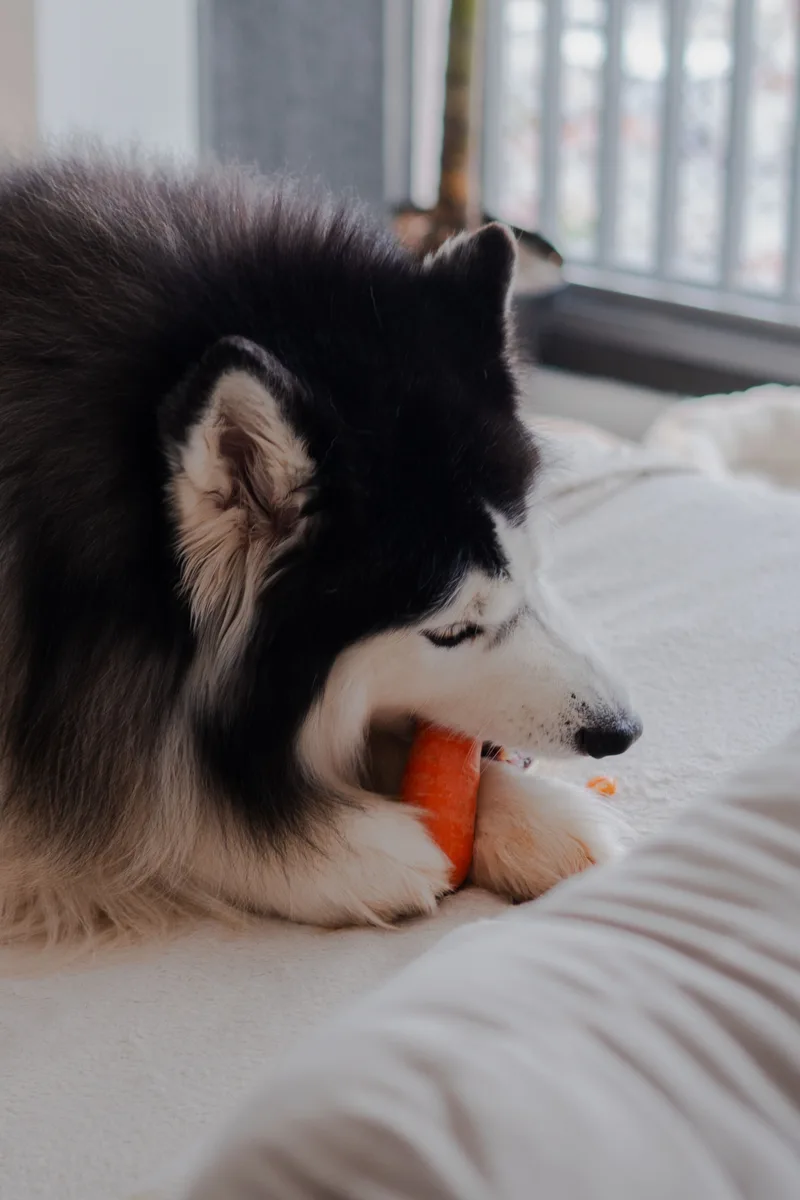
If the goal is a light, crunchy snack, there are easy wins with more to offer. Plain carrots, green beans and broccoli give you the crunch with fiber and vitamins instead of empty calories, and most dogs are just as happy with them.
And if your dog parks themselves next to the couch and stares you down the moment the popcorn comes out, that begging is its own kind of communication. Traini’s AI dog translator helps you read what’s really behind those looks — true hunger, habit, or just wanting to share the moment with you — so “not this one” gets easier for both of you.
Frequently asked questions
Can dogs eat buttered popcorn?
It’s best to skip it. The butter, oil and salt are what make popcorn risky for dogs — the fat can upset the stomach or trigger pancreatitis, and the salt adds up fast. A piece or two won’t poison your dog, but buttered popcorn shouldn’t be a treat you offer on purpose.
Can popcorn kernels hurt dogs?
Yes. Hard, unpopped kernels can crack a tooth, wedge in the gums, or become a choking hazard, especially for small dogs. Always pick out the kernels and share only fully popped, fluffy pieces.
How much popcorn can a dog have?
Just a few plain, air-popped pieces as an occasional treat. Like all treats, popcorn should stay under about 10% of your dog’s daily calories, with the rest from a complete, balanced diet.
Can puppies eat popcorn?
It’s safest to wait. Puppies have small throats and sensitive stomachs, which makes kernels and rich toppings more of a risk. Stick to puppy-safe treats for now, and save the occasional plain piece for when they’re older.
Is caramel corn or kettle corn okay for dogs?
No. Caramel corn, kettle corn and cheese popcorn are loaded with sugar, salt or fat, and some flavored mixes even contain ingredients like onion or garlic powder that are toxic to dogs. Keep these to yourself and offer plain popcorn instead.
This article is for general information and isn’t a substitute for professional veterinary advice. If your dog has eaten something they shouldn’t have, or you’re worried about their health, contact your veterinarian or an animal poison control line.