
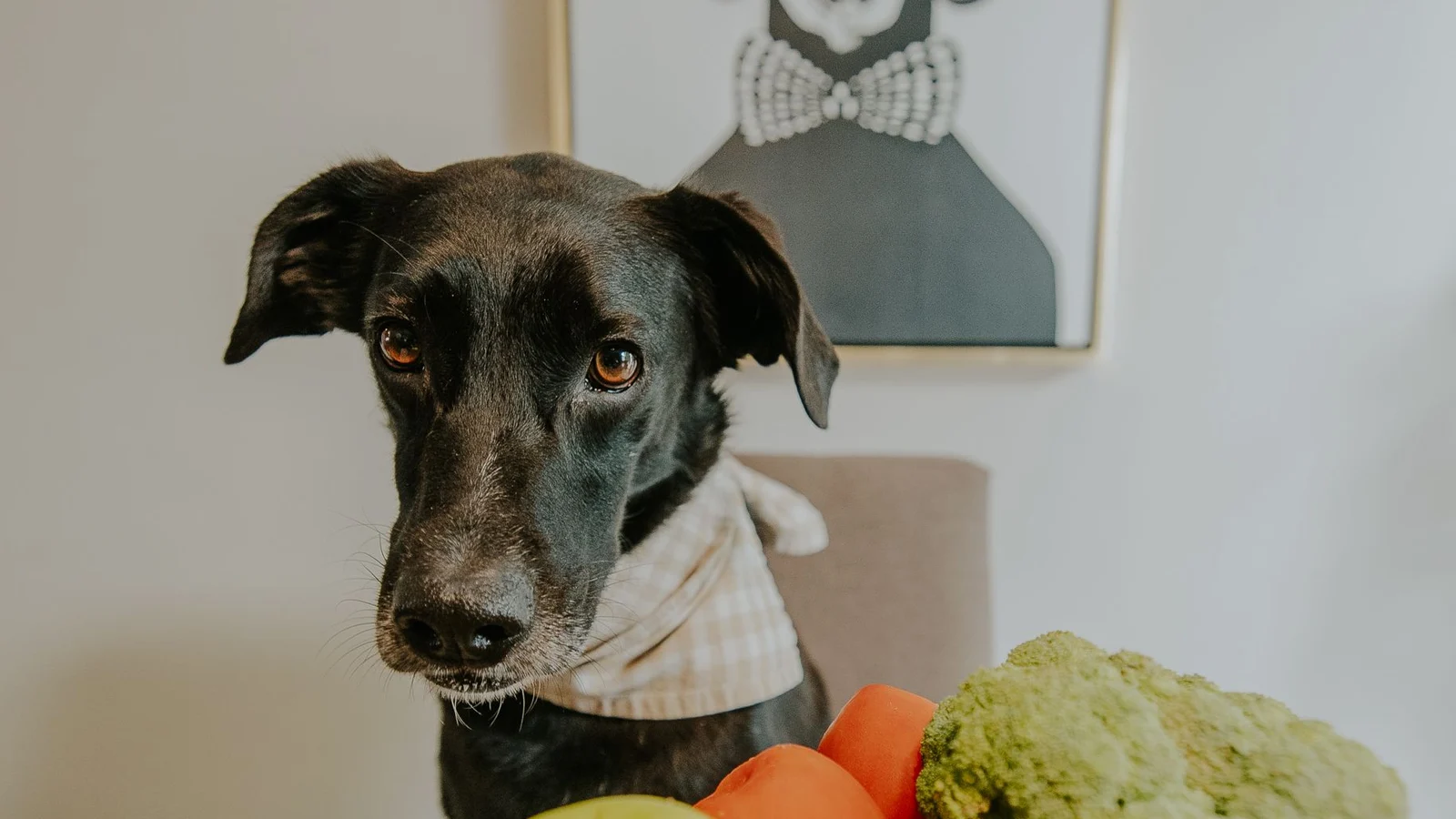
Can dogs eat tomatoes? Yes — a ripe, red tomato is safe for most dogs in small amounts. The catch is ripeness: the green parts of the plant and unripe green tomatoes contain solanine and tomatine, which are toxic in quantity. A few bites of ripe tomato flesh is a fine treat; green tomatoes, stems and leaves are not.
If your dog snagged a cherry tomato off the counter, there’s almost nothing to worry about as long as it was ripe and red. The picture only changes with green fruit, the plant itself, or a tomato dish loaded with onion and garlic — and below we’ll walk through exactly where the line is.
So, is a ripe tomato actually okay for dogs?
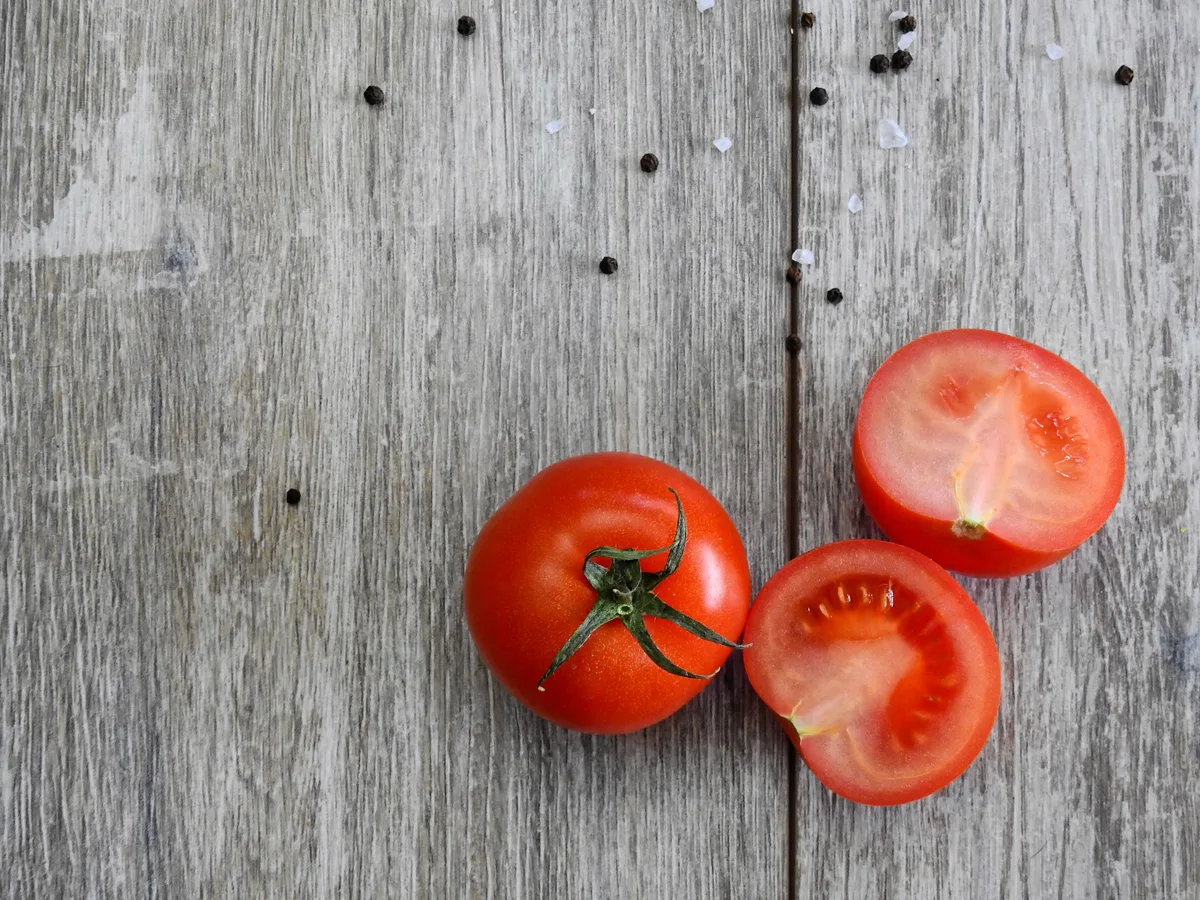
Yes. The soft, fully ripe red flesh of a tomato is non-toxic to dogs and carries a little fiber, vitamin C and potassium. Dogs don’t need tomatoes, but a small amount of ripe tomato as an occasional treat won’t upset a healthy dog. The important words are ripe and plain — the hazard lives in the green, unripe fruit and in the leaves and stems of the tomato plant, not in the red part we eat.
The real risks worth knowing
1. Green tomatoes and the plant itself
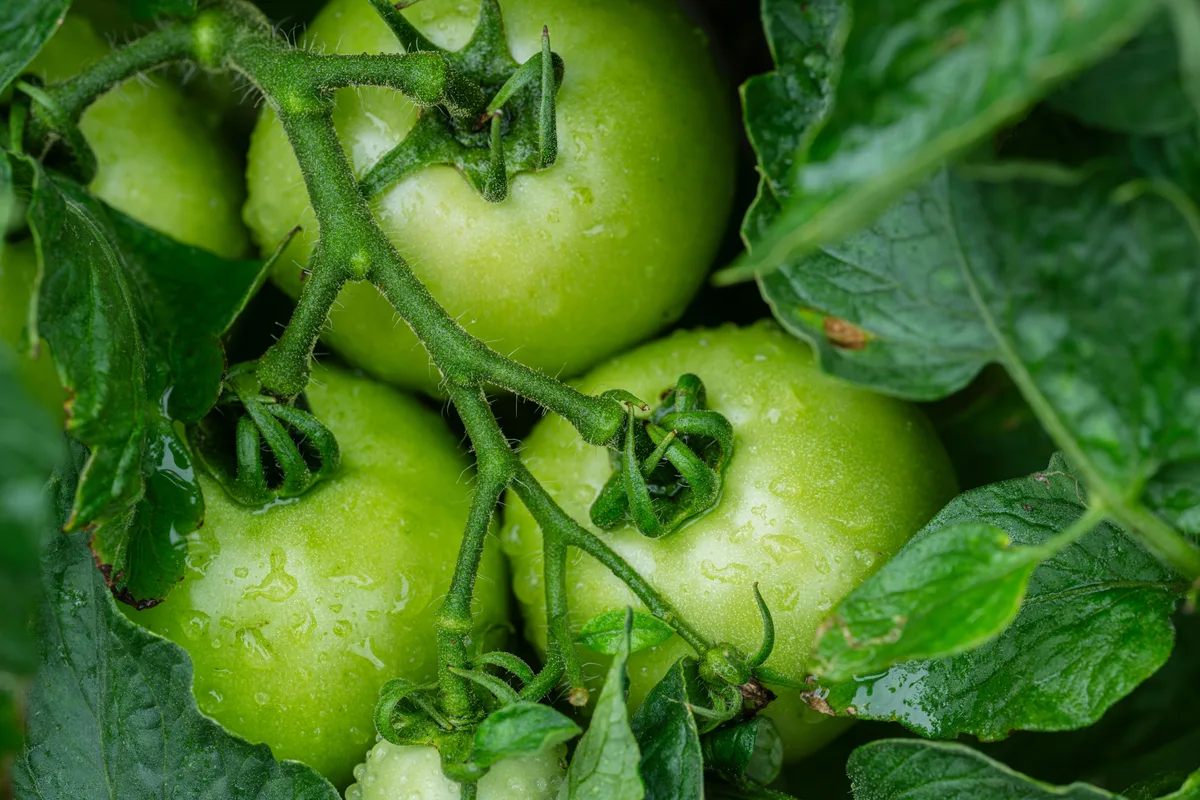
Tomatoes belong to the nightshade family, and the green parts — the vines, leaves, flowers and unripe green fruit — contain solanine and tomatine. In large enough amounts these can cause drooling, an upset stomach, lethargy, a wobbly gait or an irregular heartbeat. A dog would usually need to eat a fair bit of green material to get seriously ill, but a dog with access to a garden tomato plant is the real scenario to prevent.
2. Onion, garlic and seasoning
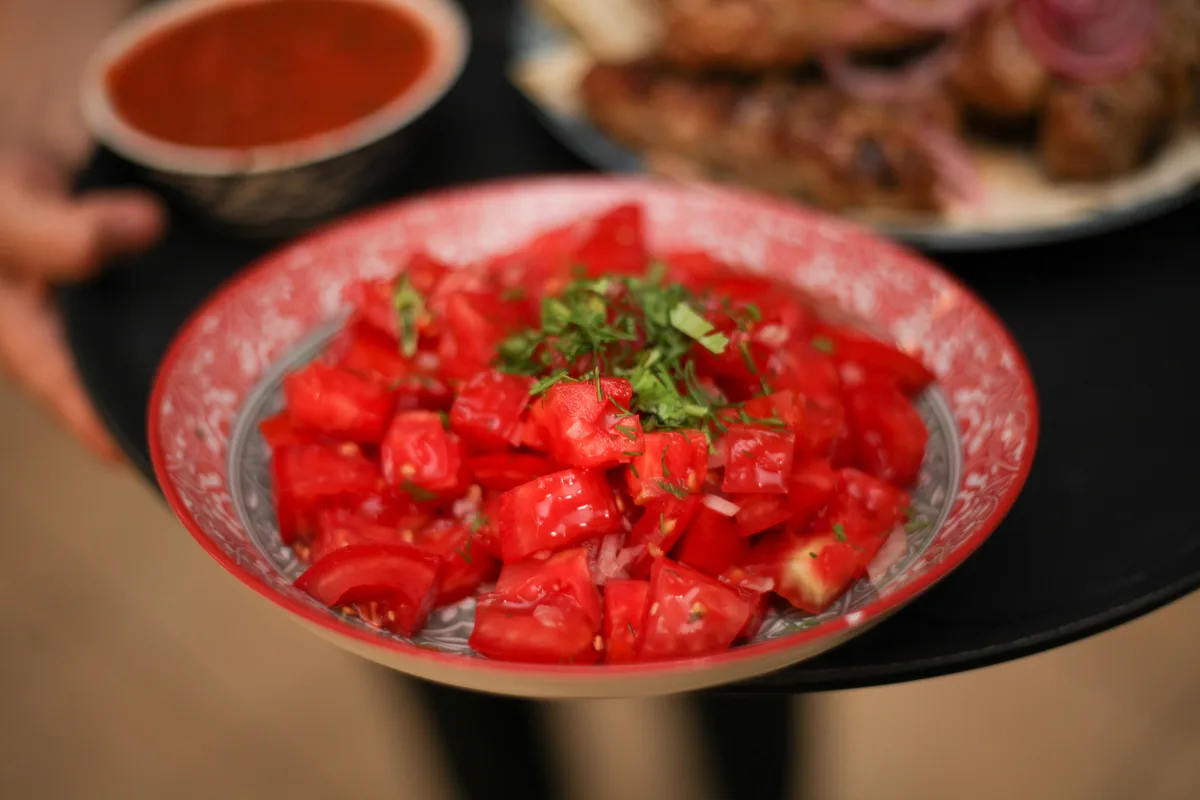
Most tomatoes dogs run into aren’t plain — they’re in pasta sauce, salsa, ketchup or a salad. Those usually contain onion and garlic, which are genuinely toxic to dogs, plus salt, sugar and oil. The tomato may be harmless; the dish around it often isn’t. Skip anything cooked with seasoning and share only plain, fresh tomato.
3. Stomach upset and the seeds-and-skin question
Even ripe tomato is acidic, and too much can cause loose stools or a gassy, uncomfortable belly, especially in dogs with sensitive stomachs. The skin and seeds of a ripe tomato aren’t toxic, but they’re harder to digest, so a small, chopped amount is easier on your dog than a whole tomato gulped at once.
How to share tomato with your dog safely
If you want to offer a bite, keep it simple:
- Ripe and red only — no green tomatoes, and never the leaves, stems or vines.
- Plain and fresh — no sauce, salsa, ketchup or anything with onion, garlic or salt.
- Small and chopped — a few small pieces as a treat, not a bowlful.
- Watch the first time — introduce a little and see how your dog’s stomach handles it.
What to do if your dog ate too much tomato
Match your response to what they actually got into:
- A few pieces of ripe tomato: No worries. Keep fresh water out and carry on.
- Green tomatoes or part of a tomato plant: Watch for drooling, vomiting, diarrhea, lethargy or an unsteady walk, and call your vet, especially if your dog ate a lot or is small.
- A tomato dish with onion or garlic: Contact your vet or an animal poison control line — the onion and garlic matter more than the tomato here.
Better treats than tomato
If you want a safe, crunchy or juicy snack, there are easy wins. Plain carrots, green beans and broccoli give you crunch and fiber with none of the nightshade worry, and most dogs are just as happy with them.
And if your dog plants themselves under the kitchen counter the moment you start chopping, that begging is its own kind of communication. Traini’s AI dog translator helps you read what’s really behind those looks — true hunger, habit, or just wanting in on what you’re doing — so “not this one” gets easier for both of you.
Frequently asked questions
Can dogs eat cherry tomatoes?
Ripe cherry tomatoes are safe in small amounts, the same as any ripe tomato. Offer one or two, and because they’re round and bite-sized, cut them in half for a small dog to avoid any choking risk. Avoid green, unripe cherry tomatoes.
Are green tomatoes bad for dogs?
Yes, keep them away. Unripe green tomatoes and the green parts of the plant contain solanine and tomatine, which can cause stomach upset, drooling, lethargy and, in larger amounts, heart or nerve effects. Only fully ripe, red tomato flesh is safe to share.
Can dogs eat tomato sauce or ketchup?
It’s best to skip both. Pasta sauce, ketchup and salsa usually contain onion, garlic, salt and sugar — onion and garlic are toxic to dogs, and the rest adds nothing good. Share plain fresh tomato instead of anything cooked or jarred.
How much tomato can a dog have?
Just a few small pieces of ripe tomato as an occasional treat. Like all treats, tomato should stay under about 10% of your dog’s daily calories, with the rest coming from a complete, balanced diet.
Can puppies eat tomatoes?
A tiny amount of ripe tomato is unlikely to harm a puppy, but their stomachs are more sensitive, so it’s safest to wait and stick to puppy-appropriate treats. If you do offer a bite, make it a very small piece of ripe, plain tomato and watch for any upset.
This article is for general information and isn’t a substitute for professional veterinary advice. If your dog has eaten green tomatoes, part of a tomato plant, or a dish containing onion or garlic, or you’re worried about their health, contact your veterinarian or an animal poison control line.