

Why does my dog smell like fish? The most common cause is the anal glands — two small scent sacs near your dog’s bottom that produce a fishy-smelling fluid. When they’re full or impacted, that odor leaks out. A fishy smell can also come from dental disease, an ear infection, a skin or yeast problem, or a urinary issue. Where the smell is strongest usually points to the cause.
That unmistakable fishy odor is one of the most common things owners ask vets about. Here’s what’s usually behind it and when it’s worth a check-up.
The usual culprit: anal glands
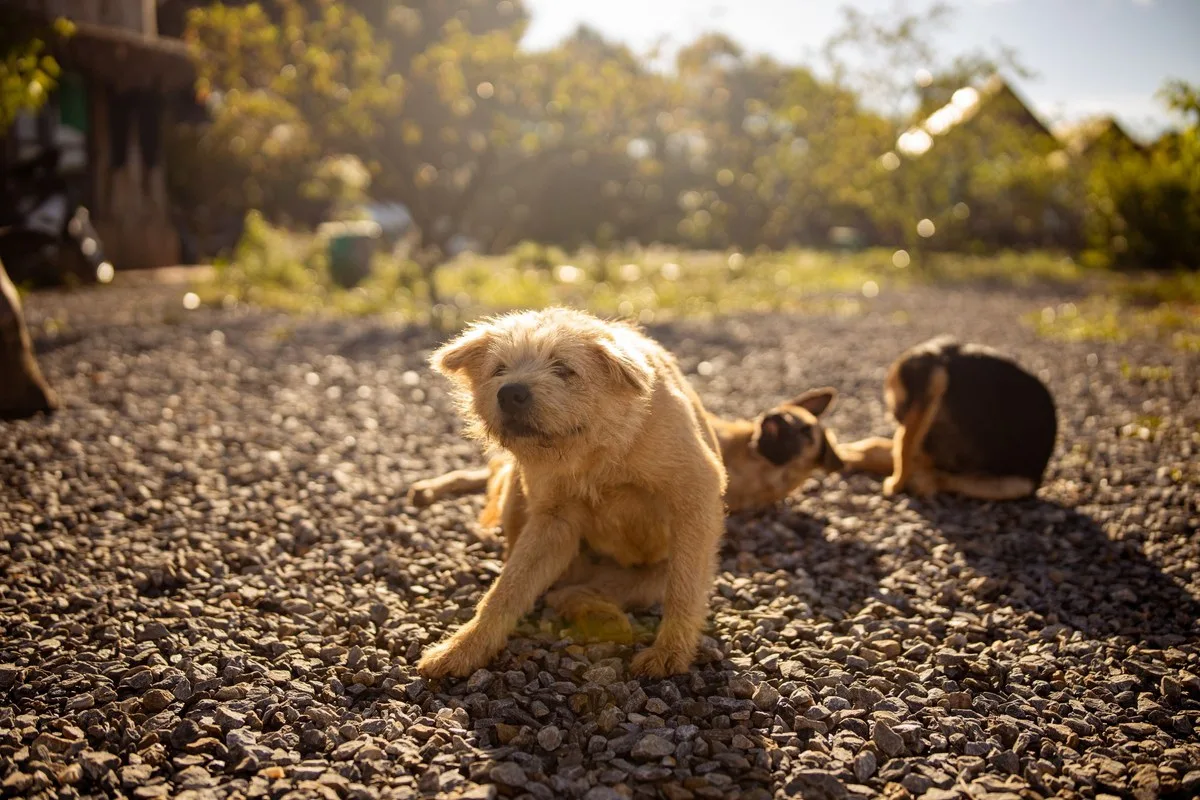
Dogs have two anal sacs just inside the anus that release a distinctive, fishy-smelling secretion when they poop. If these glands don’t empty properly, they become full or impacted, and the fluid can leak — leaving that fishy smell on your dog, your lap, or their bedding. You might also notice scooting or excessive licking at the rear, which are classic signs of gland trouble.
Other reasons a dog smells fishy
Mouth. If the smell is coming from the front end, dental disease or infection is the likely cause — bad breath can take on a fishy edge.
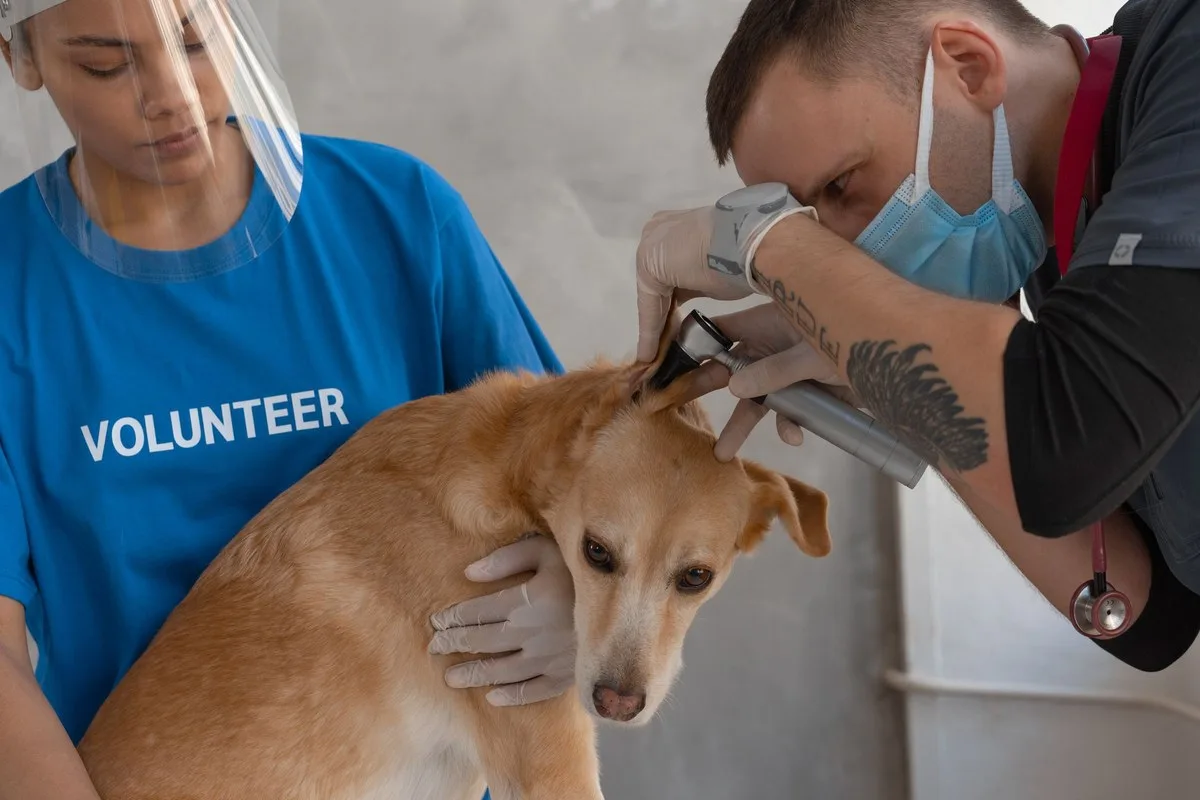
Ears. A yeast or bacterial ear infection produces a strong, often fishy or musty smell; you may also see head-shaking, so our guide on head shaking may help.
Skin and coat. Yeast overgrowth in skin folds or on the paws can smell fishy or musty. Urinary issues. A urinary tract infection can give urine — and the fur around the area — an unusual, strong odor.
What to do and when to see the vet
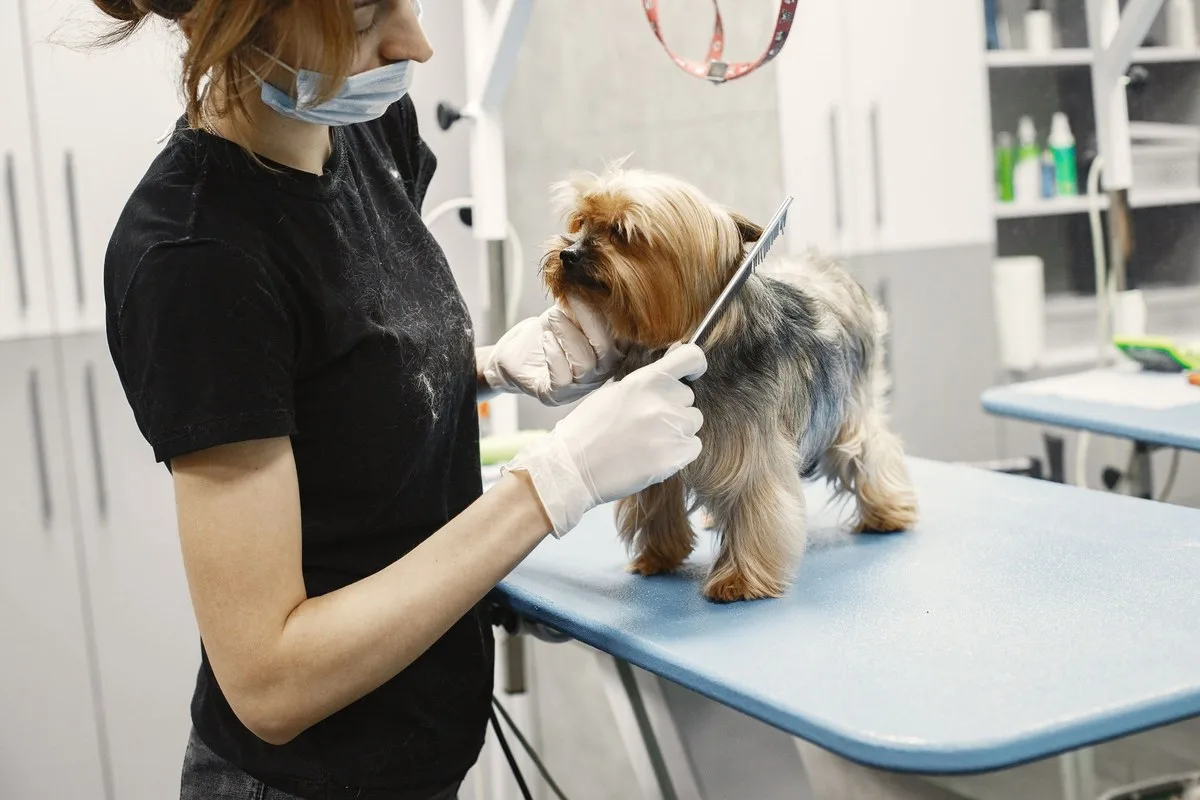
Don’t try to express the anal glands yourself unless your vet has shown you how — done wrong, it can cause injury or infection. Book a vet or groomer visit if the fishy smell is persistent, or a vet visit if you also see scooting, licking, swelling or redness near the rear, head-shaking, bad breath, or changes in peeing. Your vet can empty impacted glands, check for infection, and look for the underlying cause. Recurring gland problems are sometimes helped by more dietary fiber — ask your vet what’s right for your dog.
Frequently Asked Questions
Why do my dog’s anal glands smell like fish?
Anal gland fluid naturally has a strong, fishy odor. You notice it when the glands are overfull, impacted, or leaking — rather than being released normally during a bowel movement.
Can I express my dog’s anal glands at home?
Only if your vet has specifically trained you to. Doing it incorrectly can hurt your dog or cause infection, so most owners are better off having a vet or experienced groomer handle it.
How do I get rid of the fishy smell?
Treat the cause rather than just bathing it away. If it’s the anal glands, they need to be expressed and checked; if it’s the mouth, ears, skin, or urine, that issue needs treatment. A vet visit is the fastest route to a lasting fix.
Is a fishy smell an emergency?
Usually not an emergency, but it shouldn’t be ignored. It often signals impacted glands or an infection that’s uncomfortable for your dog, so schedule a vet check — sooner if there’s swelling, pain, bleeding, or your dog seems unwell.
This article is for general educational purposes and isn’t a substitute for professional veterinary advice. A persistent fishy smell usually points to a treatable problem like impacted anal glands or an infection — please have your veterinarian examine your dog.