
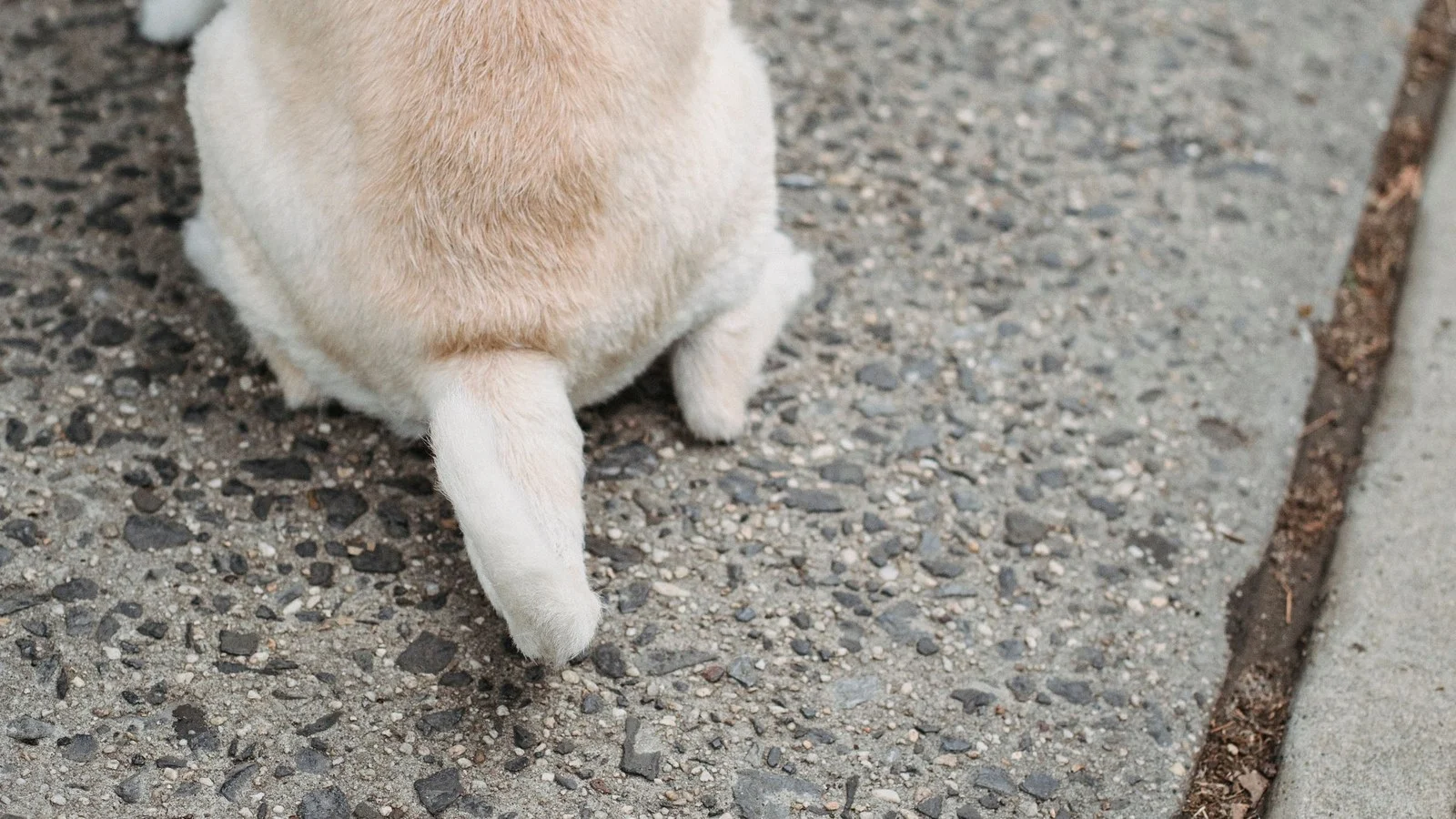
Why does my dog scoot? Scooting — dragging the rear along the ground — means something back there is itchy, full, or irritating. The most common cause is full or impacted anal glands, but worms, allergies, or leftover stool and diarrhea residue can also be to blame. Occasional scooting may pass; frequent scooting needs a vet.
It can look comical, but scooting is your dog telling you their rear end is uncomfortable. The trick is figuring out why, because the fix is different for each cause — and some need a vet.
What scooting is
Scooting is when a dog sits and drags its bottom across the floor or grass. Dogs do it to relieve itching, pressure, or irritation around the anus. A one-off scoot isn’t an emergency, but a dog that scoots repeatedly is uncomfortable and should be checked.
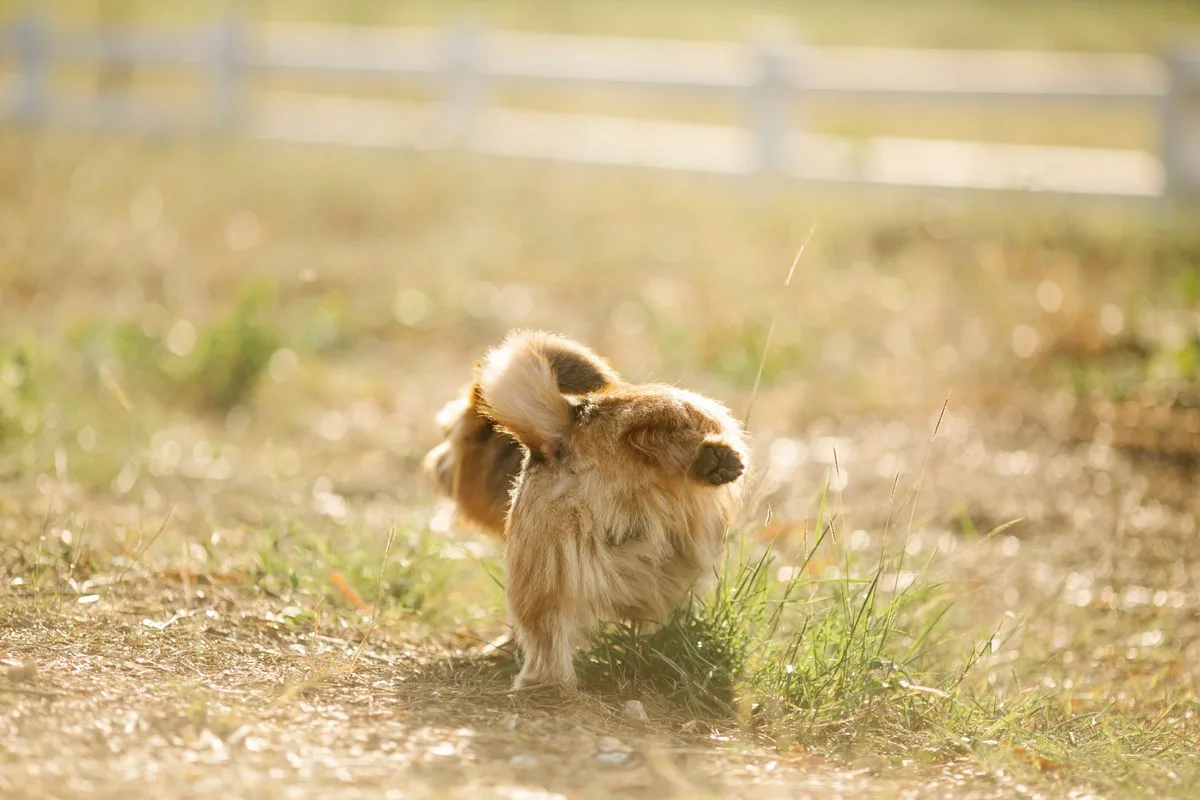
Common causes of scooting
Anal gland problems. This is the number-one cause. Dogs have two small scent glands just inside the anus that normally empty during bowel movements. When they don’t, they become full, impacted, or infected — uncomfortable enough that the dog scoots to relieve the pressure.
Parasites. Intestinal worms (especially tapeworms) can cause anal itching. You might spot small rice-like segments near the tail or in the stool.
Allergies or skin irritation. Food or environmental allergies can inflame the skin around the rear, much as they drive paw-licking elsewhere.
Hygiene and diarrhea residue. Leftover stool, matted fur, or lingering irritation after a bout of diarrhea can make a dog scoot to clean or soothe the area.
When to see a vet
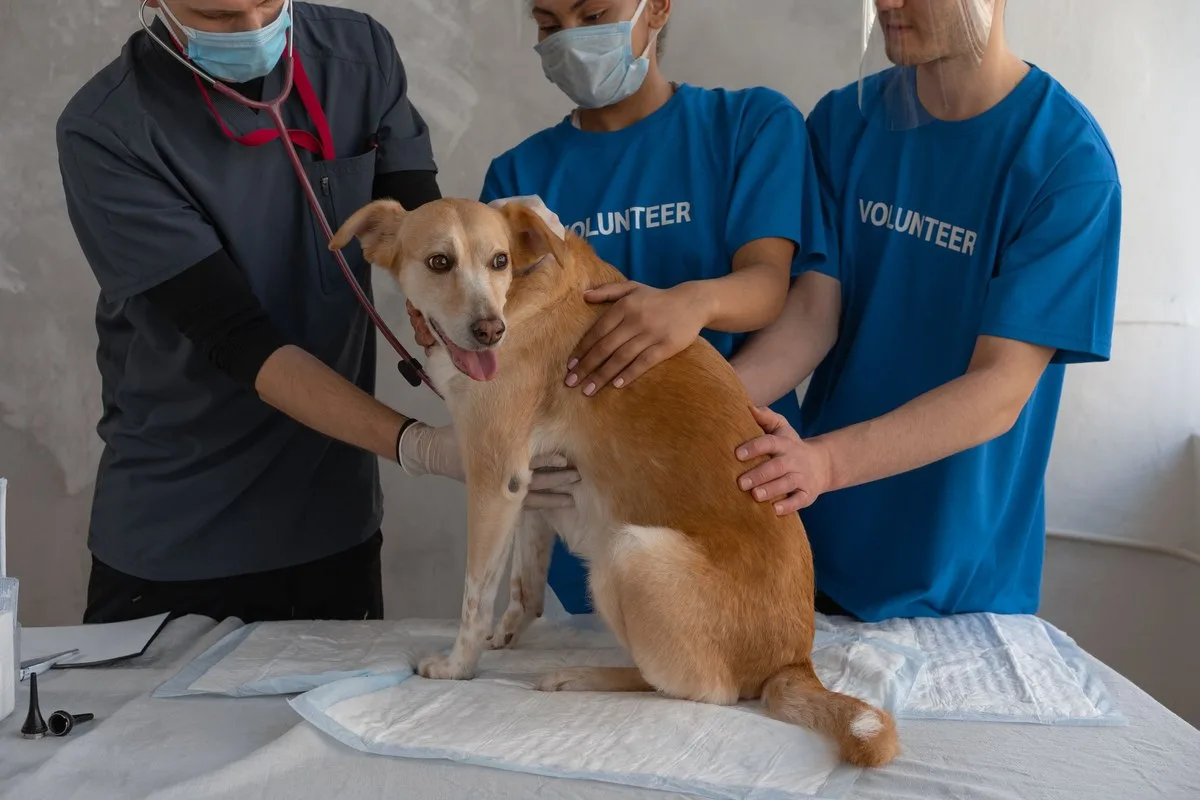
See your veterinarian if your dog scoots repeatedly, or if you notice a strong odor, swelling, redness, blood, or signs of pain near the rear. Impacted anal glands can progress to painful abscesses, and persistent scooting can mean parasites or infection that need treatment.
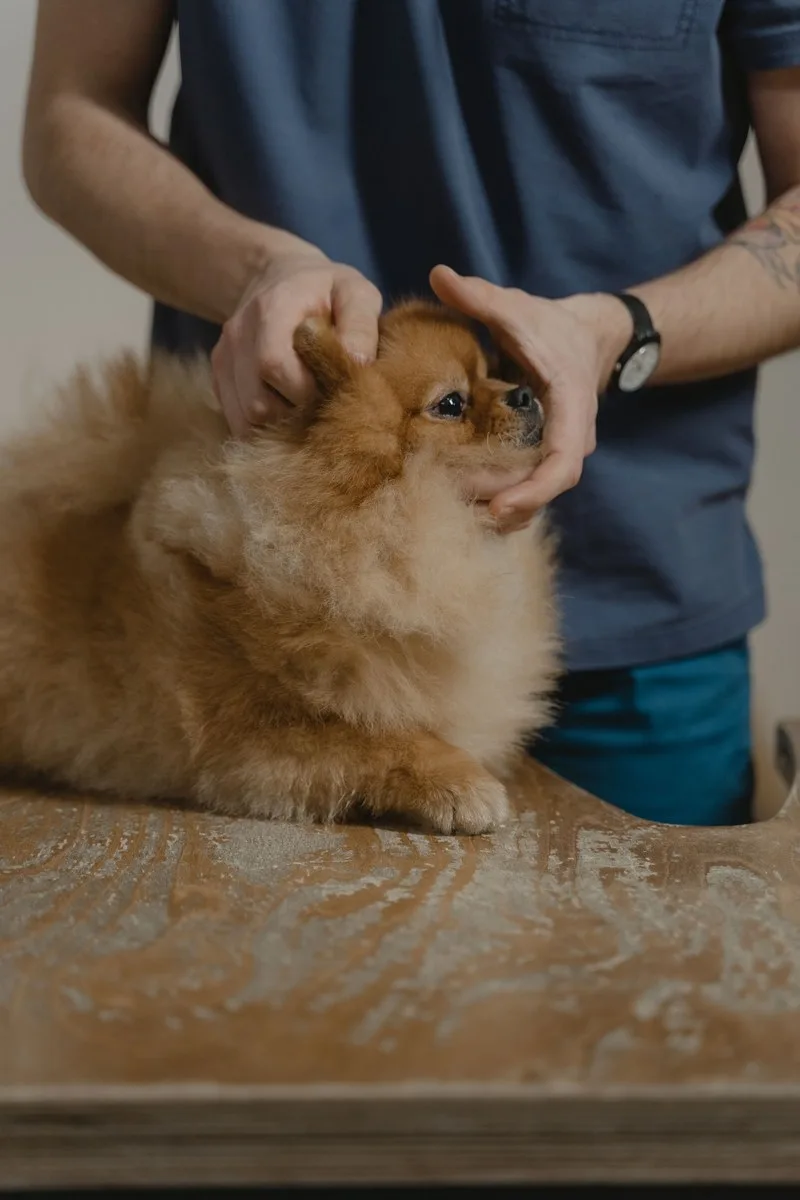
Your vet can express the anal glands safely, check for worms, and look for allergies or skin issues. It’s best not to try expressing the glands yourself unless your vet has shown you how — done wrong, it can cause injury.
Frequently Asked Questions
Is scooting always an anal gland problem?
No. Full anal glands are the most common cause, but worms, allergies, and leftover stool or irritation can all make a dog scoot. A vet can pinpoint which it is.
How do I know if my dog’s anal glands are full?
Signs include scooting, licking or biting at the rear, a strong fishy odor, and sometimes swelling near the anus. Your vet can check and express them if needed.
Can I express my dog’s anal glands at home?
Only if your vet has trained you to. Done incorrectly it can hurt your dog or cause injury, so many owners leave it to the vet or groomer.
Should I deworm my dog if it’s scooting?
Don’t guess — see your vet. If worms are the cause, they’ll recommend the right dewormer; if it’s the anal glands or allergies, deworming won’t help.
This article is for general educational purposes and isn’t a substitute for professional veterinary advice. Persistent scooting signals discomfort that can worsen — if your dog scoots often or shows pain, swelling, or blood, please consult your veterinarian.