
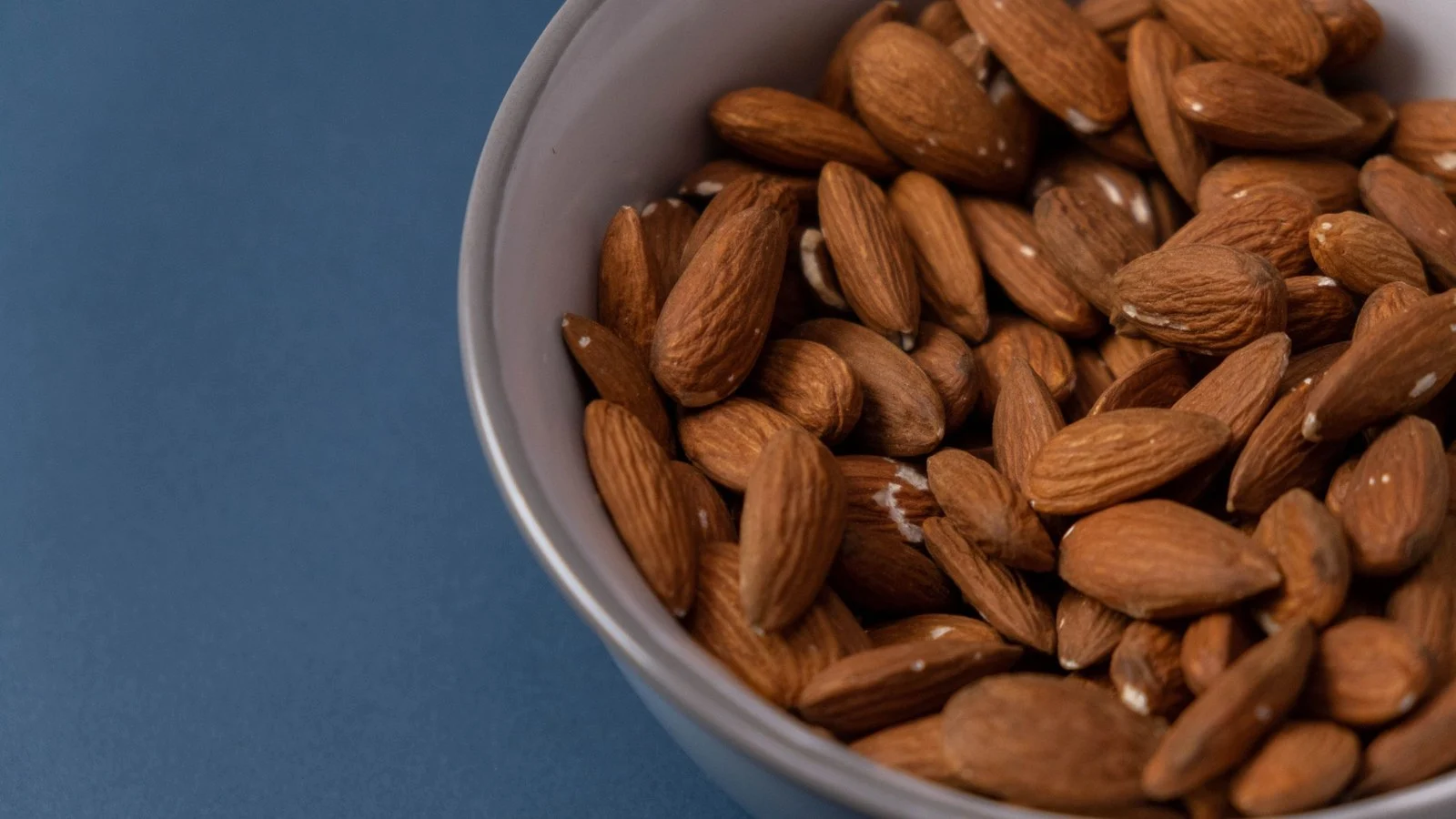
Can dogs eat almonds? It’s best not to give them. Almonds aren’t considered toxic to dogs the way some nuts are, but they’re hard to digest and carry real risks: choking and intestinal blockage, a high fat content that can trigger pancreatitis, and — in flavored or salted versions — too much salt. A single dropped almond is unlikely to harm a big dog, but almonds shouldn’t be a treat you offer on purpose.
Dogs are often drawn to the smell of nuts, so it helps to know exactly why almonds are a poor choice and what to do if your dog grabs one. Here’s the full picture.
Are almonds toxic to dogs?
Almonds are not classified as toxic to dogs — unlike macadamia nuts, which are toxic and should never be given. The problem with almonds is physical and digestive rather than poisonous. Dogs don’t break almonds down well, which can lead to stomach upset and, in some cases, something more serious.

Why almonds are risky
Choking and blockage. Almonds are small, hard, and often swallowed whole, which can cause choking or an obstruction in the esophagus or intestines — especially in small dogs.
High fat. Like other nuts, almonds are fatty, and a sudden fatty snack can trigger pancreatitis, a painful and potentially serious inflammation of the pancreas. For the same reason, go easy on other rich foods like cheese and ham.

Salt and seasoning. Salted, smoked, or flavored almonds add too much sodium and sometimes seasonings like garlic or onion powder that are harmful to dogs.
What to do if your dog eats almonds
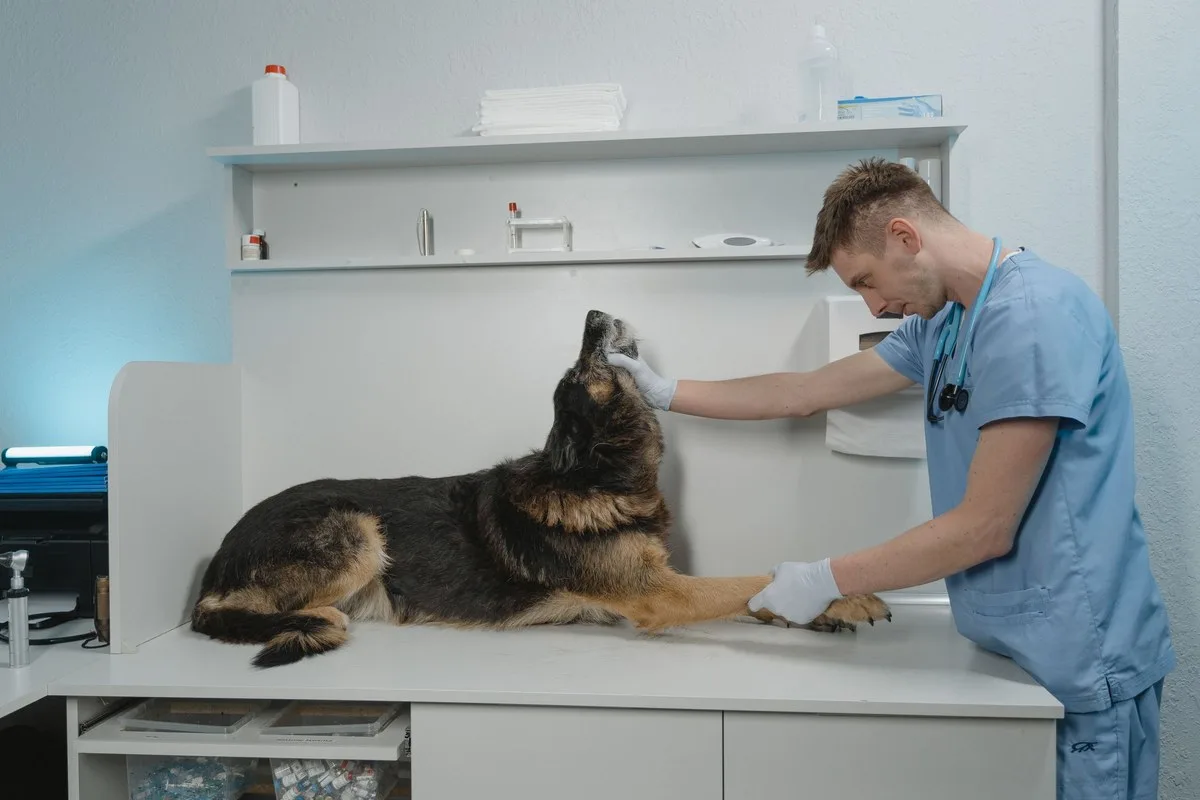
A few plain almonds eaten by a medium or large dog usually pass without trouble — watch for vomiting, diarrhea, loss of appetite, or signs of discomfort over the next day or two. Call your vet right away if your dog is a small breed, ate a large number, shows signs of choking or a blocked gut (retching, a hard or painful belly, repeated vomiting), or ate flavored nuts. When you want a safe treat instead, a little plain fruit or veg is a better bet — see our guide to honey and other treats for ideas on keeping portions sensible.
Frequently Asked Questions
What happens if my dog eats one almond?
For most medium to large dogs, a single plain almond is unlikely to cause harm and will probably pass on its own. Keep an eye out for stomach upset, and call your vet if your dog is small or shows any signs of choking or blockage.
Are any nuts safe for dogs?
Plain, unsalted peanuts and a little plain peanut butter (with no xylitol) are the usual exceptions most vets consider okay in small amounts. Many other nuts — especially macadamia nuts — are either toxic or too risky, so almonds and most nuts are best avoided.
Is almond milk safe for dogs?
A small amount of plain, unsweetened almond milk is generally low-risk, but it offers no real benefit, and sweetened versions may contain xylitol. It’s safer to stick with water.
Can dogs eat almond butter?
A tiny lick of plain almond butter isn’t toxic, but it’s very high in fat and calories, so it’s not a good regular treat. Always check the label for xylitol first.
This article is for general educational purposes and isn’t a substitute for professional veterinary advice. If your dog eats a large amount of almonds or shows signs of choking, blockage, or stomach pain, contact your veterinarian promptly.