
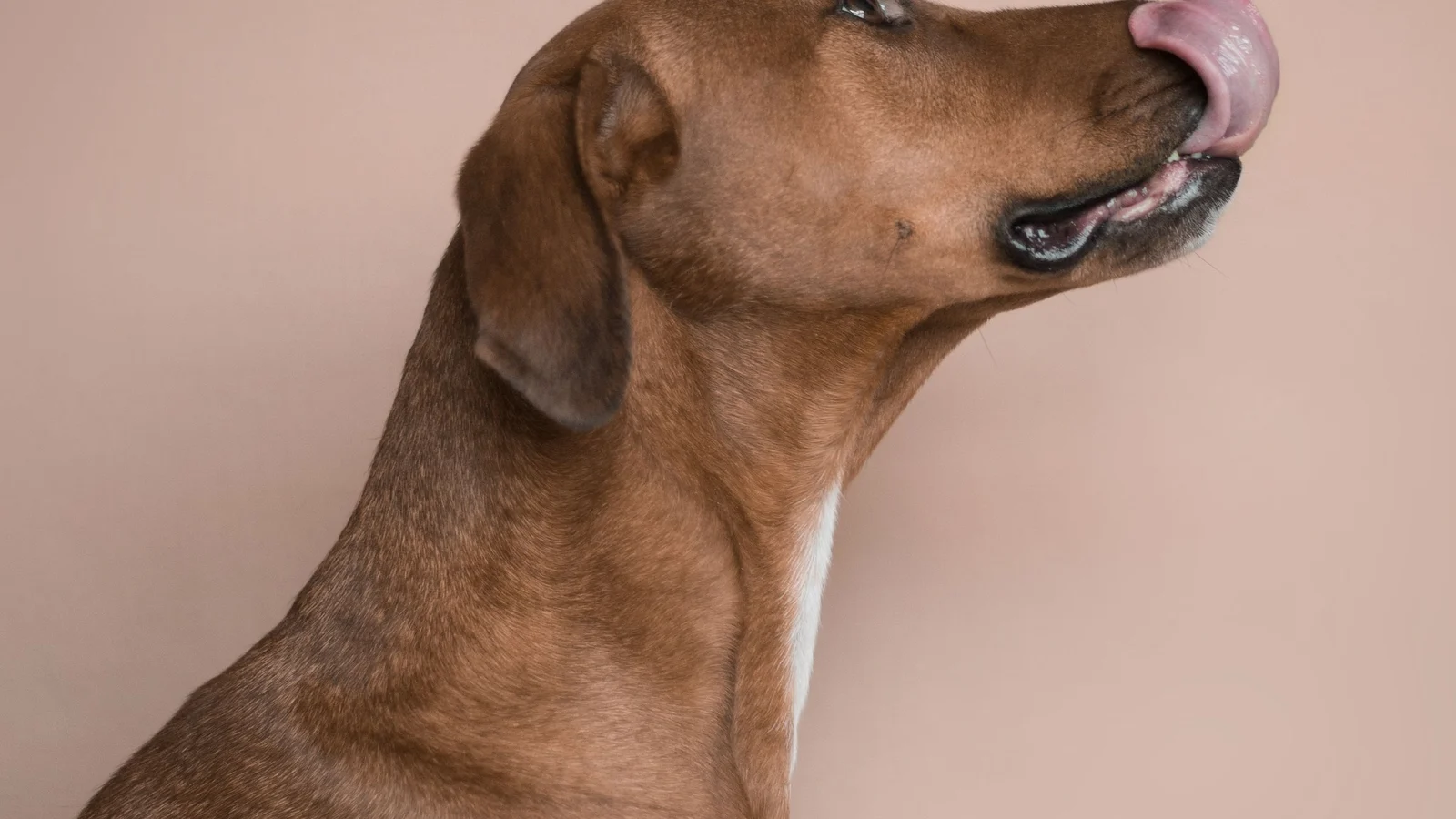
Can dogs eat honey? Yes — a small amount of plain honey is safe for most healthy adult dogs as an occasional treat. But honey is essentially pure sugar, so it’s easy to overdo. It’s not suitable for puppies under a year, dogs with diabetes, or very young, old or immune-compromised dogs, because of its sugar load and a small risk from botulism spores.
So a lick of honey off a spoon won’t hurt a healthy dog, but it’s a treat with real caveats. Here’s who can have it, how much, and who should skip it entirely.
Is honey good for dogs?
Honey is a natural sugar with trace amounts of antioxidants, vitamins and minerals. In tiny quantities it’s a harmless sweet treat for a healthy adult dog, and many owners offer a little as an occasional reward. You’ll also hear that local honey eases seasonal allergies or that it soothes a cough — the evidence for these in dogs is weak, so don’t rely on honey as a remedy. Think of it as an occasional indulgence, not a health food.
The real risks worth knowing
1. It’s basically pure sugar
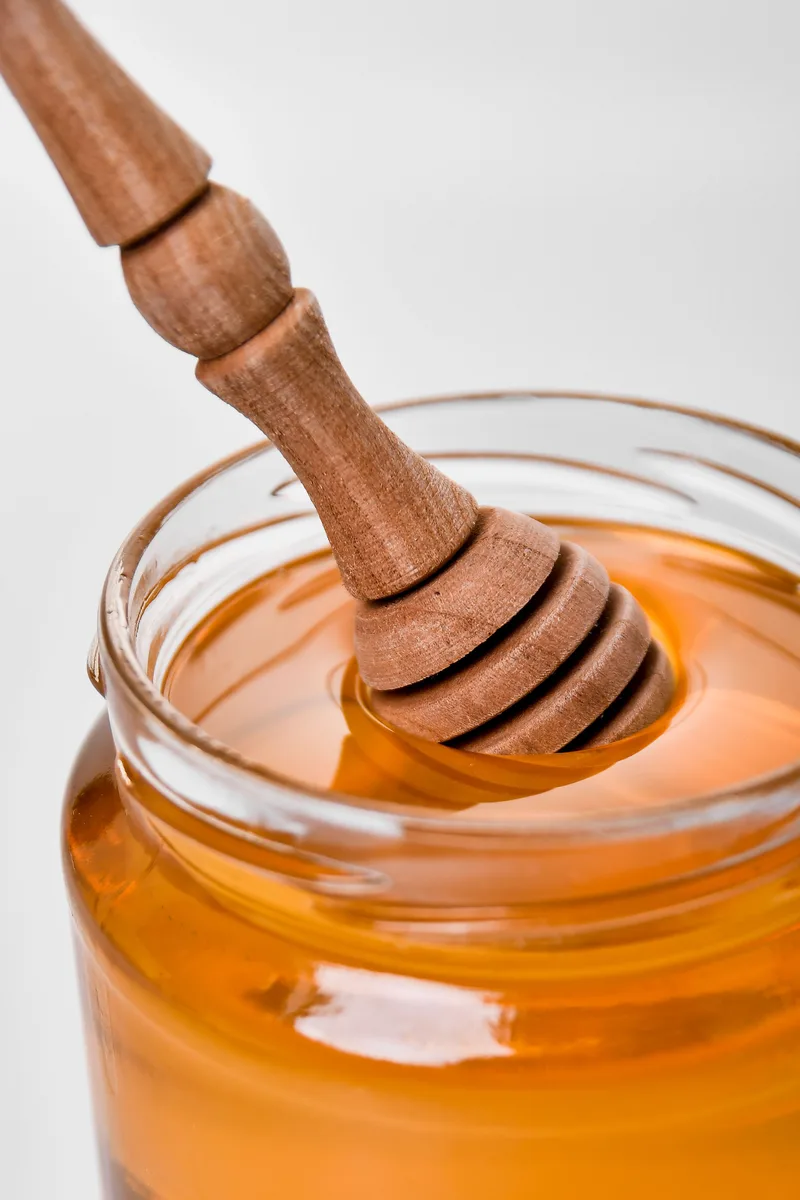
A single tablespoon of honey holds around 17 grams of sugar. For a dog, that’s a lot — regular honey can contribute to weight gain, dental decay and, in sensitive dogs, blood-sugar spikes. Dogs with diabetes or obesity should not have honey at all, and overweight dogs are far better off with a crunchy vegetable or a berry.
2. Puppies and immune-compromised dogs
Raw honey can contain botulism spores. A healthy adult dog’s system handles these without trouble, but puppies under a year, and dogs that are elderly, sick or immune-suppressed, have weaker defenses — for them, raw honey is best avoided entirely. Check with your vet before giving honey to any dog in these groups.
3. Overdoing it
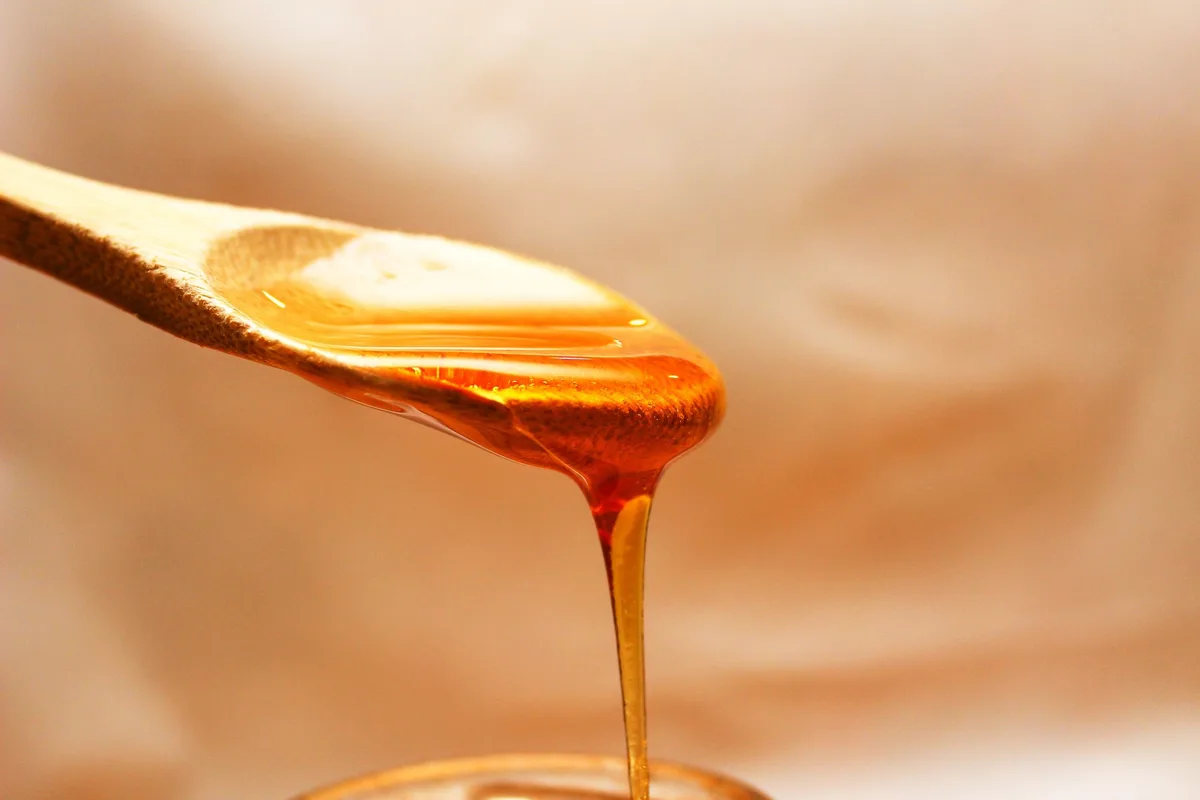
Too much honey at once can cause an upset stomach or diarrhea, and its sticky texture means it’s best offered in a tiny, manageable amount rather than a big sticky glob.
How to give honey safely
If your dog is a healthy adult and you want to share a little:
- Keep it tiny — roughly a quarter teaspoon for a small dog, up to about a teaspoon for a large one, and only now and then.
- Plain honey only — no honey-sweetened human snacks, baked goods or anything with added flavorings.
- Skip it for puppies and diabetic, overweight or unwell dogs — the risks outweigh a sweet treat.
- Ask your vet first if your dog has any health condition or is on medication.

Better everyday treats
If you’re after something sweet but lighter on sugar, whole fruit is a smarter pick. A few blueberries or strawberries satisfy a sweet tooth with added fiber and water, and a slice of apple or a small piece of banana makes a naturally sweet reward.
And if your dog comes running the second the honey jar appears, that eager begging is its own kind of communication. Traini’s AI dog translator helps you tell real hunger from habit, so deciding when to say “not this time” gets easier.
Frequently asked questions
How much honey can a dog have?
A healthy adult dog can have a very small amount occasionally — about a quarter teaspoon for a small dog up to a teaspoon for a large one. Because it’s so high in sugar, more than that regularly isn’t a good idea.
Can honey help a dog’s cough or allergies?
You’ll see both claims often, but there’s little solid evidence in dogs. A persistent cough or ongoing allergy signs deserve a vet visit rather than a home honey remedy, since they can point to conditions that need proper treatment.
Can puppies eat honey?
It’s best to avoid it. Raw honey can carry botulism spores that a puppy’s developing immune system may not handle well, so wait until your dog is an adult and check with your vet first.
Is Manuka honey safe for dogs?
Manuka honey is sometimes used by vets on wounds for its antibacterial properties, but that’s a specific medical use. As a food treat it carries the same sugar concerns as regular honey, so keep any amount tiny and occasional.
This article is for general information and isn’t a substitute for professional veterinary advice. If your dog is diabetic, overweight, very young or unwell, talk to your veterinarian before offering honey, and seek advice if your dog develops an upset stomach or other symptoms after eating it.