

Yes, dogs can safely eat blueberries. They’re non-toxic, low in calories, and packed with antioxidants, fiber, and vitamins C and K — one of the healthiest fruit treats you can share. Serve them fresh or frozen and plain, and follow the 10% rule so treats stay a small part of your dog’s diet.
If there’s a fruit that earns the word “superfood” for dogs, it’s the blueberry. They’re bite-sized, low in sugar for a fruit, and so good for dogs that you’ll find them in plenty of commercial dog foods and treats. If your dog hoovers them up one by one, you can feel good about sharing — with just a couple of sensible limits.
Here’s what to know about dogs and blueberries — the benefits, the few ways they can go wrong, how much is sensible, and how to serve them safely.
Can dogs eat blueberries?
Yes. Blueberries are non-toxic and safe for dogs, and they’re one of the better fruit treats you can offer. Fresh or frozen plain blueberries are low in calories, rich in antioxidants, and small enough to make an easy training reward. The cautions are minor and practical: blueberries are small but can still be a choking hazard for very small dogs that gulp, and too many at once can cause an upset stomach. What to avoid is the sweetened stuff blueberries show up in — muffins, pancakes, yogurt, and baked goods, which are high in sugar and may contain xylitol, a sweetener that’s toxic to dogs.
Are blueberries good for dogs?
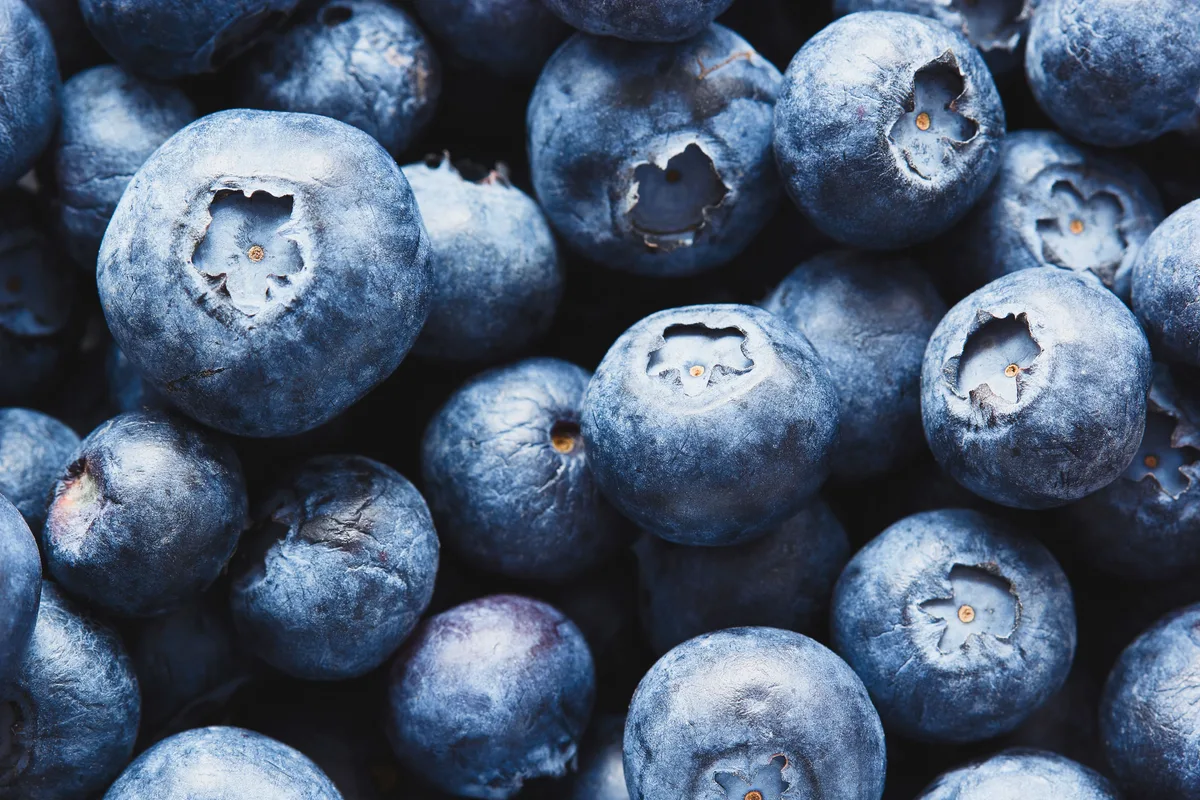
They’re genuinely one of the most nutritious treats around:
- Antioxidants: blueberries are rich in anthocyanins and other antioxidants that help fight free radicals and support cell health — benefits studied even for aging dogs’ brains.
- Vitamins C and K: they supply vitamin C as an immune-supporting antioxidant and vitamin K for healthy clotting.
- Fiber, low calories: they aid digestion while staying low in calories and sugar, making them a smart everyday-friendly treat.
- Perfect training-treat size: small, soft, and rewarding — easy to deliver one at a time without overdoing calories.
For a dog that loves a little-and-often reward, blueberries are hard to beat.
When blueberries can be a problem

Too many, too fast
Blueberries are high in fiber, so a big bowlful can cause gas, loose stool, or a mild upset stomach. Start small with a new treat and see how your dog’s digestion handles it before offering more.
Choking in small dogs
They’re small, but a very small dog or an enthusiastic gulper can still choke on a handful swallowed at once. For tiny breeds, offer one at a time, or mash them.
Sugary and processed versions
Plain and whole is the rule. Skip blueberry muffins, pancakes, pies, sweetened yogurt, and dried blueberries with added sugar — and always avoid anything with xylitol. These add risks that a fresh berry doesn’t carry.
The occasional stained smile
Not a health issue, but worth a mention: blueberries can temporarily stain a light-colored dog’s muzzle or leave blue drool. It’s harmless and wipes away.
How many blueberries can a dog eat?
Follow the 10% rule: treats, blueberries included, should make up no more than 10% of your dog’s daily calories. As a rough guide, that’s around two or three berries for a very small dog and up to eight or ten for a large dog, offered occasionally rather than by the handful. Because they’re low in sugar and calories, blueberries are more forgiving than most fruit — but moderation and a gradual introduction still apply.
How to feed blueberries to your dog
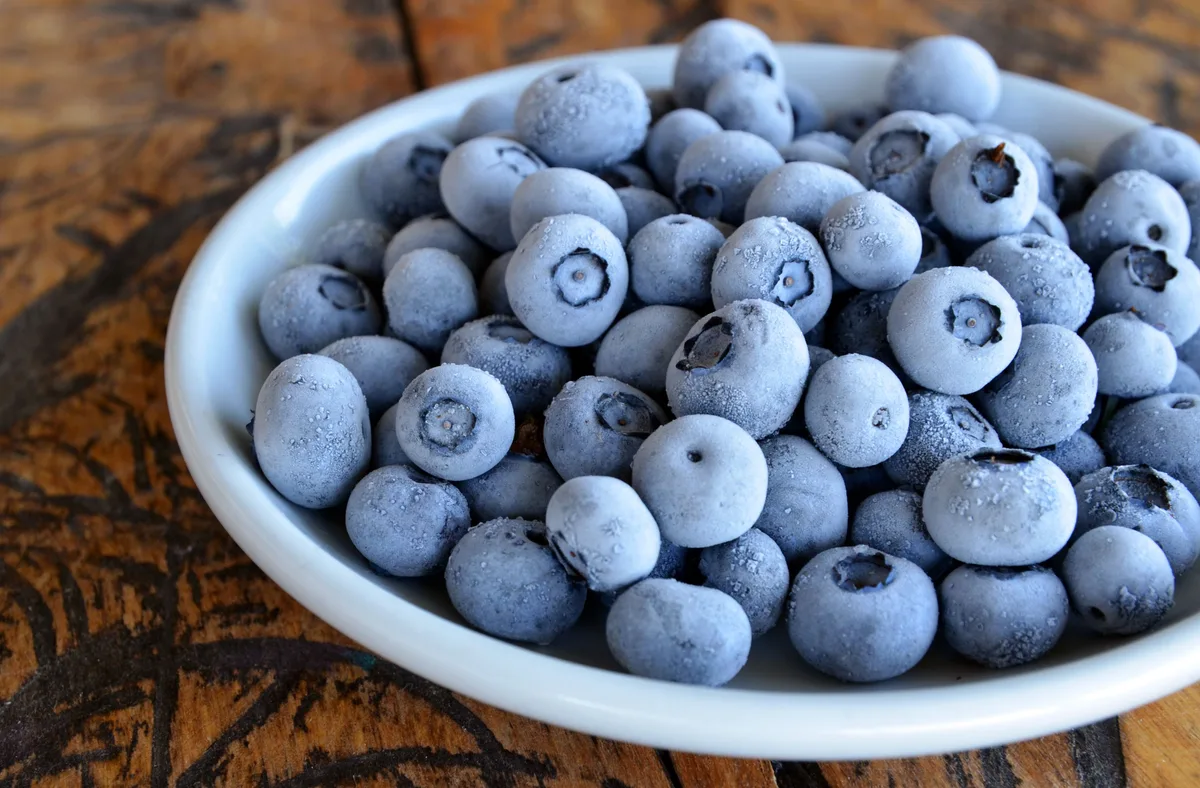
- Wash them well: rinse to remove dirt and any pesticide residue.
- Serve them whole or mashed: whole is fine for most dogs; mash them for very small dogs and seniors to remove any choking risk.
- Freeze for a treat: frozen blueberries make a cool, crunchy snack and an excellent hot-day training reward.
- Use as a topper or in a puzzle toy: a few mixed into food or frozen into plain yogurt make a nice low-calorie reward.
- Serve them plain: no sugar, syrup, or baked-goods versions.
- Great for training: their size makes them ideal for rewarding one at a time during training sessions.
What if my dog ate a lot of blueberries?

Blueberries aren’t toxic, so a dog that got into more than intended is very unlikely to be in danger — the most probable result is an upset stomach, gas, or loose stool from the fiber. Keep fresh water available and watch for ongoing vomiting or diarrhea over the next day. Two situations deserve more attention: a very small dog that swallowed a handful and is choking (coughing, gagging, pawing at the mouth, or struggling to breathe) is an emergency — contact your vet right away; and a dog that got into blueberry muffins or a xylitol-sweetened product needs a vet call immediately, because the sugar and xylitol, not the fruit, are the real danger. When in doubt about how your dog is doing, a quick call to your vet is always reasonable.
Reading your dog beyond the treat
Choosing safe snacks is one piece of caring for a dog; understanding what they’re asking for is another. Dogs tell us a lot — about hunger, excitement, and how they’re feeling — and learning to read those cues is what Traini is built for: translating your dog’s behavior and signals into plain language so you can respond with confidence. When your dog is begging nonstop or seems unsettled after trying something new, you can ask PetGPT about your specific situation. For more on healthy snacks and the fruit bowl, see our guides on apples, strawberries, and watermelon.
Frequently asked questions
Can dogs eat frozen blueberries?
Yes. Plain frozen blueberries make a refreshing, crunchy treat and a great training reward on a hot day. For very small dogs, let them soften slightly or mash them, since frozen berries are harder.
Can dogs eat blueberry muffins?
It’s best to skip them. Muffins and other baked goods are high in sugar and fat, and some contain xylitol, which is toxic to dogs. Stick to plain, fresh or frozen blueberries instead.
Are blueberries good for senior dogs?
Yes. Their antioxidants are often highlighted for supporting aging dogs, and they’re low in calories and easy to chew when mashed — a sensible treat for seniors, in moderation.
How many blueberries can a dog eat in a day?
Keep it to the 10% rule — roughly two or three berries for a very small dog and up to eight or ten for a large dog, as an occasional treat. Because they’re low in sugar, blueberries are one of the more forgiving fruits, but moderation still matters.
This article is for general information and isn’t a substitute for professional veterinary advice. If your dog is choking, or shows persistent vomiting, diarrhea, or other concerning symptoms after eating blueberries — or has eaten a xylitol-sweetened product — please contact your veterinarian.