
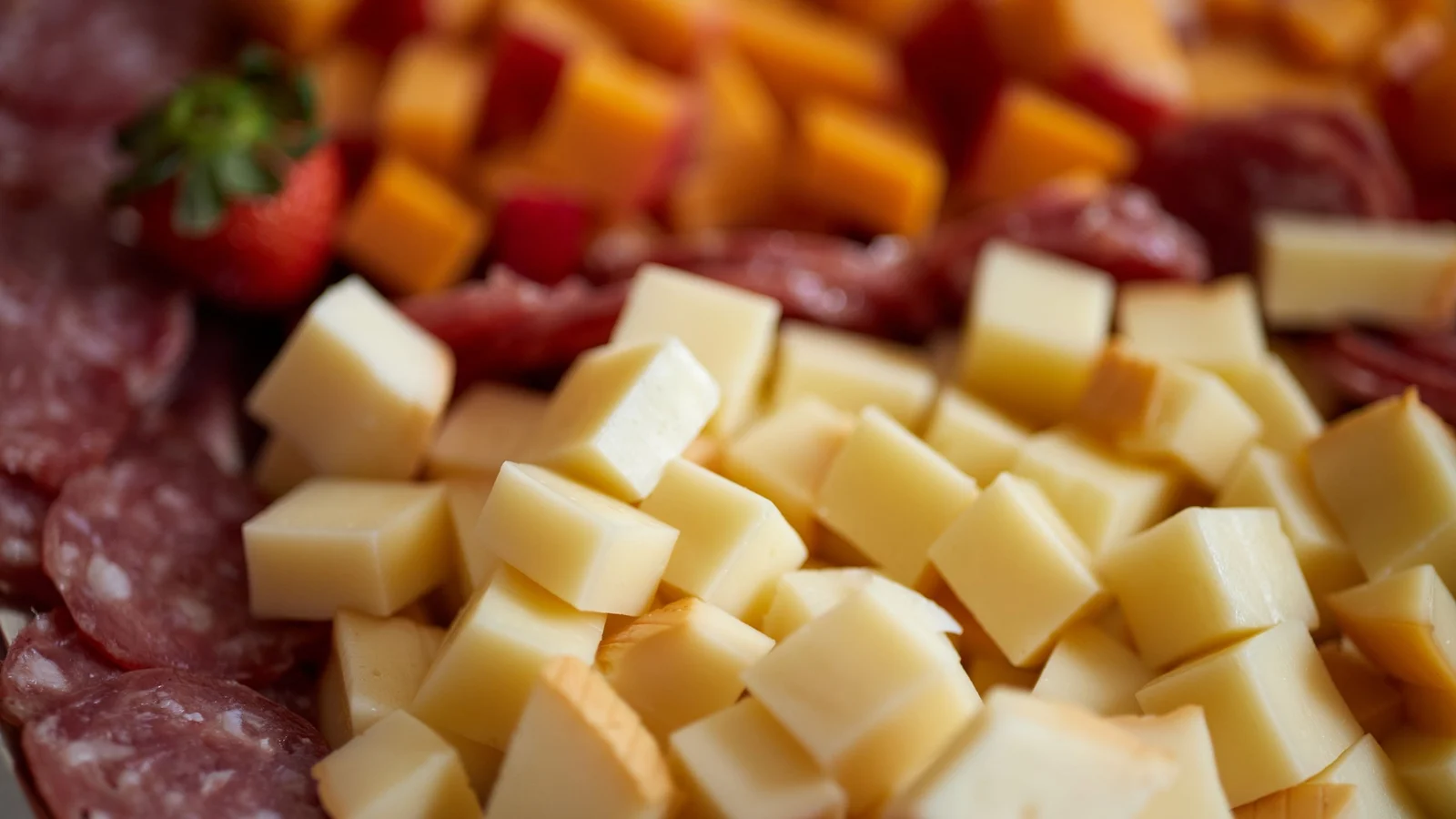
Can dogs eat cheese? Yes — most dogs can eat small amounts of plain cheese, and it’s one of the most useful training treats there is. The things to watch are the fat and calories, the salt, dogs who are lactose-sensitive, and a few cheeses to avoid entirely, like anything with onion or garlic and blue-veined cheeses.
If your dog snagged a dropped cube of cheddar, there’s nothing to worry about. Cheese becomes a problem with big portions, the wrong types, or dogs who don’t handle dairy well — and below we’ll walk through exactly where the line is.
So, is cheese actually okay for dogs?
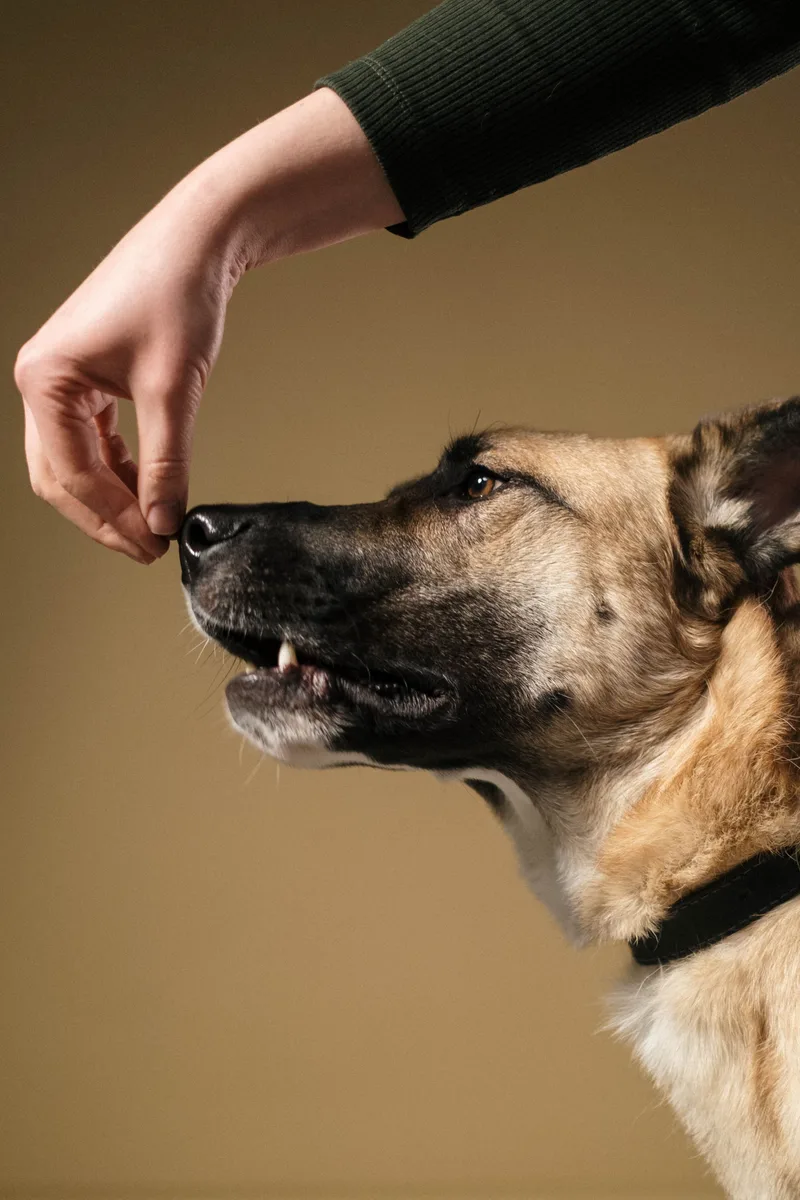
Yes, in moderation. A small piece of plain cheese is non-toxic and highly motivating — many trainers reach for it precisely because dogs love it. Cheese offers some protein, calcium and vitamins, and it’s handy for hiding pills. The catch is that it’s rich: high in fat, calories and salt, so it’s a treat, not a daily food. The key words are small and plain — a cube or two, nothing flavored with onion or garlic.
The real risks worth knowing
1. Fat and calories
Cheese packs a lot of fat and calories into a small bite. Over time that adds up to extra weight, and a sudden fatty treat can trigger an upset stomach or, in prone dogs, pancreatitis — a painful inflammation of the pancreas. Overweight dogs, and breeds prone to pancreatitis, are better off with a leaner reward.
2. Lactose and sensitive stomachs
Many dogs are somewhat lactose intolerant, because they don’t make much of the enzyme that digests milk sugar. A little cheese is usually fine, but too much can cause gas, loose stools or a gurgly belly. Hard, aged cheeses like cheddar and parmesan are lower in lactose; soft, fresh dairy is higher.
3. Salt, and cheeses to avoid
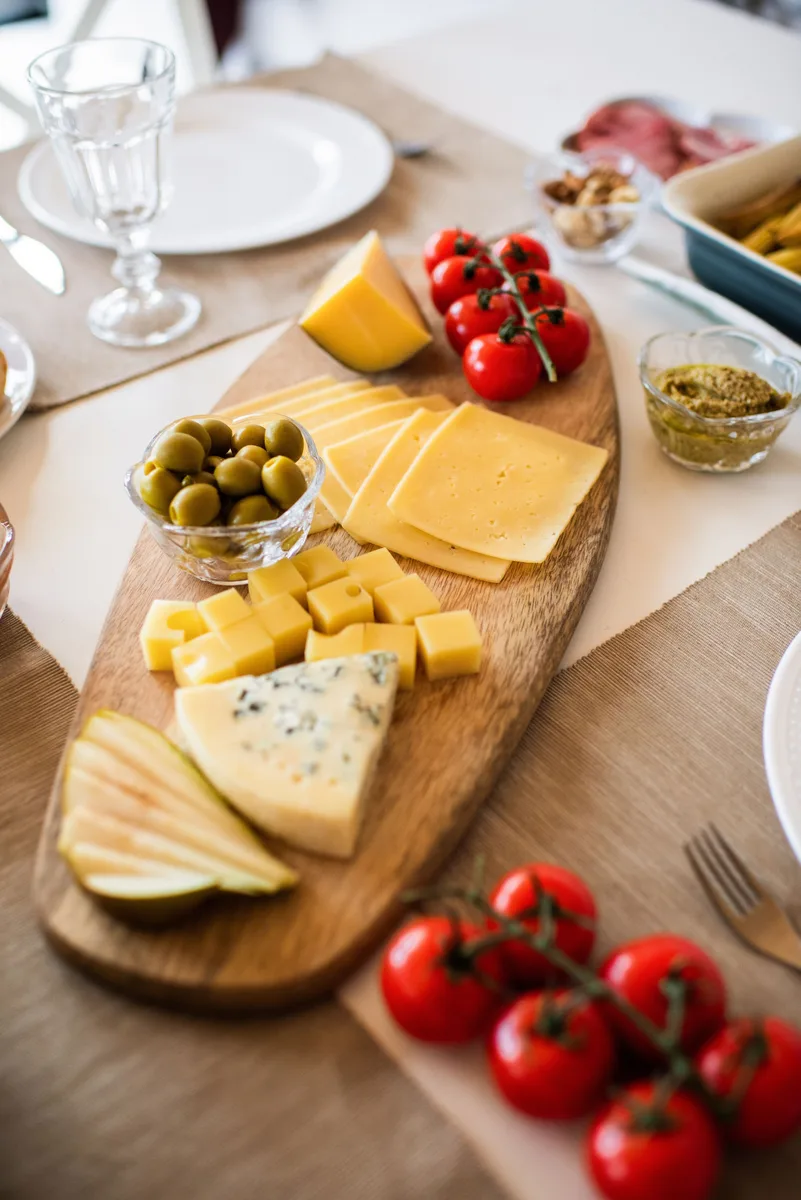
Cheese is salty, which matters for dogs with heart or kidney issues. A few types are best skipped altogether: anything seasoned with onion or garlic (both toxic to dogs), and blue-veined cheeses like Roquefort, Stilton and Gorgonzola, which can contain a substance called roquefortine that upsets some dogs. When in doubt, stick to plain.
How to share cheese with your dog safely
If you want to offer a bite, keep it simple:
- Plain only — no herbs, onion, garlic or other flavorings.
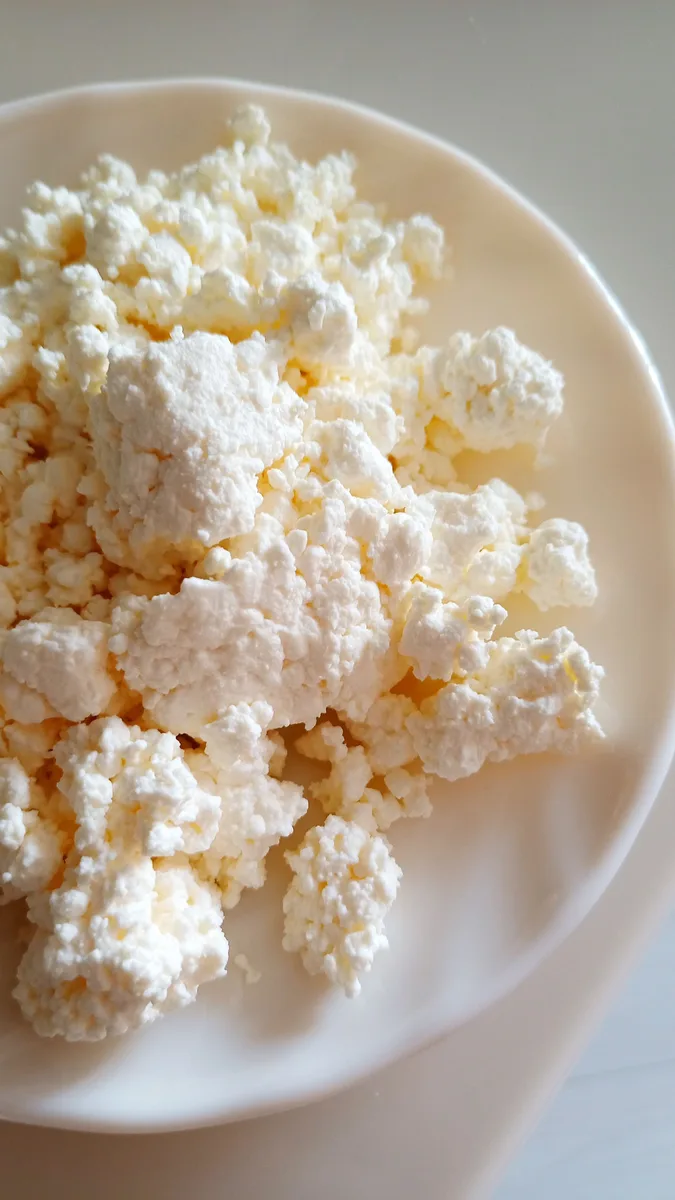
- Low-fat picks — mozzarella, plain cottage cheese or a little cheddar beat rich, creamy types.
- Tiny portions — a small cube, or pea-sized bits for training.
- Watch the first time — offer a little and see how their stomach handles dairy.
What to do if your dog ate too much cheese
Match your response to what they actually got into:
- A small piece of plain cheese: No worries. Keep fresh water out and carry on.
- A big chunk at once: Watch for gas, loose stools or a brief upset stomach, which usually settles on its own. Offer water and a light next meal.
- Blue cheese, or cheese with onion or garlic: Call your vet for advice, especially if you see vomiting, diarrhea, tremors, or weakness — the toxic ingredients, not the cheese itself, are the concern.
Other treats dogs can enjoy
If you’re building a treat rotation, mix cheese with some lighter options. A few plain green beans, some carrot sticks, a little plain corn, or a few blueberries all make low-fat rewards your dog will still work for.
And if your dog fixes you with that unblinking stare the second the cheese comes out, that begging is its own kind of communication. Traini’s AI dog translator helps you read what’s really behind those looks — true hunger, habit, or just wanting in on what you’re doing — so “that’s enough” gets easier for both of you.
Frequently asked questions
How much cheese can a dog eat?
Only a small amount — a cube or two, or pea-sized pieces for training. Like all treats, cheese should stay under about 10% of your dog’s daily calories, with the rest coming from a complete, balanced diet. Keep it occasional because it’s high in fat.
What cheese is best for dogs?
Lower-fat, lower-salt, plain options are best: mozzarella, plain cottage cheese, or a little cheddar. Avoid rich, creamy cheeses, anything flavored with onion or garlic, and blue-veined cheeses.
Can puppies eat cheese?
A tiny piece of plain, mild cheese is usually fine as a training reward, but puppies have sensitive stomachs, so keep it very small and watch for any upset. Make sure treats stay within their daily calorie budget.
Is cheese good for hiding pills?
Yes — a small piece of soft cheese is a classic way to disguise medication, as long as your dog tolerates dairy and the cheese is plain. Check with your vet first, since a few medicines shouldn’t be given with dairy.
This article is for general information and isn’t a substitute for professional veterinary advice. If your dog has eaten blue cheese, cheese with onion or garlic, or a large fatty amount and seems unwell, contact your veterinarian.