
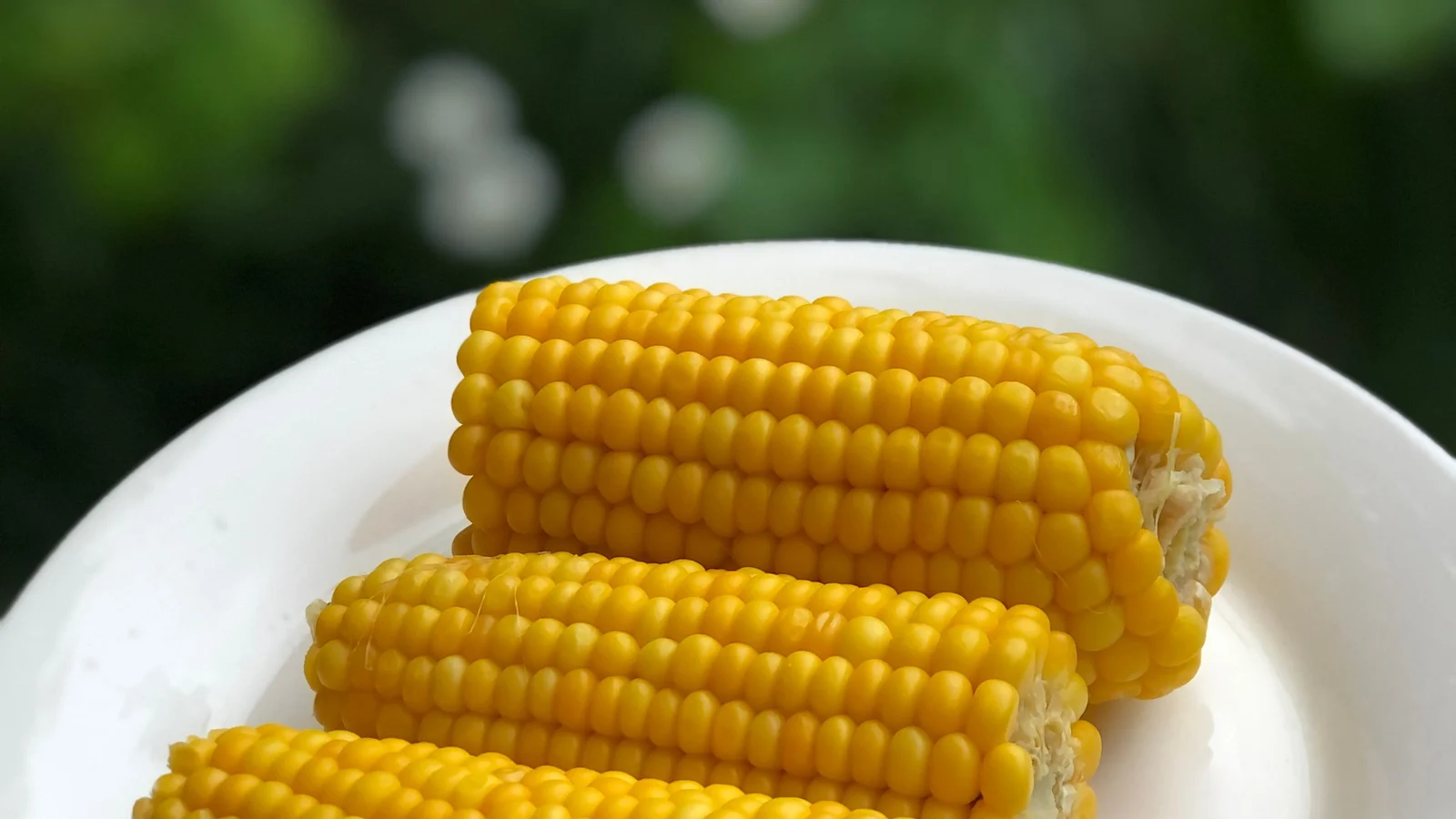
Can dogs eat corn? Yes — plain, cooked corn kernels off the cob are safe for most dogs in small amounts. Corn is a common, digestible ingredient in many quality dog foods. The things to avoid are the cob itself, which is a serious blockage hazard, and buttered, salted or seasoned corn.
If your dog hoovered up a few kernels that fell off your plate, there’s nothing to worry about. The danger isn’t the corn — it’s the cob, the butter and salt we cook it with, and large servings. Below we’ll walk through exactly where the line is.
So, is plain corn actually okay for dogs?
Yes. A spoonful of plain, cooked corn kernels is non-toxic and makes a fine occasional treat. Corn brings some carbohydrate for energy, a little fiber, and small amounts of protein and antioxidants — which is why you’ll find it in plenty of reputable dog foods, not as cheap “filler” but as a usable ingredient. Dogs don’t need corn, but a small amount of plain kernels won’t hurt a healthy dog. The key words are plain and small — no butter, no salt, and never the cob.
The real risks worth knowing
1. The cob is the big danger
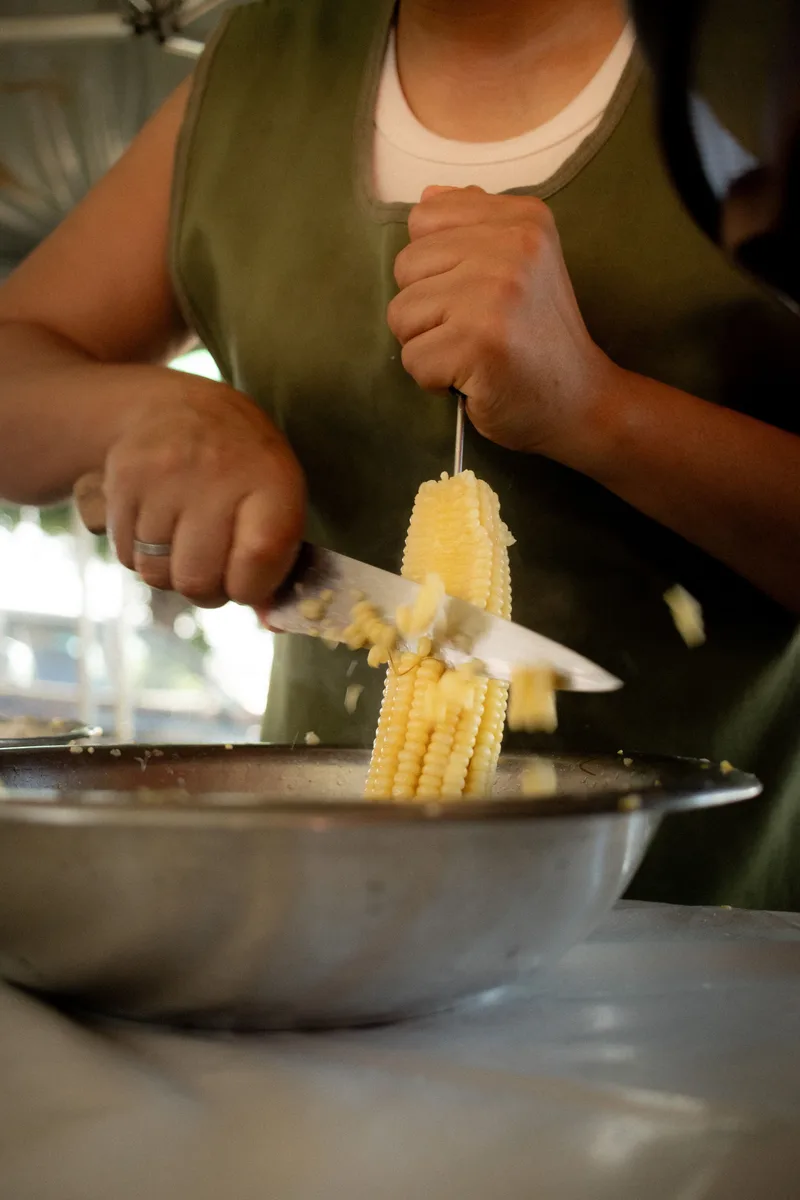
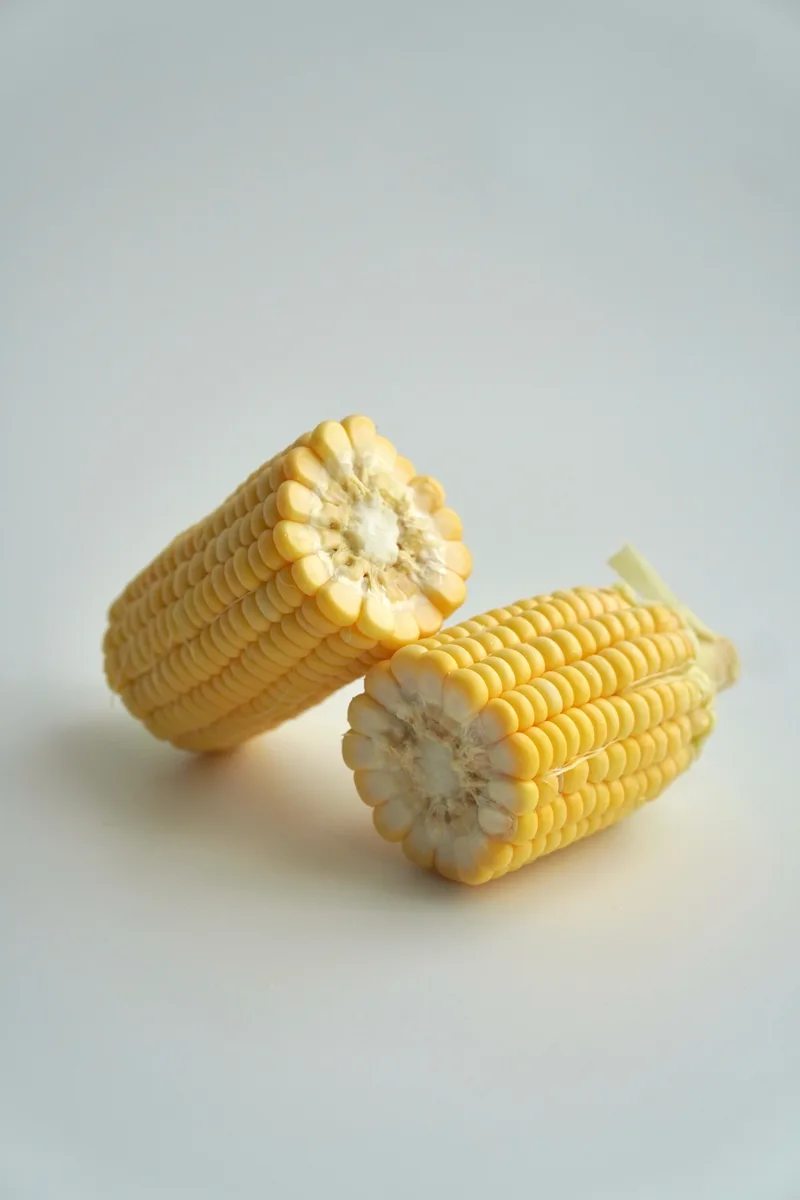
This is the one that lands dogs in surgery. A corn cob is the perfect size and shape to lodge in a dog’s intestines, and it doesn’t break down. Dogs love the smell and will happily swallow a chunk — or a whole cob. A blockage is a veterinary emergency, so never give your dog a cob to gnaw, and keep used cobs well out of reach of the bin and the barbecue.
2. Butter, salt and seasonings
The way we usually eat corn — slathered in butter, sprinkled with salt, or coated in spices — is exactly what makes it a bad idea for dogs. The added fat can upset their stomach or, over time, contribute to pancreatitis, and too much salt isn’t good for them. If you want to share, set aside a few plain kernels before you dress yours.
3. Too much, or an allergy
Corn is high in carbohydrate and calories, so large servings can mean loose stools, gas or extra weight. Corn is also one of the more common food allergens in dogs — not frequent, but real. If your dog gets itchy skin, ear trouble or an upset stomach after corn, mention it to your vet and leave it off the menu.
How to share corn with your dog safely
If you want to offer a little, keep it simple:
- Kernels only — never the cob, cooked or raw.
- Plain — no butter, salt, oil or seasoning.
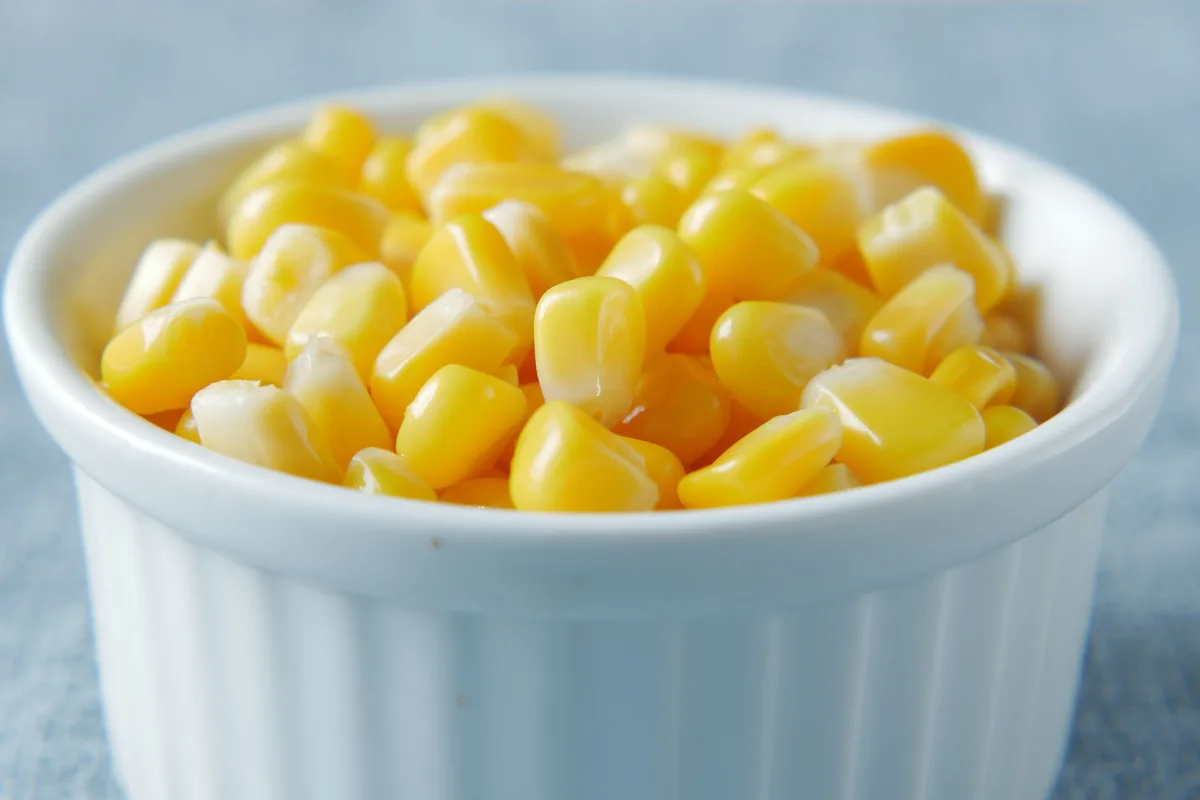
- Cooked and cooled — plain boiled or steamed, cut off the cob.
- Small portions — a spoonful as a treat, not a side dish.
What to do if your dog ate a corn cob
Match your response to what they actually got into:
- A few plain kernels: No worries. Keep fresh water out and carry on.
- Buttered or salted corn: Watch for a brief upset stomach, gas or loose stools, which usually settle on their own.
- Any part of a cob: Call your vet right away, even if your dog seems fine. Watch for vomiting, a hard or painful belly, straining to poop, or going off food — these point to a blockage that can need surgery.
Other vegetables dogs can enjoy
If you like sharing veg, there are safer picks that don’t come with a cob attached. Try a few plain green beans, some carrot sticks, a little celery, or plain cooked potato — all simple, low-fat treats in moderation. A nibble of cheese works well as a higher-value reward too.
And if your dog plants themselves at your feet the moment corn hits the table, that begging is its own kind of communication. Traini’s AI dog translator helps you read what’s really behind those looks — true hunger, habit, or just wanting in on what you’re doing — so “not the cob” gets easier for both of you.
Frequently asked questions
How much corn can a dog eat?
Just a spoonful of plain, cooked kernels as an occasional treat. Like all treats, corn should stay under about 10% of your dog’s daily calories, with the rest coming from a complete, balanced diet. Start small to see how their stomach handles it.
Can dogs eat popcorn?
Plain, air-popped popcorn in small amounts is fine, but skip the butter, salt and any unpopped kernels, which can crack teeth or pose a choking risk. See our guide on dogs and popcorn for the full picture.
Is corn bad for dogs, or just filler?
Corn isn’t bad for most dogs. In quality dog foods it’s a digestible source of carbohydrate, fiber and some nutrients — not merely cheap bulk. The real problems are the cob, added fat and salt, and the occasional corn allergy.
Can dogs eat canned or creamed corn?
It’s best to skip both. Canned corn often has added salt, and creamed corn is loaded with sugar, salt and dairy your dog doesn’t need. Plain, cooked kernels off the cob are the safe choice.
This article is for general information and isn’t a substitute for professional veterinary advice. If your dog has swallowed a corn cob, or shows vomiting, a painful belly or trouble pooping, contact your veterinarian right away.