
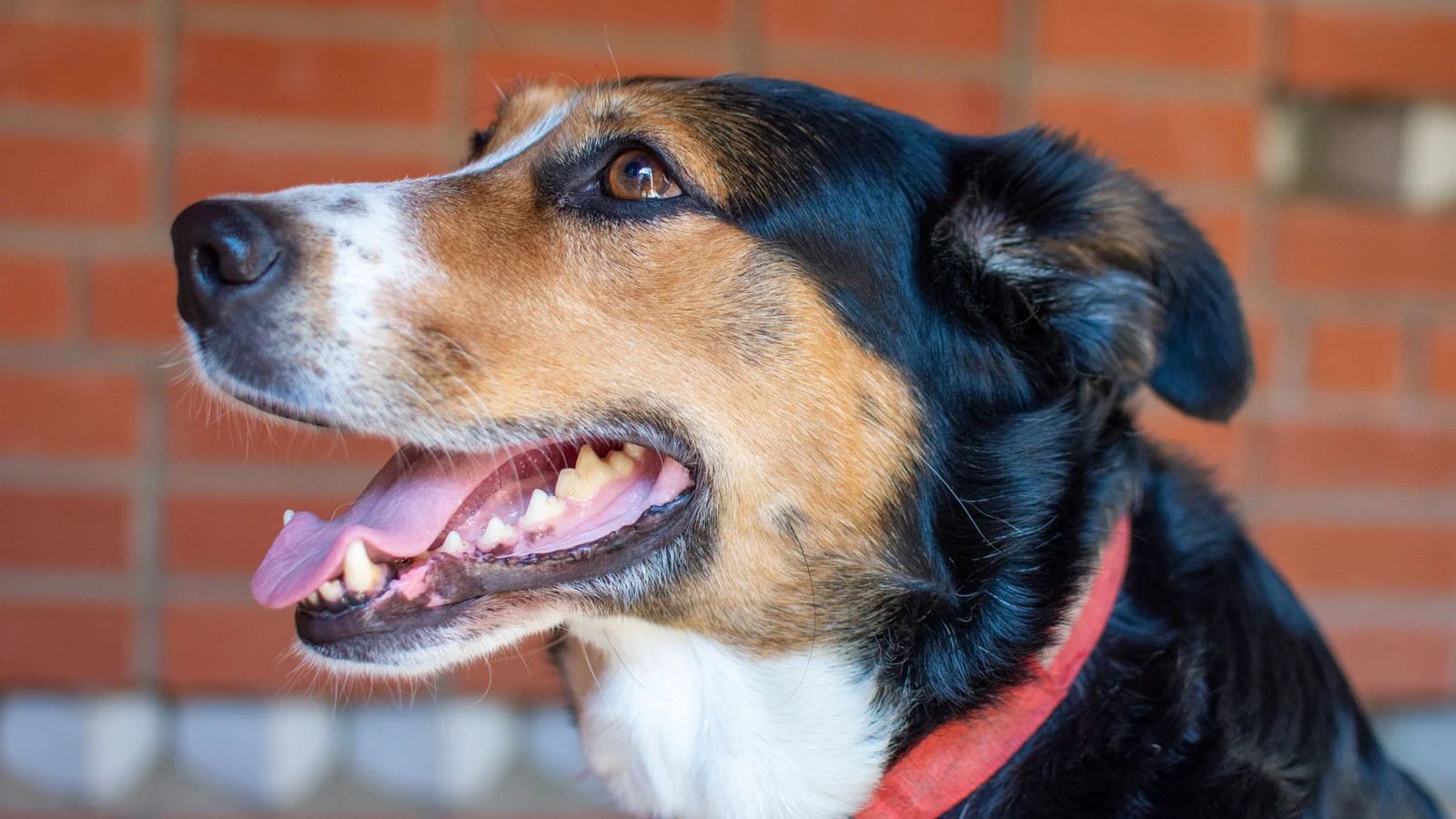
Adult dogs have 42 teeth, and puppies have 28. Puppies are born toothless, grow a set of 28 baby teeth, then lose them and replace them with 42 permanent adult teeth by around six to seven months of age. That’s about 10 more than an adult human — and each type of tooth does a specific job, from nipping to shearing to grinding.
If you’ve just felt a sharp little tooth come loose during play, or you’re wondering whether your dog’s mouth looks right, you’re asking a good question. Here’s the full breakdown of how many teeth dogs have, what each kind does, and how to keep all 42 healthy.
How many teeth do dogs have — puppies vs adults
Dogs are diphyodont, meaning they grow two sets of teeth in a lifetime, just like us. Puppies start getting their 28 deciduous (“baby”) teeth at around three to four weeks old. Those are temporary; starting at about 12–16 weeks they fall out and are replaced by 42 permanent adult teeth, a process usually finished by six to seven months. Interestingly, puppies have no molars in their baby set — molars only come in with the adult teeth.

The four types of dog teeth and what they do
Incisors — 12 teeth
The small teeth at the front, six on top and six on the bottom. Dogs use incisors for nibbling, grooming, and picking up or holding small objects. These are the little teeth you’ll often see when a dog “nibbles” at an itch.
Canines — 4 teeth
The long, pointed fangs at each corner of the mouth. Canines are built for grabbing and holding, and for tearing. They’re the teeth most people picture when they think of a dog’s bite.
Premolars — 16 teeth
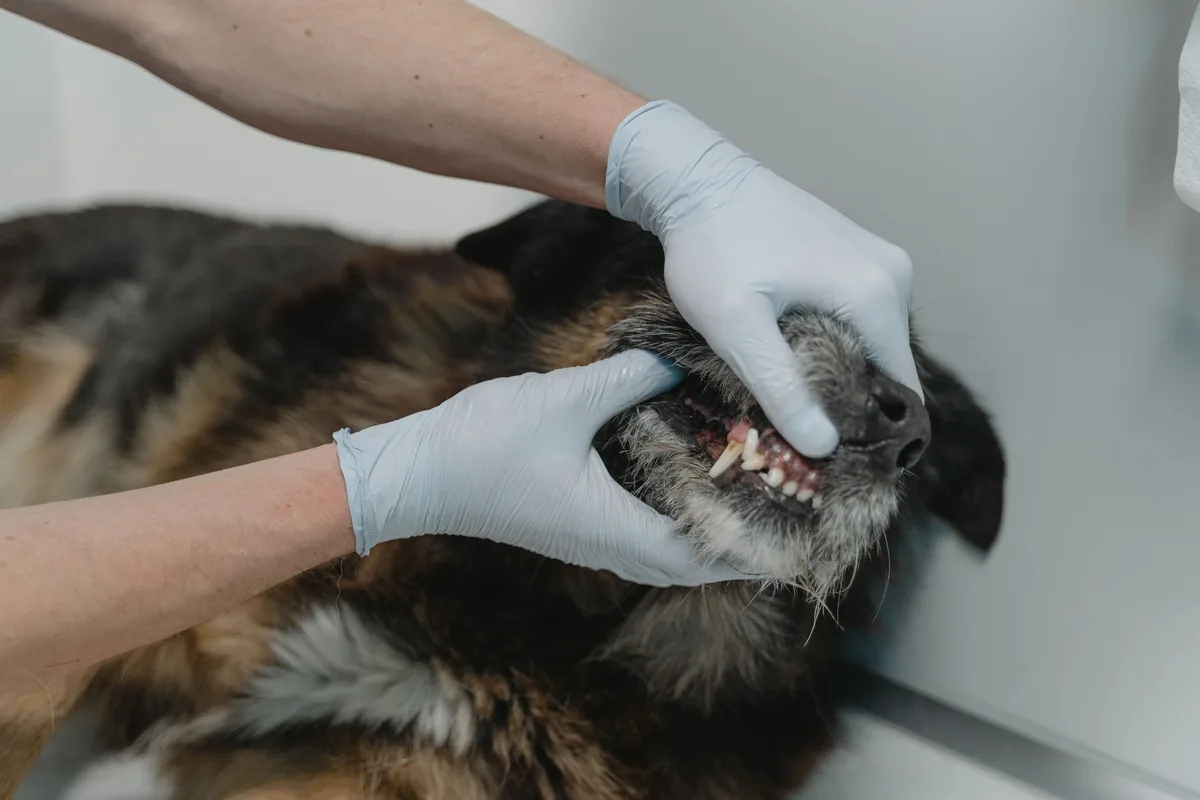
The teeth just behind the canines, used for shearing and chewing. When your dog chews a toy or treat with the side of their mouth, they’re using their premolars to slice it down to size.
Molars — 10 teeth
The flat teeth at the back, two on top and three on the bottom on each side. Molars grind and crush tougher food like kibble and bone. Puppies don’t have molars at all — they appear only with the adult set.
Puppy teething: what to expect
Teething is a big deal for a young dog. As those 28 baby teeth loosen and 42 adult teeth push through, puppies feel sore gums and an urge to chew everything in reach. You may find tiny teeth on the floor, or none at all — many puppies simply swallow them, which is harmless. The heavy chewing of this stage is normal and manageable; our guide on how to stop a puppy from biting covers how to redirect it kindly.
Keeping all 42 teeth healthy
Dental disease is one of the most common health problems in dogs, so those adult teeth need care:
- Brush regularly: use a dog-safe toothpaste (never human toothpaste) and aim for daily or several times a week.
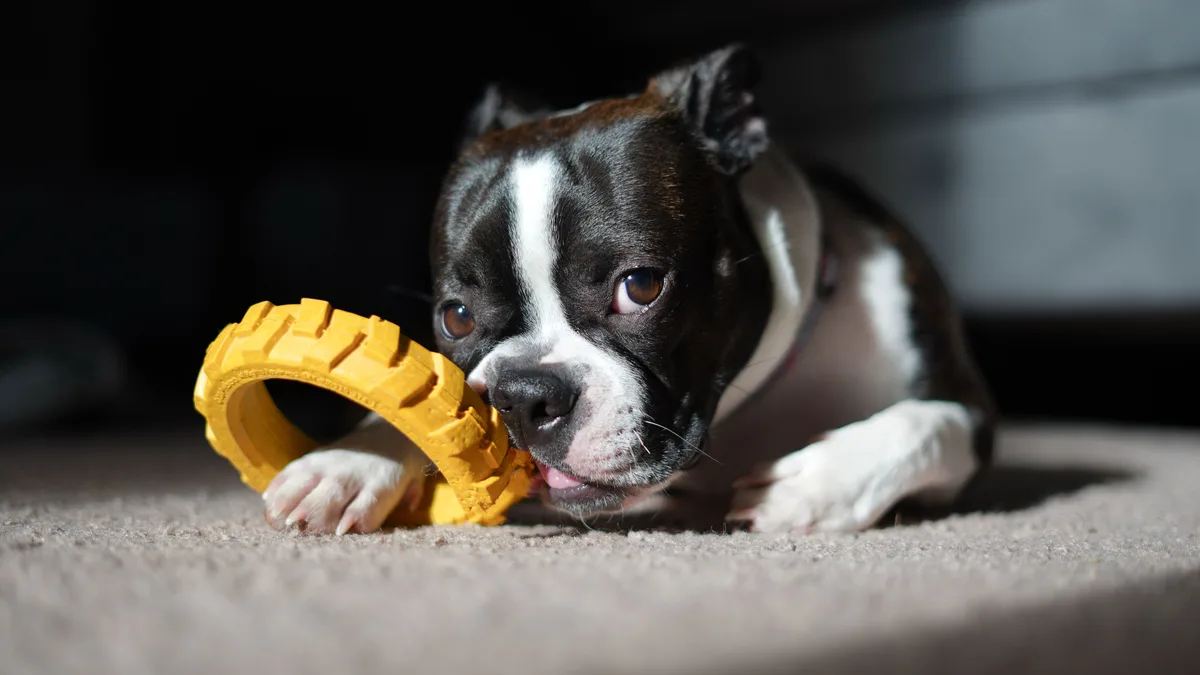
- Offer dental chews and safe toys: chewing helps scrape away plaque between brushings.
- Watch for warning signs: bad breath, red or bleeding gums, drooling, or a reluctance to eat can all signal dental trouble.
- Get professional cleanings: your vet can check for problems below the gumline and clean where a brush can’t reach.
Reading your dog beyond their teeth
A sore mouth, a cracked tooth or gum pain can quietly change how a dog eats, chews, or acts — and dogs rarely make it obvious. That’s where Traini’s AI dog translator helps: it turns your dog’s behavior and body signals into plain language, so when something seems off — a dog suddenly chewing on one side, dropping food, or pawing at their face — you can ask PetGPT about your specific situation and get an answer grounded in your dog’s context. For more dog facts, see our guide on whether dogs see color.
Frequently asked questions
How many teeth do adult dogs have?
Adult dogs have 42 permanent teeth: 12 incisors, 4 canines, 16 premolars and 10 molars. This is the full set most dogs have in place by around six to seven months of age.
How many teeth do puppies have?
Puppies have 28 baby (deciduous) teeth. These come in at around three to four weeks old, then fall out and are replaced by 42 adult teeth starting at about 12–16 weeks. Puppies have no molars in their baby set.
Do dogs lose their baby teeth?
Yes. Just like children, puppies lose all 28 baby teeth as the adult teeth push through, usually between three and seven months of age. Many puppies swallow the lost teeth while eating or chewing, which is normal and harmless.
What if my dog has a tooth missing or a baby tooth that won’t fall out?
A missing adult tooth, or a baby tooth that hasn’t come out once the adult tooth is in (a “retained” tooth), is worth a vet check. Retained baby teeth can crowd the adult teeth and trap food, leading to decay, and are often removed to protect the permanent set.
Do dogs have more teeth than humans?
Yes. Adult dogs have 42 teeth, while adult humans have 32 — so dogs have 10 more. The difference reflects their extra premolars and molars, built for shearing and grinding food.
This article is for general information and isn’t a substitute for professional veterinary advice. If you notice bad breath, bleeding or swollen gums, a cracked or missing tooth, or your dog struggling to eat, please contact your veterinarian.