
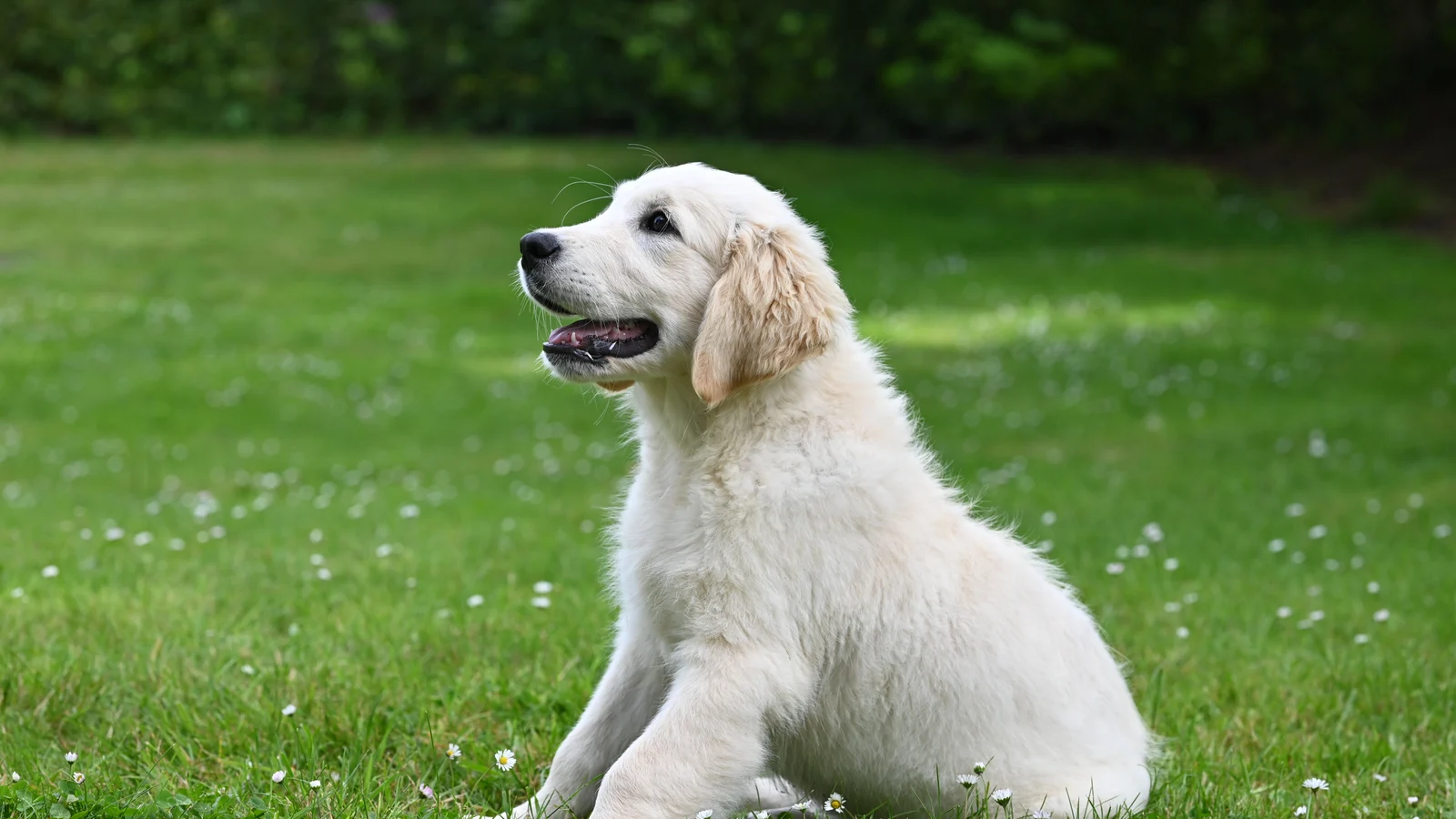
To potty train a puppy, take them to the same outdoor spot on a consistent schedule — after waking, eating, playing, and every one to two hours — then reward them the moment they go. Supervise closely indoors, use a crate or playpen when you can’t watch, and clean accidents with an enzymatic cleaner. Most puppies are reliably trained within four to six months.
Few things test a new puppy owner’s patience like house-training. One day your puppy trots to the door like a pro; the next, there’s a puddle behind the couch. The good news: potty training isn’t about talent or luck — it’s about routine, supervision, and rewarding the right thing at the right time.
Here’s a complete, step-by-step guide to potty training a puppy the positive way — how long it takes, what you need, how to handle nights and accidents, and the mistakes that slow everyone down.
How long does it take to potty train a puppy?
Most puppies take four to six months to become reliably house-trained, though some need up to a year. Age matters: a young puppy simply can’t hold their bladder for long. A useful rule is one hour per month of age, so a two-month-old puppy may need a break every two hours, plus trips after every meal, nap, and play session.
Consistency is the single biggest factor. Puppies trained on a predictable routine, with someone home to supervise, learn far faster than those left to figure it out alone. Setbacks are normal — progress isn’t a straight line.
What you need before you start
- A crate or playpen: sized so your puppy can stand, turn, and lie down, but no bigger. Dogs avoid soiling where they sleep, which makes a crate a powerful house-training tool. See our guide to crate training a puppy.
- High-value treats: small, soft rewards you can deliver the instant your puppy finishes going.
- An enzymatic cleaner: ordinary cleaners leave scent markers that draw puppies back to the same spot; enzymatic cleaners break them down.
- A consistent potty spot: one outdoor area your puppy returns to each time, so the smell cues them to go.
How to potty train a puppy, step by step
1. Set a feeding and potty schedule
Feed your puppy at the same times each day — what goes in on a schedule comes out on a schedule. Take them out first thing in the morning, after every meal, after naps and play, and last thing before bed. Scheduled meals make elimination predictable.
2. Take them to the same spot
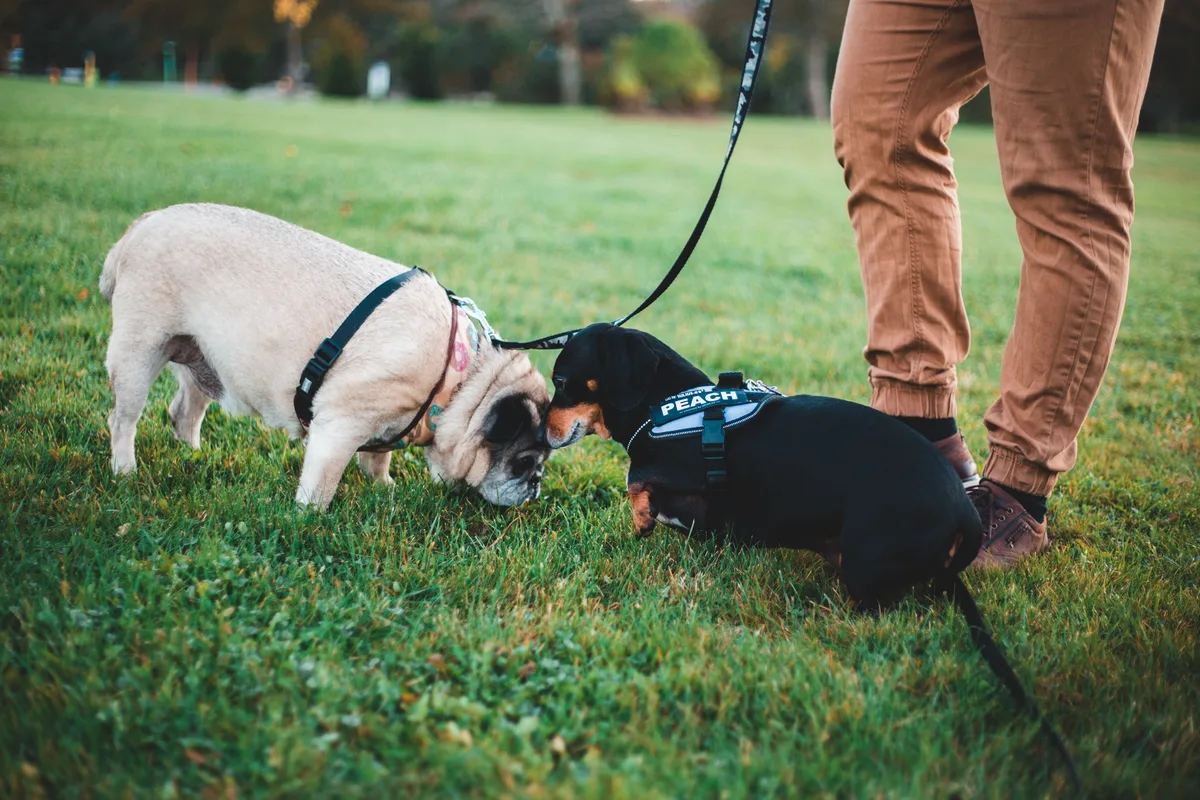
Lead your puppy on a leash to the same outdoor area every time. The lingering scent prompts them to go, and the leash keeps the trip about business, not play. Stay quiet so they aren’t distracted.
3. Add a cue word
As your puppy starts to go, say a gentle cue like “go potty.” With repetition, the phrase becomes a prompt you can use when you’re in a hurry or traveling.
4. Reward immediately
The instant your puppy finishes, praise warmly and give a treat — right there, outside, not back at the door. Timing is everything: reward even a few seconds late and your puppy won’t connect the treat to going in the right place.
5. Supervise every minute indoors
When your puppy is loose in the house, watch them constantly. Circling, sniffing, and sudden restlessness are signs they need to go — scoop them up and head outside. Can’t watch? That’s when the crate or playpen earns its keep.
6. Build up freedom gradually
As accidents become rare, give your puppy access to a little more of the house, one room at a time. Too much freedom too soon invites accidents in quiet corners you aren’t watching.
Potty training at night
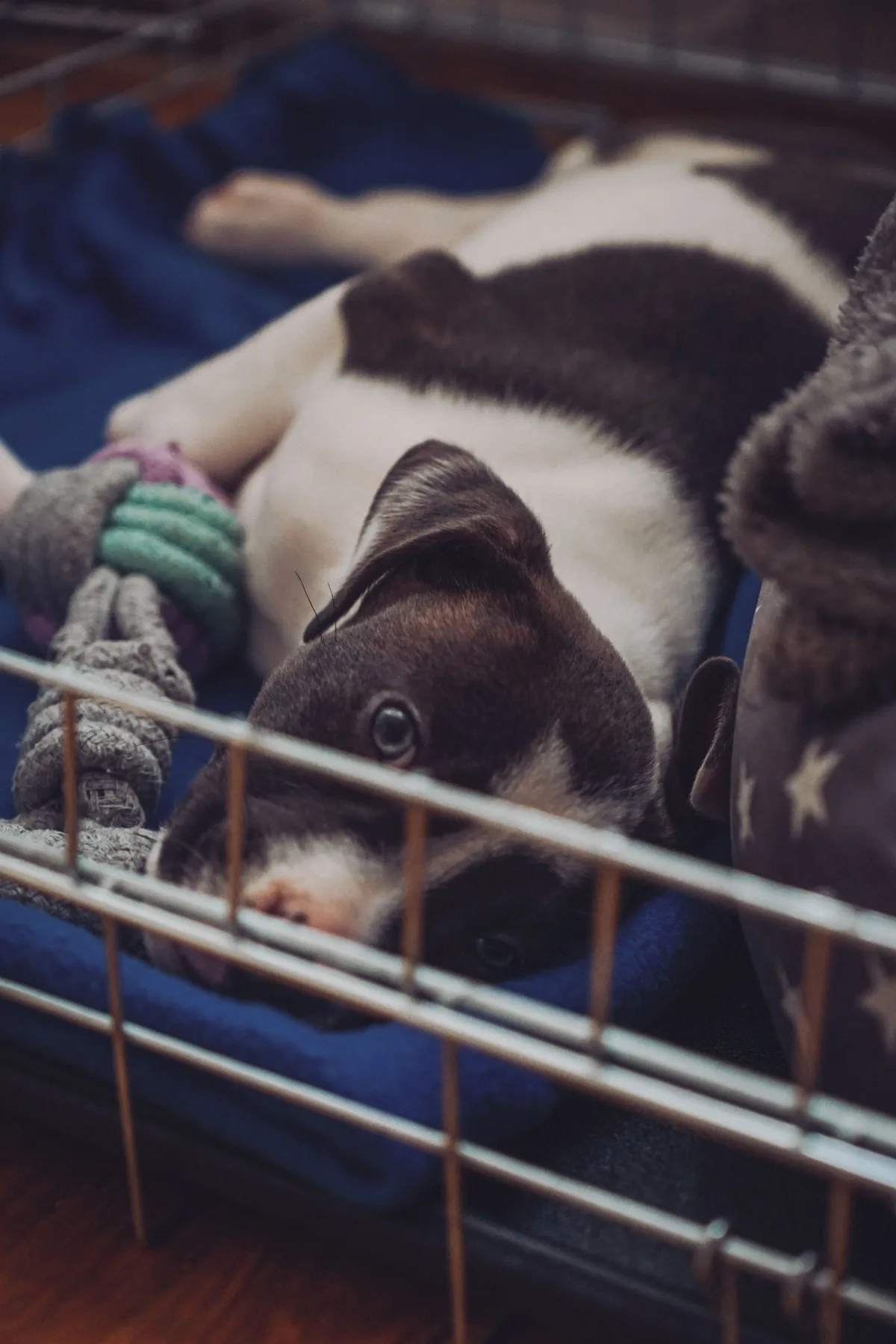
Young puppies usually can’t last the whole night, so expect one or two wake-ups at first. Keep the crate in or near your bedroom so you’ll hear them stir. Take them out calmly, straight to the potty spot, with no play or fuss, then back to bed — you want nighttime to stay boring and sleepy. Lift food and water a couple of hours before bedtime to reduce overnight needs, and as their bladder matures, the wake-ups fade.
How to handle accidents
Accidents are part of the process, not a failure. If you catch your puppy mid-accident, interrupt gently with a calm “oops” and whisk them outside to finish — then reward. Never punish, scold, or rub their nose in it. Punishment doesn’t teach where to go; it teaches your puppy to hide from you and to fear going in front of you, which makes training harder. Clean every accident thoroughly with an enzymatic cleaner so no scent marker invites a repeat.
Common potty training mistakes to avoid
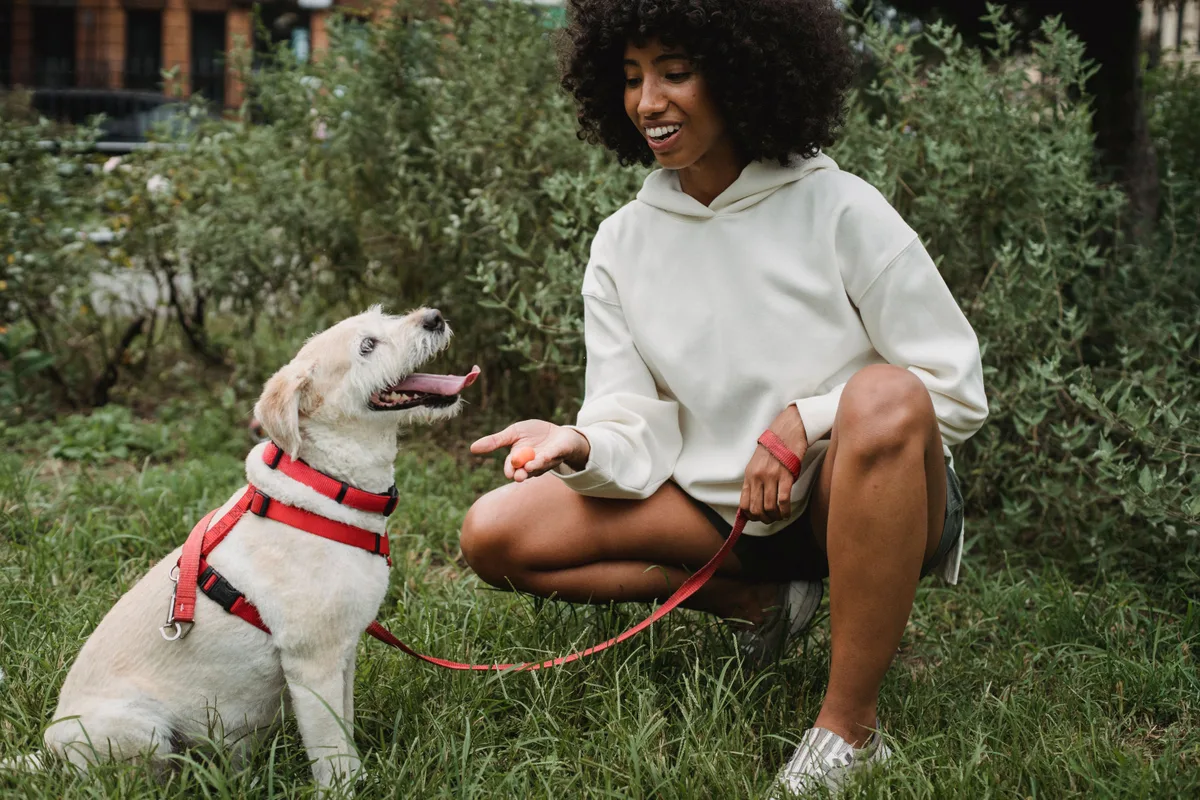
- Too much freedom too soon: an un-house-trained puppy with run of the house will find private corners to use.
- Inconsistent schedule: random meal and potty times make it impossible for your puppy to learn a rhythm.
- Punishing accidents: it creates fear and sneaky elimination, not understanding.
- Rewarding too late, or indoors: the treat has to come the moment they finish, in the right spot.
- Skipping the enzymatic cleaner: leftover scent is an open invitation to go there again.
Reading your puppy beyond potty training
House-training is really about reading your puppy — catching the circle-and-sniff before the puddle, telling “I need to go” from “I want to play.” Reading those signals is exactly what Traini is built for: translating your dog’s behavior and body language into plain language so you can respond to the real need at the right moment. When you’re not sure what your puppy is asking for, you can ask PetGPT about your specific situation. For more on raising a settled puppy, see our guides on crate training a puppy, stopping nuisance barking, and why puppies nibble.
Frequently asked questions
At what age should I start potty training a puppy?
You can start the day you bring your puppy home, usually around eight weeks. Very young puppies have little bladder control, so early training is mostly about building the routine — frequent trips outside, consistent timing, and rewards — while their body matures enough to hold it longer.
How often should I take my puppy out?
As a rule, every one to two hours for a young puppy, plus right after waking, eating, drinking, and playing. The one-hour-per-month-of-age guide helps: a three-month-old can manage roughly three hours between breaks during the day, but never push it as a test.
Should I use puppy pads?
Pads can help in a high-rise apartment or when a puppy can’t yet go outside, but they also teach that going indoors is acceptable, which can slow outdoor training. If your goal is outdoor potty habits, it’s often cleaner to skip pads and go straight to a consistent outdoor spot.
Why is my puppy suddenly having accidents again?
Regression can follow a change in routine, a move, stress, or a growth phase — or it can signal a urinary tract infection or other health issue. If accidents return suddenly in a previously trained puppy, tighten the routine and, if it continues, check with your vet to rule out a medical cause.
This article is for general training guidance. Every puppy is different, and if your puppy struggles to hold their bladder, has frequent accidents despite consistent training, or shows signs of discomfort when going, consider consulting your veterinarian to rule out a medical issue.