
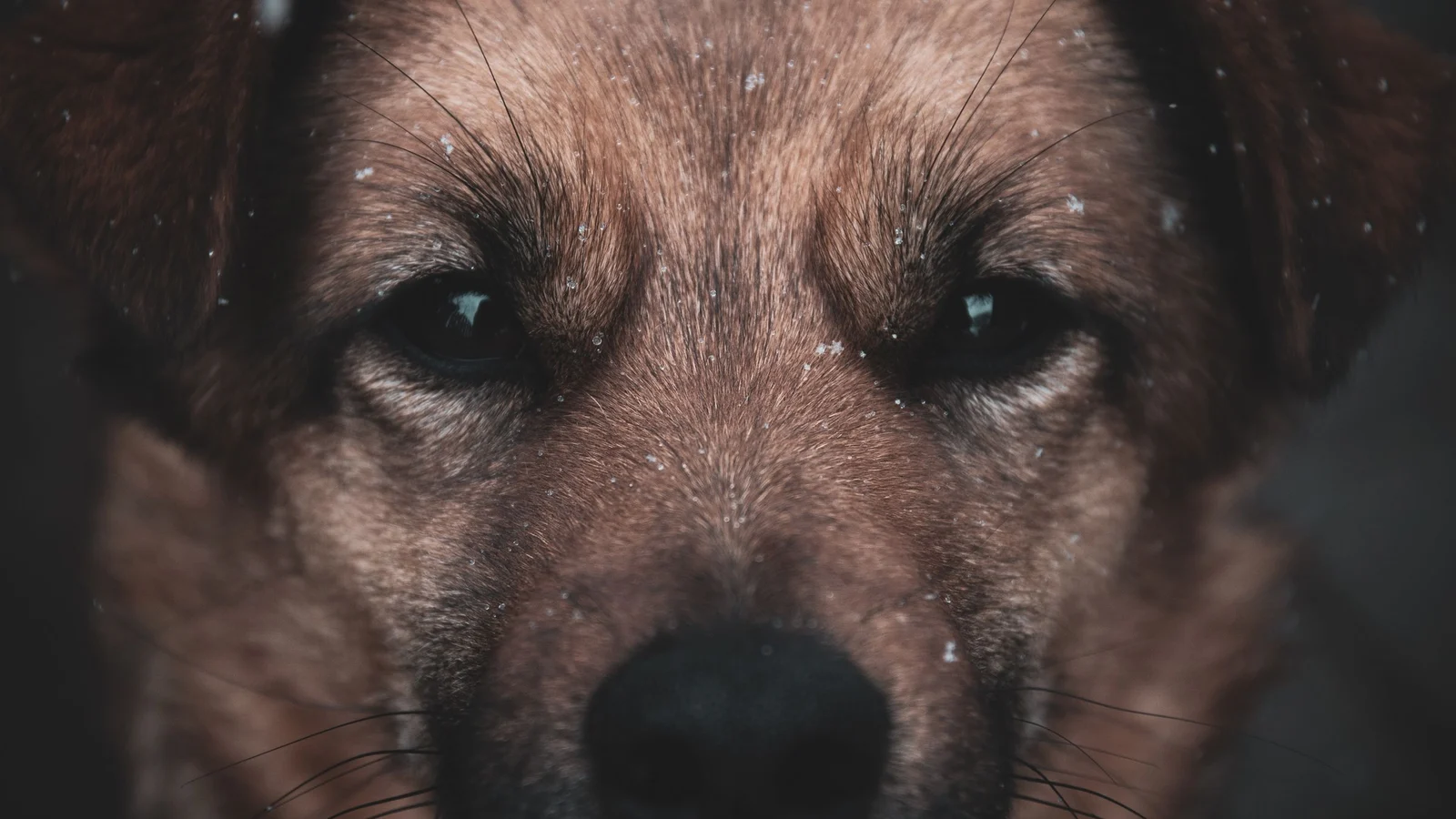
You lean in for a cuddle and notice the whites of your dog’s eyes have gone pink, or one eye looks bloodshot and a little weepy. Red eyes are one of those signs that can mean something as minor as a speck of dust — or, occasionally, something that needs a vet the same day. The trick is knowing which clues point where.
Here’s what makes a dog’s eyes go red, what you can safely watch at home, and the signs that mean it’s time to call your vet rather than wait it out.
Why are my dog’s eyes red?
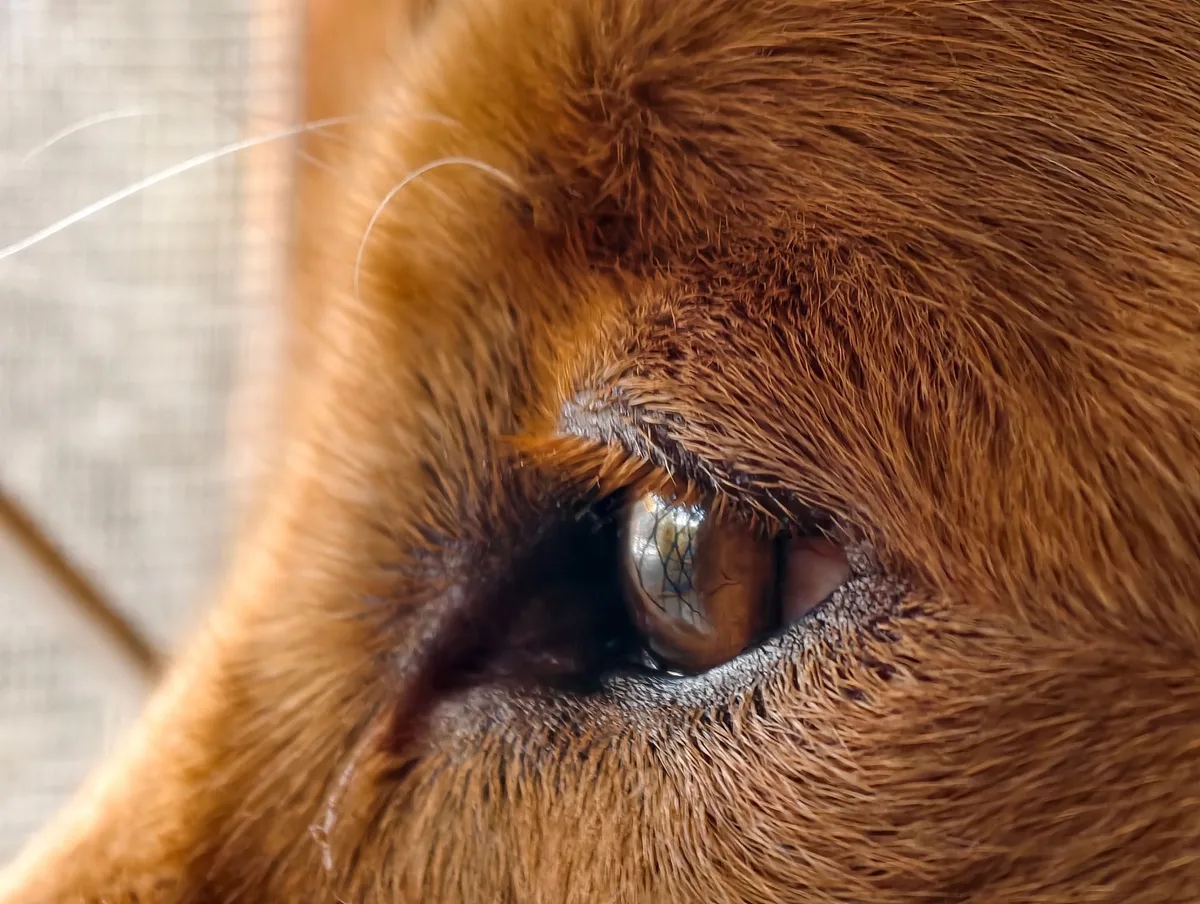
Red eyes mean the blood vessels on the surface of the eye are irritated and swollen. The causes range widely: simple irritants like dust, pollen or shampoo; allergies; conjunctivitis (“pink eye”); dry eye, where the eye doesn’t make enough tears; a scratch or foreign body; and more serious problems like glaucoma or an injury behind the eye. A dog who is otherwise bright, with a slightly pink eye and no pain, can often be watched for a day. Redness with squinting, pawing, discharge, cloudiness or a clearly painful eye needs a vet, because sight can be at stake.
Common causes, from mild to serious
Irritants and allergies
Dust, pollen, smoke, grass seeds and even a squirt of shampoo can leave eyes red and watery. Allergic dogs often have itchy eyes alongside itchy skin or ears, and the redness tends to come and go with the seasons or a particular trigger. Mild irritant redness often eases once the irritant is gone.
Conjunctivitis (pink eye)
Conjunctivitis is inflammation of the pink tissue lining the eye, from infection, allergy or irritation. It usually brings redness plus discharge — watery, or thick and yellow-green — and some blinking or rubbing. It’s common, often treatable, and worth a vet visit to get the right drops.
Dry eye and scratches
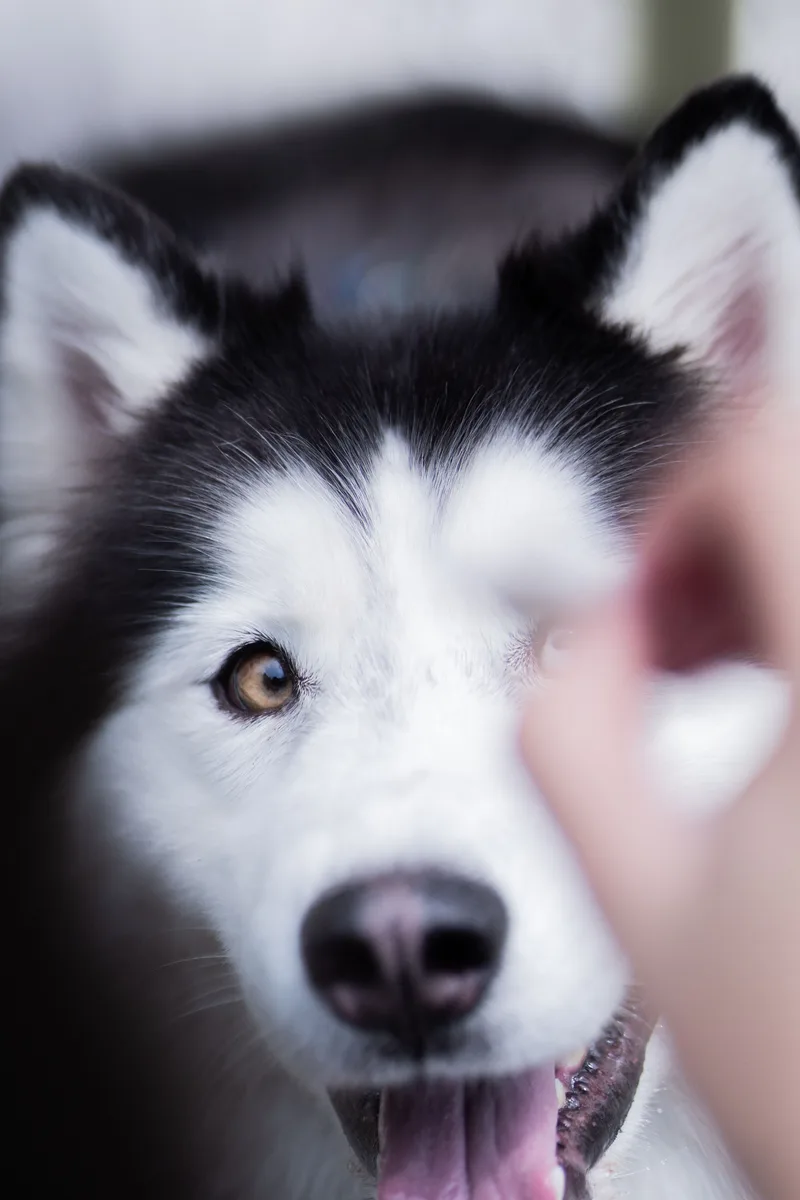
Dry eye (KCS) happens when tear production drops, leaving the surface red, dull and prone to thick discharge; left untreated it can damage sight. A scratch or a trapped grass seed can also redden one eye quickly, usually with obvious pain and pawing. Both need a vet to diagnose and treat properly.
Glaucoma and injury — the urgent ones
A sudden, very red, painful eye — often with cloudiness, a dilated pupil, bulging, or a dog who’s clearly miserable — can signal glaucoma (raised pressure in the eye) or a serious injury. These are emergencies: pressure can destroy sight within hours, so don’t wait and see.
When red eyes are an emergency
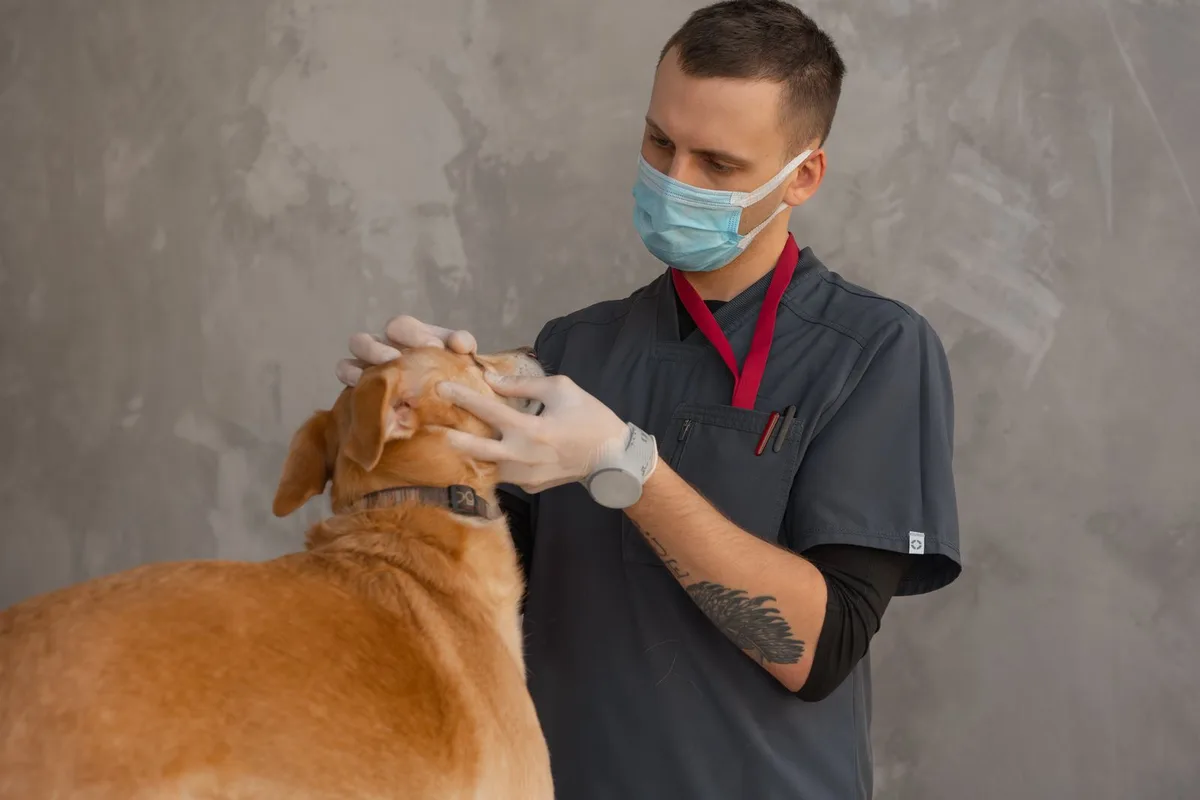
Call your vet right away if you see any of these:
- A painful eye — squinting, holding it shut, or shying from touch.
- Cloudiness or a bluish haze over the eye, or a bulging eyeball.
- Sudden, intense redness in one eye, especially with a changed pupil.
- Thick yellow-green discharge, or constant pawing and rubbing.
- Any visible injury, or a grass seed you can’t easily flush out.
- Vision changes — bumping into things, or reluctance to move.
How to help at home while you decide
If the redness is mild, there’s no pain, and your dog is otherwise well, you can watch carefully for a short while:
- Stop the rubbing: a cone or close supervision prevents a minor irritation becoming a scratch.
- Gently wipe discharge: use a clean, damp cloth from the inner corner outward, a fresh area each time.
- Flush an obvious irritant: plain sterile saline (the kind for contact lenses, not medicated drops) can rinse out dust — never use human eye medications unless your vet says so.
- Watch both eyes: note whether it’s one or both, and whether it’s getting better or worse over a few hours.
Reading your dog beyond the symptom
A sore eye changes how a dog carries themselves — more blinking, turning away from light, going quiet, or asking for less fuss than usual. That’s what Traini‘s AI dog translator is built for: translating your dog’s behavior and body signals into plain language so you can tell “mildly annoyed” from “really hurting.” When you’re unsure whether to watch or call the vet, you can ask PetGPT about your specific situation and get an answer grounded in your dog’s context. For related signs, see our guides on why your dog is coughing and why your dog is limping.
Frequently asked questions
Can a dog’s red eye heal on its own?
A mild redness from a passing irritant — a bit of dust or pollen — can settle within a day once the irritant is gone and your dog isn’t rubbing. Redness that comes with pain, discharge, cloudiness, or that lasts more than a day should be seen by a vet.
Can I use human eye drops on my dog?
Only plain sterile saline to flush out an obvious irritant. Never use medicated human eye drops (including redness relievers or anything with steroids) unless your vet specifically tells you to, as some can seriously worsen certain eye conditions.
Why is only one of my dog’s eyes red?
One red eye often points to a local cause — a scratch, a trapped grass seed, or early glaucoma — rather than an allergy, which usually affects both. A single red, painful eye deserves prompt veterinary attention to protect sight.
Are red eyes in dogs contagious?
Some causes of conjunctivitis are infectious to other dogs, while allergies and irritants are not. Until a vet identifies the cause, it’s sensible to keep towels and bedding separate and wash your hands after handling the eye.
This article is for general information and isn’t a substitute for professional veterinary advice. A painful, cloudy, bulging or suddenly very red eye can threaten your dog’s sight — contact your veterinarian promptly.