

It starts as an odd honk from across the room, then a few dry hacks that make your dog’s whole body shudder. A cough can be nothing more than a tickle — or it can be your dog’s way of flagging something in the airway, the lungs or even the heart. The sound itself, and what comes with it, tells you a lot.
Here’s what makes dogs cough, how to tell a harmless throat-clear from a cough worth checking, and when a cough means it’s time to see your vet.
Why is my dog coughing?
A cough is the body clearing or protecting the airway, so it can come from many places. The common causes are infections like kennel cough, irritants and allergies, reverse sneezing, and — in older or small-breed dogs — heart disease or a collapsing windpipe. An occasional single cough from a dog who’s otherwise bright and playful is usually minor. A cough is worth a vet’s attention when it’s persistent, keeps you both up at night, or comes with other signs like tiredness, trouble breathing, or a loss of appetite.

Common causes, and what they sound like
Kennel cough and infections
Kennel cough is the classic: a loud, dry, honking cough, often after time around other dogs at daycare, boarding or the park. It’s highly contagious but usually mild, though it can be more serious in puppies and seniors. Other respiratory infections can also bring a wet or productive cough.
Reverse sneezing
Not every alarming noise is a true cough. Reverse sneezing — sudden, rapid snorts as a dog pulls air in through the nose — looks dramatic but is usually harmless and passes in under a minute. It’s common in small and flat-faced breeds and rarely needs treatment.
Allergies and irritants
Dust, smoke, pollen, strong cleaning sprays or a very dry room can irritate the airway and trigger coughing, often with sneezing or watery eyes. This kind tends to come and go with the trigger.
Heart disease and tracheal collapse
In older dogs and small breeds, a persistent cough can point to heart disease, especially if it’s worse at night or after lying down and comes with tiring easily. A repeated dry, honking “goose-like” cough in small breeds can signal a collapsing trachea. Both need a vet’s assessment.
Something stuck in the airway
Sudden, frantic coughing or gagging — especially right after chewing a toy, stick or bone — can mean something is lodged in the throat or airway. This is an urgent situation if your dog is struggling to breathe.
When a cough is an emergency
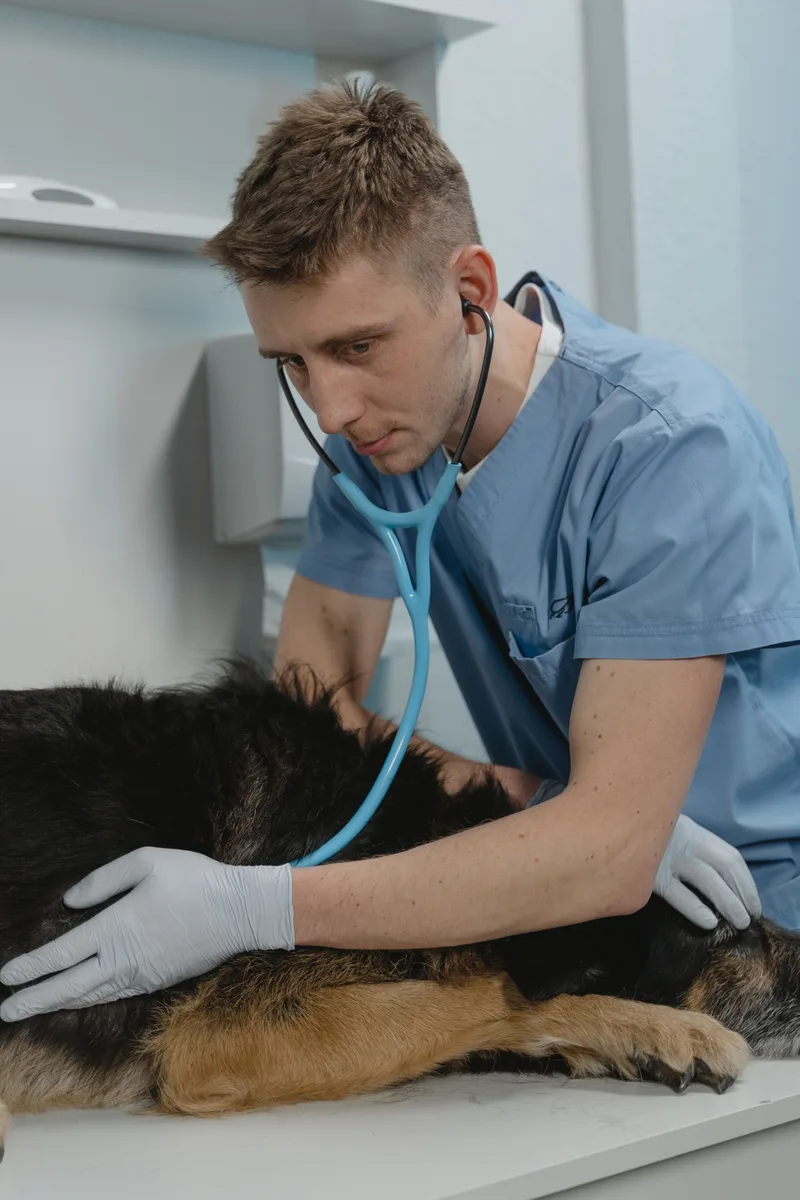
Call your vet right away if the cough comes with any of these:
- Trouble breathing, fast or labored breaths, or blue-tinged gums.
- Coughing up blood or frothy fluid.
- Frantic gagging or choking, as if something is stuck.
- Lethargy, collapse or fainting, or refusing to eat.
- A cough that won’t ease over a few days, or that steadily worsens.
How to help a mild cough at home
- Rest and isolation: if kennel cough is likely, keep your dog calm and away from other dogs while they recover.
- Clean, humid air: reduce dust, smoke and strong scents, and a humidifier can soothe a dry, irritated throat.
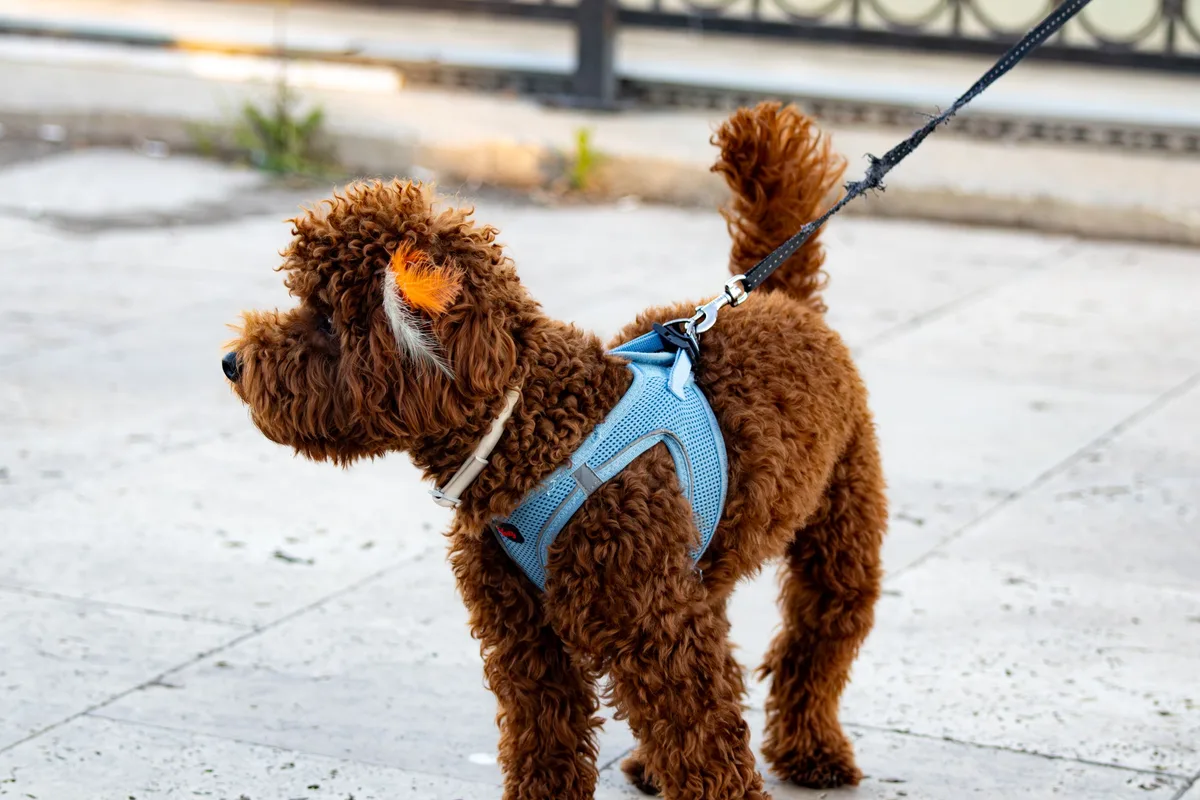
- Use a harness, not a collar: pressure on the neck can worsen a cough, so walk a coughing dog on a harness.
- Track the pattern: note when it happens, what it sounds like, and whether it’s getting better or worse, so you can give your vet a clear picture.
Reading your dog beyond the cough
A cough rarely travels alone — a dog who feels off may also go quiet, tire quickly, lose interest in food, or breathe differently. That’s what Traini‘s AI dog translator is built for: translating your dog’s behavior and body signals into plain language so you can tell a passing throat-tickle from a dog who genuinely isn’t right. When you’re unsure whether to watch and wait or call the vet, you can ask PetGPT about your specific situation and get an answer grounded in your dog’s context. For related breathing questions, see our guides on why your dog pants and why your dog snores.
Frequently asked questions
Why does my dog keep coughing like something is stuck?
A repeated gagging or honking cough can be kennel cough, a collapsing trachea in small breeds, or reverse sneezing — or, if it came on suddenly while chewing, something genuinely lodged in the throat. If your dog is distressed or struggling to breathe, treat it as an emergency and call your vet immediately.
Is my dog’s cough contagious to other dogs?
It can be. Kennel cough and several other respiratory infections spread easily between dogs, so keep a coughing dog away from others and let your daycare or boarding facility know. It isn’t generally a risk to people.
When should I take my coughing dog to the vet?
See your vet if the cough lasts more than a few days, keeps your dog up at night, or comes with tiredness, poor appetite, labored breathing or blue gums. Puppies, senior dogs and small breeds warrant earlier attention.
Why does my dog cough more at night?
A cough that’s worse lying down or at night can point to heart disease, particularly in older or small-breed dogs, and is worth a vet check. A dry room or allergens in the bedroom can also irritate the airway overnight.
This article is for general information and isn’t a substitute for professional veterinary advice. If your dog is coughing up blood, struggling to breathe, has blue-tinged gums, or the cough persists or worsens, please contact your veterinarian.