

It’s late, the house is quiet, and from the foot of the bed comes a sound like a tiny chainsaw. Your dog is fast asleep and snoring away — and most of the time it means exactly what it looks like: a deeply relaxed dog breathing through a slightly floppy, sleepy airway.
Here’s what snoring in dogs actually is, why some dogs do it every night, and the handful of signs that turn a cute habit into something worth a vet’s attention.
Is it normal for my dog to snore?
Yes — plenty of perfectly healthy dogs snore, and for many it’s just how they sleep. Snoring happens when air moves past relaxed tissues in the nose and throat during deep sleep, making them vibrate. It’s especially common in flat-faced breeds and in dogs sleeping on their backs. Snoring is only worth a closer look when it’s new, suddenly louder, or paired with daytime breathing trouble, coughing or choking sounds — in which case your dog’s airway may need checking rather than just a change of position.
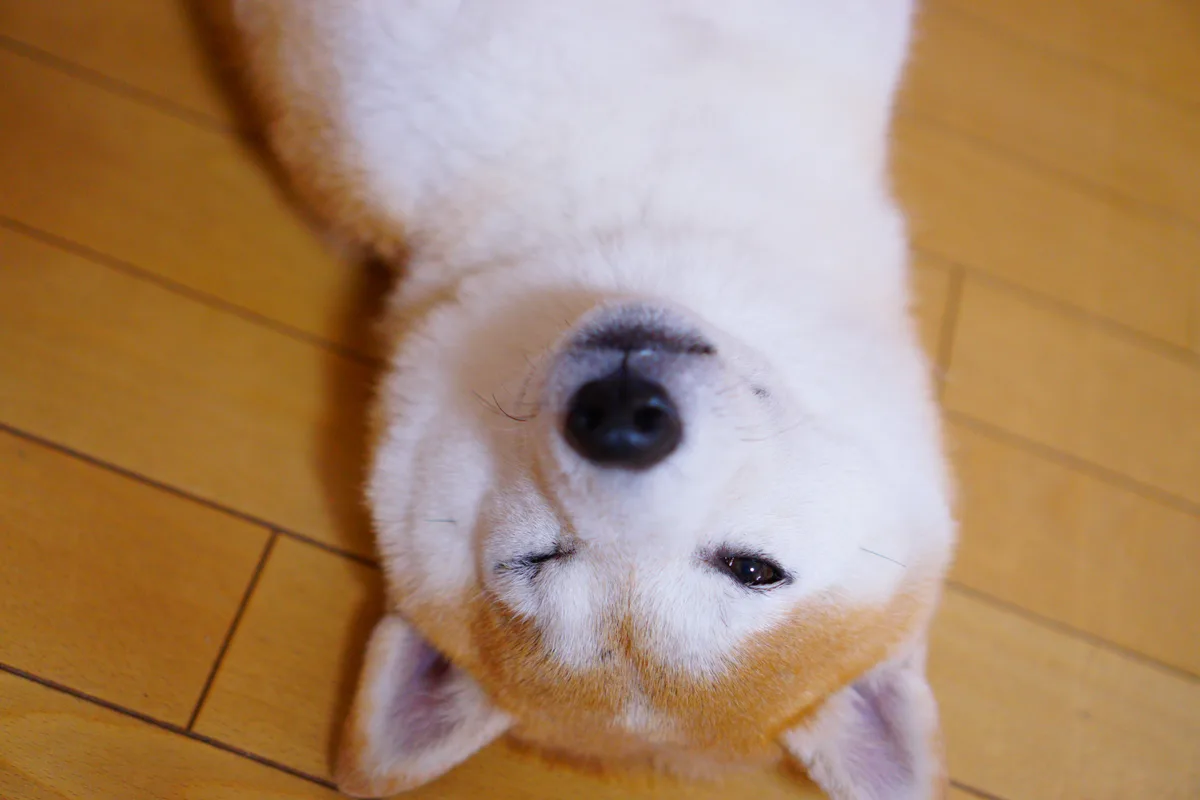
The science: why a sleeping airway rattles
When your dog drifts into deep sleep, the muscles around the throat and soft palate relax. Air passing through that softened, narrowed space makes the tissues flutter, and that flutter is the snore. Anything that narrows the airway a little more — a short muzzle, extra weight, a stuffy nose, or a particular sleeping posture — makes the vibration louder. It’s the same basic physics as human snoring, which is why the sound is so familiar.
Why does my dog snore?
Flat-faced (brachycephalic) anatomy
Breeds like Pugs, Bulldogs, Boxers and Shih Tzus have shortened muzzles and narrowed airways, so snoring and snuffly breathing come with the territory. For these dogs, gentle, consistent snoring is often just normal — though it’s also worth knowing the signs of more serious airway strain, below.
Sleeping position
A dog sprawled on their back with their head tipped back lets the tongue and soft palate fall toward the airway, which is a recipe for snoring. Many dogs only snore in certain positions, and a gentle nudge onto their chest or side quiets things down.

Extra weight
Carrying extra pounds adds soft tissue around the neck and throat, narrowing the airway and making snoring more likely and louder. Weight-related snoring often eases as a dog slims down to a healthy condition.
Allergies, colds and irritants
A stuffy or runny nose from allergies, a mild infection, dust, smoke or strong household scents can swell the nasal passages and bring on snoring. This kind usually comes and goes with the trigger and may pair with sneezing or a watery nose.
Something in the nose or airway
Less often, snoring points to a physical cause — a grass seed or foreign object up the nose, a dental problem pressing on the nasal passage, or a growth. New, one-sided or steadily worsening snoring, especially with nasal discharge or pawing at the face, is the kind worth having a vet look at.

When snoring could signal a problem
Snoring is rarely a worry on its own, but a few patterns deserve attention. Watch for snoring that’s suddenly new or much louder, snoring paired with noisy or labored breathing while your dog is awake, coughing, gagging or choking sounds, blue-tinged gums, or a dog who seems to struggle for air during exercise or excitement. In flat-faced breeds in particular, heavy daytime breathing trouble alongside snoring can signal brachycephalic airway syndrome, which a vet can assess and often help. New snoring with nasal discharge, a bloody nose or facial pawing also warrants a check to rule out an obstruction or dental cause.
How to help a snoring dog sleep easier
- Offer a supportive bed: a bed with a raised edge encourages curling and head support rather than a flat, throat-stretching sprawl.
- Gently reposition: easing a back-sleeper onto their chest or side often quiets the snore without waking them fully.
- Keep the air clean: reduce dust, smoke and strong scents around their sleeping spot, and consider a humidifier if the air is very dry.
- Keep them at a healthy weight: trimming extra pounds is one of the most effective ways to reduce weight-related snoring.
- Track changes: note when the snoring started and whether it’s getting louder, so you can give your vet a clear picture if anything seems off.
Reading your dog beyond the snoring
A snore usually just means “I’m deeply, happily asleep” — but telling comfortable rest from strained breathing is the whole point. That’s what Traini’s AI dog translator is built for: translating your dog’s behavior and body signals into plain language so you can understand what’s normal for your dog and what isn’t. When you’re unsure whether that nighttime rattle is harmless or worth a vet visit, you can ask PetGPT about your specific situation and get an answer grounded in your dog’s context. For more on how dogs breathe and rest, see our guides on why your dog pants and why your dog sighs.
Frequently asked questions
Why is my dog snoring all of a sudden?
Sudden new snoring can come from a stuffy nose, allergies, weight gain or a change in sleeping position — but it can also mean something is irritating or blocking the airway. If the snoring is new and persistent, especially with nasal discharge, sneezing or face pawing, have your vet take a look.
Is it bad if my dog snores?
Usually not. Many healthy dogs, especially flat-faced breeds and back-sleepers, snore as a normal part of deep sleep. It becomes a concern when it’s sudden, getting louder, or paired with breathing trouble, coughing, choking sounds or blue-tinged gums while awake.
Do certain breeds snore more?
Yes. Brachycephalic (flat-faced) breeds like Pugs, Bulldogs, Boxers, Boston Terriers and Shih Tzus have shortened airways and snore far more often than longer-nosed breeds. For them, light snoring is often normal, though they’re also more prone to airway problems worth monitoring.
How can I stop my dog from snoring?
You can’t always stop it, but you can often reduce it: offer a bed that supports head and neck, gently reposition a back-sleeper, keep the air free of dust and smoke, and help your dog stay at a healthy weight. If snoring persists or worsens despite this, ask your vet.
This article is for general information and isn’t a substitute for professional veterinary advice. If your dog’s snoring is sudden, getting louder, or paired with labored breathing, coughing, choking sounds or blue-tinged gums, please contact your veterinarian.