
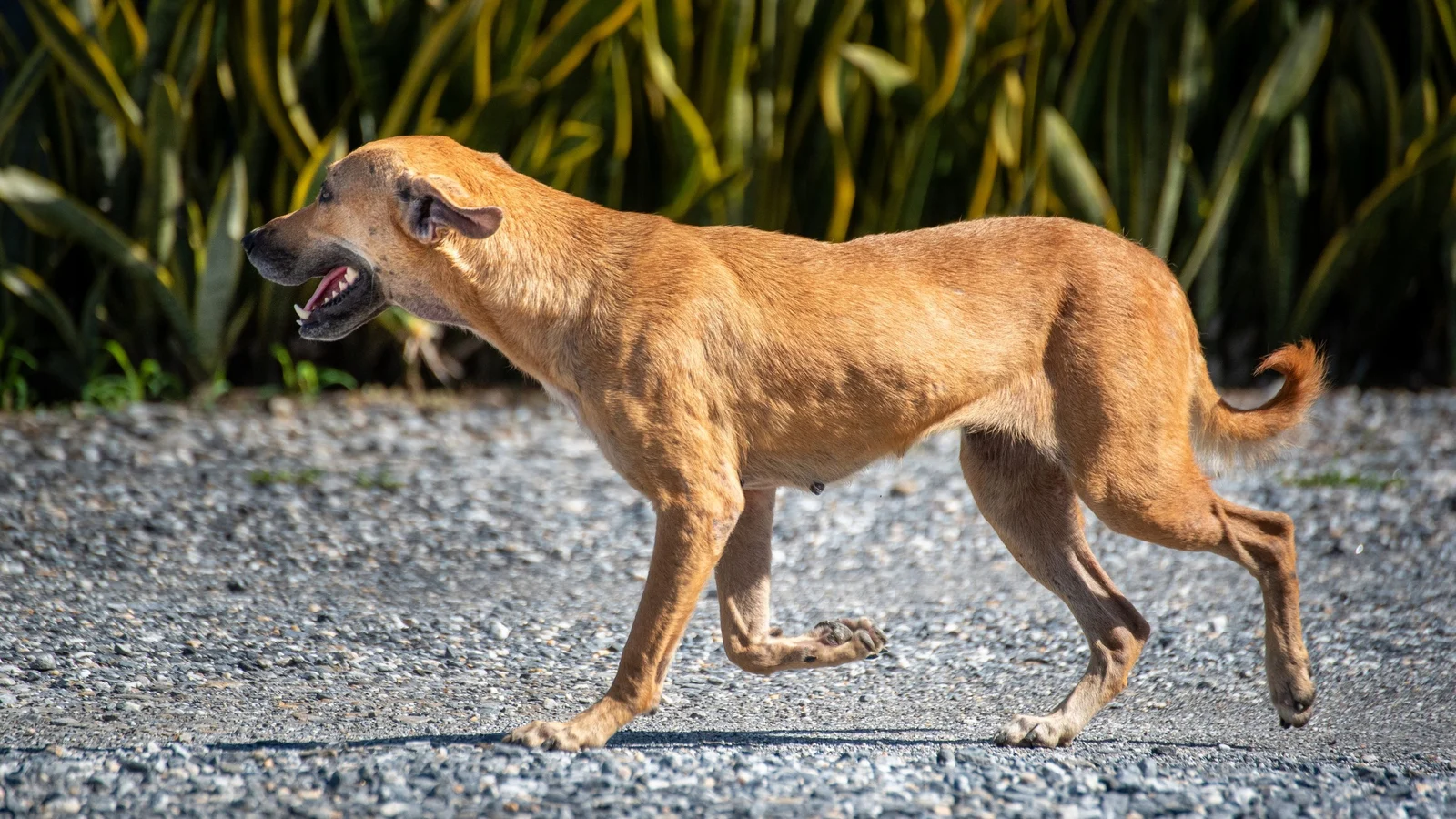
Your dog hops up to greet you and you catch it — a hitch in their step, a paw held just off the ground, a reluctance to put weight on one leg. Limping is one of the most common reasons dogs see a vet, and the causes run from a thorn in the pad to a torn ligament. Knowing what to watch for tells you whether to rest and see, or go in now.
Here’s what makes dogs limp, what you can safely do at home for a mild case, and the signs that mean it’s time to call your vet rather than wait it out.
Why is my dog limping?
A limp means something hurts or isn’t working normally in a leg or paw. The most common causes are a soft-tissue strain or sprain from over-doing it, and a paw problem — a cut, a thorn, a torn or broken nail, or something stuck between the toes. In older or larger dogs, arthritis causes a stiff, gradual limp that’s worse after rest. More serious causes include fractures, a torn cruciate ligament in the knee, and joint conditions. A mild limp in a bright, comfortable dog can often be rested for a day. A limp with obvious pain, swelling, or a leg they won’t use at all needs a vet.
Common causes, from mild to serious
Strains, sprains and over-exercise
Just like us, dogs pull muscles and tweak joints — a hard play session, a bad landing off the sofa, or a long hike they weren’t conditioned for. These soft-tissue injuries often cause a mild to moderate limp that improves with a few days of rest. If it isn’t clearly better in 24–48 hours, have it checked.
Paw injuries and the nails
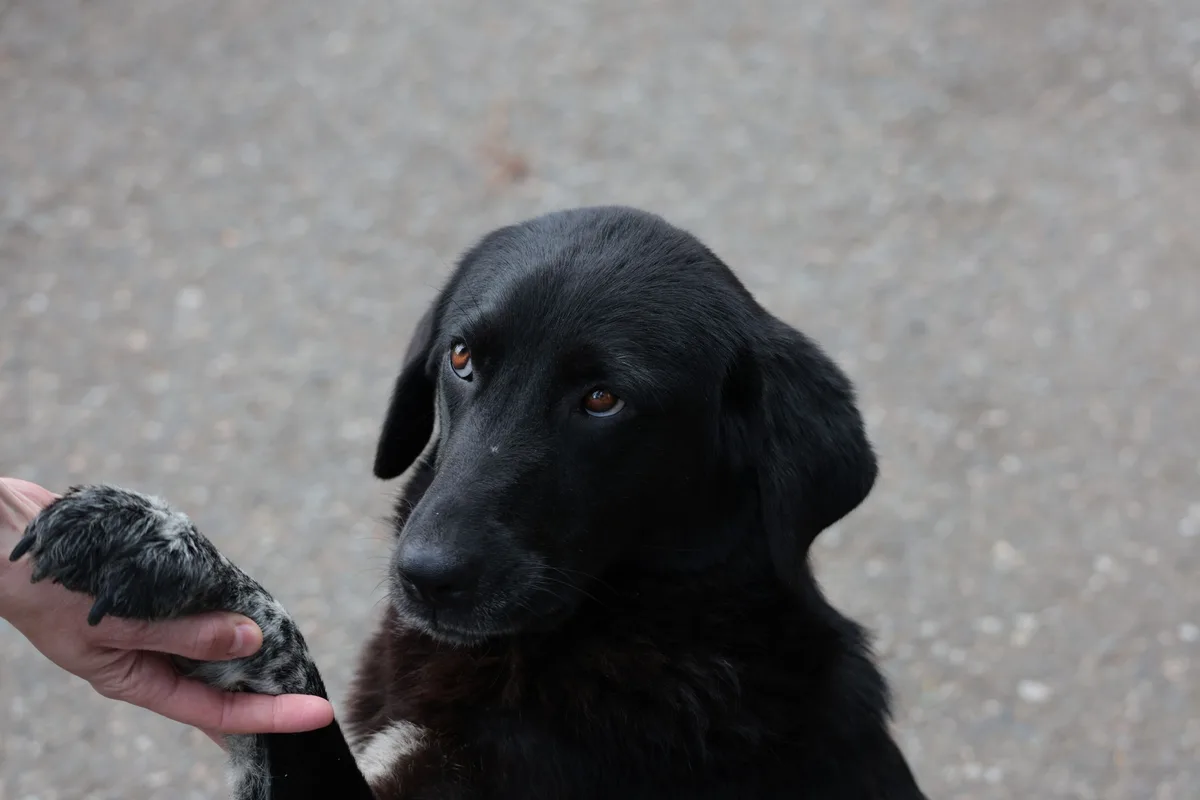
Always look at the foot first. Cut pads, cracked or torn nails, grass seeds or thorns between the toes, burns from hot pavement, and ice balls in winter all cause sudden limping. Many are easy to spot and simple to treat — but a deep cut or a nail torn to the quick may need a vet.
Arthritis and joint disease
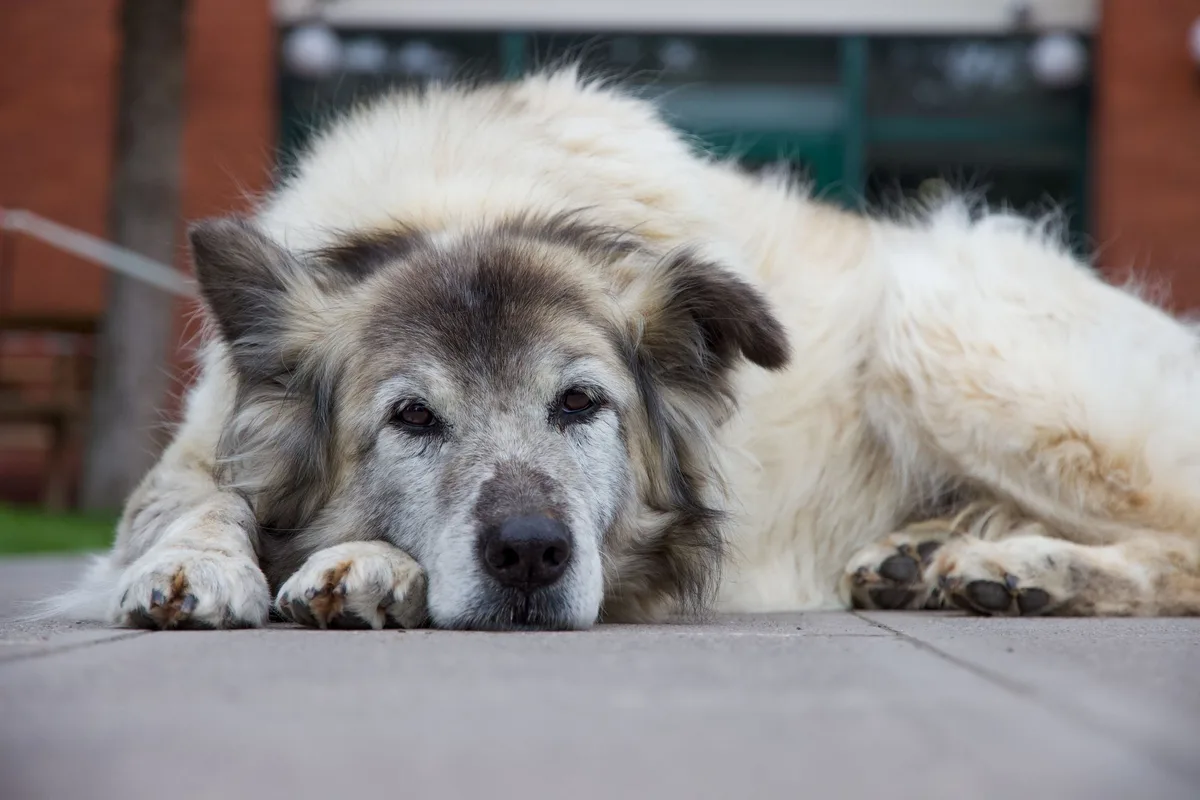
In middle-aged and senior dogs, a gradual limp that’s stiff first thing in the morning or after a nap, and eases with gentle movement, often points to arthritis. It’s manageable with your vet’s help — weight control, joint support and sometimes medication — and worth addressing early, as dogs hide joint pain well.
Fractures and ligament tears — the urgent ones
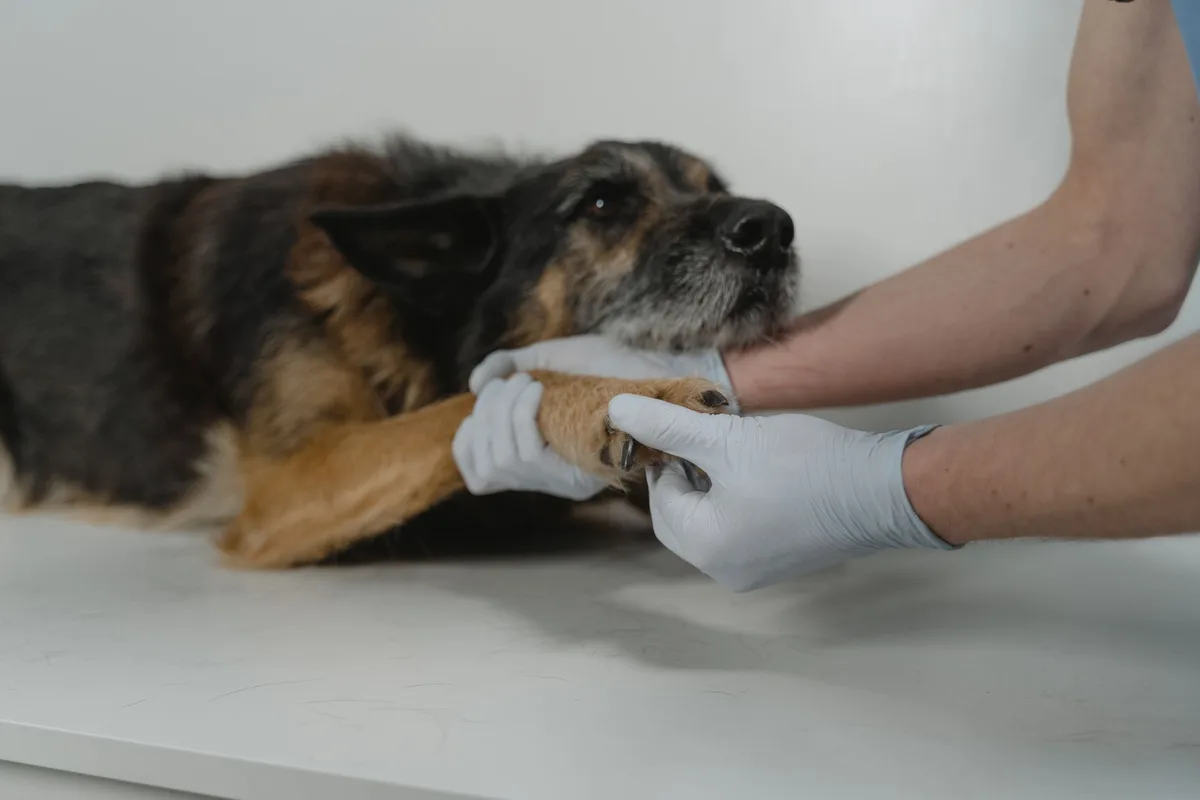
A dog who suddenly can’t bear any weight, holds a leg at an odd angle, or cries out is a vet trip now. A cruciate ligament tear (a common knee injury) often shows as a sudden hind-leg limp after a twist, sometimes with a “toe-touch” that comes and goes. These need proper diagnosis rather than rest alone.
When limping is an emergency
Call your vet right away if you see any of these:
- No weight on the leg at all, or dragging it.
- An obvious break — a leg at a wrong angle, or bone visible.
- Severe pain — crying out, trembling, or snapping when touched.
- Swelling, heat or a dangling limb, or a wound that’s bleeding heavily.
- A limp after a fall, car knock or other trauma.
- Collapse, or a limp with fever or being generally unwell.
How to help a mild case at home
If the limp is mild, your dog is otherwise bright, and you’ve ruled out an emergency, you can often rest it:
- Check the paw: gently look between the toes and at the pads and nails for a thorn, cut or torn nail.
- Rest, don’t run: short lead walks only for a day or two — no stairs, jumping or rough play.
- Cool a fresh knock: a cloth-wrapped cold pack for a few minutes can ease early swelling.
- Skip human painkillers: ibuprofen and paracetamol are toxic to dogs — never give them. Ask your vet for a dog-safe option.
- Reassess: if it’s not clearly better within 24–48 hours, or gets worse, book a visit.
Reading your dog beyond the symptom
Dogs are experts at masking pain, so a limp often comes with quieter clues — less jumping, slowing on walks, licking one spot, or going still when they’d normally bound about. That’s what Traini‘s AI dog translator is built for: turning your dog’s behavior and body signals into plain language so you can tell “a bit stiff” from “really sore.” When you’re unsure whether to rest or go in, you can ask PetGPT about your specific situation and get an answer grounded in your dog’s context. For related signs, see our guides on why your dog’s eyes are red and why your dog is shaking.
Frequently asked questions
Should I walk my dog if they’re limping?
Keep activity to short, slow lead walks for toilet breaks only, and avoid stairs, jumping and play. Rest is often what a mild strain needs. If your dog won’t bear weight, seems in real pain, or isn’t improving within a day or two, see your vet before resuming exercise.
Why is my dog limping but not in pain?
Dogs hide pain well, so a limp without obvious yelping can still mean a sore joint, a mild strain, or early arthritis. A subtle, persistent limp — even in a dog who seems happy — is worth a vet check to find the cause before it worsens.
Can a dog’s limp heal on its own?
A mild soft-tissue strain often improves with a couple of days of rest. But a limp that lasts beyond 48 hours, keeps returning, or comes with swelling or clear pain needs veterinary attention — some injuries, like ligament tears, won’t heal with rest alone.
My dog is suddenly limping on a front leg — what should I do?
Check the paw and nails first for a thorn, cut or torn nail, then rest the leg. If you find nothing, the limp is severe, or it hasn’t eased within a day, book a vet visit. Sudden non-weight-bearing lameness should be seen promptly.
This article is for general information and isn’t a substitute for professional veterinary advice. If your dog can’t bear weight, is in obvious pain, or limps after a trauma, contact your veterinarian promptly. Never give human painkillers to dogs.