
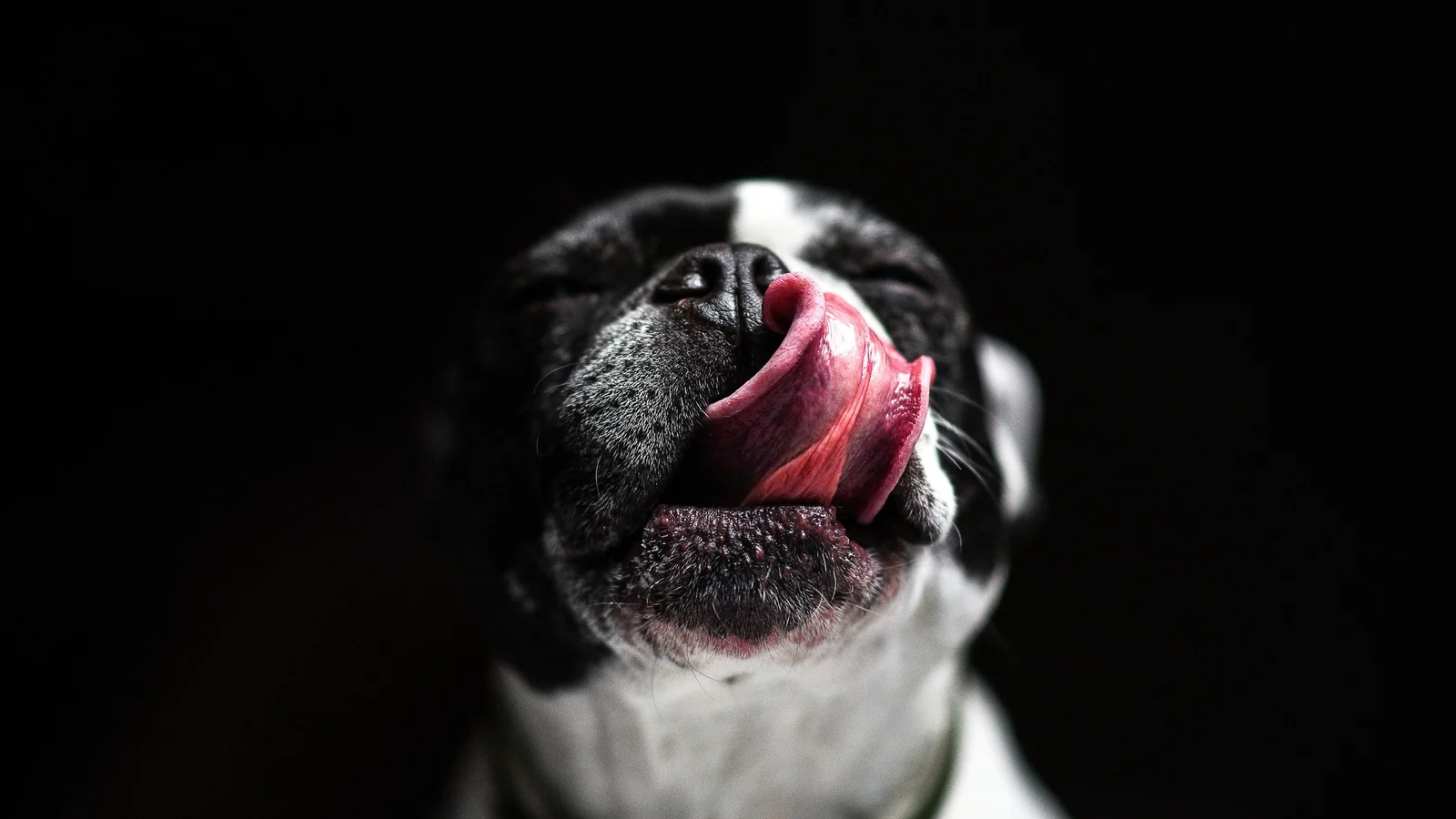
Why does my dog lick the air? Most of the time it’s harmless — your dog may have something stuck on the roof of its mouth, be “tasting” a scent in the air, anticipating food, or giving a little calming signal when it feels unsure. But air-licking that’s sudden, constant or obsessive can point to nausea, dental pain or a neurological issue, so the pattern is what matters.
A dog flicking its tongue at nothing can look odd, but it’s usually a normal quirk. The trick is telling an everyday habit apart from a sign that something’s wrong — here’s how to read it.
The common, harmless reasons
Plenty of air-licking is completely ordinary:
- Something stuck — a bit of food or fur on the roof of the mouth or in the teeth is the classic trigger, and the licking stops once it’s gone.
- Tasting the air — dogs process scent partly through a special organ in the roof of the mouth, so licking can be a way of “reading” an interesting smell.
- Anticipation — many dogs lick and smack their lips when they know a treat or dinner is coming.
- Grooming or thirst — a dry mouth or a quick self-groom can bring it on too.
When it’s a calming or stress signal
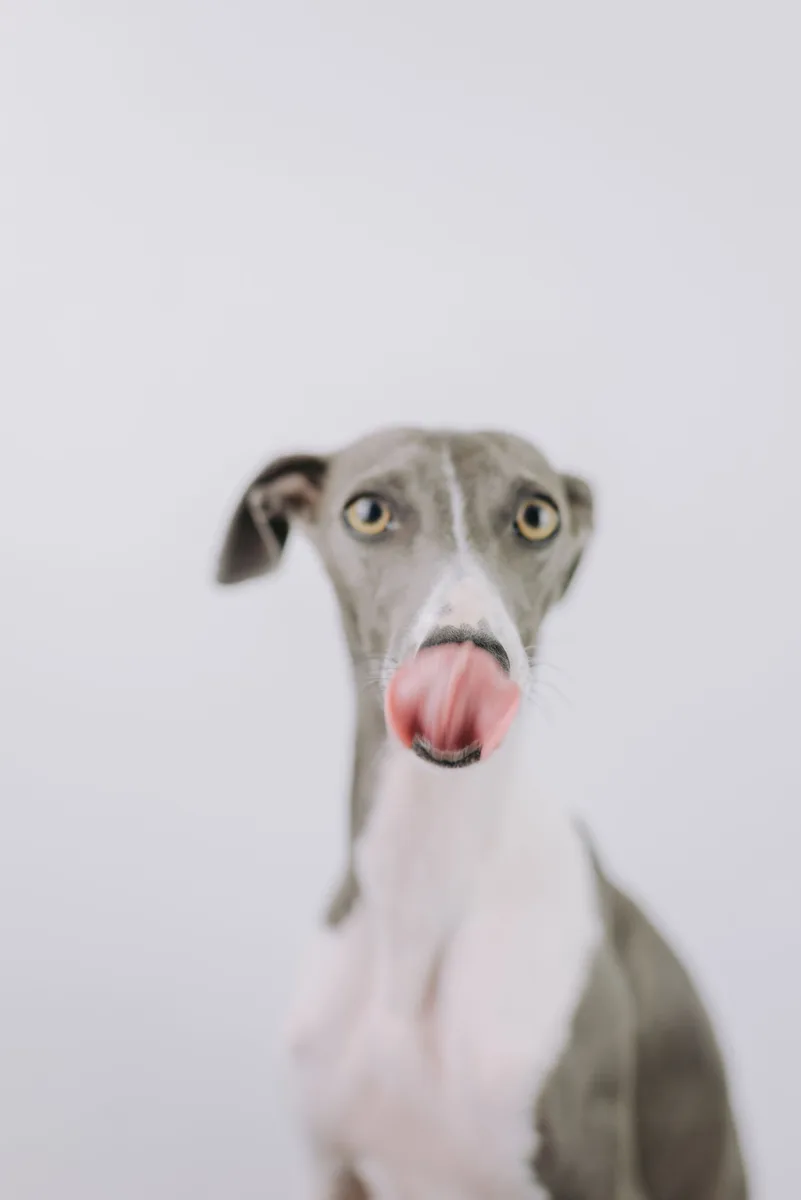
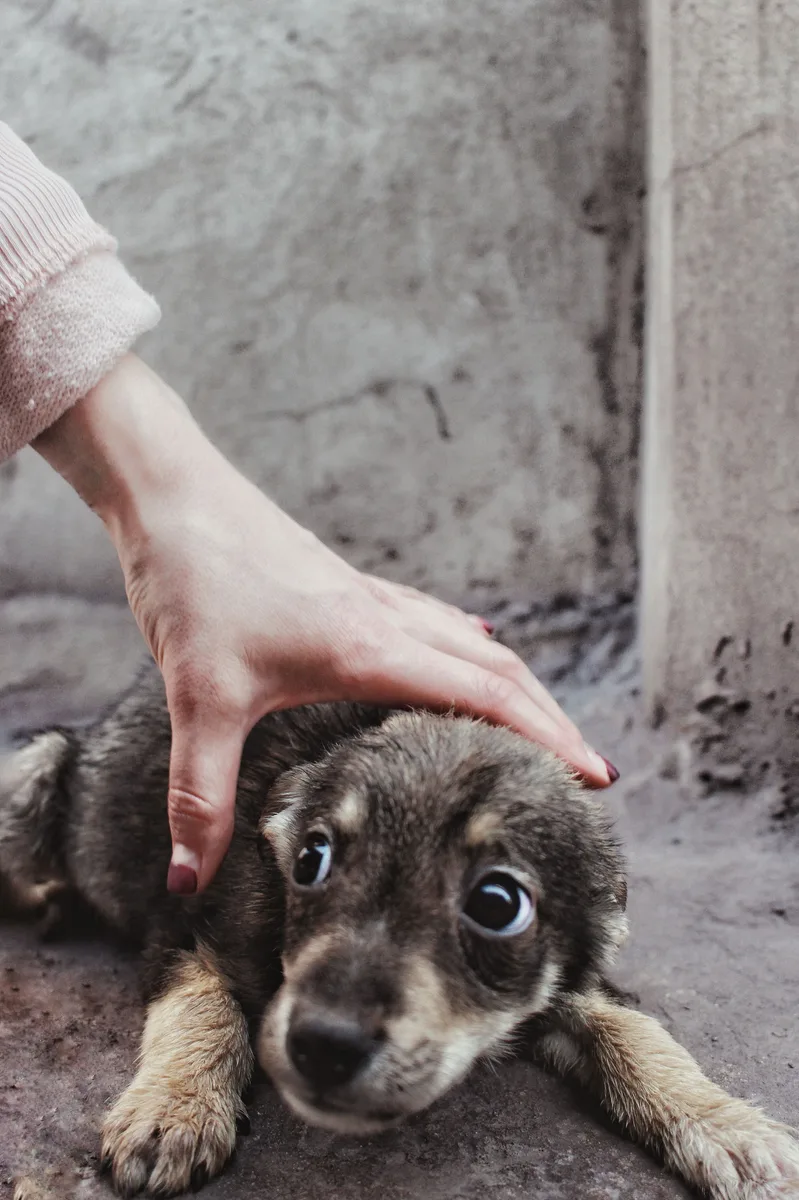
Dogs also lick the air to soothe themselves and defuse tension. If it shows up during a nail trim, after a telling-off, around a new dog, or in any situation your dog finds a bit much, it’s likely an appeasement gesture — a cousin of the sigh and the yawn dogs use to say “I’m no threat, let’s keep things calm.” Read it alongside the rest of the body: tucked ears, a low tail or a turned-away head all suggest stress rather than a stray crumb.
When air-licking is a medical sign
Licking that’s new, frequent or compulsive deserves a closer look:
- Nausea or reflux — many dogs lick the air and drool just before vomiting, or with acid reflux and digestive upset.
- Dental or mouth pain — a sore tooth, gum problem or something lodged can trigger persistent licking.
- Neurological or compulsive causes — in some dogs, repetitive air-licking (sometimes called “fly-catching”) can be a focal seizure or an obsessive behavior.
If the licking is intense, won’t stop, or comes with other signs, it’s a vet visit rather than a wait-and-see.
How to respond
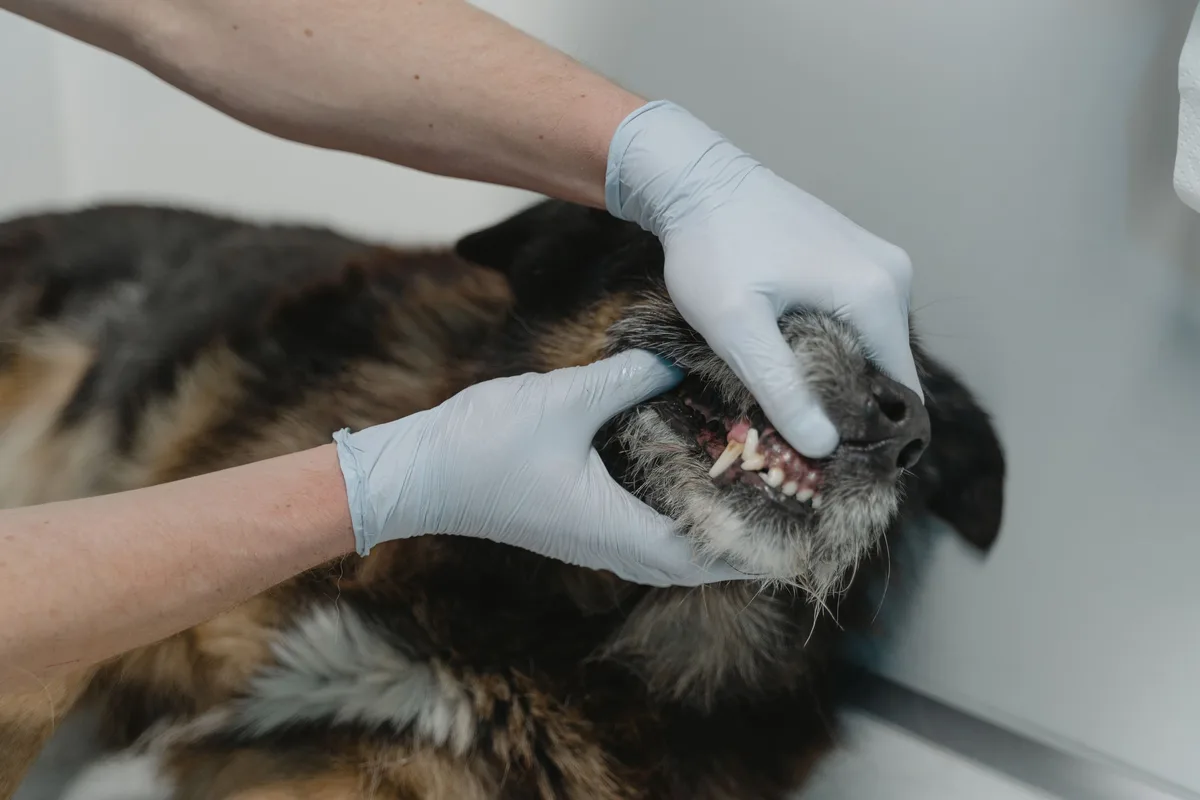
Start simple: take a gentle look in your dog’s mouth for anything stuck, and offer fresh water. Then notice the pattern — when it happens, how often, and what’s going on around your dog. An occasional lick after dinner is nothing. Persistent licking, licking paired with drooling or vomiting, or episodes where your dog seems “zoned out” are worth a call to the vet, ideally with a short phone video of an episode.
Air-licking is one of the quieter ways dogs tell us how they’re feeling. Traini’s AI dog translator helps you connect a behavior like this to its context — calm curiosity, mild stress, or discomfort — so you can respond to what your dog is actually saying.
Frequently asked questions
Should I worry if my dog licks the air?
Not if it’s occasional and your dog is otherwise happy — it’s usually a crumb, a scent or a calming habit. Worry more if it’s sudden, constant, obsessive, or paired with drooling, vomiting or a dazed look, which warrant a vet check.
Why does my dog lick the air when I scratch a certain spot?
That’s the scratch reflex. Scratching near the belly or flank can trigger an involuntary licking or leg-kicking response through a nerve pathway — it’s normal and harmless.
Why does my dog lick the air before throwing up?
Air-licking and drooling are common signs of nausea and often come just before vomiting. If it happens repeatedly or your dog keeps being sick, see your vet.
Is air-licking a type of seizure?
It can be, in some cases. Repetitive “fly-catching” where a dog snaps or licks at nothing and seems unaware of its surroundings may be a focal seizure, so capture it on video and show your vet.
This article is for general information and isn’t a substitute for professional veterinary advice. If your dog’s air-licking is sudden, persistent or compulsive, or comes with drooling, vomiting or unresponsive episodes, contact your veterinarian.