
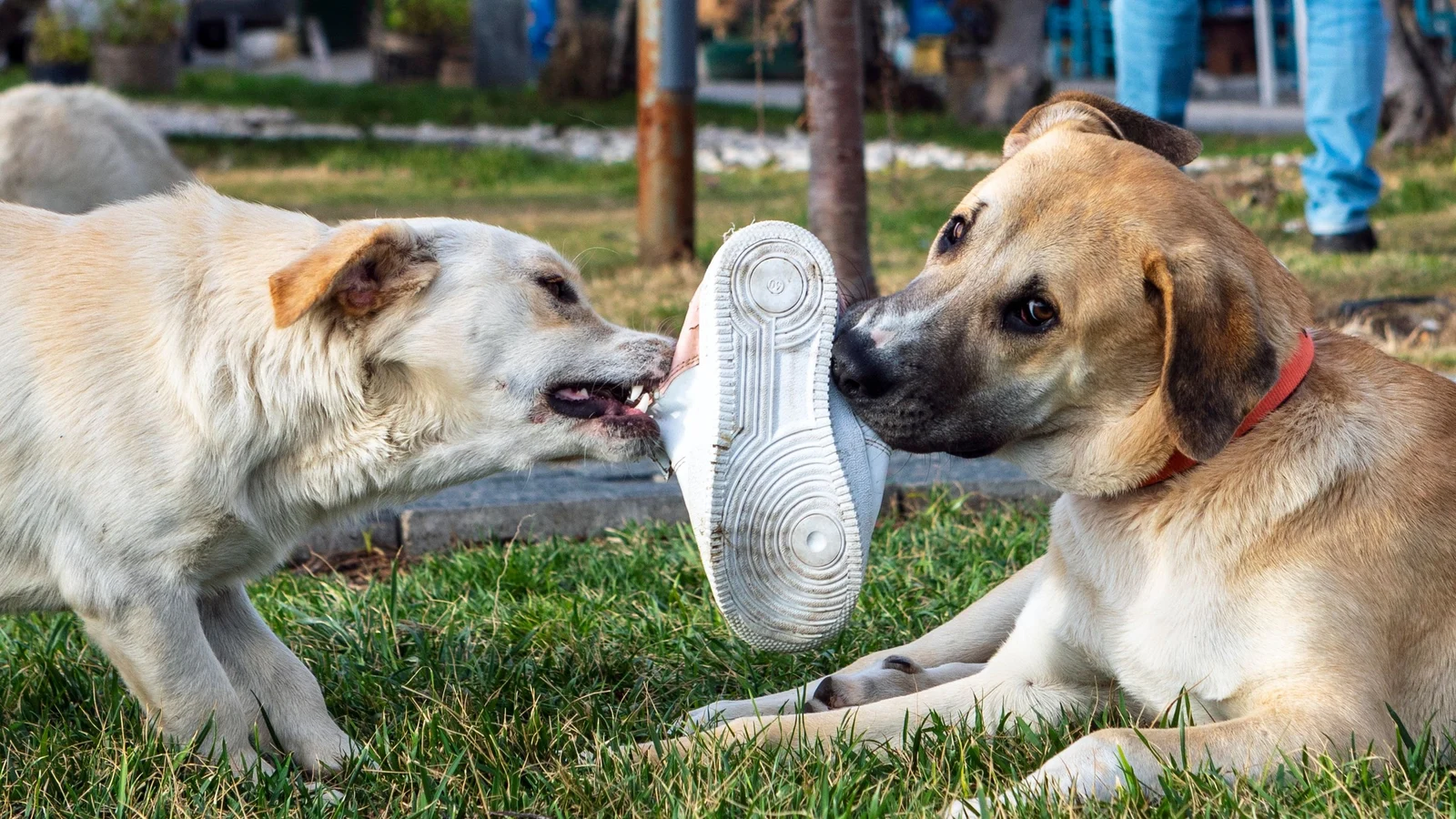
To stop a dog from chewing the wrong things, manage the environment so valuables are out of reach, give plenty of appealing chew toys, and calmly swap the forbidden item for an allowed one every single time. Pair that with enough exercise and mental enrichment, and most dogs quickly learn where to aim those teeth. Destructive chewing that’s rooted in anxiety needs a gentler, separate plan.
Chewing isn’t your dog being “bad” — it’s a normal, necessary behavior. The goal isn’t to stop chewing altogether, but to redirect it onto things they’re allowed to destroy. Here’s how to do that cleanly, step by step.
Why do dogs chew?
Dogs chew to explore the world, to soothe themselves, and to keep their jaws busy. Puppies chew hard while teething, from around three to seven months, because sore gums feel better with pressure. Adult dogs chew out of boredom, excess energy, hunger, or stress. Knowing the why matters: a bored dog needs more to do, while an anxious dog needs comfort and a calmer routine — not a telling-off.

Step by step: redirect the chewing
1. Manage the environment
Set your dog up to succeed. Put shoes, remotes, cables and anything precious out of reach, use a crate or a dog-proofed room when you can’t supervise, and tidy away temptations. Prevention does half the work — every item your dog doesn’t get to practice chewing is a habit that never forms.
2. Offer the right chew toys
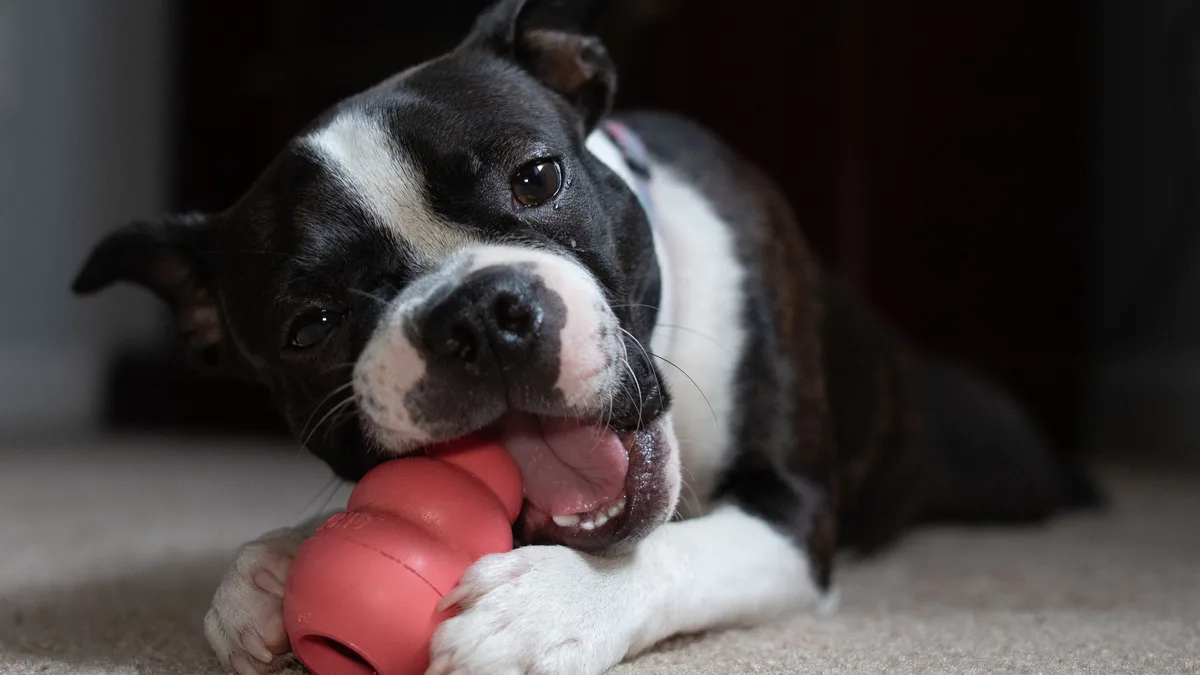
Give your dog a small, varied selection of safe, appealing chews — tough rubber toys, puzzle feeders, and chews sized for their jaws. Different textures keep it interesting, and a toy stuffed with food and frozen lasts far longer. The aim is to make the allowed options more rewarding than the table leg.
3. Interrupt and swap, calmly
Catch your dog with something off-limits? Don’t chase or shout — that can turn it into a game or a guarding habit. Calmly interrupt with a cheerful sound, then trade the forbidden item for an allowed chew or a treat, and praise them for taking it. Over time your dog learns that their own toys are where the good stuff happens.
4. Meet their needs for exercise and enrichment
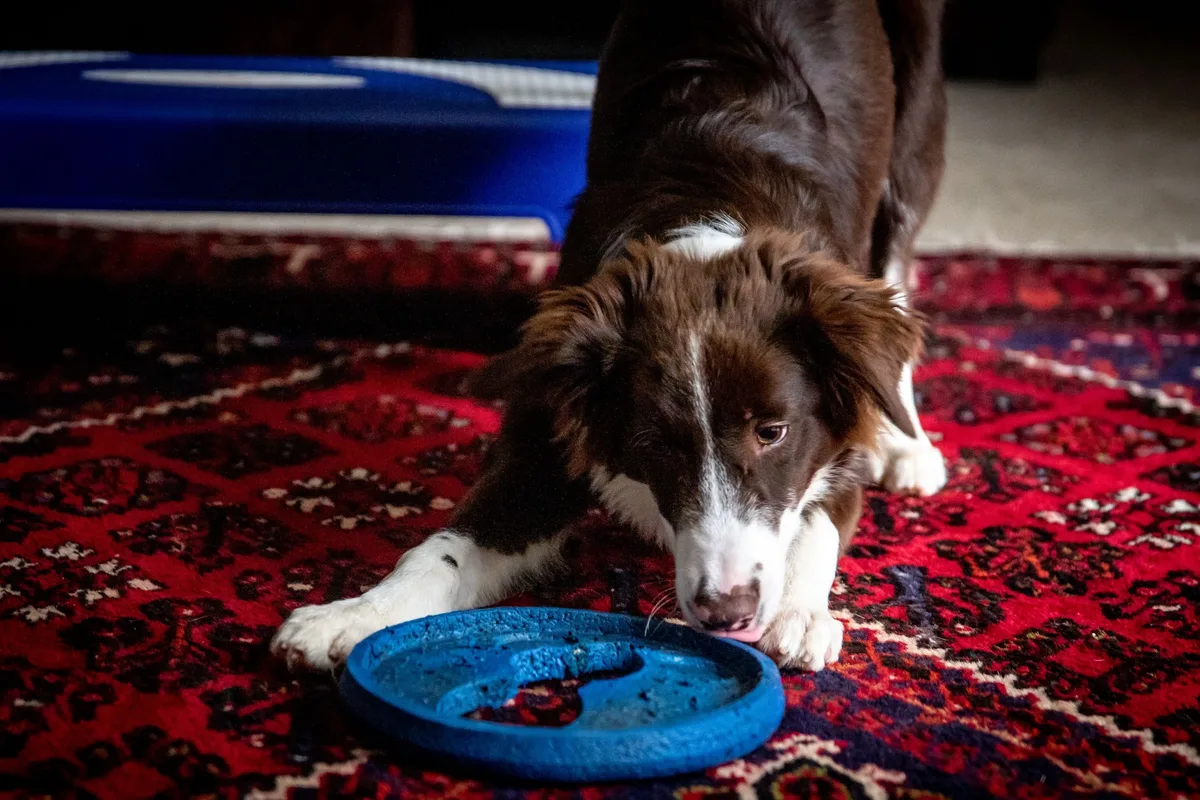
A tired dog chews less. Make sure your dog gets enough physical exercise for their age and breed, plus mental work — sniffing walks, training games, puzzle toys and food-dispensing feeders. Much destructive chewing simply melts away once a dog has a proper outlet for their energy and brain.
5. Address anxiety at the root
If the chewing happens mainly when your dog is left alone, or comes with pacing, drooling or distress, it may be separation anxiety rather than boredom. That needs a kinder, step-by-step plan to build confidence about being alone — and often support from your vet or a qualified behaviorist — not more correction.
Common problems and fixes
- Chews only when you’re out: likely boredom or anxiety — boost enrichment, leave a stuffed chew, and work on alone-time gradually.
- Grabs items to start a chase: don’t chase. Trade calmly for a toy, and give more attention when they chew the right things.
- Teething puppy: offer cool or frozen puppy-safe chews for sore gums, and puppy-proof hard until the adult teeth are in.
- Loves table legs and skirting: make the spot less appealing and the toy more appealing; supervise and redirect consistently.
- Bitter sprays don’t work: they help some dogs, not all — treat them as a backup to management and redirection, never the whole plan.
Tips to make it stick
Be consistent — everyone in the house trades and redirects the same way. Reward the chewing you want to see, rather than only reacting to the chewing you don’t. Rotate toys to keep them novel, and never punish after the fact; a dog can’t connect your anger to a chew from an hour ago, and it only erodes trust.
Reading your dog beyond the behavior
Chewing is communication: “I’m bored,” “I’m teething,” or “I can’t cope when you leave.” Traini’s AI dog translator helps you read which message you’re getting, so you can meet the real need — more enrichment, teething relief, or a plan for anxiety — instead of just managing the symptom. For related help, see our guides on stopping puppy biting, stopping digging, and crate training.
Frequently asked questions
Why has my dog suddenly started chewing again?
A sudden return to chewing often signals a change — more time alone, less exercise, a new stress, or (in young dogs) teething. Look at what’s shifted in their routine, and add enrichment and management; if it comes with anxiety signs, talk to your vet.
How do I stop my dog chewing furniture?
Block access when you can’t supervise, make the furniture boring and the chew toys exciting, and calmly redirect every time you catch them. Pair that with enough exercise and mental work, and the furniture loses its appeal.
Do anti-chew bitter sprays actually work?
They deter some dogs and do nothing for others. Use a pet-safe bitter spray as one layer of a plan built on management, good chew toys and redirection — not as a substitute for meeting your dog’s needs.
Is destructive chewing a sign of anxiety?
It can be. If chewing happens mainly when your dog is alone and comes with pacing, drooling, whining or house-soiling, separation anxiety is likely. That calls for a gradual confidence-building plan and professional guidance rather than correction.
This article is for general information and isn’t a substitute for professional training advice. If your dog’s chewing seems driven by anxiety, or they swallow something they shouldn’t, contact your veterinarian, and consider a qualified, reward-based trainer or behaviorist for ongoing help.