
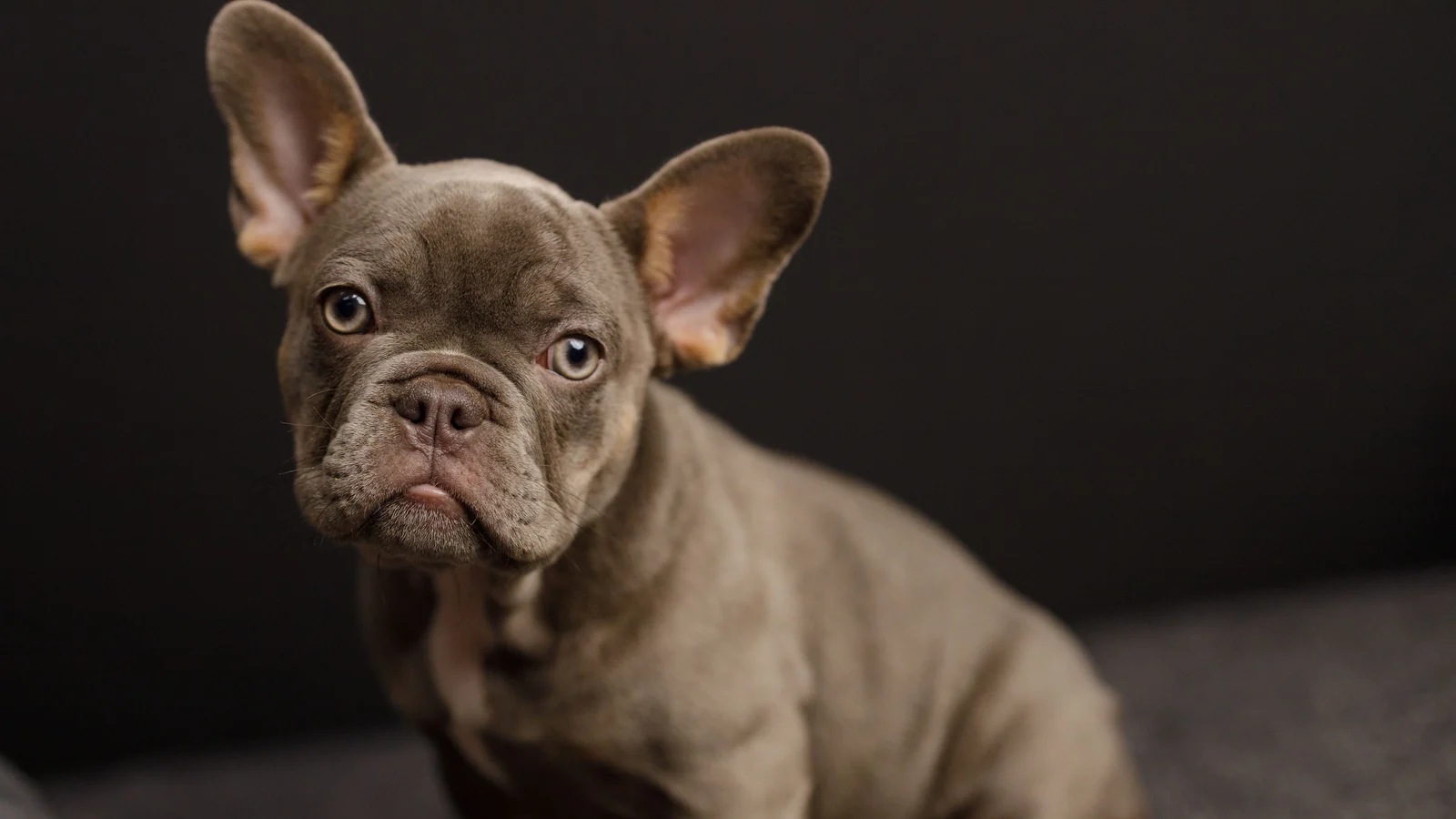
Hiccups in dogs are almost always harmless. They’re usually caused by eating or drinking too fast, excitement, or being a bit cold, and they’re most common in puppies. Just like ours, a dog’s hiccups are involuntary spasms of the diaphragm, and they typically pass on their own within a few minutes. Only frequent, long-lasting, or breathing-related hiccups are worth a vet’s attention.
The first time you see your puppy’s whole body gently jerk with each little “hic,” it can be alarming — but it’s one of the most normal things in the world. Here’s what causes dog hiccups, how to help them pass, and the rare signs that mean you should check in with your vet.
What exactly are dog hiccups?
A hiccup is a sudden, involuntary contraction of the diaphragm — the muscle under the lungs that drives breathing. Each spasm snaps the vocal cords shut, making the familiar “hic” sound. Dogs get them for the same reasons we do, and in dogs they’re often quieter than ours, sometimes looking more like a rhythmic twitch of the chest or belly.
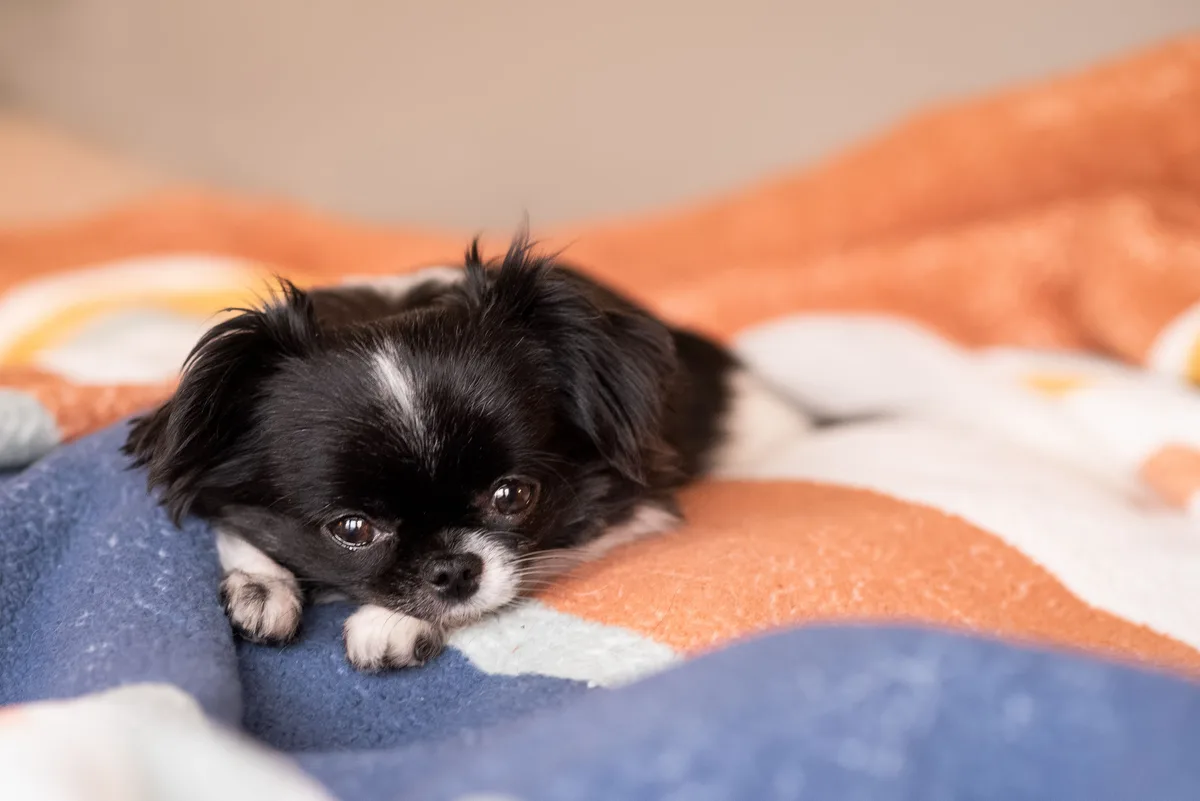
Why does my dog get hiccups?
Eating or drinking too fast
This is the most common trigger. Gulping food or water makes a dog swallow air, which irritates the diaphragm and sets off hiccups. The classic time to see them is right after a rushed meal.
Excitement or high energy
A burst of excitement, play or rapid breathing can bring on hiccups, especially in young dogs whose systems are still settling. A wound-up puppy hiccupping after zoomies is a common, harmless sight.
Being cold or stressed
Cold temperatures or a moment of stress can trigger hiccups too, as breathing patterns change.
Why puppies hiccup more
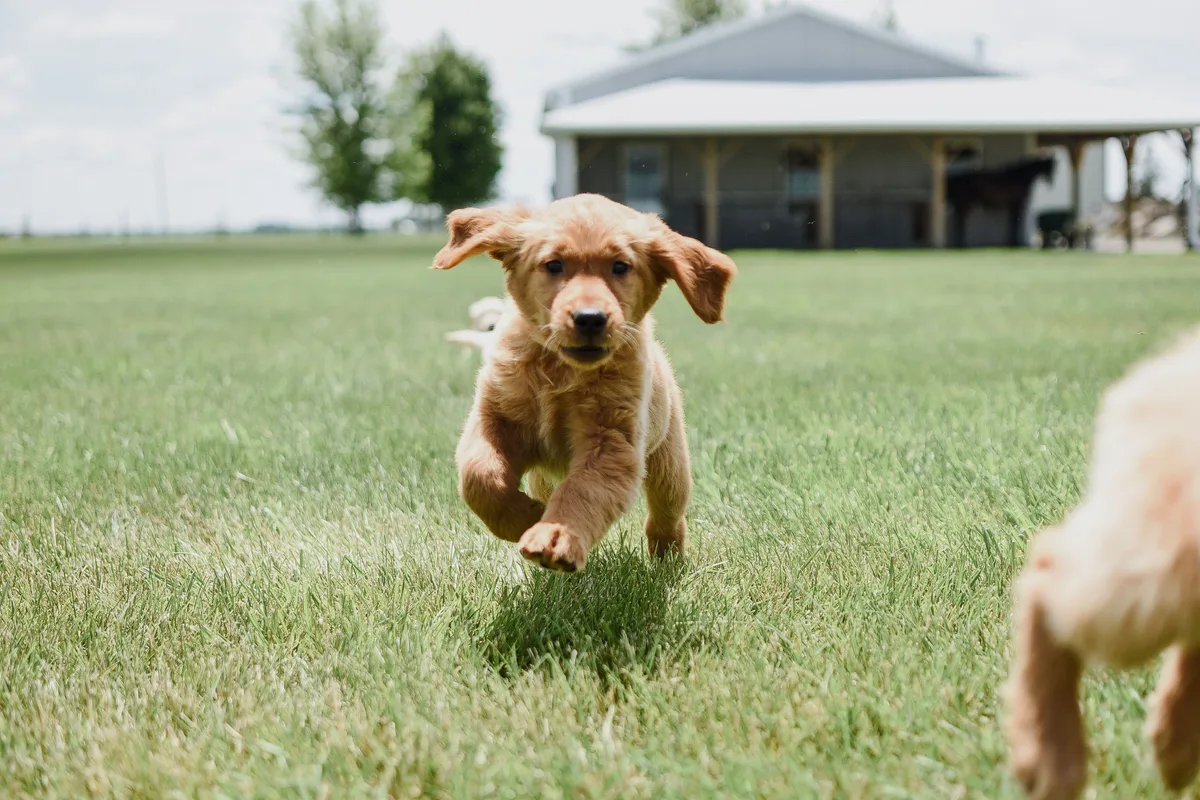
Puppies get hiccups far more often than adult dogs. Their diaphragm and nervous system are still developing, they eat and play with more gusto, and some vets think puppy hiccups may even help strengthen those breathing muscles. Most dogs hiccup less and less as they grow up.
How to help your dog’s hiccups pass
Hiccups usually stop by themselves in a few minutes, but you can gently encourage them along:
- Calm things down: help your dog relax with some quiet time or slow, gentle petting to steady their breathing.
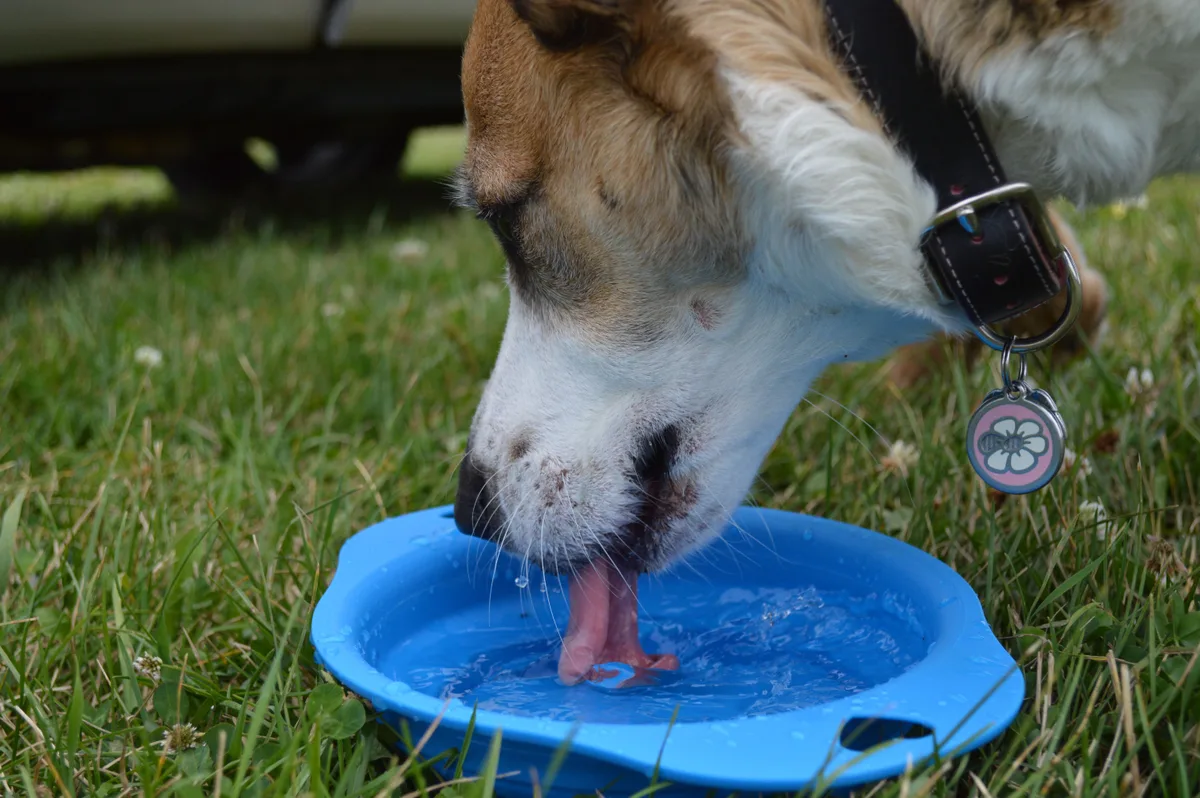
- Offer a little water: a few small sips can help settle the diaphragm.
- Encourage slower eating: if hiccups follow meals, a slow-feeder bowl or smaller portions can prevent them. This also helps with dogs who bring food back up from eating too fast.
- A gentle walk or change of activity can shift their breathing rhythm.
- Never startle your dog, hold their mouth shut, or try human “cures” that could frighten or hurt them.
When hiccups are worth a vet visit
Hiccups are rarely a concern, but check with your vet if they:
- Last longer than about an hour, or keep coming back frequently
- Seem to cause discomfort, or come with wheezing, coughing or trouble breathing
- Are paired with drooling, vomiting, lethargy or loss of appetite
- Appear suddenly and often in an older dog who never used to get them
In these cases, what looks like hiccups could involve breathing, heart or digestive issues worth ruling out — but for the everyday puppy “hic” after dinner, there’s nothing to worry about.
Reading your dog beyond the hiccups
Most hiccups are nothing — but knowing your dog’s normal helps you spot the rare time something’s off, like hiccups paired with distress or breathing trouble. Traini’s AI dog translator helps you read your dog’s behavioral and emotional signals, so you can tell relaxed, ordinary hiccups from a sign that your dog is genuinely uncomfortable. For related topics, see our guides on why your dog is panting and why dogs get the zoomies.
Frequently asked questions
Are dog hiccups normal?
Yes, completely. Hiccups are a normal, harmless reflex in dogs, especially puppies, and usually pass within a few minutes. They’re typically caused by eating or drinking too fast, excitement, or being cold — nothing to worry about on their own.
How long do dog hiccups last?
Most bouts last from a few minutes up to around 10 or 15 minutes and stop on their own. If your dog’s hiccups go on for more than an hour, happen very frequently, or come with coughing or breathing trouble, it’s worth checking with your vet.
How can I get rid of my dog’s hiccups?
Help your dog calm down, offer a few small sips of water, and encourage slower eating if meals are the trigger. A gentle walk can also help. Avoid startling your dog or trying human hiccup tricks, which can scare them — in most cases the hiccups simply pass by themselves.
Why does my puppy get hiccups so often?
Puppies hiccup more because their diaphragm and nervous system are still developing and they tend to eat, drink and play with great enthusiasm. It’s a normal part of growing up, and the hiccups usually become much less frequent as your puppy matures.
This article is for general information and isn’t a substitute for professional veterinary advice. If your dog’s hiccups are persistent, frequent, or paired with coughing, breathing difficulty, or other symptoms, please contact your veterinarian.