
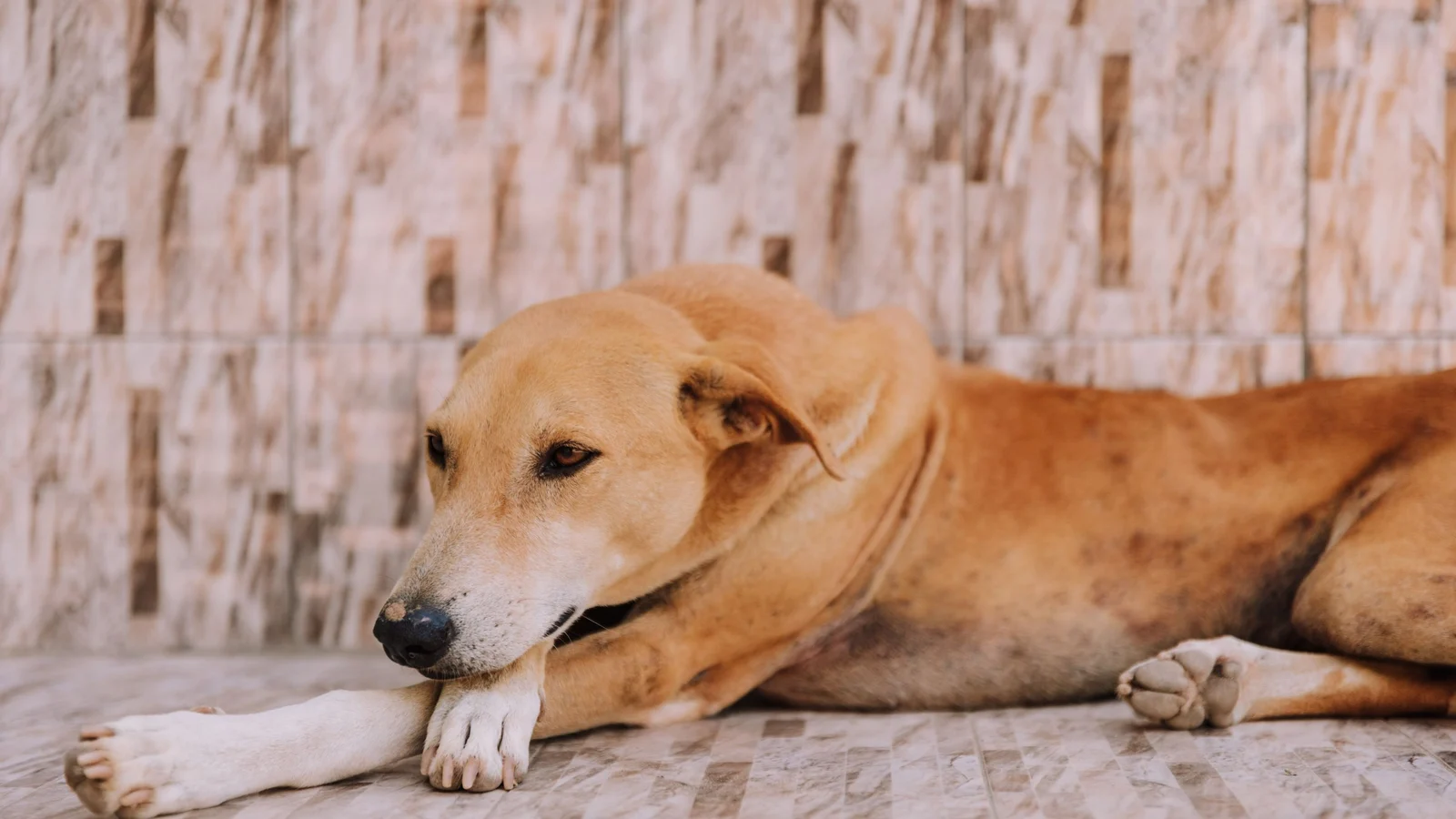
You glance over at your dog resting on the floor and notice their sides are moving quickly — faster than seems right for a dog doing nothing much. Fast breathing can be completely normal after a run or on a warm day, but at rest it can also be an early sign that something’s wrong. The trick is knowing which is which.
Here’s what makes a dog breathe fast, how to tell harmless from worrying, and the signs that mean you should call your vet rather than wait it out.
Why is my dog breathing fast?
Fast breathing (tachypnea) simply means more breaths per minute than usual. Often the cause is obvious and harmless: heat, exercise, excitement, or a dog dreaming through a nap. It becomes a concern when it happens at rest, for no clear reason, or comes with effort. Causes there include pain, fever, heart or lung disease, anemia, and heatstroke. A useful baseline: a calm, sleeping dog usually takes fewer than about 30 breaths a minute. Count your dog’s breaths while they rest — if it’s consistently high, or the breathing looks like hard work, that’s worth a vet’s attention.
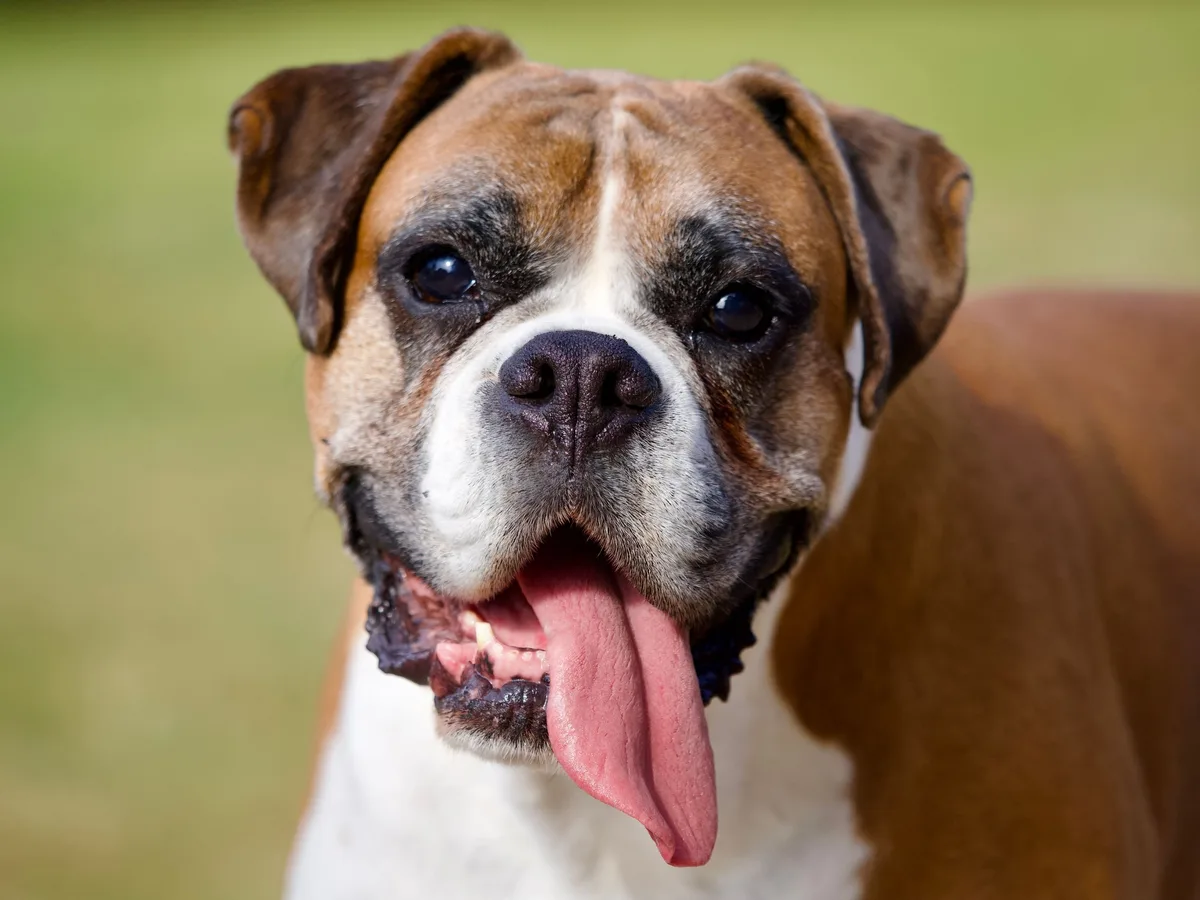
Common causes, from mild to serious
Heat, exercise and excitement
By far the most common reasons. After a walk, a play session, or on a hot day, dogs breathe fast and pant to cool down and recover — this settles within minutes of resting in a cool spot. Stress or excitement does the same. If your dog bounces back to normal breathing once calm and cool, there’s usually nothing to worry about.
Fast breathing during sleep
Dogs, especially puppies, often breathe quickly or twitch during the dreaming phase of sleep. This is normal and stops when they shift position or wake. What’s not normal is fast, labored breathing in a dog who is deeply relaxed or fully awake and still — that’s the kind to track.

Pain, fever and anemia
A dog in pain or running a fever often breathes faster, sometimes with restlessness, shivering or a reluctance to settle. Anemia — too few red blood cells — leaves the body short on oxygen, so the dog breathes quickly to compensate and the gums may look pale. These need a vet to find and treat the underlying cause.
Heart and lung disease — the urgent ones
A fast resting breathing rate is one of the earliest signs of heart failure or lung disease, as fluid or illness makes it harder to move oxygen. Watch for coughing, tiring easily, a swollen belly, or blue-tinged gums. This is serious and shouldn’t wait.
When fast breathing is an emergency
Call your vet right away, or head to an emergency clinic, if you see any of these:
- Labored breathing — belly heaving, a wide stance, or neck stretched out to breathe.
- Blue, grey or pale gums — a sign of poor oxygen, and an emergency.
- Open-mouth breathing at rest that doesn’t settle, or obvious distress.
- Fast breathing with collapse, weakness, or a bloated belly.
- Signs of heatstroke — heavy panting, drooling, wobbliness on a hot day.
- A high resting rate (well over 35–40 breaths a minute) in a calm, cool dog.
How to help at home while you decide
If your dog is otherwise bright and the fast breathing has a clear, harmless cause, you can watch carefully for a short while:
- Cool them down: move to shade or air conditioning and offer fresh water after heat or exercise.
- Count the resting rate: watch the chest rise and fall for 30 seconds and double it — note the number to share with your vet.
- Keep things calm: reduce excitement and let them settle before you judge the breathing.
- Check the gums: they should be pink and moist; pale, blue or grey means call the vet now.
Reading your dog beyond the symptom
Breathing changes often come with subtler shifts — restlessness, not wanting to lie down, going quiet, or seeking you out more than usual. That’s what Traini‘s AI dog translator is built for: translating your dog’s behavior and body signals into plain language, so you can tell “just hot and happy” from “something’s off.” When you’re unsure whether to watch or call the vet, you can ask PetGPT about your dog’s specific situation and get an answer grounded in their context. For related signs, see our guides on why your dog is panting, why your dog is coughing, and why your dog is sneezing.
Frequently asked questions
What is a normal breathing rate for a dog?
At rest or asleep, most healthy dogs take roughly 15–30 breaths per minute. Counting your dog’s resting rate when they’re well gives you a personal baseline, so you’ll notice quickly if it climbs and stays high.
Why is my dog breathing fast while sleeping?
Quick breathing or twitching during the dreaming phase of sleep is normal and passes when your dog shifts or wakes. Fast, effortful breathing in a dog who is deeply relaxed and not dreaming is different, and worth counting and watching.
What’s the difference between panting and fast breathing?
Panting is open-mouthed, mainly to cool down, and is normal after heat, exercise or excitement. Fast breathing can be open- or closed-mouth and, at rest for no clear reason, is more likely to signal a problem. Effort and context are the key clues.
When should I worry about my dog’s fast breathing?
Worry if it happens at rest with no obvious cause, looks labored, comes with pale or blue gums, collapse or heatstroke signs, or if the resting rate stays well above normal. Any of these means contact your vet promptly.
This article is for general information and isn’t a substitute for professional veterinary advice. Fast, labored breathing at rest, or breathing with pale or blue gums, can be an emergency — contact your veterinarian right away.