
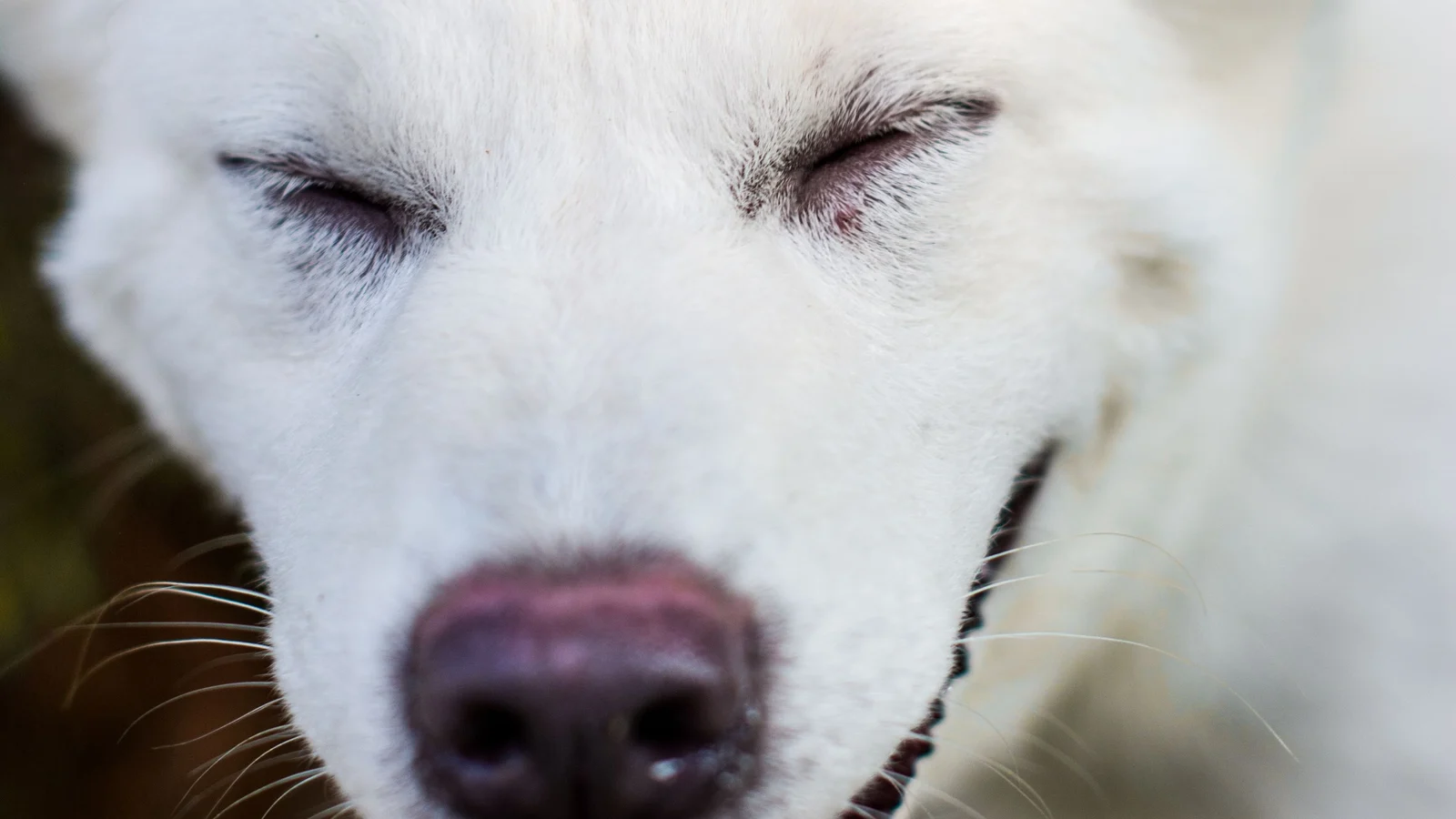
Your dog lets out a sudden burst of sneezes mid-play, or keeps rubbing at their nose on the walk, and you start to wonder whether it’s just a tickle or something more. An occasional sneeze is as normal in dogs as it is in us. A run of them, or sneezing with other signs, is the kind that’s worth a closer look.
Here’s what makes a dog sneeze, the difference between ordinary and “reverse” sneezing, and the clues that mean it’s time to call your vet.
Why is my dog sneezing?
A sneeze is the nose clearing an irritant, so most sneezing is harmless: dust, pollen, a sniff of pepper or cleaning spray, or a tickle from a blade of grass. Play sneezing is common too — excited dogs sneeze to signal they’re having fun. More persistent sneezing can point to allergies, a trapped foreign body like a grass seed (usually one nostril and a lot of pawing), infection, dental problems whose roots sit near the nasal passages, or nasal mites. A single sneeze now and then is nothing; frequent sneezing, or sneezing with discharge or blood, needs attention.
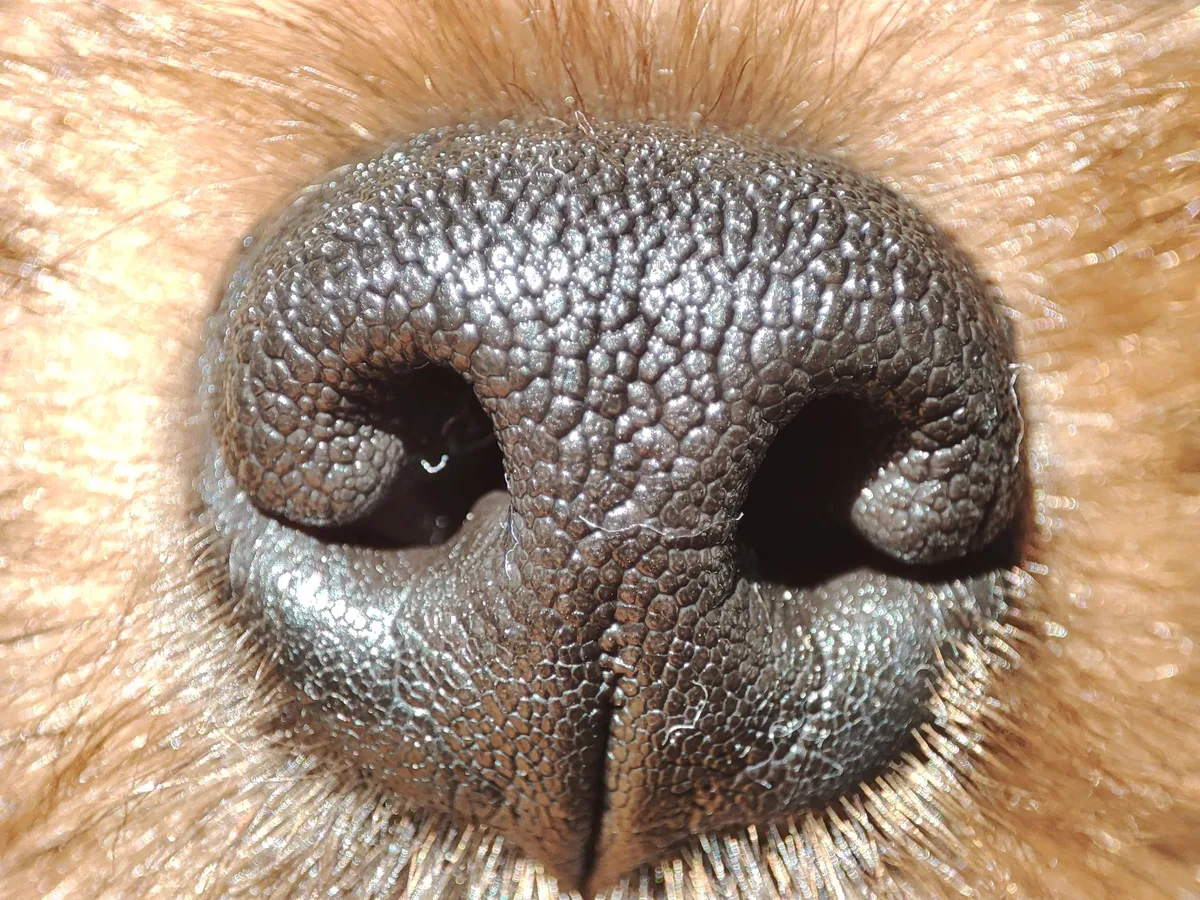
Common causes, from mild to serious
Irritants and allergies
Dust, pollen, smoke, perfume and aerosol sprays can all make a dog sneeze, and it usually stops once they’re away from the trigger. Allergic dogs may sneeze alongside itchy skin, watery eyes or paw-licking, often worse in certain seasons. Mild, occasional sneezing from an irritant isn’t a worry on its own.
Reverse sneezing
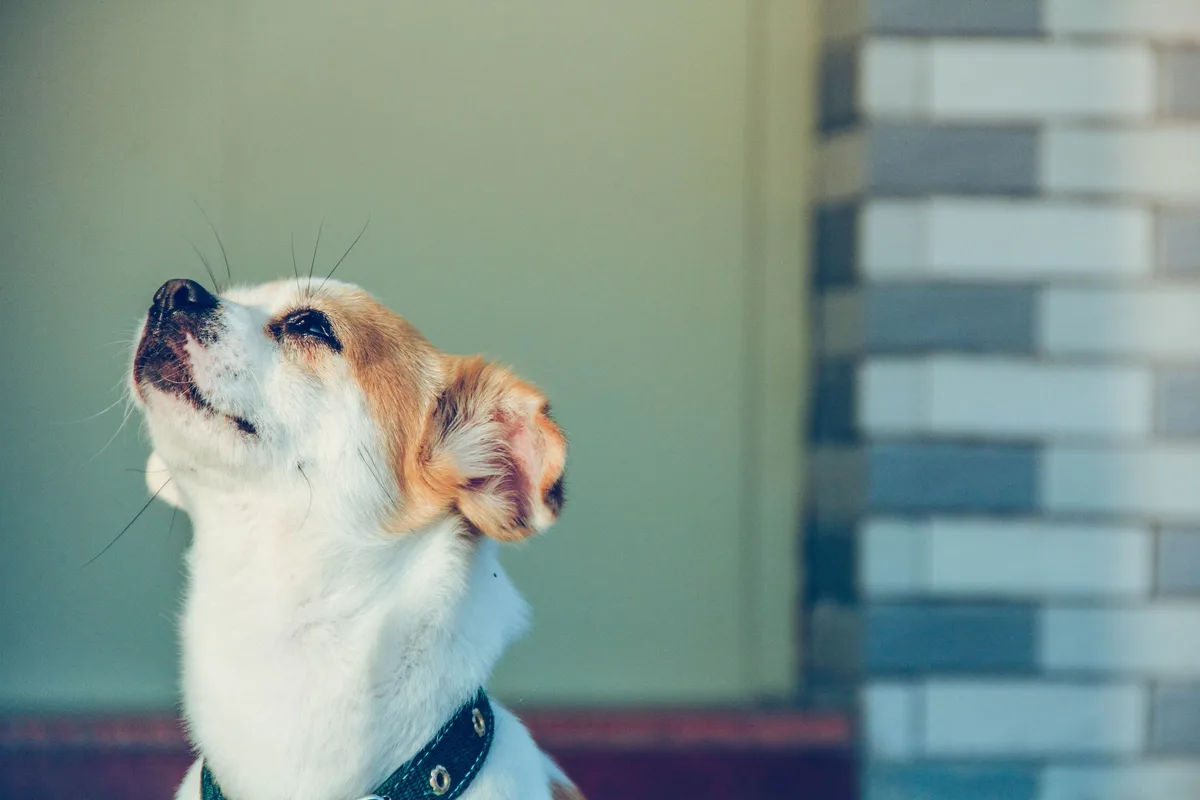
If your dog suddenly stands still, extends their neck and makes repeated snorting, honking inhales, that’s usually a reverse sneeze — a harmless spasm of the soft palate, common in small breeds and after excitement or a gulp of air. Alarming to watch, but it passes in under a minute. Gently stroking the throat or briefly covering the nostrils so they swallow often ends it.
A foreign body or dental problem
Sudden, intense, one-sided sneezing with frantic pawing at the nose often means something is stuck up there — a grass seed or blade of grass is the classic culprit. Problems with the upper teeth can also open a path to the nasal passages and cause sneezing. Both usually need a vet to look, and sometimes to remove what’s lodged.
Infection and other causes — the ones to watch
Sneezing with thick, colored or bloody discharge, a reduced appetite, or that drags on for days can signal infection (bacterial, viral or fungal), nasal mites, or, rarely in older dogs, a growth. Persistent or bloody sneezing always deserves a veterinary exam.
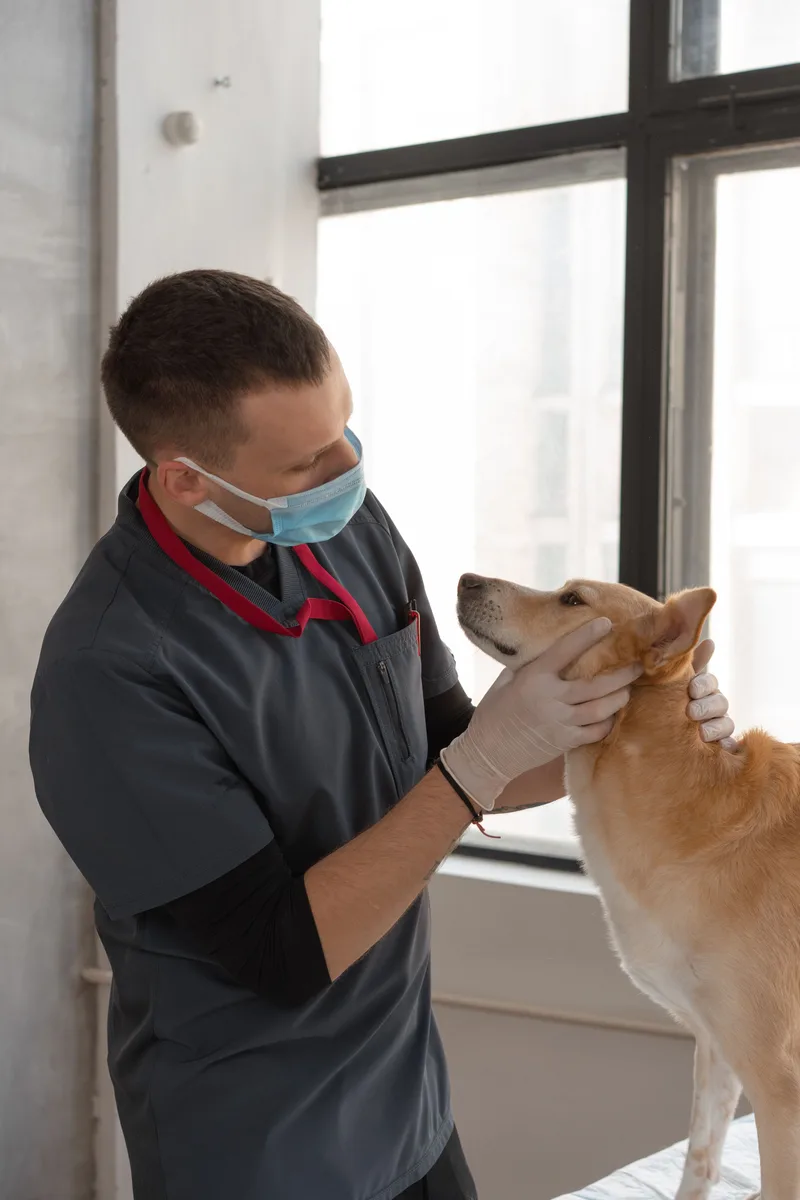
When sneezing needs a vet
Book a visit, or call sooner, if you notice any of these:
- Bloody discharge or sneezing out blood from one or both nostrils.
- Sudden, violent one-sided sneezing with pawing — a likely foreign body.
- Thick yellow-green discharge, or a nose that’s crusty or swollen.
- Sneezing that lasts several days, or keeps getting worse.
- Other signs — off food, low energy, a swelling on the face or muzzle.
- Breathing trouble or constant nose-rubbing that won’t settle.
How to help at home while you decide
If the sneezing is occasional, there’s no blood or thick discharge, and your dog is otherwise well, you can watch for a short while:
- Remove obvious triggers: air out the room, skip the aerosols and strong perfumes near your dog.
- Check after walks: look for grass seeds around the nose and face, especially in summer.
- Ease a reverse sneeze: stay calm, gently rub the throat, and it should pass quickly.
- Note the pattern: one nostril or both, any discharge, and whether it’s improving over a day or two.
Reading your dog beyond the symptom
Nose trouble changes how a dog behaves — pawing at the face, going quieter, or seeming distracted by something they can’t shake. That’s what Traini‘s AI dog translator is built for: turning your dog’s behavior and body signals into plain language, so you can tell a playful sneeze from “something’s bothering me.” When you’re unsure whether to watch or book a vet, you can ask PetGPT about your dog’s specific situation and get an answer grounded in their context. For related signs, see our guides on why your dog is coughing, why your dog snores, and why your dog is breathing fast.
Frequently asked questions
Is reverse sneezing in dogs normal?
Usually, yes. Reverse sneezing is a brief, harmless spasm that sounds like honking or snorting and passes within a minute, often after excitement or drinking. If it becomes frequent, long or comes with other signs, mention it to your vet to rule out other causes.
Why does my dog sneeze when playing or excited?
Play sneezing is a normal way dogs signal they’re having fun and keeping things friendly. It’s most obvious during wrestling and chase games, and it stops when the play winds down. It’s nothing to worry about.
My dog is sneezing with discharge — what does that mean?
Clear, watery discharge often points to an irritant or allergy. Thick, yellow-green or bloody discharge is more concerning and can signal infection, a foreign body or dental disease. Colored or bloody discharge should be checked by a vet.
When should I take my dog to the vet for sneezing?
See a vet for sneezing that brings blood, lasts several days, is violent and one-sided with pawing, or comes with thick discharge, facial swelling, or a drop in appetite or energy. These suggest something beyond a passing tickle.
This article is for general information and isn’t a substitute for professional veterinary advice. Bloody discharge, facial swelling, or sudden intense one-sided sneezing can signal a problem that needs prompt care — contact your veterinarian.