
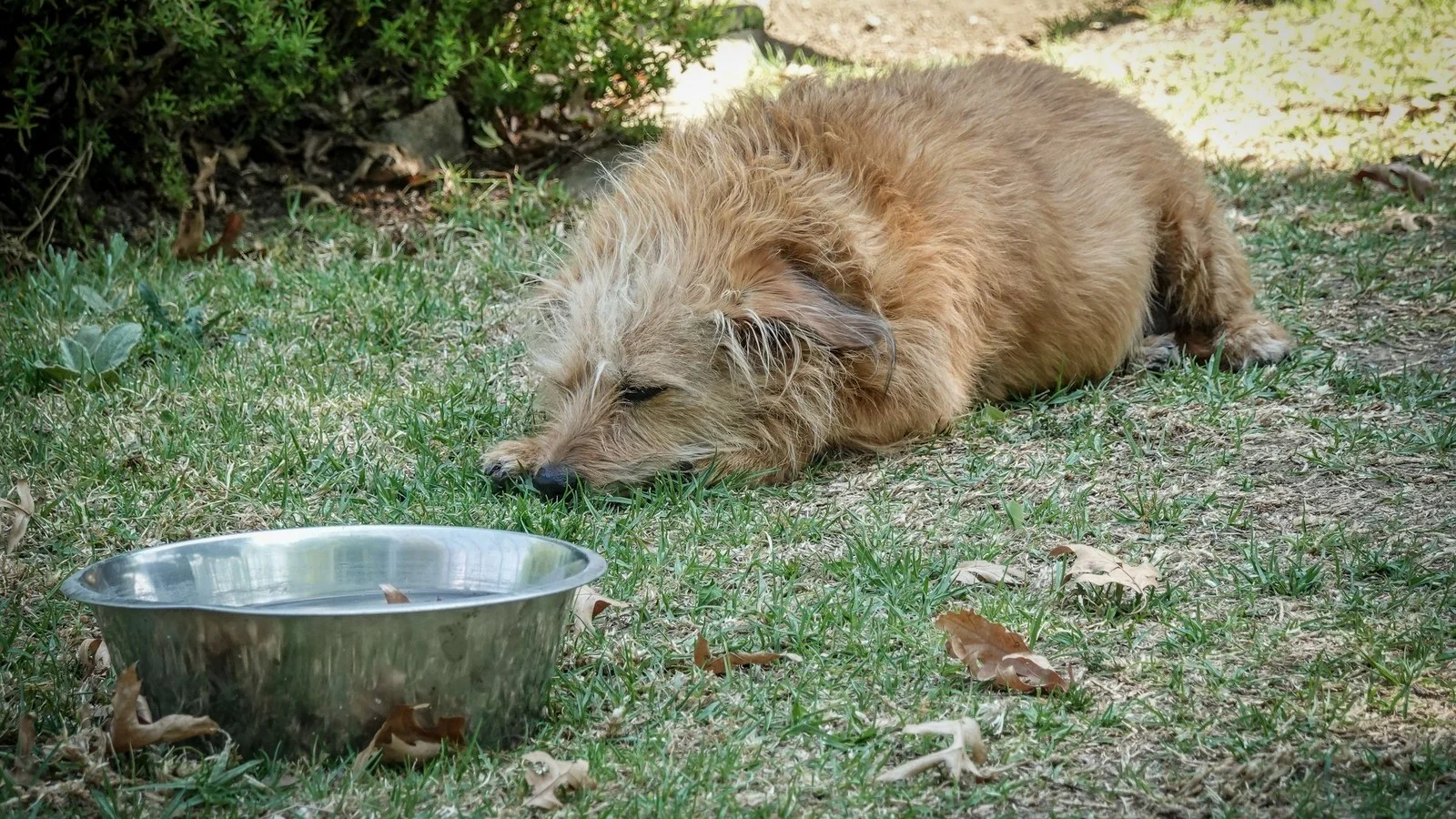
Why is my dog not eating? Loss of appetite has many causes, from minor to serious: stress or a change in routine, a new or disliked food, dental pain, nausea or an upset stomach, illness, pain anywhere in the body, recent vaccination, or a dangerous blockage. A dog that skips one meal but is otherwise bright is usually fine to watch. A dog that won’t eat for more than 24–48 hours, or that has other symptoms, needs a vet.
It’s worrying when a normally food-motivated dog turns away from the bowl. The key is reading the whole picture — how long it’s been, and what else is going on. Here’s how to think it through.
Common and less serious causes
Stress and change. New home, travel, a schedule change, or a missing family member can all put a dog off food for a day.
Pickiness and habit. Dogs that get lots of treats or table food may hold out for something better. If your dog won’t eat kibble but will eat treats, this — or mild nausea, or dental pain — is often why.

Dental pain. A sore tooth, broken tooth, or gum infection makes chewing hurt, so a dog may approach the bowl, then back away.
Signs it may be medical
Appetite loss is one of the most common early signs of illness, so pair it with any other changes. Nausea, an upset gut, infections, pain, kidney or liver problems, and many other conditions can all suppress appetite. Watch especially for vomiting, diarrhea, lethargy, or drinking changes — see our guides on throwing up and diarrhea if those appear too.
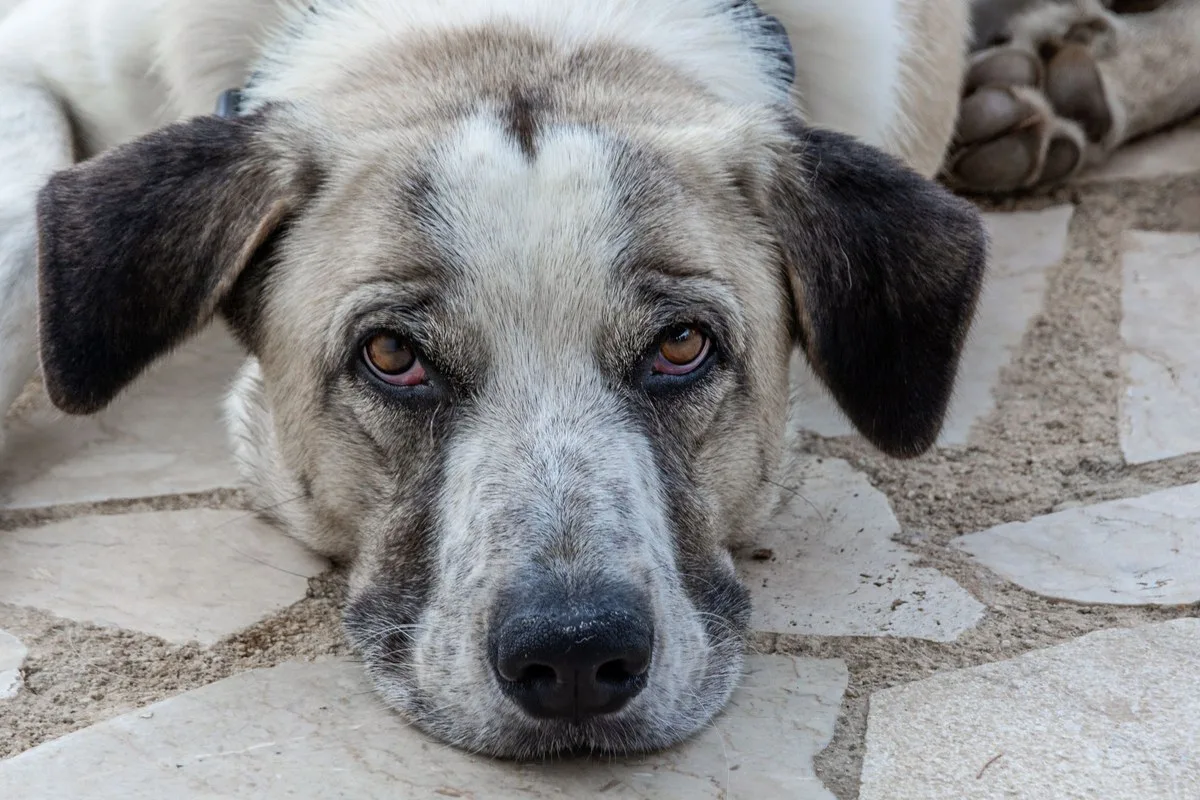
A tense, bloated, or painful belly, repeated retching, or a dog that seems to want to eat but can’t keep anything down can signal a blockage or something serious — that’s an urgent vet visit, not a wait-and-see.
When to see the vet
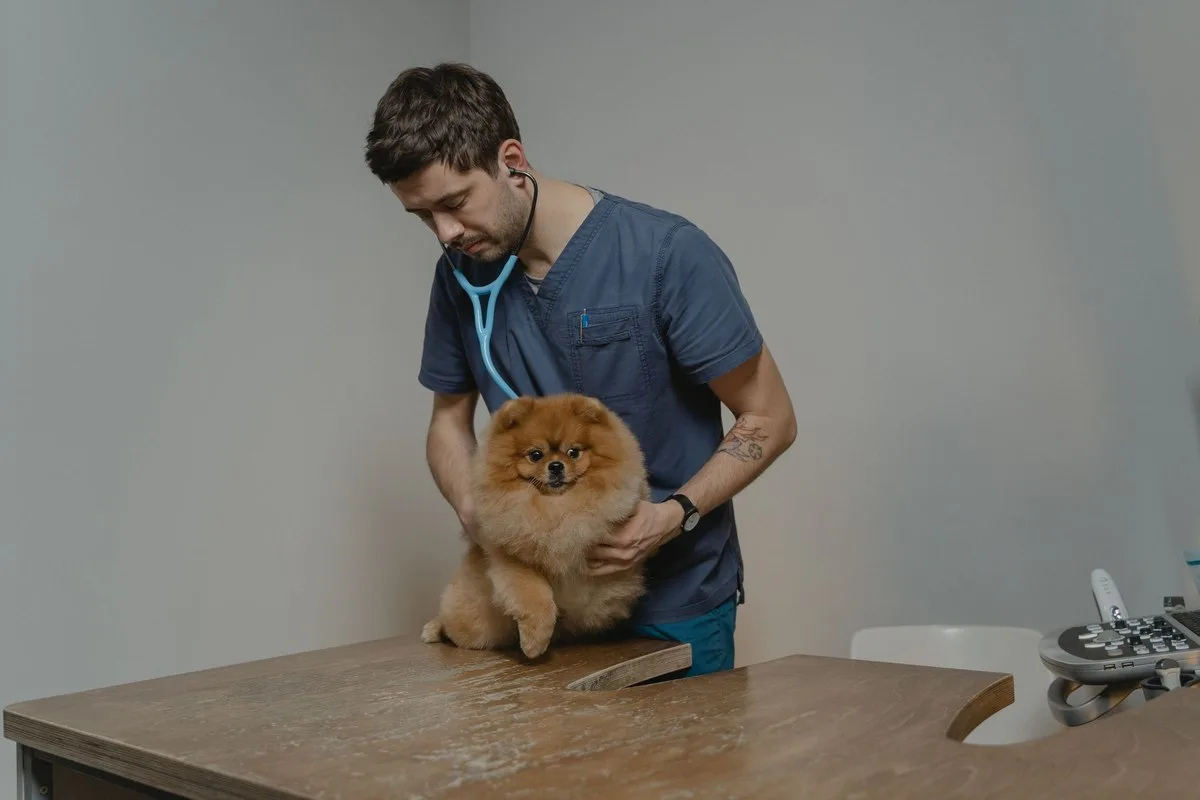
Call your vet if your dog hasn’t eaten for more than about 24 hours (sooner for puppies, small breeds, or diabetic dogs, who can’t safely skip meals), or if the fasting comes with vomiting, diarrhea, lethargy, coughing, pale gums, or signs of pain. Bring details: when they last ate, what’s changed, and any other symptoms. For a healthy adult that simply skipped one meal and is otherwise normal, it’s reasonable to offer the next meal on schedule and monitor.
Frequently Asked Questions
How long can a dog go without eating?
A healthy adult dog can usually manage a day or two without food as long as they’re drinking water and acting normal. Puppies, small breeds, and dogs with conditions like diabetes should not skip meals — contact your vet sooner for them.
Why won’t my dog eat food but will eat treats?
This often means your dog feels a bit off (mild nausea or dental pain) but can still be tempted, or has learned that holding out earns tastier food. If it lasts more than a day or comes with other symptoms, have your vet take a look.
Should I force my dog to eat?
Don’t force-feed. You can try gently warming the food, adding a little low-sodium broth, or hand-feeding, but if your dog still refuses and seems unwell, call your vet rather than pushing food.
Could it just be the weather or a new bag of food?
Yes — hot weather and a sudden food change are common, harmless reasons dogs eat less. Switch foods gradually over about a week, and if appetite doesn’t bounce back in a day or two, check with your vet.
This article is for general educational purposes and isn’t a substitute for professional veterinary advice. Appetite loss can signal a medical problem — if your dog won’t eat for more than a day or has other symptoms, please consult your veterinarian.