

Can dogs eat oranges? Yes — a few segments of peeled, fresh orange are safe for most dogs. The juicy flesh carries water, vitamin C and a little fiber. What you want to skip is the peel, the seeds and the white pith, along with large servings, since oranges are sugary and acidic.
If your dog swiped a segment of orange off your plate, there’s almost nothing to worry about. The picture only changes with the peel and seeds, with a dog who gets a whole orange at once, or with a pup who has a sensitive stomach or diabetes — and below we’ll walk through exactly where the line is.
So, is orange actually okay for dogs?
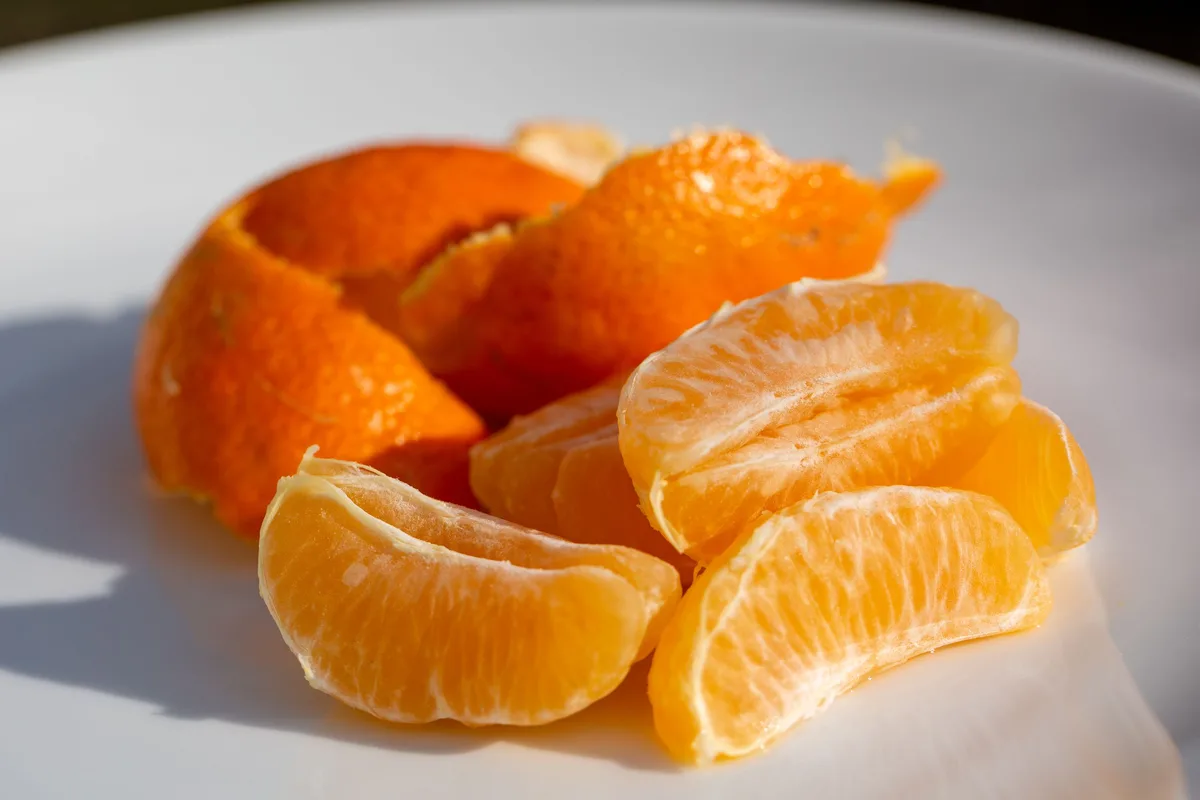
Yes. The peeled, seedless flesh of a fresh orange is non-toxic and makes a fine occasional treat. Oranges are mostly water, with vitamin C, potassium and some fiber. Dogs make their own vitamin C and don’t need the fruit, but a segment or two won’t hurt a healthy dog. The key words are peeled, plain and small — the hazard isn’t toxicity so much as sugar, acid, and the parts we don’t eat.
The real risks worth knowing
1. The peel, pith and seeds
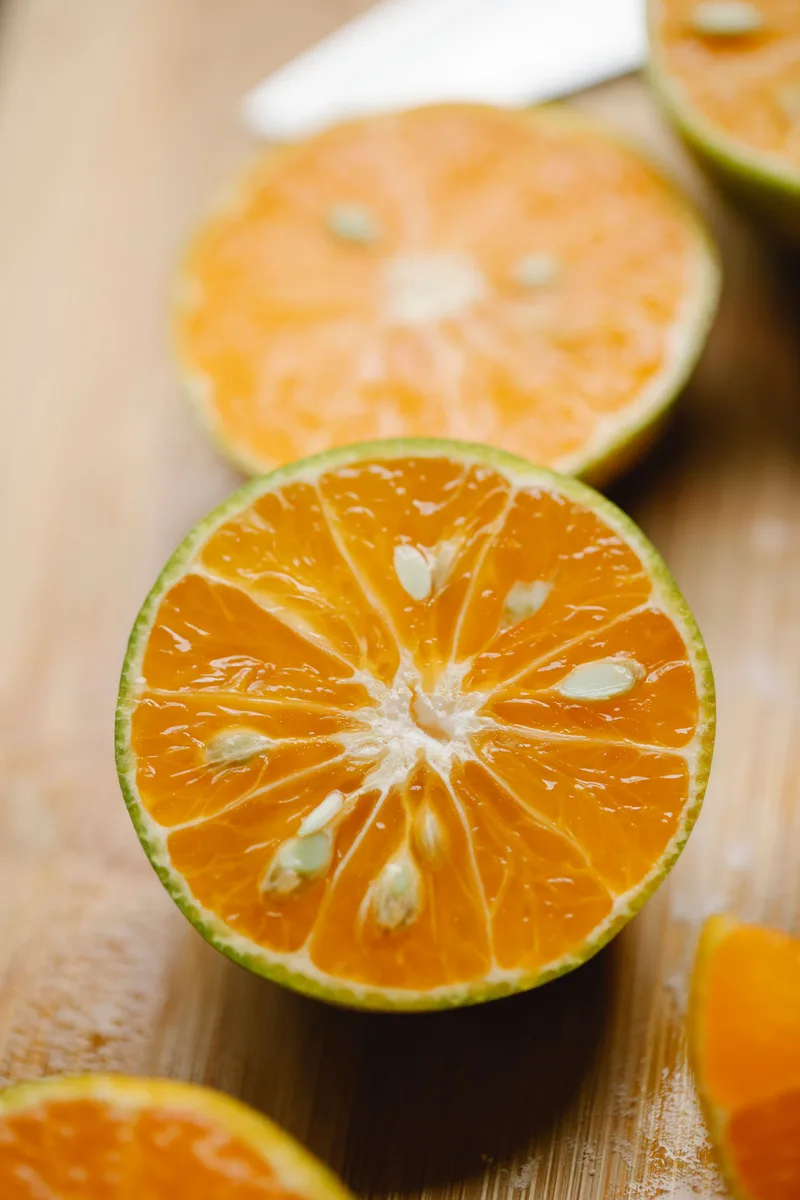
The orange peel is tough and hard to digest and can cause an upset stomach or, in a small dog, even a blockage. The stringy white pith is bitter and poorly digested, and the seeds are best avoided too. Always peel the orange, pull off the pith, remove any seeds, and offer only the soft segments.
2. Sugar and sensitive dogs
Oranges are high in natural sugar, so they aren’t a good fit for every dog. Overweight dogs and especially dogs with diabetes should skip sugary fruit unless your vet says otherwise. Even for a healthy dog, too much sugar over time isn’t kind to the waistline or teeth.
3. Acidity and stomach upset
Citrus is acidic, and some dogs simply don’t tolerate it well. Too much orange can bring on loose stools, gas or a gurgly, uncomfortable belly, particularly in dogs new to fruit. If your dog turns their nose up at the smell, that’s fine — plenty of dogs dislike citrus, and there’s no need to push it.
How to share orange with your dog safely
If you want to offer a bite, keep it simple:
- Peeled and seedless — no skin, no pith, no pips.
- Fresh, not juice — skip orange juice, which is concentrated sugar and acid.
- One or two segments — a small treat, not a whole orange.
- Watch the first time — offer a little and see how your dog’s stomach handles it.

What to do if your dog ate too much orange
Match your response to what they actually got into:
- A couple of segments: No worries. Keep fresh water out and carry on.
- A lot of flesh at once: Watch for loose stools, gas or a brief upset stomach, which usually passes on its own. Offer water and a light next meal.
- Peel or a whole orange: Watch for repeated vomiting, a hard or painful belly, or trouble pooping, and call your vet — the peel can cause a blockage, especially in a small dog.
Other fruits dogs can enjoy
If your dog likes a little citrus, there are plenty of other safe, juicy options in moderation. Try a few strawberries or blueberries, a slice of watermelon, a piece of apple, or some fresh pineapple — all with the pits, peels and seeds removed.
And if your dog sits at your feet giving you the full-eyed stare every time you peel an orange, that begging is its own kind of communication. Traini’s AI dog translator helps you read what’s really behind those looks — true hunger, habit, or just wanting in on what you’re doing — so “not this one” gets easier for both of you.
Frequently asked questions
How much orange can a dog eat?
One or two peeled, seedless segments for a medium dog, less for a small one, as an occasional treat. Like all treats, orange should stay under about 10% of your dog’s daily calories, with the rest coming from a complete, balanced diet.
Can dogs eat clementines, mandarins or tangerines?
Yes, in the same way as oranges — a small amount of peeled, seedless flesh is fine for most dogs. They’re a little sweeter and smaller, so keep the portion modest and remove every seed and bit of peel.
Can dogs drink orange juice?
It’s best to skip it. Orange juice is concentrated sugar and acid without the fiber of the whole fruit, and it can upset a dog’s stomach. Plain fresh water is always the better choice.
Is orange peel bad for dogs?
Yes, keep it away. The peel is tough, hard to digest, and can cause stomach upset or a blockage, especially in small dogs. If your dog eats a large amount of peel, watch for vomiting or belly pain and call your vet.
Can puppies eat oranges?
A tiny piece of peeled orange is unlikely to harm a puppy, but their stomachs are more sensitive to sugar and acid, so it’s safest to wait and stick to puppy-appropriate treats. If you do offer a bite, make it very small and watch for any upset.
This article is for general information and isn’t a substitute for professional veterinary advice. If your dog has eaten orange peel or a large amount of orange, or seems unwell, contact your veterinarian.