
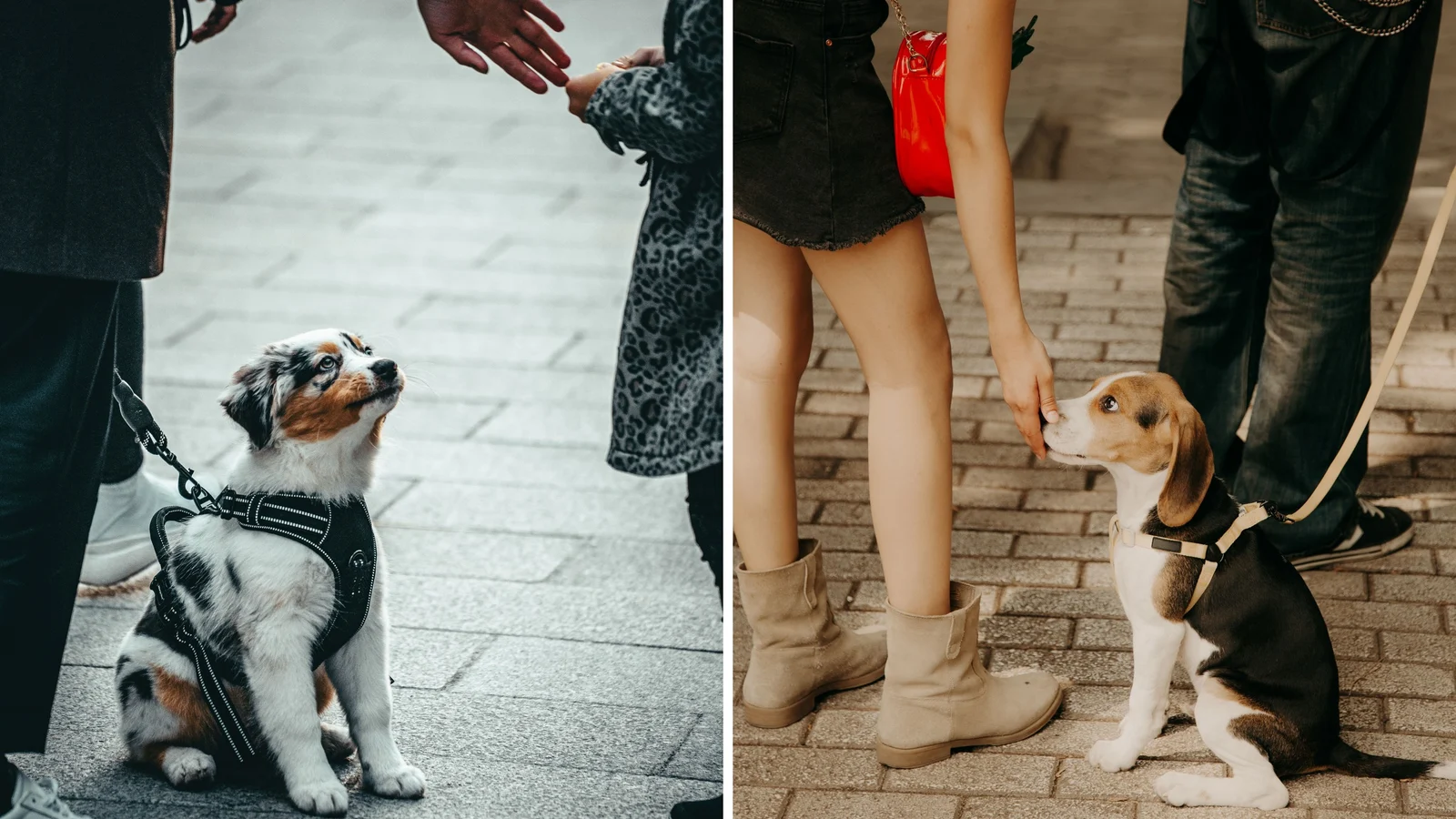
To socialize a puppy, give them calm, positive experiences with lots of different people, sights, sounds and surfaces during their first few months. Keep every encounter short, gentle and paired with treats, go at your puppy’s pace, and never force them. The goal isn’t to meet every dog in town — it’s to teach your puppy that the world is safe and interesting.
Socialization is the single most important thing you can do for a puppy, and it has a deadline: the prime window closes at around 12 to 16 weeks. Those early weeks shape whether your dog grows up confident and easygoing or fearful and reactive. Here’s how to do it well, and safely.
What socialization really means
Socializing isn’t just meeting other dogs. It’s gently introducing your puppy to the whole range of everyday life — different people, animals, places, noises, surfaces and handling — so none of it feels threatening later. A well-socialized puppy takes the vacuum cleaner, the vet visit and the crowded street in stride. The aim is positive, relaxed exposure, not overwhelming them.
The socialization window
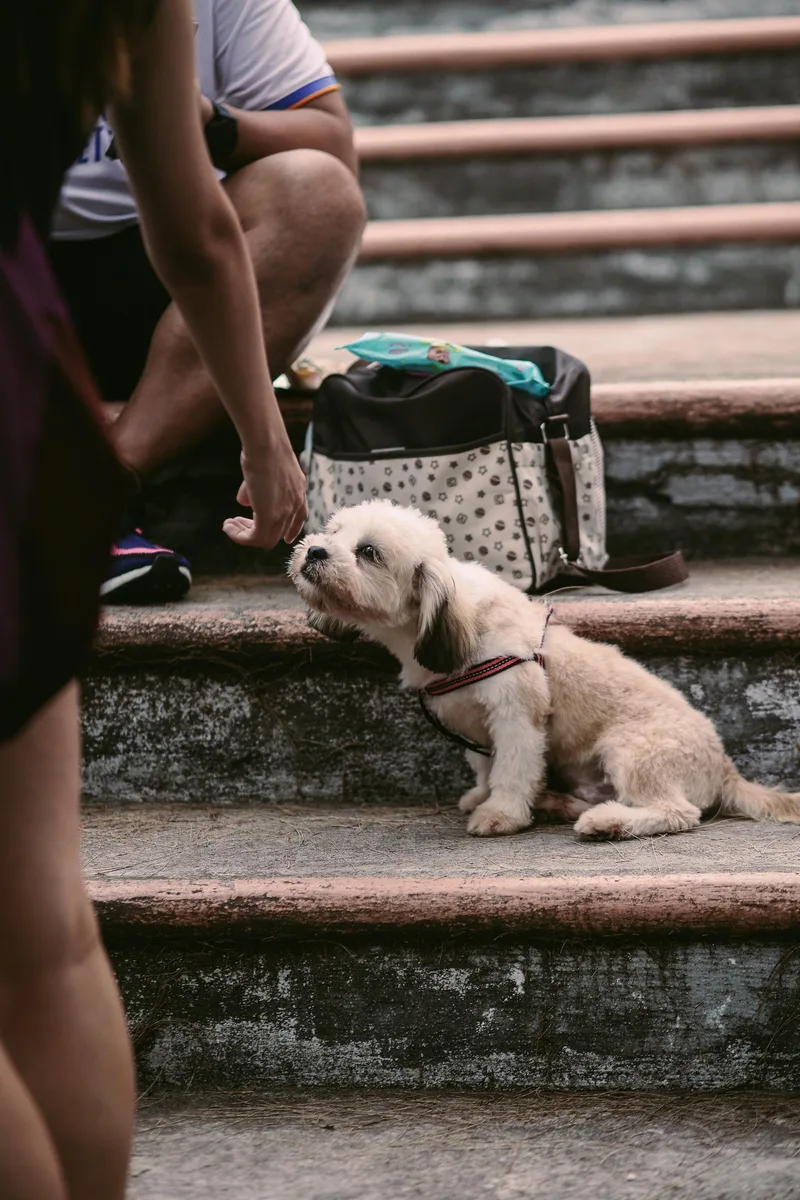
Puppies are most open to new experiences from roughly 3 to 16 weeks, with the richest window around 8 to 12 weeks — often right when they come home. Experiences during this time leave a lasting impression, good or bad, which is why thoughtful early socialization pays off for years. It doesn’t stop at 16 weeks, but it does get harder, so make the most of these weeks.
What to introduce your puppy to
People of all kinds
Let your puppy meet men, women, children, people in hats, uniforms, glasses and high-vis, people with beards or walking sticks — all calmly and with treats. Variety now prevents wariness later.
Sounds, surfaces and objects
Traffic, doorbells, the hoover, thunder recordings, umbrellas, wheelie bins; grass, tile, metal grates, wobbly surfaces and stairs. Introduce each gently and let your puppy explore at their own pace.
Other dogs and animals
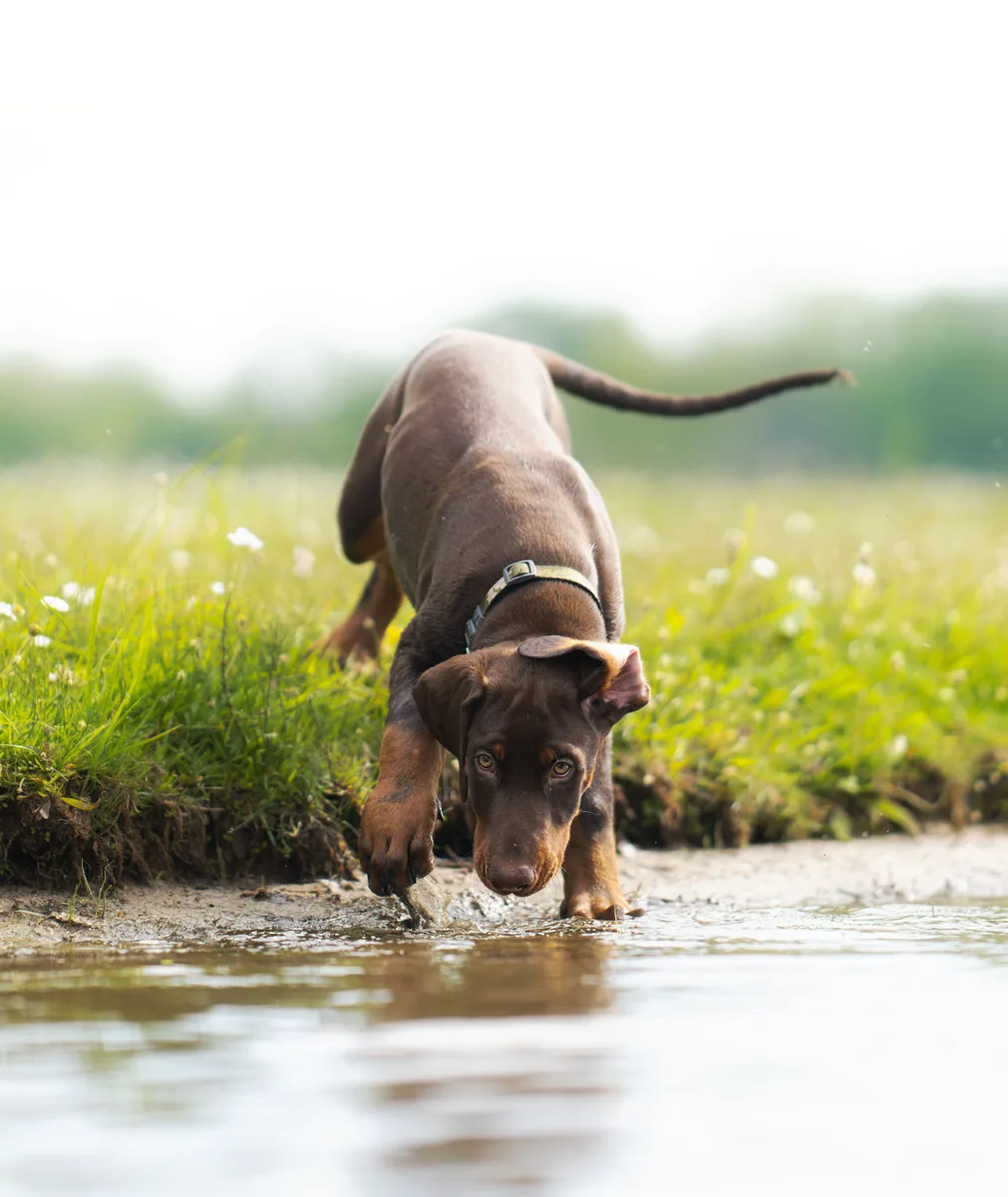
Calm, vaccinated, friendly adult dogs are ideal teachers. A well-run puppy class is one of the best places for safe dog-to-dog time. Avoid chaotic dog parks and any dog whose temperament you don’t know.
Handling and everyday routines
Gently touch paws, ears, mouth and tail, paired with treats, so grooming and vet exams are stress-free later. Short, happy car rides and mock vet visits (just a treat on the scales) help too.

How to do it safely before full vaccination
Here’s the tension every new owner feels: the socialization window opens before the vaccination course is complete. You don’t have to choose between the two. Until your vet gives the all-clear for public ground:
- Carry your puppy out to watch the world — traffic, crowds, markets — from your arms.
- Invite the world in: have friends visit, and let your puppy meet healthy, vaccinated dogs at home or in private gardens.
- Use clean, low-risk spaces rather than busy public parks where unknown dogs toilet.
- Ask about puppy classes — good ones require vaccinations and keep things clean and calm.
Reading your puppy’s limits
Good socialization follows your puppy’s comfort, not a checklist. A puppy who hides, freezes, tucks their tail, or won’t take treats is telling you it’s too much — back off, add distance, and let them watch from a safe spot. Pushing a frightened puppy does the opposite of socializing. Traini’s AI dog translator helps you read those early stress signals, so you can tell curious from overwhelmed and keep every outing a good one. For more on raising a confident puppy, see our guides on leash training, crate training, stopping puppy biting, and teaching sit.
Frequently asked questions
When should I start socializing my puppy?
Start the day your puppy comes home, usually around eight weeks. The prime socialization window closes at roughly 12 to 16 weeks, so early, positive exposure matters — just do it safely while vaccinations are still in progress.
Can I socialize my puppy before they’re fully vaccinated?
Yes, carefully. Carry your puppy to see the world, invite healthy vaccinated dogs and people to your home, use clean private spaces, and join a reputable puppy class. Avoid busy public parks and unknown dogs until your vet clears your puppy.
What happens if a puppy isn’t socialized?
Under-socialized puppies are more likely to grow into fearful, anxious or reactive adults who struggle with new people, dogs, noises and places. It’s not impossible to help an older dog, but it’s much harder than building confidence early.
How many new things should I introduce each day?
Quality beats quantity. A couple of calm, positive new experiences a day, each kept short and paired with treats, is plenty. Watch your puppy’s body language and stop before they get overwhelmed — one good encounter is worth more than ten stressful ones.
This article is for general information and isn’t a substitute for professional veterinary or training advice. Ask your veterinarian when it’s safe for your puppy on public ground, and consider a qualified, reward-based trainer or a well-run puppy class for hands-on help.